
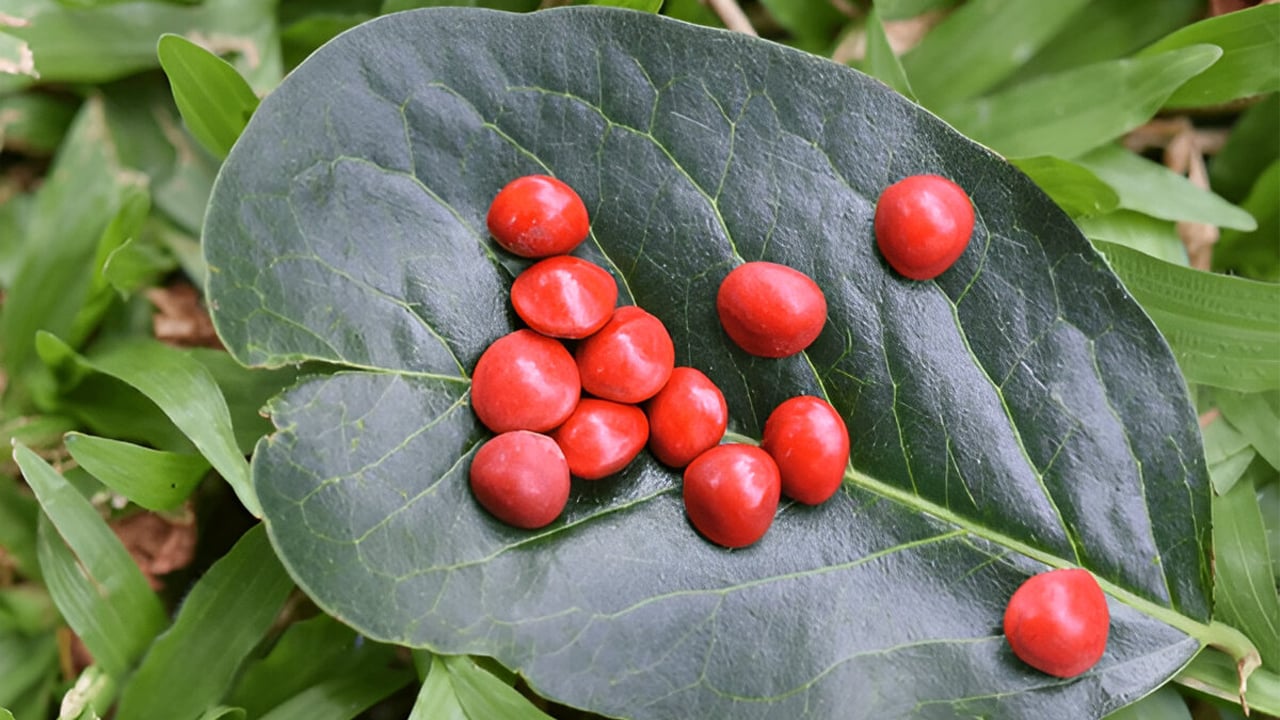

Adenanthera pavonina — known locally as Madatiya (මදටිය) — is a medium-sized deciduous tree that has been woven into Sri Lankan domestic life, temple culture, and traditional medicine for centuries. Native to South and Southeast Asia, it grows readily across tropical lowlands and is a familiar presence in home gardens, along roadsides, and on temple grounds throughout the island.
What makes Adenanthera pavonina distinctive?
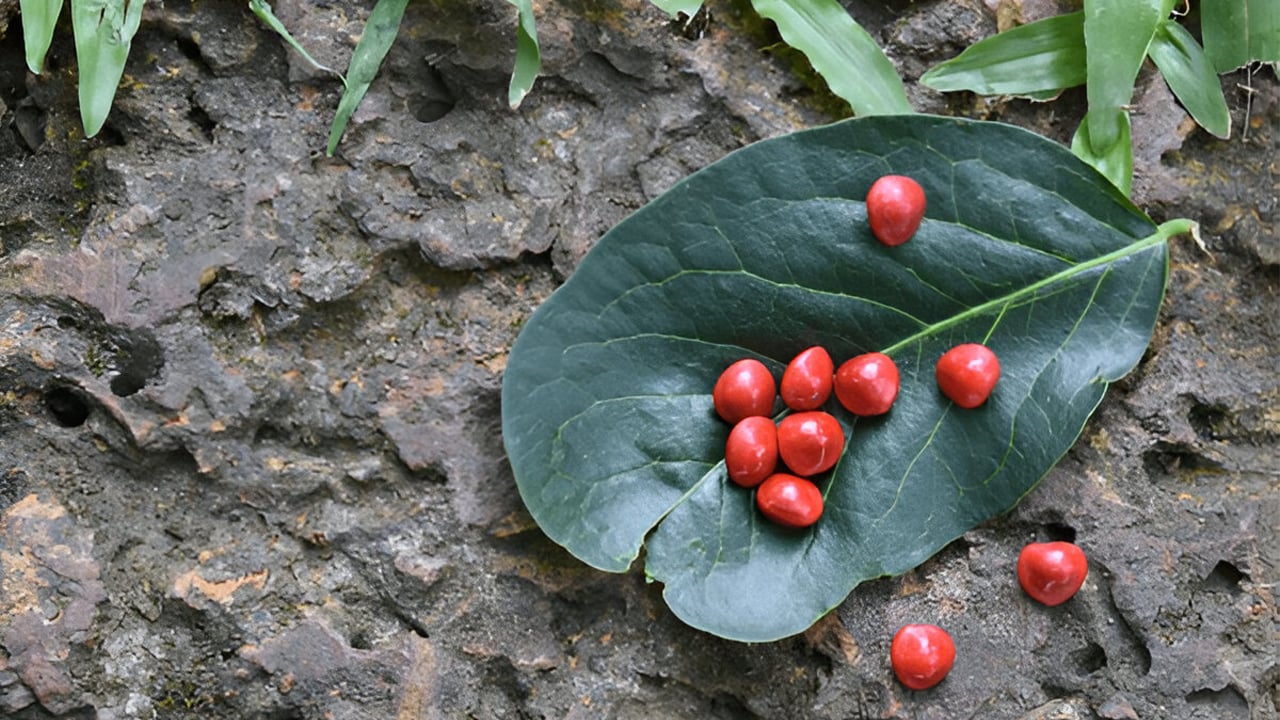
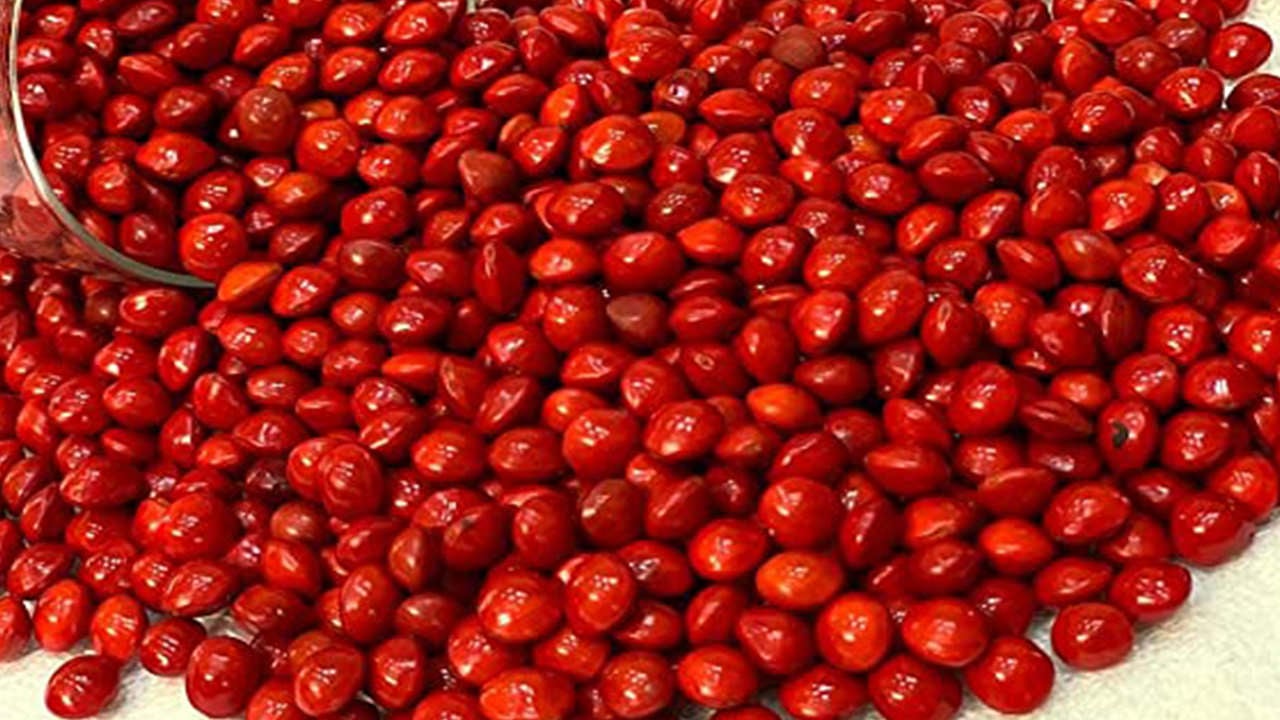
The tree's most recognisable feature is its seeds. Hard, uniformly round, and a vivid scarlet red, they are often called red lucky seeds or Ransaru seeds in Sinhala. Their near-perfect spherical shape and consistent weight — historically used as a unit of measure in jewellery making — set them apart from most other tropical seeds. The feathery, bipinnate leaves and soft yellowish flower clusters make the tree equally attractive before the seed pods ripen.
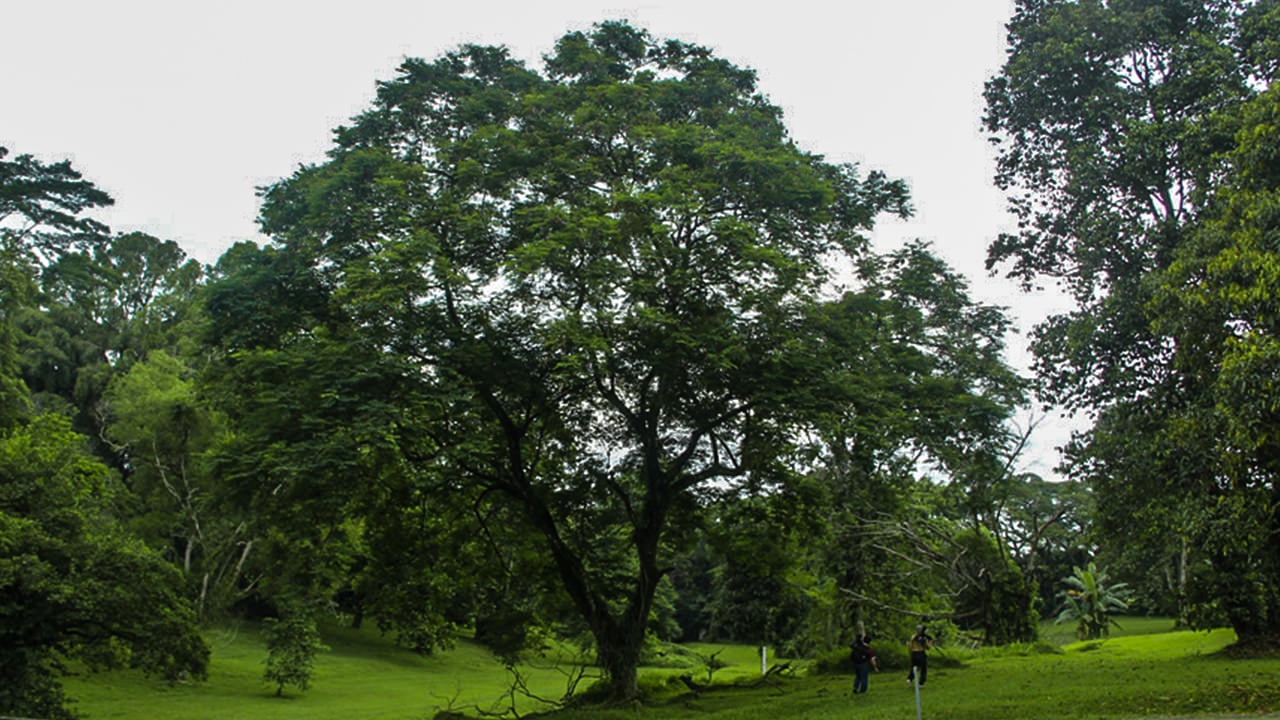
The spreading canopy provides generous shade, which is why the tree has long been planted along village lanes and around Buddhist temple compounds, where it doubles as an ornamental and a source of traditional remedies.
Are Adenanthera pavonina seeds safe to handle?
The seeds are safe to handle and carry, but they are toxic if ingested raw. Do not consume them unprocessed. In certain Ayurvedic traditions, the seeds are used in carefully prepared formulations, but this always involves supervised processing to neutralise the toxic compounds. Travellers and collectors can handle the seeds freely and wear them in jewellery without risk.
What are the traditional and Ayurvedic uses of Madatiya?
Virtually every part of the Madatiya tree has a documented role in Sri Lankan traditional medicine. The bark and leaves are applied in Ayurvedic preparations for their reputed anti-inflammatory and analgesic properties, with poultices sometimes used to address joint pain and skin conditions. The roots have historically been used in treatments for headaches and rheumatic complaints.
- Seeds: Strung as beads in jewellery and traditional craft; historically used as a standard weight unit.
- Bark: Decocted in Ayurvedic formulations targeting inflammation; also used as a mild cleanser.
- Leaves: Applied externally in poultices; young leaves occasionally used in traditional cooking in some regional traditions.
- Timber: Hard, reddish-brown, and durable — used for small furniture, agricultural tools, and wooden implements.
This breadth of use places Adenanthera pavonina alongside other ecologically and medicinally valued Sri Lankan trees such as Pongamia pinnata and Acacia chundra, all of which feature in the island's Ayurvedic pharmacopoeia.
Where does Adenanthera pavonina grow in Sri Lanka?
The tree thrives in the island's tropical lowland zones, tolerating a range of soil types and modest dry spells. It is most commonly encountered in the wet and intermediate zones but grows across much of the country below around 1,000 metres elevation. You are likely to spot Madatiya trees in village gardens in the Cultural Triangle region near Polonnaruwa, along the forest margins of the Sinharaja Forest Reserve buffer zone, and on the grounds of historic temples across the Southern and North Western provinces.
In the wild, the tree often establishes itself at forest edges and disturbed land, making it an early coloniser in secondary forest growth — a trait that gives it quiet ecological importance beyond its aesthetic appeal.
When does Madatiya flower and fruit?
Flowering typically occurs during the dry season, when clusters of small, fragrant yellowish blossoms appear along the branches. These attract bees, butterflies, and other pollinators, making the Madatiya a modest but reliable contributor to local biodiversity. After pollination, long, twisted seed pods develop; as they dry and split, the vivid red seeds become visible — often the first thing that draws a visitor's eye.
The exact timing varies by location and elevation, but in most lowland areas flowering can be observed between roughly January and April.
What is the cultural significance of the red lucky seeds?
The seeds carry strong symbolic weight across South and Southeast Asia. In Sri Lanka they are associated with good fortune and protection, and craftspeople in villages around Kandy and Galle have long incorporated them into necklaces, bracelets, and decorative pieces sold at craft markets. Because each seed weighs approximately 0.26 grams with very little variation, ancient Indian goldsmiths reportedly used them as a reference weight — a fact that adds a layer of historical interest to what appears at first glance to be simply a decorative object.
How does Adenanthera pavonina benefit local ecosystems?
As a legume, the tree fixes atmospheric nitrogen through root nodules, gradually improving soil fertility — an asset in the degraded soils of agricultural margins. Its canopy reduces evaporation and provides micro-habitat for birds and insects. The flowers support pollinators during a period when many other trees are not in bloom, filling a seasonal gap in the nectar calendar. Taken together, these traits make Madatiya a useful species in agroforestry and community reforestation programmes across Sri Lanka's intermediate and dry zones.
Can visitors buy Adenanthera pavonina seeds in Sri Lanka?
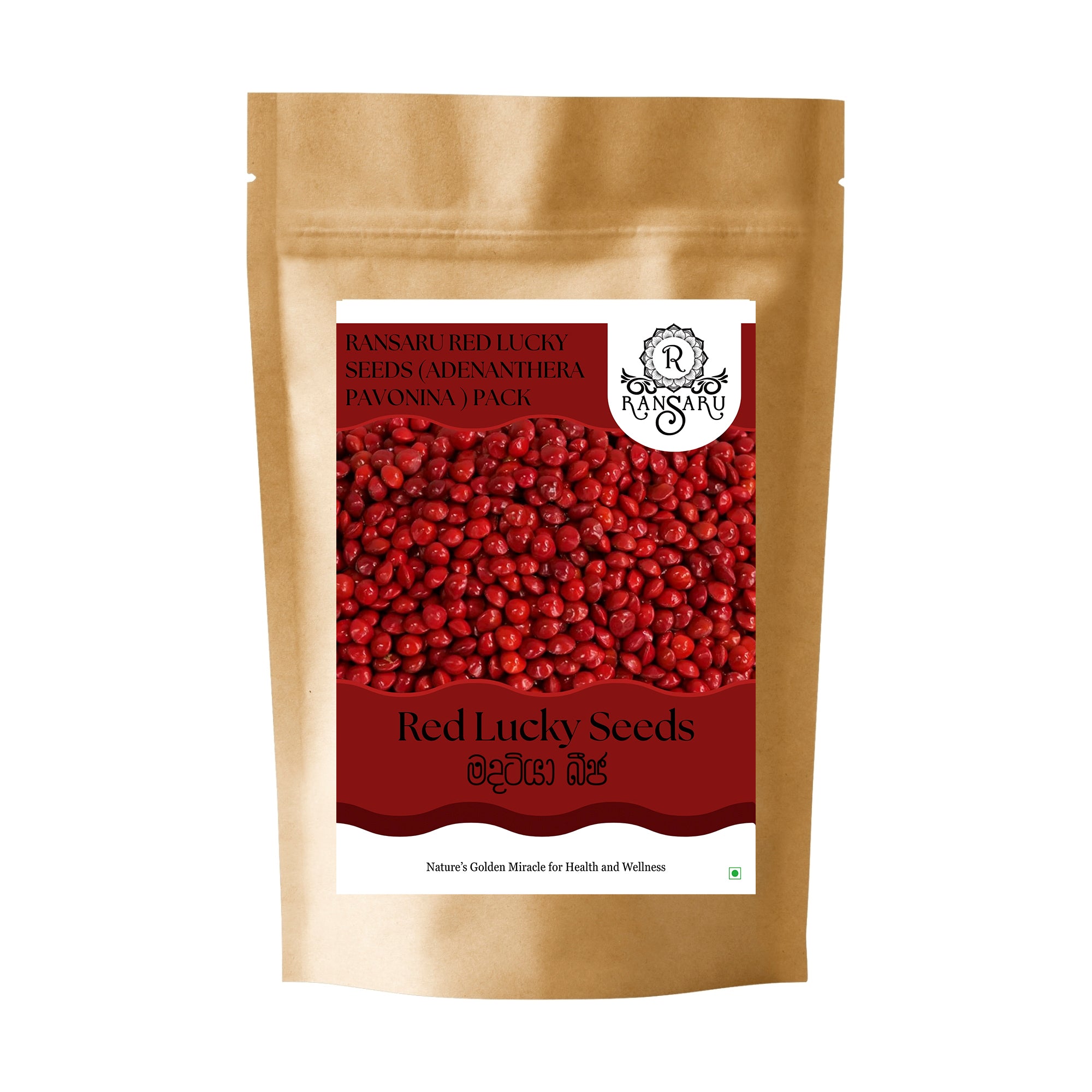
Red lucky seeds are sold at craft stalls, ayurvedic herb shops, and botanical garden gift counters in many parts of the country. They travel well, are lightweight, and make an inexpensive, culturally meaningful souvenir. Lakpura also stocks a curated pack of Ransaru red lucky seeds for those who prefer to purchase them before or after their trip.
Other species in this genus
1 more, sharing the same genus.