



Cassia roxburghii, commonly known as Red Cassia or Ceylon Senna, is a flowering tree native to South Asia and well established across Sri Lanka's dry and intermediate climate zones. Recognised in Sri Lanka's catalogue of ayurvedic medicinal plants, it has been used in traditional Sinhala medicine for generations and continues to attract interest from herbalists, botanists, and conservation professionals alike.
What does Cassia roxburghii look like?
This medium-sized deciduous tree can reach heights of around eight to twelve metres in favourable conditions. Its most distinctive feature is its long, cylindrical seed pods — often dark brown to black when mature — that can extend to 60 centimetres or more. The pinnate leaves are arranged in pairs along slender stems, and clusters of pale pink to salmon-coloured flowers appear seasonally, making the tree visually striking when in bloom. The bark is rough and greyish-brown, and the wood is moderately hard.
Where does Cassia roxburghii grow in Sri Lanka?
In Sri Lanka, Cassia roxburghii is found primarily in the dry lowland forests and scrublands of the North Central, Northern, and Eastern provinces. It tolerates drought conditions well and is often seen growing along roadsides, in home gardens, and within the boundaries of protected areas. The tree is relatively hardy and does not demand fertile soils, which partly explains its spread across the island's drier regions. It also appears in botanical and ayurvedic gardens as a cultivated specimen.
What are the traditional ayurvedic uses of Cassia roxburghii?
Within Sri Lankan ayurvedic practice, different parts of the plant — including the leaves, bark, seeds, and pods — have been employed for their therapeutic properties. The seeds and pods are traditionally associated with laxative and digestive applications, a use shared across several species in the broader Cassia and Senna genera. Leaf preparations have been used topically in treating certain skin conditions. The bark, meanwhile, has been incorporated into formulations aimed at managing fever. Practitioners typically combine Cassia roxburghii with complementary plant materials; it is rarely used as a standalone remedy in classical texts.
Closely related plants in the Cassia and Senna family — such as Acacia chundra, another tree recognised in Sri Lanka's ayurvedic tradition — illustrate how the island's flora forms an interconnected pharmacopoeia that has shaped indigenous medicine for centuries.
How is Cassia roxburghii classified botanically?
Cassia roxburghii belongs to the family Fabaceae (legume family), subfamily Caesalpinioideae. Its genus, Cassia, has undergone significant taxonomic revision over recent decades, with many former Cassia species reclassified under the closely related genera Senna and Chamaecrista. Cassia roxburghii itself retains its original genus designation in most current references, though it is worth noting that botanical literature may occasionally list it under alternative classifications. The species epithet roxburghii honours William Roxburgh, the Scottish botanist whose foundational work documented South Asian flora in the late eighteenth and early nineteenth centuries.
Does Cassia roxburghii have any ecological significance?
Like other leguminous trees, Cassia roxburghii plays a role in nitrogen fixation, gradually improving soil quality in the areas where it grows. Its flowers attract bees and other pollinators during the flowering season, contributing to local biodiversity. The seeds, dispersed by animals and wind, allow the tree to colonise disturbed land — a characteristic that makes it useful in reforestation and land rehabilitation contexts. In Sri Lanka's protected dry-zone landscapes, the tree forms part of the broader woodland canopy that supports wildlife, from birds that feed on its seeds to insects dependent on its foliage.
What is the relationship between Cassia roxburghii and Sri Lanka's ayurvedic heritage?
Sri Lanka has one of the oldest continuously practised ayurvedic traditions in the world, with medicinal plant use documented in texts dating back more than two millennia. Cassia roxburghii is one of hundreds of plant species formally catalogued as part of this living heritage. The government's Department of Ayurveda maintains an official list of recognised medicinal plants, within which Cassia roxburghii carries the reference code LK94006419. This cataloguing effort helps protect indigenous knowledge and supports the regulated use of plant materials in licensed ayurvedic preparations. Travellers with an interest in traditional medicine will find that Sri Lanka's botanical gardens and ayurvedic wellness centres often feature this and related species as educational exhibits.
Can travellers encounter Cassia roxburghii during a visit to Sri Lanka?
Yes, though usually as a pleasant incidental discovery rather than a dedicated destination. The tree is most commonly seen in the dry north-central plains — the same landscapes that surround ancient cities and wildlife reserves. A visit to the dry-zone forests near Wilpattu National Park or the scrublands of the north central province may bring you past mature specimens of Cassia roxburghii, particularly along tracks and forest margins. Ayurvedic gardens attached to wellness resorts across the island often cultivate it alongside other medicinal trees, making these gardens one of the more reliable places to see it up close with some interpretive context. If you have a specific interest in Sri Lanka's medicinal plant heritage, many ayurvedic spas and research institutes offer guided botanical walks where Cassia roxburghii and its relatives are identified and explained.
How does Cassia roxburghii relate to other Cassia products available in Sri Lanka?
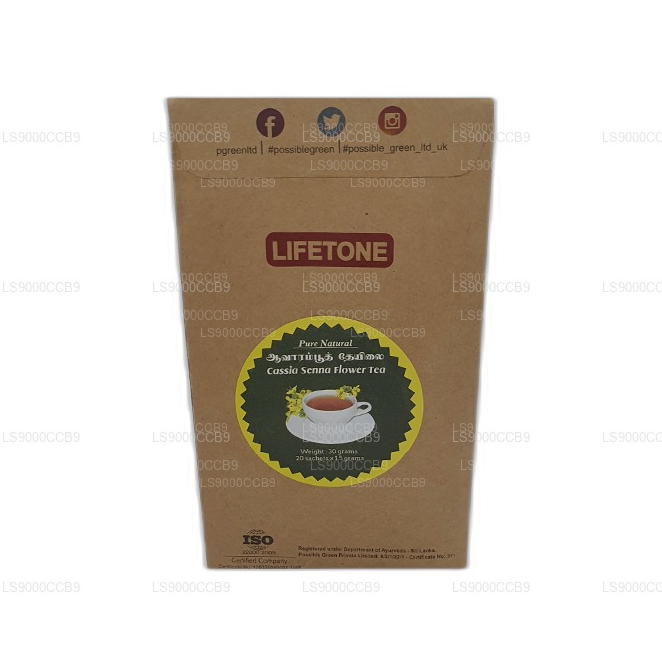
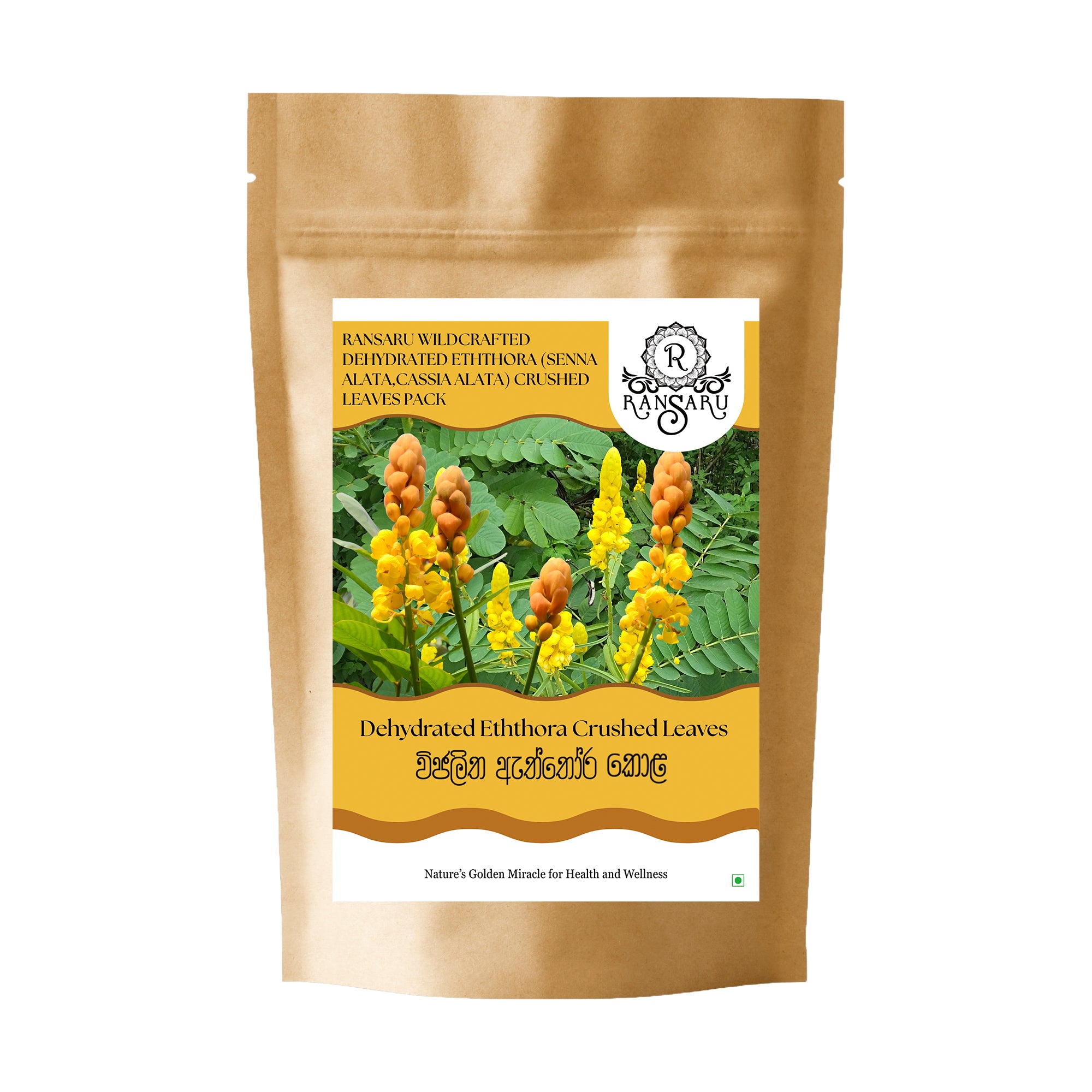
The broader Cassia genus is economically significant in Sri Lanka and across South Asia. Several related species have been developed into commercial herbal products — teas, powders, and extracts — that draw on the genus's well-documented digestive and antioxidant properties. While Cassia roxburghii itself is primarily a component of traditional formulations rather than mainstream retail products, consumers interested in exploring this plant family will find a range of accessible options derived from closely related species such as Cassia tora and Senna alata, both of which share some traditional applications with Cassia roxburghii.
Other species in this genus
10 more, sharing the same genus.