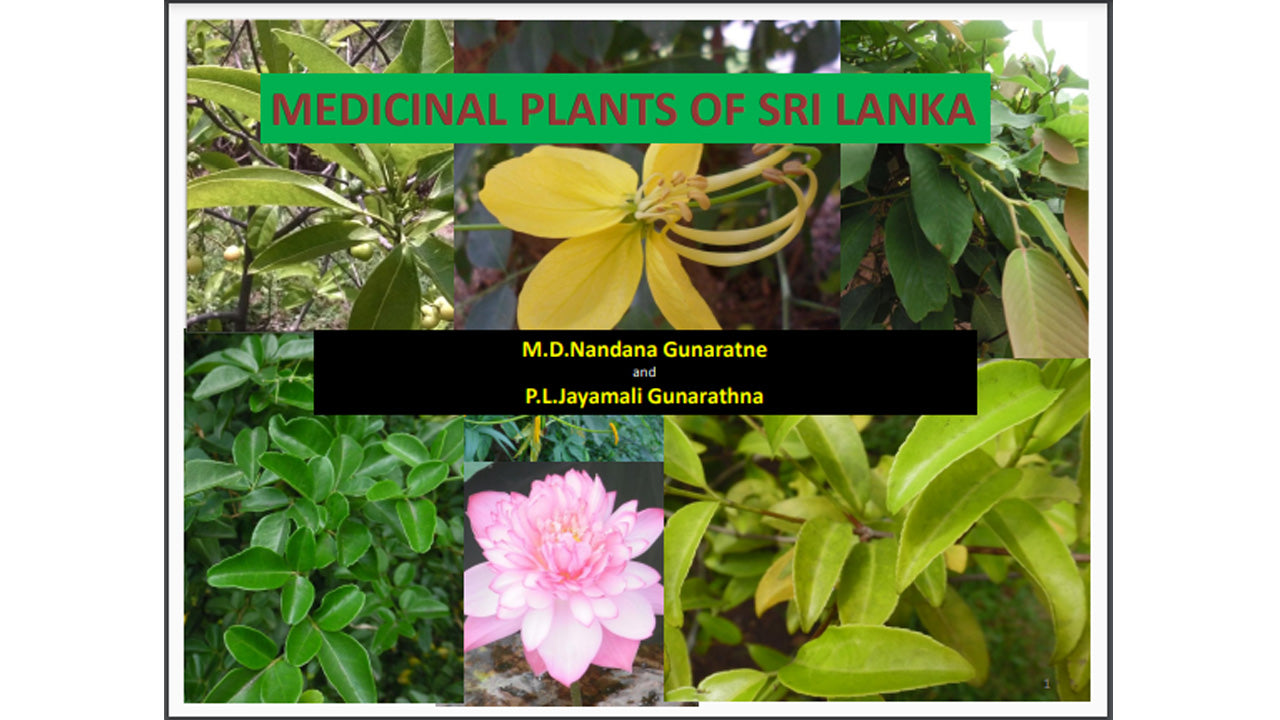
Erythroxylum monogynum, commonly known as red cedar or bastard cedar in South Asia, is a shrub or small tree native to the dry and intermediate zones of Sri Lanka, southern India, and parts of Southeast Asia. A member of the Erythroxylaceae family — the same botanical family as the coca plant — this species is a modest but ecologically significant component of Sri Lanka's scrub forests and rocky hillsides. It is far removed in character and chemistry from its more infamous relatives, and is valued locally for its timber, bark, and traditional medicinal applications.
What does Erythroxylum monogynum look like?
In the wild, Erythroxylum monogynum typically grows as a multi-stemmed shrub or a small tree reaching between 3 and 7 metres in height. The bark is smooth to slightly fissured, with a greyish-brown colouration that contrasts noticeably against the plant's dark green foliage. Young stems often have a reddish tinge, which contributes to the common name "red cedar."
The leaves are simple, arranged alternately on the stem, elliptical to lanceolate in shape, and glossy on the upper surface. Prominent midribs and lateral veins give the leaf a neat, structured appearance. Small white or pale yellow flowers appear in clusters in the axils of the leaves; they are lightly fragrant and attract bees and other pollinators. The fruit is a small drupe, turning red or purplish-red on ripening, containing a single seed.
Where does Erythroxylum monogynum grow in Sri Lanka?
In Sri Lanka, this species is most commonly encountered in the dry zone — particularly in the scrub jungles, thorn forests, and rocky outcrops that characterise the north-central and northwestern lowlands. It tolerates poor, well-drained soils and periods of drought, making it well adapted to the seasonal dry climate of these regions.
The species is also found within and around protected areas such as Wilpattu National Park, where patches of dry monsoon forest and scrubland provide suitable habitat. It occasionally appears in secondary forests at the forest edge, colonising disturbed ground alongside other dry-zone pioneer species.
Across South Asia more broadly, Erythroxylum monogynum is distributed through peninsular India, Sri Lanka, and parts of Myanmar, typically in tropical dry deciduous and thorn forest formations below 900 metres elevation.
What are the traditional and medicinal uses of this plant?
Within South Asian ethnobotanical traditions, various parts of Erythroxylum monogynum have been used in folk medicine for generations. The bark and roots are the most frequently cited parts in traditional remedies.
- Bark: Traditionally used in preparations intended to address fever, skin disorders, and inflammation. The bark contains tannins and alkaloids that are thought to contribute to these effects, though clinical research remains limited.
- Root: Used in some Ayurvedic and Siddha formulations. Root extracts have been studied for antimicrobial and antifungal properties in preliminary laboratory research.
- Timber: The wood is hard and close-grained, historically used for agricultural implements, tool handles, and small construction purposes in rural areas of southern India and Sri Lanka.
- Fuelwood: In many dry-zone communities, it is also valued as a reliable source of fuelwood, burning with a good heat output.
It is worth noting that, unlike some members of the Erythroxylaceae family, Erythroxylum monogynum does not contain cocaine alkaloids and is not a controlled substance in Sri Lanka or internationally.
What ecological role does Erythroxylum monogynum play?
The ripe drupes of Erythroxylum monogynum are consumed by birds and small mammals, which disperse the seeds across the landscape. This makes the plant a useful participant in natural regeneration processes within dry-zone scrublands. Its dense branching structure also provides shelter and nesting sites for small birds.
As a drought-tolerant pioneer species, it plays a stabilising role in degraded or rocky soils where few other woody plants establish readily. This ability to colonise poor substrates makes it relevant to discussions about reforestation and habitat restoration in Sri Lanka's dry lowlands — landscapes that have experienced significant pressure from agricultural expansion and charcoal production.
Comparable in some respects to Acacia chundra, another dry-zone tree valued for both timber and traditional medicine, Erythroxylum monogynum represents the kind of native species that conservation practitioners often prioritise in low-input replanting programmes.
How is Erythroxylum monogynum cultivated?
Cultivation of this species outside its native habitat is uncommon but not unknown. It is occasionally grown in botanical gardens and arboreta across South Asia. For those attempting to cultivate it:
- Soil: Prefers well-drained, sandy or loamy soils; does not tolerate waterlogged conditions.
- Watering: Once established, the plant is drought-tolerant and requires minimal irrigation.
- Light: Grows best in full sun to partial shade.
- Propagation: Typically propagated from seed. Seeds should be sown fresh, as viability declines with storage.
- Growth rate: Moderate; seedlings establish slowly but become hardy after the first year.
The species is not widely available in commercial nurseries but may be sourced from botanical institutions or specialist native-plant suppliers in Sri Lanka and India.
How does this plant fit into Sri Lanka's broader botanical heritage?
Sri Lanka's dry zone harbours a remarkable concentration of endemic and indigenous plant species, many of which remain underresearched. Erythroxylum monogynum sits within a broader tradition of Sri Lankan ethnobotany in which forest plants serve multiple overlapping functions — ecological, cultural, and practical.
Plants such as Pongamia pinnata and Erythroxylum monogynum illustrate how Sri Lanka's forest communities developed nuanced relationships with native species long before modern pharmacology. Documenting and preserving this knowledge — alongside the habitats that sustain these plants — is increasingly seen as a conservation priority in the country.
Visitors to Sri Lanka with an interest in tropical botany and ethnobotany may find it rewarding to combine time in dry-zone protected areas with visits to sites like the Sinharaja Forest Reserve, which, while primarily a wet-zone environment, offers insight into the diversity and depth of Sri Lanka's plant life and its relationship with forest-dependent communities.
Other species in this genus
1 more, sharing the same genus.