Caesalpinia hymenocarpa, known locally as Goda Wauletiya (ගොඩවවුලැටිය), is a lesser-known but ecologically significant leguminous tree native to Sri Lanka and parts of South and Southeast Asia. It belongs to the family Fabaceae (subfamily Caesalpinioideae) and is one of several Caesalpinia species that thrive in the island's dry and intermediate climatic zones. While it rarely features in mainstream botanical tourism, the tree plays a quiet but important role in local forest ecology and traditional knowledge systems.
What does Caesalpinia hymenocarpa look like?
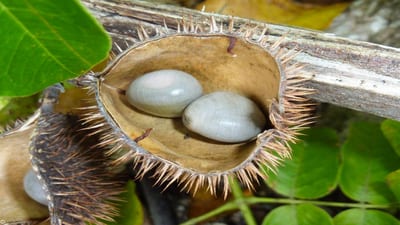
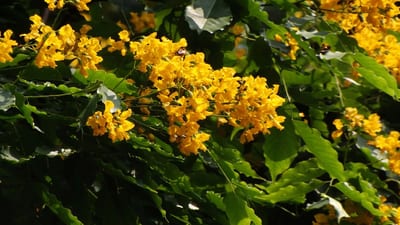
Caesalpinia hymenocarpa is a small to medium-sized tree or woody shrub, typically armed with hooked prickles along its stems and branches — a characteristic shared across the Caesalpinia genus. Its leaves are bipinnately compound, giving the canopy a feathery, delicate appearance. The tree produces yellow flowers arranged in loose terminal or axillary racemes, which bloom seasonally and attract a range of native pollinators.
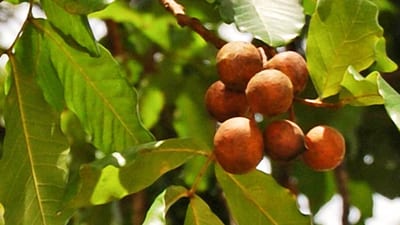
The fruit is a flat, papery pod — the "hymenocarpa" in the species name derives from the Greek for "membrane-fruited" — which is thin-walled and somewhat translucent when dry. These pods are notably lighter than those of related species, aiding wind dispersal across forest margins and scrubland.
Where does Goda Wauletiya grow in Sri Lanka?
Caesalpinia hymenocarpa is most commonly encountered in the dry lowland forests, scrub jungles, and forest edges of Sri Lanka's North Central, North Western, and Eastern provinces. It favours well-drained, often rocky or sandy soils and tolerates seasonal drought — conditions typical of habitats where species such as Acacia chundra also occur.
The species is occasionally observed around the margins of protected areas, including dry-zone national parks and forest reserves. Its tolerance of disturbed ground means it can persist in secondary vegetation and along roadsides through the island's arid interior, adapting where many less hardy species cannot.
What are the traditional uses of Caesalpinia hymenocarpa?
Like several members of the Caesalpinia genus, C. hymenocarpa has a history of use in traditional medicine and local livelihoods, though documentation specific to this species in Sri Lankan ethnobotany remains limited. The bark, pods, and seeds of related Caesalpinia species have historically been used for their tannin content — in tanning leather, dyeing fabric, and as astringent remedies in Ayurvedic and folk medicine practice.
In Sri Lanka's traditional healing systems, leguminous tree species from dry-zone forests have long been valued for their seed extracts and bark preparations. While specific clinical evidence for C. hymenocarpa is sparse, its close relatives (including Caesalpinia bonduc, known locally as Kalinda) are well documented in Sri Lankan Ayurvedic pharmacopoeia. Practitioners familiar with related species such as Pongamia pinnata often note similar ecological niches shared by these dry-zone trees.
What is the ecological role of this species?
As a nitrogen-fixing legume, Caesalpinia hymenocarpa contributes to soil fertility in nutrient-poor dry-zone environments — a function that benefits the broader plant community around it. Its flowers provide nectar for bees and small insects, and the dense, prickly growth habit offers nesting cover for birds in open scrub habitats.
The species is also relevant to discussions of dry-zone forest restoration. Leguminous pioneer species capable of establishing on degraded land are increasingly studied for their potential in ecological rehabilitation programmes, particularly in areas affected by agricultural expansion in Sri Lanka's dry lowlands. Forests within and around reserves like Wilpattu National Park harbour a range of such dry-zone flora, providing context for understanding where species like C. hymenocarpa fit within larger ecosystems.
How does Caesalpinia hymenocarpa compare with related Sri Lankan species?
| Species | Common Name | Habitat | Key Feature |
|---|---|---|---|
| Caesalpinia hymenocarpa | Goda Wauletiya | Dry lowland scrub | Thin, papery pods; hooked prickles |
| Caesalpinia bonduc | Kalinda / Fever nut | Coastal and dry zone | Hard, grey seeds used medicinally |
| Caesalpinia digyna | Wauletiya | Dry and intermediate zones | Prominent prickles; used for tannin |
Is Caesalpinia hymenocarpa of conservation concern?
Comprehensive global assessments of Caesalpinia hymenocarpa's conservation status are limited, and it has not been prominently featured in IUCN Red List evaluations for Sri Lankan flora as of recent published records. However, habitat loss in Sri Lanka's dry-zone scrubland — driven by agricultural encroachment and development — poses an indirect pressure on many such specialised plant species.
Sri Lanka's broader botanical diversity is increasingly recognised internationally, and initiatives to document and protect endemic and near-endemic dry-zone flora continue to grow. Visitors with an interest in tropical botany and biodiversity can encounter a range of such species in forest-edge habitats near established ecotourism destinations across the island.
Can travellers encounter this plant in Sri Lanka?
Caesalpinia hymenocarpa is not a prominent feature of any single tourist attraction, but observant visitors travelling through Sri Lanka's dry-zone interior — particularly on routes through the North Central Province or on game drives through areas like the Udawalawe National Park buffer zones — may encounter prickly leguminous shrubs fitting this genus along roadsides and forest margins.
For those with a specific interest in Sri Lankan ethnobotany or medicinal plants, engaging a knowledgeable local guide is the most reliable way to identify and learn about species like Goda Wauletiya in their natural context. Sri Lanka's rich botanical heritage extends well beyond its famous spices and teas, and dry-zone woodland flora offers a compelling, rarely explored dimension of the island's natural history.