

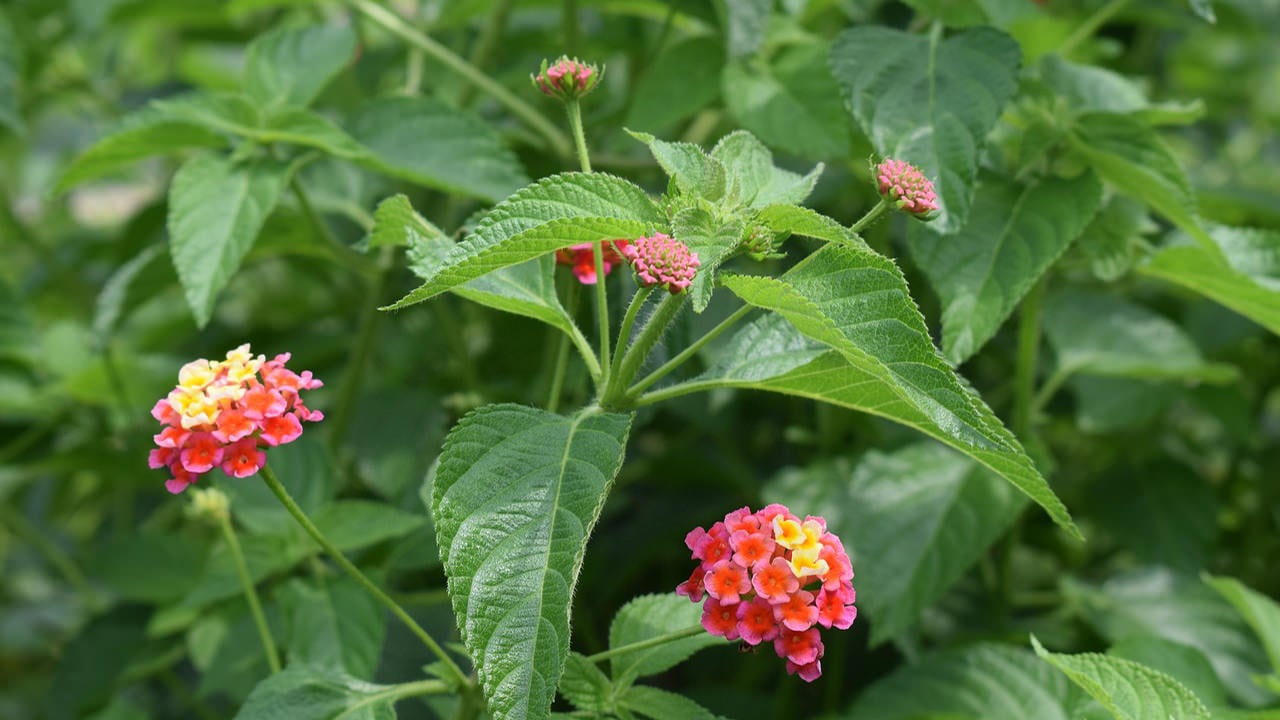


Clausena dentata, known locally as Gandapana, is a woody shrub that has established itself across Sri Lanka's landscapes — from coastal lowlands to mid-elevation scrub — since its introduction nearly a century ago. Although it bears small, fragrant flowers and berry-like fruits that attract birds and butterflies, it is now classified as an invasive species and poses a genuine ecological challenge, particularly in protected areas where native vegetation once dominated.
Where does Clausena dentata originally come from?
Clausena dentata is native to the West Indies and broader tropical South America. Introduced to Sri Lanka in 1926 through the Royal Botanic Gardens, it arrived as an ornamental garden plant. Over the following decades it escaped cultivation and naturalised with remarkable efficiency, spreading through wastelands, forest margins, abandoned chena (shifting cultivation) plots, and open areas within jungles at virtually all elevations of the island.
Today, two recognisable forms exist: the wild-growing weed common in disturbed habitats, and a cultivated variety still found in some home gardens, grown for its ornamental value.
Why is Clausena dentata considered invasive in Sri Lanka?
The plant's ability to colonise open ground rapidly, combined with its prolific seed production, makes it a persistent competitor with native species. Birds consume the ripe berries and disperse seeds widely, accelerating the spread well beyond any single site. In protected landscapes, dense thickets of Clausena dentata — often intermixed with Lantana camara, another invasive shrub — have displaced native grasses and understorey plants that wildlife depends on for grazing and browsing.
Conservation managers at Udawalawe National Park and Bundala National Park have documented significant reductions in open grazing land attributable to invasive shrub encroachment. Elephants, deer, and other large herbivores lose foraging area as these dense thickets advance into what were formerly open grasslands. Active eradication and containment programmes are ongoing in several national parks across the island.
What ecological roles does the plant play?
Despite its invasive status, Clausena dentata is not without ecological function. Its small white flowers produce nectar that supports butterflies and other pollinators. Fruit-eating birds, including bulbuls and barbets, feed heavily on the ripe berries — though this same relationship is what drives the plant's aggressive dispersal.
- Pollinators: Flowers provide nectar for multiple butterfly species and bees.
- Seed dispersers: Birds consume berries and scatter seeds across fragmented habitats.
- Negative impact: Dense stands outcompete native grasses, reducing available grazing for large mammals including elephants.
- Habitat fragmentation: Invasive thickets can disrupt wildlife movement corridors in and around protected areas.
The ecological trade-off is clear: while individual organisms benefit from the plant's resources, the community-level impact on biodiversity is predominantly negative in the Sri Lankan context.
What is the Ayurvedic significance of Clausena dentata?
Clausena dentata is catalogued as part of Sri Lanka's official list of Ayurvedic medicinal plants. Traditional practitioners have used different parts of the plant for a range of applications, drawing on the broader medicinal knowledge associated with the Clausena genus across South and Southeast Asia. The genus is recognised in Ayurvedic literature for properties including carminative, antipyretic, and antimicrobial activity, though clinical evidence for specific preparations from this species remains limited.
Its inclusion in the Ayurvedic pharmacopoeia reflects Sri Lanka's long tradition of integrating locally available flora — including naturalised species — into traditional medicine systems. Visitors interested in the intersection of Sri Lankan botany and Ayurveda may also find the Pongamia pinnata page a useful companion read, as that species similarly bridges ecological and medicinal roles in the local landscape.
How is Sri Lanka managing the spread of this invasive shrub?
Control efforts focus primarily on national parks and wildlife sanctuaries where the plant's impact on native ecosystems is most acute. Management strategies typically include:
- Manual removal: Uprooting juvenile plants before they set seed, carried out by park staff and conservation volunteers.
- Mechanical clearing: Use of machinery to clear established thickets in open grassland zones.
- Follow-up monitoring: Regular surveys to detect regrowth and prevent re-establishment from the persistent seed bank.
- Restoration planting: Replanting cleared areas with native grasses and shrubs to reduce opportunities for reinvasion.
The Department of Wildlife Conservation coordinates these efforts in partnership with international conservation bodies. Progress is ongoing but gradual, given the scale of infestation across multiple protected landscapes.
Where can Clausena dentata be observed in Sri Lanka?
The shrub is practically ubiquitous in disturbed habitats across the island and requires no special expedition to find. It is especially common along roadsides, jungle margins, scrubland edges, and former agricultural land throughout the wet zone and dry zone alike. Within national parks, it tends to concentrate in transitional zones between forest and open grassland.
Visitors exploring the dry-zone parks in the south — particularly around Udawalawe — may notice management interventions targeting Clausena dentata and Lantana alongside the more celebrated wildlife-watching opportunities. The nearby Elephant Transit Home offers context on the conservation pressures facing Sri Lanka's elephant population, including habitat loss driven partly by invasive vegetation.
Is Clausena dentata related to any other plants in Sri Lanka?
Clausena dentata belongs to the family Rutaceae — the citrus family — which also includes economically important species such as oranges, limes, and curry leaf. Within Sri Lanka's native and naturalised flora, several other Rutaceae members are ecologically and commercially significant. The genus Clausena itself encompasses around 30 species distributed across tropical Asia and Africa, with C. dentata being among the more widely naturalised outside its native range.
Another Rutaceae relative of note in Sri Lanka's botanical landscape is Acacia chundra, which, while belonging to a different family, shares the quality of being a dry-zone species with both ecological and Ayurvedic relevance — illustrating the depth of Sri Lanka's plant biodiversity even among commonly overlooked species.
Other species in this genus
1 more, sharing the same genus.
