



Cassia spectabilis, commonly known as the spectacular cassia or golden shower tree, is a fast-growing flowering tree native to tropical America that has been widely naturalised across South and Southeast Asia, including Sri Lanka. Recognised within the island's catalogue of ayurvedic medicinal plants, it occupies a modest but established place in traditional herbal medicine and has become a familiar sight along roadsides, in home gardens, and at the fringes of forest reserves.
What is Cassia spectabilis and how does it differ from other cassias?
Cassia spectabilis belongs to the family Fabaceae (subfamily Caesalpinioideae) and is closely related to other medicinally significant cassias found in Sri Lanka. The genus has undergone considerable taxonomic revision in recent decades, with many former Cassia species reclassified under the genera Senna or Chamaecrista. Cassia spectabilis, however, retains its traditional classification in most South Asian botanical references.
The tree is distinguished by its dense, upright panicles of bright yellow flowers that bloom seasonally, typically during the dry months, making it visually conspicuous. Its leaves are pinnately compound, and the pods are long, cylindrical, and dark when mature. Compared to Acacia chundra, another leguminous tree with medicinal applications in Sri Lanka, Cassia spectabilis tends to grow taller and has a broader canopy.
Where does Cassia spectabilis grow in Sri Lanka?
The tree adapts well to a range of climatic zones and thrives in both the dry and intermediate zones of Sri Lanka. It is frequently planted as a shade tree in agricultural areas, along plantation boundaries, and near village settlements. Specimens can be found in the lowland dry zone districts as well as in transitional areas approaching the wet zone.
Its tolerance for poor soils and periodic drought makes it useful for reforestation and erosion control in degraded landscapes. In certain areas near protected forests such as Sinharaja Forest Reserve, the tree appears at the margins where human land use meets natural vegetation.
What are the traditional medicinal uses of Cassia spectabilis?
Within Sri Lanka's ayurvedic tradition, various parts of the Cassia spectabilis plant are attributed with therapeutic properties. The leaves, bark, and seeds have historically been used in preparations addressing a range of conditions, though it is important to note that traditional use should not be confused with clinically validated pharmaceutical treatment.
- Leaves: Used in some traditional formulations as a mild laxative and for skin-related conditions.
- Bark: Applied in decoctions associated with fever management and general tonic preparations.
- Seeds: Occasionally incorporated into compound herbal medicines, though their use requires careful preparation due to the presence of bioactive compounds.
- Flowers: Less commonly used medicinally, though related Cassia and Senna species are well documented for their anthraquinone content, which underpins laxative properties.
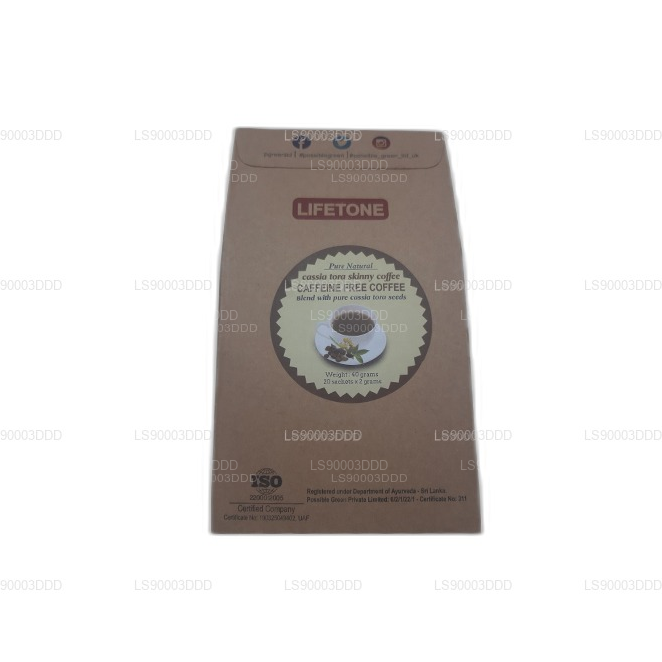
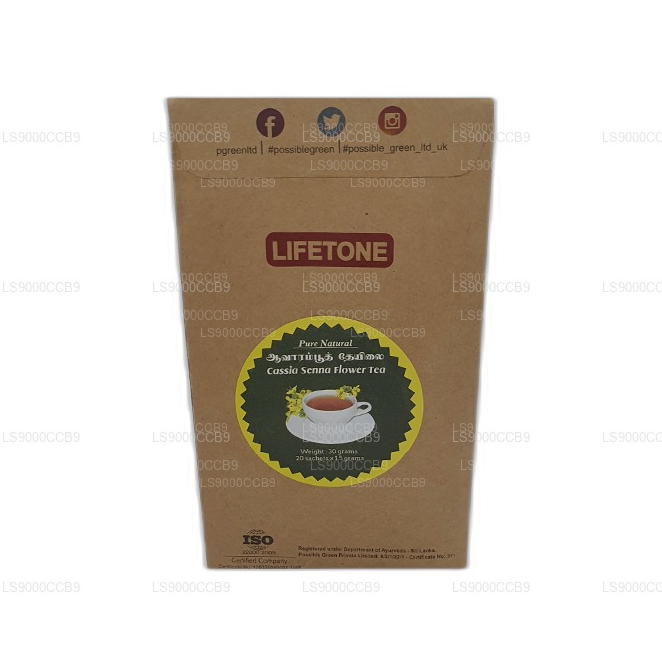
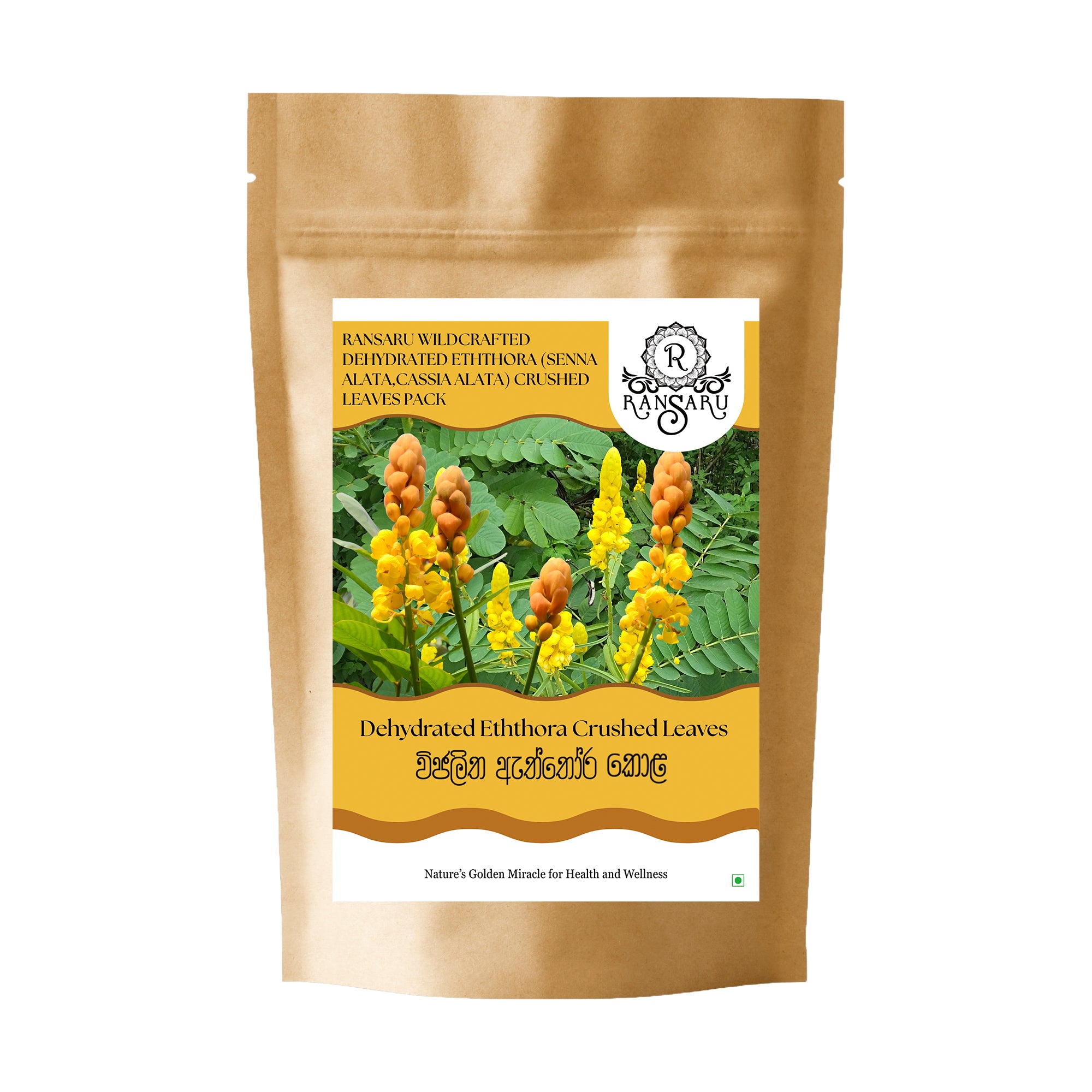
The plant shares pharmacological territory with closely related species such as Senna alata and Senna tora, which are also represented in Sri Lanka's herbal product market. Those seeking plant-based herbal teas derived from the broader Cassia-Senna family may find commercially prepared options a more standardised alternative to wild-harvested material.
What is the ecological role of Cassia spectabilis in Sri Lanka?
As a nitrogen-fixing legume, Cassia spectabilis contributes to soil fertility, making it a practical choice for agroforestry systems. Its rapid growth — it can reach several metres within a few years under favourable conditions — means it is also valued for biomass and green manure in smallholder farming contexts.
The tree's flowers attract bees and other pollinators, and its canopy provides shelter for birds and small mammals. This ecological generosity has led to its deliberate planting near cultivation areas, though its vigorous growth habit means it can become invasive in some ecosystems if not managed. Conservationists in certain regions note that it competes with native understorey vegetation when it escapes into semi-natural habitats.
How is Cassia spectabilis used in Sri Lankan agroforestry and land management?
Smallholder farmers across Sri Lanka's dry and intermediate zones have long used Cassia spectabilis as a boundary marker, windbreak, and source of green mulch. The leaves decompose relatively quickly and release nutrients, improving soil organic matter in paddy and vegetable cultivation systems. This role complements the broader tradition of integrating useful trees into agricultural landscapes — a practice visible across rural Sri Lanka from the kumbura paddy fields of the hill country to the dry-zone tank irrigation systems.
In some areas, the wood is used as a fuel source, though it is not considered premium timber. Research into its potential for bioenergy production has been conducted in several South Asian countries, given its fast growth rate and high biomass yield.
Is Cassia spectabilis safe to use as a home remedy?
Like many plants in the Cassia and Senna family, Cassia spectabilis contains anthraquinone glycosides, which can have strong physiological effects at higher doses. Traditional preparations are typically made in controlled quantities by trained ayurvedic practitioners. Self-medication using bark, leaf, or seed extracts without professional guidance is not advisable, particularly for pregnant women, children, or individuals with pre-existing digestive conditions.
Those interested in incorporating Cassia-family plants into a wellness routine are better served by standardised commercial preparations, which are subject to quality controls not available with wild-harvested material. Related products derived from Senna tora and Senna alata — both closely allied species — are available in ready-to-use herbal tea and dried leaf formats. Ayurvedic formulations more broadly, such as Yogaraja Guggulu, illustrate the depth of Sri Lanka's living herbal tradition.
What is the conservation and research status of Cassia spectabilis in Sri Lanka?
Cassia spectabilis is not considered threatened in Sri Lanka. As an introduced, naturalised species it is abundant rather than rare. Research interest centres less on conservation and more on its pharmacological profile — specifically the identification and quantification of bioactive compounds — and on managing its spread in semi-natural habitats where it can outcompete indigenous vegetation.
The Sri Lanka Ayurvedic Drugs Corporation and academic institutions such as the University of Colombo and the Institute of Indigenous Medicine have periodically documented the plant as part of broader inventories of the island's medicinal flora. Its inclusion in official catalogues underscores its recognised, if secondary, status within the ayurvedic pharmacopoeia.
Other species in this genus
10 more, sharing the same genus.