



Cassia absus is a small annual or short-lived perennial herb that holds a recognised place in the Ayurvedic medicinal plant catalogue of Sri Lanka. Known across South and Southeast Asia for its therapeutic applications, this modest leguminous plant has been used in traditional healing systems for centuries, valued for its seeds, leaves, and other plant parts in the treatment of various conditions.
What is Cassia absus and where does it grow in Sri Lanka?
Cassia absus belongs to the family Fabaceae (subfamily Caesalpinioideae) and is closely related to other medicinally important Cassia species found across the island. It typically grows as a roadside herb, a field weed, or a plant of disturbed ground, thriving in warm, dry to seasonally dry lowland areas. In Sri Lanka, it can be found in the dry and intermediate zones, where traditional Ayurvedic practitioners have long incorporated it into their materia medica.
The plant reaches a modest height, usually between 30 and 60 centimetres, and bears pinnate leaves, small yellow flowers, and flat seed pods. Its seeds, in particular, are considered the most pharmacologically active part of the plant in classical Ayurvedic texts.
What are the traditional Ayurvedic uses of Cassia absus?
In traditional Ayurvedic and Unani medicine, Cassia absus seeds — sometimes called chaksu — are primarily associated with the treatment of eye disorders. Practitioners have historically prepared seed pastes or washes to address conditions such as conjunctivitis and other inflammatory eye ailments. The seeds are also cited in some traditions for their antifungal and antimicrobial properties.
- Ophthalmic applications: Seed preparations used externally for eye inflammation and infections.
- Antimicrobial properties: Extracts studied for activity against certain bacterial and fungal strains.
- Anti-inflammatory action: Traditionally used to reduce localised inflammation.
- Skin conditions: Leaf or seed preparations applied in some traditions to treat skin irritations.
It is worth noting that traditional uses should not be taken as medical advice, and any therapeutic application should be undertaken only under the guidance of a qualified Ayurvedic or medical practitioner.
How does Cassia absus fit into Sri Lanka's broader Ayurvedic tradition?
Sri Lanka's Ayurvedic heritage is deeply rooted in the island's ecology. The country's diverse climatic zones — from coastal lowlands to highland forests — have made it a natural repository of medicinal plants, many of which feature in classical Sinhala and Sanskrit medical texts. Cassia absus sits within a broader family of Cassia and Senna species that are well represented in Sri Lankan traditional medicine.
Related species such as Acacia chundra also appear in the island's Ayurvedic pharmacopoeia, reflecting the rich interconnection between Sri Lanka's forests, agricultural landscapes, and traditional healing knowledge. Institutions such as the Department of Ayurveda, functioning under the Sri Lankan government, maintain records of indigenous medicinal plants including Cassia absus as part of efforts to preserve and codify this living tradition.
Herbal preparations derived from Cassia-family plants are similarly celebrated in wider wellness contexts. Consumers interested in plant-based wellness products will find related offerings in Sri Lanka's growing herbal product sector, which draws on this ancient pharmacological knowledge.
What does modern research say about Cassia absus?
Scientific investigations into Cassia absus have explored its phytochemical composition, with researchers identifying compounds including flavonoids, alkaloids, and tannins within the seeds and other plant parts. Laboratory studies have examined potential antimicrobial and anti-inflammatory activity, offering some basis for understanding the traditional applications described in Ayurvedic texts.
However, clinical research in humans remains limited, and the plant is not widely used in modern pharmaceutical formulations outside of traditional medicine contexts. Researchers and ethnobotanists continue to study Cassia absus as part of broader surveys of South Asian medicinal flora, and it is listed in several regional pharmacopoeias and ethnobotanical databases.
Is Cassia absus the same as other Cassia species?
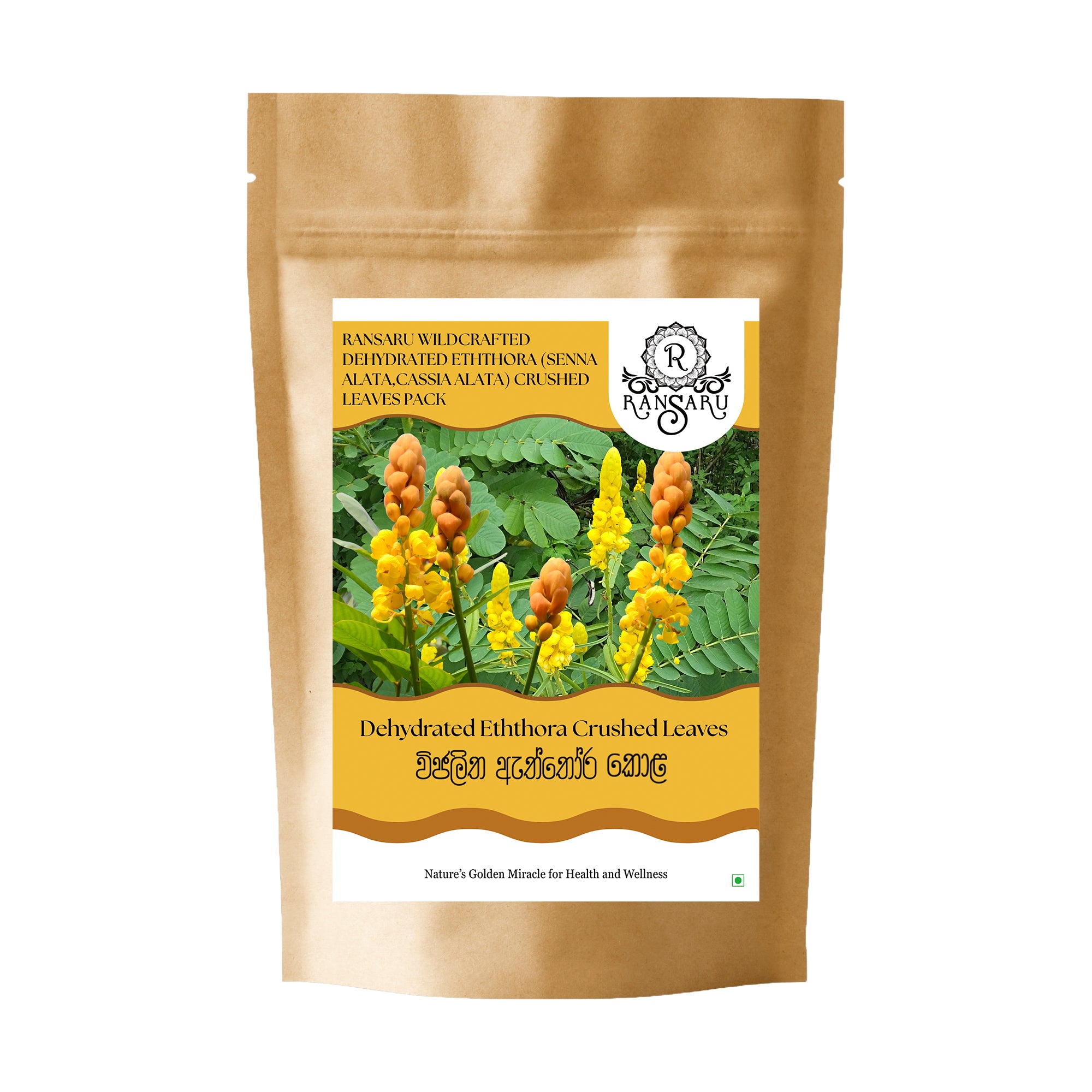
Cassia absus is distinct from more commonly known relatives such as Senna alata (formerly Cassia alata) or Cassia senna, though all belong to the same broad botanical family and share some overlapping traditional uses. The genus Cassia has undergone significant taxonomic revision in recent decades, with many species reclassified under the genera Senna or Chamaecrista. Cassia absus itself is sometimes placed under the name Chamaecrista absus in updated botanical classifications, though both names remain in use across different references.
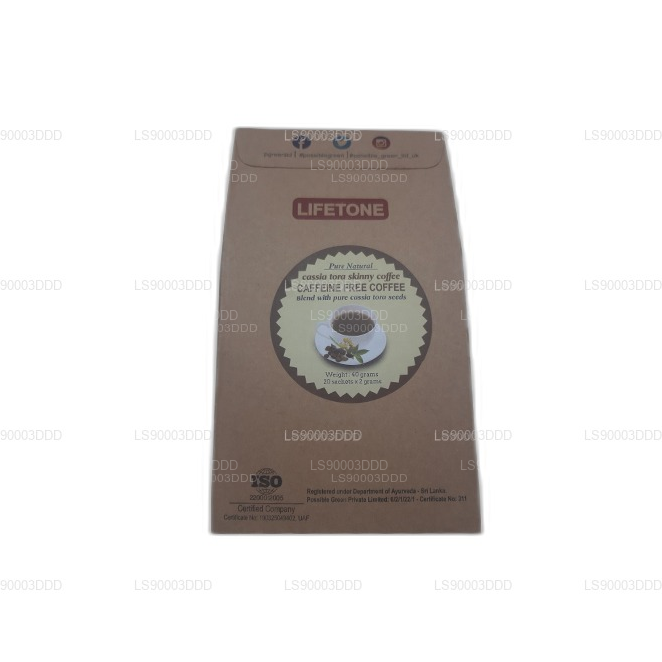
Travellers interested in Sri Lanka's herbal traditions may also encounter products derived from related species, including those based on Cassia tora or Cassia senna, which are available through local Ayurvedic practitioners, herbal shops, and wellness-oriented product lines.
Can visitors learn about Ayurvedic plants while travelling in Sri Lanka?
Sri Lanka offers genuinely immersive opportunities to engage with its Ayurvedic botanical heritage. Spice and herbal gardens, particularly in the Kandy, Matale, and Galle regions, introduce visitors to dozens of medicinal plants — many of which, like Cassia absus, form part of the country's traditional healing canon. Dedicated Ayurvedic centres and wellness retreats also incorporate plant knowledge into their programmes.
For those exploring the country's natural heritage more broadly, reserves such as the Sinharaja Forest Reserve provide context for understanding the ecological conditions that have allowed such a rich medicinal flora to develop and persist across Sri Lanka's landscapes.
Other species in this genus
10 more, sharing the same genus.