



Cassia fistula — commonly called the Golden Shower tree — is one of the most recognisable flowering trees in Sri Lanka and across tropical Asia. Its long, pendulous racemes of bright yellow blossoms appear seasonally, transforming roadsides, temple gardens, and forest edges into vivid corridors of colour. Beyond its ornamental appeal, the tree holds a well-established place in the Ayurvedic medicinal tradition of the island, where virtually every part — bark, leaves, fruit pulp, seeds, and roots — has a documented therapeutic application.
What is Cassia fistula and why is it significant in Sri Lanka?
Cassia fistula belongs to the family Fabaceae (subfamily Caesalpinioideae) and is native to the Indian subcontinent and South-East Asia. In Sri Lanka it is known as Ehela in Sinhala and is listed among the classical Ayurvedic medicinal plants catalogued by the Ministry of Indigenous Medicine. The tree is found across the dry and intermediate zones of the country, thriving in disturbed forest margins, ancient temple precincts, and cultivated gardens alike.
The species is also the national tree of Thailand, which underscores its cultural weight throughout the region. In Sri Lanka it is closely associated with Esala Perahera season, when its blossoms often coincide with the country's most important Buddhist procession.
What are the traditional Ayurvedic uses of Cassia fistula?
In classical Ayurvedic texts, Cassia fistula is categorised under the group of plants used as mild laxatives and purifying agents. The fruit pulp — a dark, sticky substance found inside the long cylindrical pods — is the part most commonly used in formulations. It is considered cooling in nature (sheeta virya) and is applied in treatments related to constipation, fever reduction, and skin disorders.
- Fruit pulp: Used as a gentle laxative; commonly incorporated in compound Ayurvedic preparations for habitual constipation.
- Leaves and bark: Preparations from the leaves and bark are used in traditional formulations targeting skin infections, rheumatic conditions, and inflammatory complaints.
- Roots: Root decoctions appear in classical texts as treatments for febrile conditions and urinary complaints.
- Flowers: Flower extracts are used in some regional traditions for their mild antipyretic properties.
It is worth noting that while these uses are well documented in classical literature and in the practice of Sri Lankan Ayurvedic physicians, they should not be self-administered without guidance from a qualified practitioner. The plant's laxative compounds — primarily anthraquinone glycosides — are potent, and dosage matters significantly.
How does Cassia fistula fit into Sri Lanka's broader medicinal plant tradition?
Sri Lanka's Ayurvedic pharmacopoeia is one of the richest in Asia, shaped by centuries of trade, royal patronage, and ecological diversity. Cassia fistula sits alongside other important species such as Acacia chundra and Pongamia pinnata in this canon, each with distinct therapeutic profiles that complement one another in compound formulations.
The island's varied ecosystems — from the wet lowland rainforests of Sinharaja Forest Reserve to the dry zone scrub forests around the ancient cities — support an unusually wide range of medicinal flora. Cassia fistula is particularly well adapted to the dry zone, where it grows alongside teak, ironwood, and satinwood in seasonal forests.
Traditional knowledge of these plants is transmitted through family lineages of veda mahattayas (indigenous physicians) and increasingly documented by the Sri Lanka Ayurvedic Drugs Corporation and academic institutions. Several universities in Sri Lanka now conduct pharmacological research into bioactive compounds isolated from Cassia fistula, including studies on its antimicrobial, antifungal, and hepatoprotective properties.
Where can you see Cassia fistula growing in Sri Lanka?
The tree is not restricted to any single region. Travellers are likely to encounter it flowering along the roads leading into the Cultural Triangle, in the grounds of ancient temples at Polonnaruwa, and in the dry-zone national parks. It tends to flower most profusely toward the end of the dry season — roughly between March and May — when leafless branches become almost entirely covered in yellow blossoms, making it hard to miss even from a moving vehicle.
In urban settings, Cassia fistula is planted as a shade and ornamental tree in parks, university campuses, and along boulevards in Colombo and Kandy. The pods, which can reach 30–60 cm in length, remain on the tree for months after the flowers fade, giving the tree a distinctive silhouette even out of season.
What does current research say about Cassia fistula's medicinal properties?
Modern pharmacological studies have largely supported the traditional uses attributed to this plant, while also identifying new areas of interest. Researchers have isolated compounds including fistulic acid, oxyanthroquinones, flavonoids, and tannins from various parts of the tree.
- Antimicrobial activity: Extracts from leaves and bark have demonstrated inhibitory effects against a range of bacterial and fungal pathogens in laboratory settings.
- Antioxidant properties: Flavonoid-rich fractions show significant free-radical scavenging activity, supporting the plant's traditional use in inflammatory conditions.
- Laxative mechanism: The anthraquinone glycosides in the fruit pulp act on the large intestine, stimulating peristalsis — consistent with the classical Ayurvedic application.
- Hepatoprotective effects: Some studies suggest that Cassia fistula extracts may offer liver-protective benefits, though clinical evidence in humans remains limited.
These findings have renewed commercial interest in the plant and have contributed to its inclusion in several modern Ayurvedic and herbal supplement products available in Sri Lanka's wellness market.
How is Cassia fistula distinguished from related Cassia species?
The genus Cassia (in its broad sense) includes several species found in Sri Lanka, and confusion between them is common. Cassia fistula is most readily identified by the combination of its exceptionally long cylindrical pods, its large pinnate leaves, and the pure yellow colour of its flowers arranged in drooping clusters.
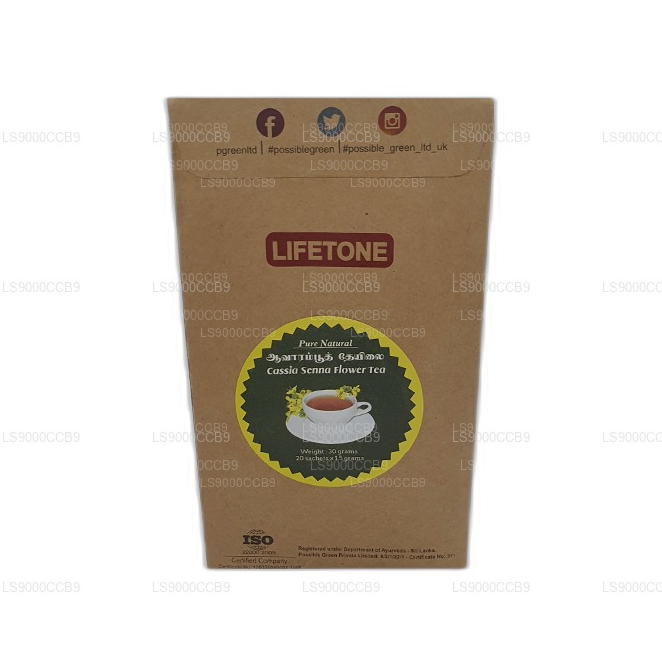
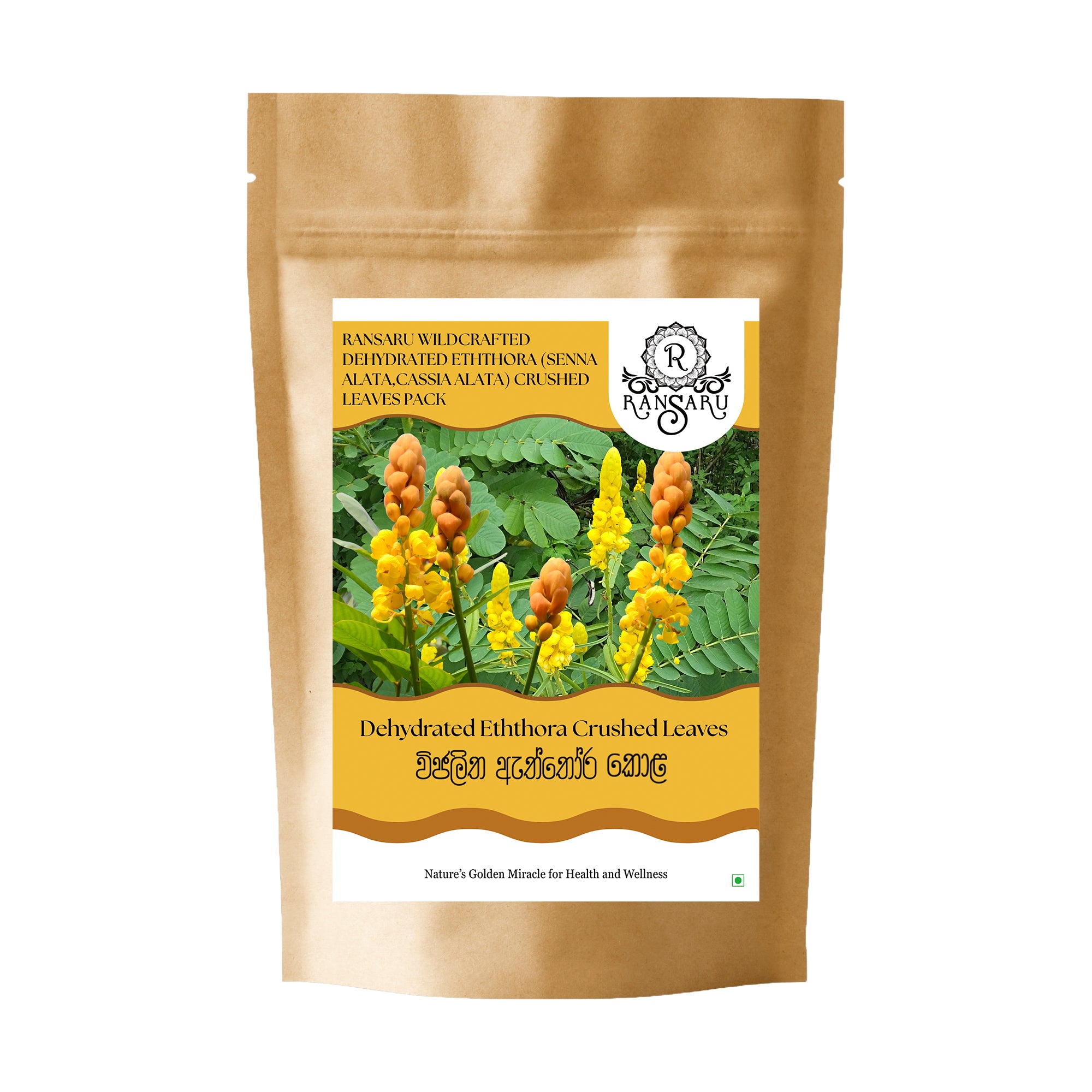
Related species encountered in Sri Lanka include Senna alata (formerly Cassia alata, known locally as Aththora), a shrub used specifically for fungal skin conditions, and Senna tora (formerly Cassia tora), a smaller plant used in traditional coffee substitutes and digestive preparations. Each has a distinct application profile, and practitioners are careful not to substitute one for another in formulations.
Can travellers experience Sri Lanka's Ayurvedic plant heritage firsthand?
Several Ayurvedic resorts and village-based wellness experiences around the island offer guided walks through medicinal plant gardens, where species like Cassia fistula are identified and explained in context. The clove and spice traditions of the wet zone complement the dry-zone medicinal tree heritage, giving visitors a layered understanding of Sri Lanka's botanical knowledge systems. For those interested in indigenous plants alongside broader nature experiences, the dry-zone national parks and heritage city circuits provide natural opportunities to observe Cassia fistula in its native habitat.
Other species in this genus
10 more, sharing the same genus.