
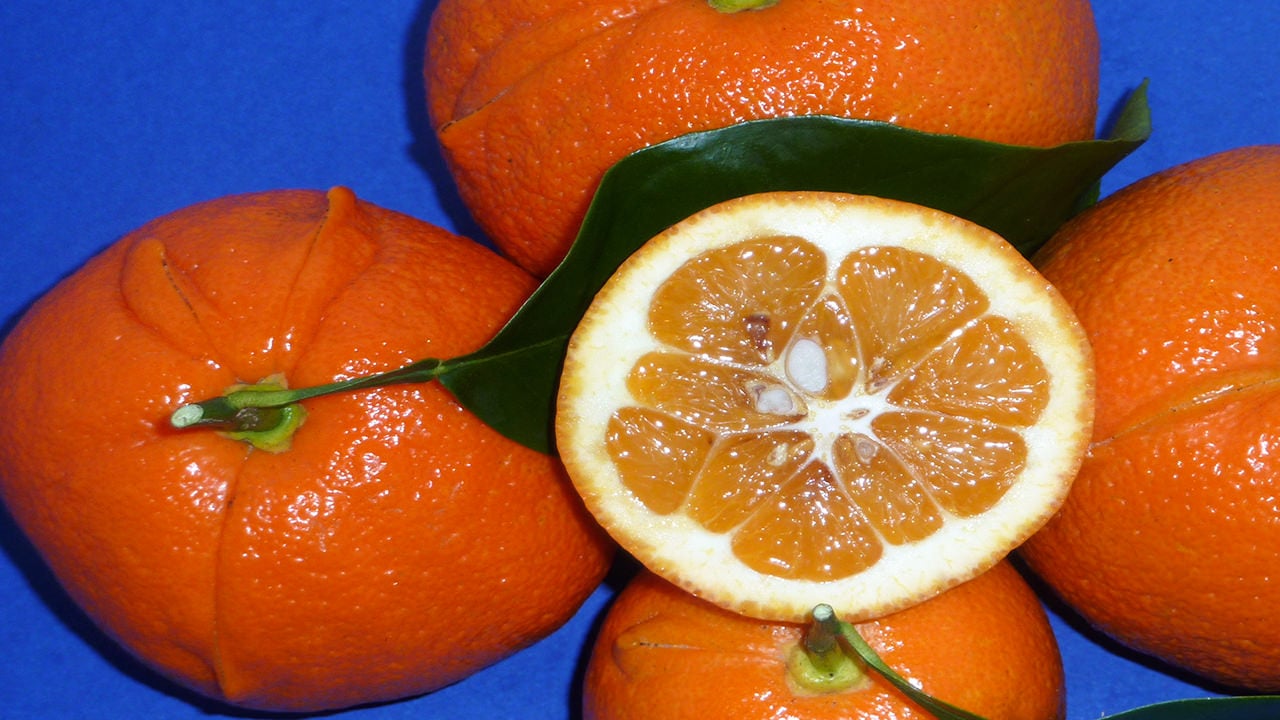
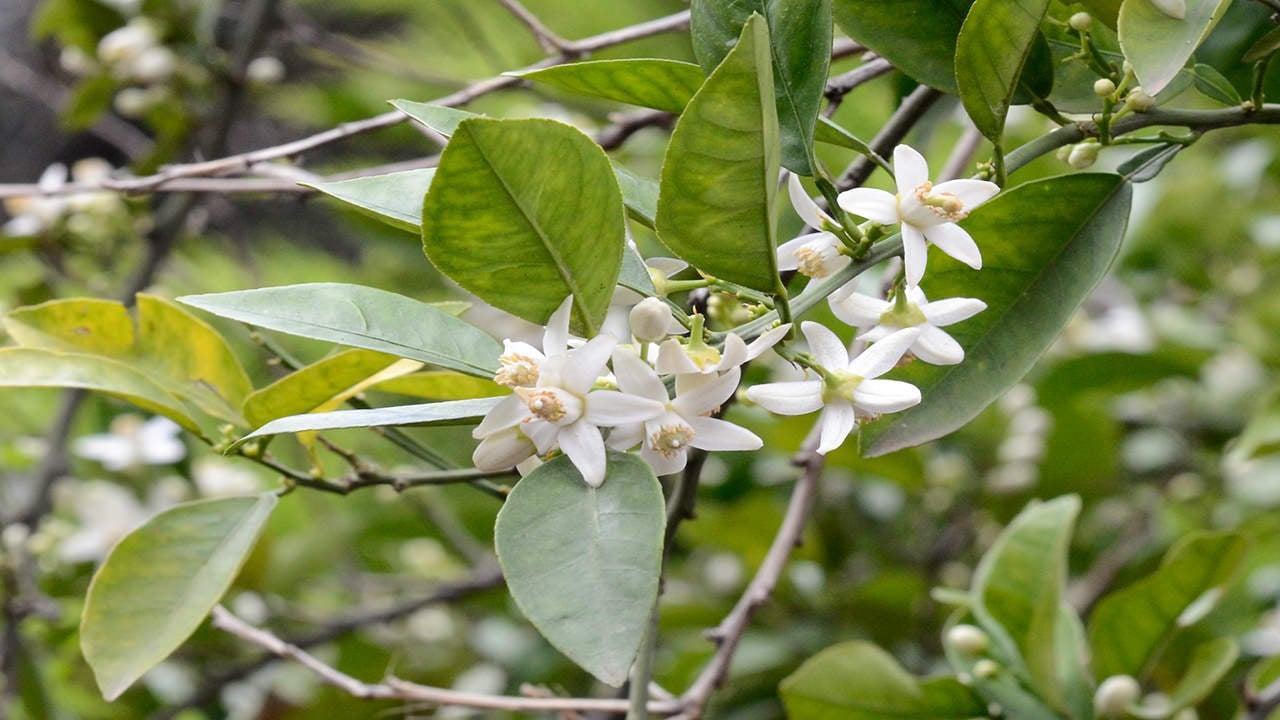
Citrus aurantium, commonly known as the bitter orange or sour orange, is a small citrus tree cultivated across tropical and subtropical regions, including Sri Lanka. Known locally as ඇඹුල් දොඩම් (Embul Dodam), it is valued less for its eating quality and more for its sharp, aromatic juice and its long-standing role in traditional medicine. Unlike its sweeter relatives, this species has a distinctly sour profile that makes it a poor table fruit but an exceptionally useful plant in culinary, therapeutic, and botanical contexts.
What is Citrus aurantium and how does it differ from sweet orange?
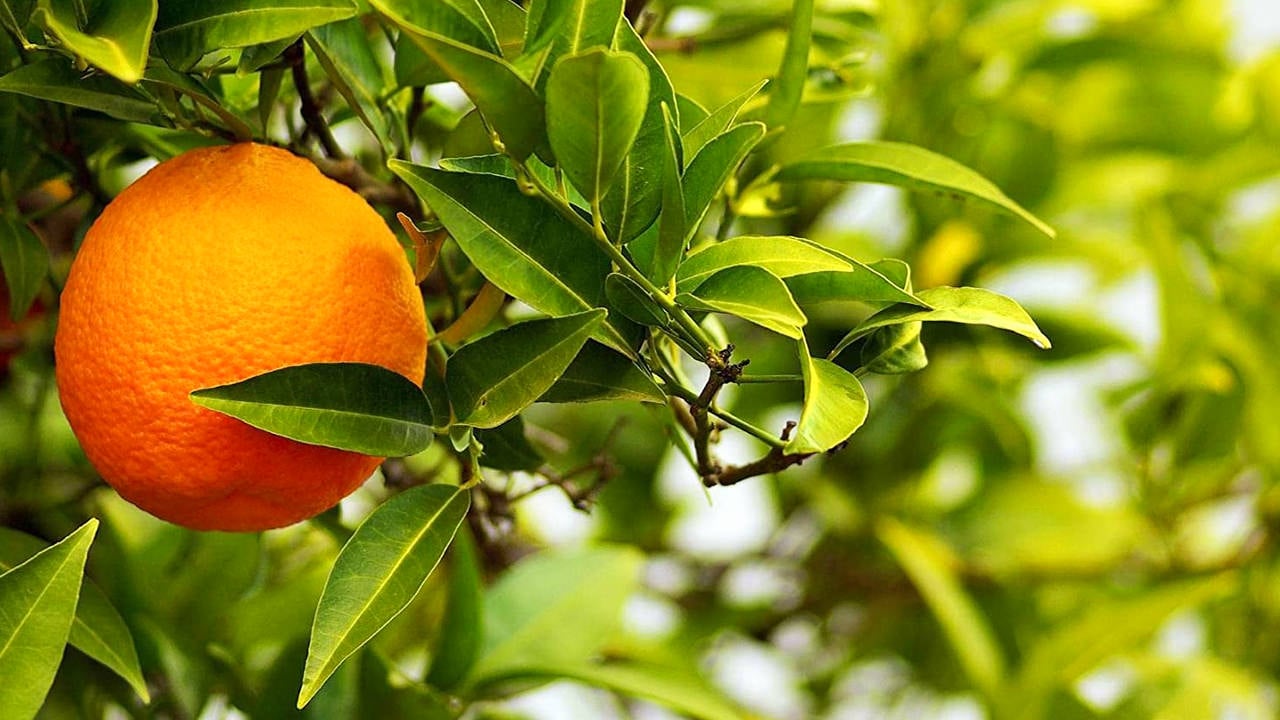
Citrus aurantium belongs to the family Rutaceae and is classified under several scientific synonyms, including Aurantium × acre Mill., Aurantium × humile Mill., and Aurantium × orientale Mill. The tree grows to around 10 metres in height. Its branchlets are angular when young, and it bears spines typically between 5 and 8 centimetres long — a notable structural difference from the more commonly cultivated sweet orange (Citrus sinensis).
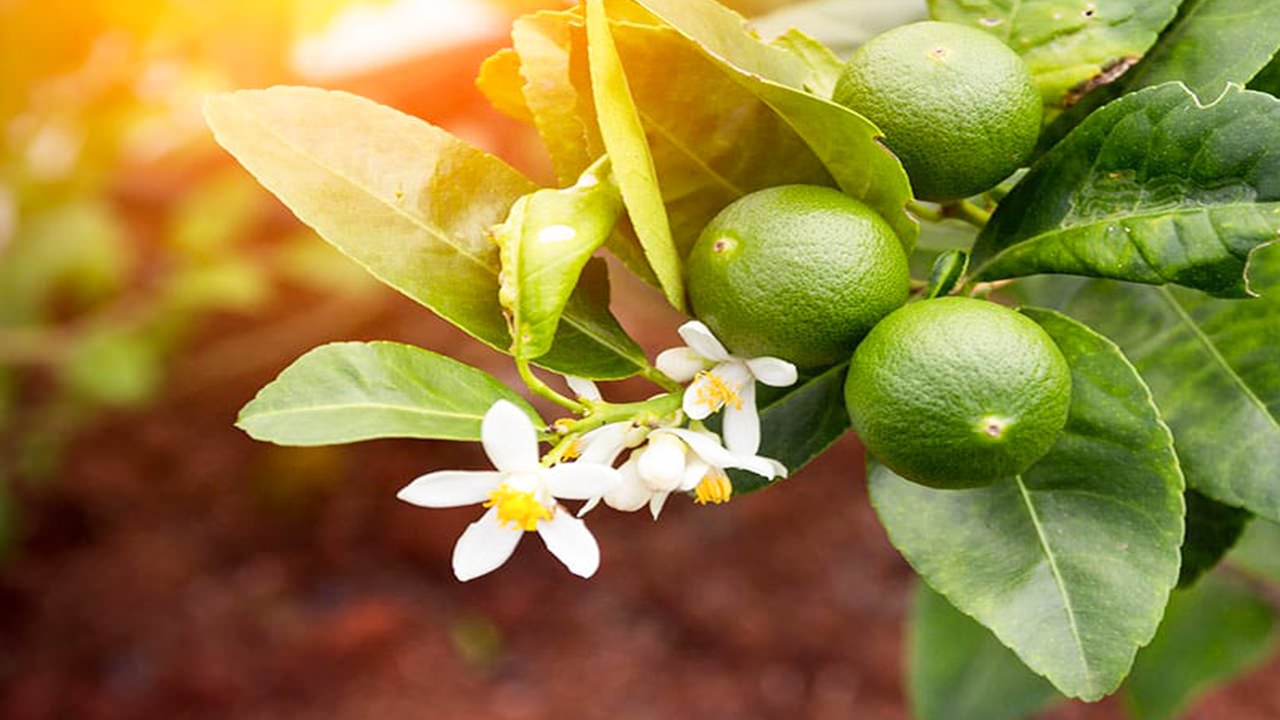
The leaves are ovate with petioles roughly 2 to 3 centimetres long. Flowers are large and notably fragrant, appearing in axillary clusters. The fruit is subglobose in shape, greenish-yellow at maturity, with very sour juice, numerous seeds, and a centre that becomes hollow as the fruit matures. This hollow interior is a key identifying feature of mature specimens.
What are the common names for Citrus aurantium across languages?
The bitter orange carries different names depending on region and tradition:
- English: Bitter Orange, Sour Orange, Seville Orange
- Sinhala: ඇඹුල් දොඩම් (Embul Dodam)
- Tamil: Narankai, Charukkarainarattai
- Sanskrit: Jambira, Nagaranga
The Seville orange name reflects its historical importance in southern Spain, where the fruit was cultivated for marmalade production and perfumery — uses that parallel some of its traditional Sri Lankan applications.
Where is Citrus aurantium grown in Sri Lanka?
Citrus aurantium is found only under cultivation in Sri Lanka — it does not occur naturally in the wild within the island. It tends to thrive in the warm lowland and mid-elevation regions where citrus cultivation is practised alongside other tropical species. The tree is sometimes found growing near home gardens and small-scale agricultural plots rather than in large commercial orchards, as demand for bitter orange is more specialised than for sweeter citrus varieties.
For those interested in Sri Lanka's rich agricultural biodiversity, a visit to a working fruit farm such as Midigama Fruit Farm offers a useful introduction to the range of tropical fruits cultivated on the island, including citrus species.
What are the traditional medicinal uses of Citrus aurantium?
In Ayurvedic and traditional Sri Lankan medicine, the fruit of Citrus aurantium has been used as a remedy for several conditions. The following are the principal recorded therapeutic applications:
- Inflamed glands and tonsils — the fruit's astringent and anti-inflammatory properties have made it a traditional remedy for throat and glandular inflammation.
- Chronic cough — the juice is used to help soothe persistent coughs, typically in combination with other herbal preparations.
- Scorbutic conditions — as a source of vitamin C, the fruit has historically been used to address symptoms of scurvy (a scorbutic condition caused by vitamin C deficiency).
The parts used in treatment are primarily the fruit and its juice. Medicinally, the fruit is classified as a diaphoretic (promoting perspiration) and a purgative (aiding in intestinal clearance). These dual properties make it useful in detoxification protocols within traditional medicine frameworks.
How is Citrus aurantium used beyond traditional medicine?
Beyond its medicinal role, the bitter orange has applications across several industries globally. The peel is rich in essential oils — particularly limonene and linalool — and is used in the production of perfumes, liqueurs, and flavouring agents. The peel oil is also a key ingredient in some formulations of the Ayurvedic therapeutic tradition.
In culinary contexts, the sour juice is used as an acidulating agent in cooking and marinades, functioning similarly to tamarind or vinegar in certain recipes. The aromatic flower is also distilled to produce neroli oil, one of the most prized essential oils in perfumery. These wider uses reflect the remarkable versatility of a tree that, at first glance, appears too sour to be of much practical value.
Sri Lanka's broader tradition of working with aromatic and medicinal plants — including species like Syzygium aromaticum (clove) — reflects a deep-rooted knowledge system that treats plants as holistic resources rather than single-purpose crops.
What are the botanical characteristics of the Citrus aurantium tree?
A summary of key botanical features for identification and reference:
| Feature | Detail |
|---|---|
| Family | Rutaceae |
| Height | Up to 10 metres |
| Spine length | 5–8 cm |
| Leaf shape | Ovate |
| Petiole length | 2–3 cm |
| Flower | Large, sweetly fragrant, axillary |
| Fruit shape | Subglobose |
| Fruit colour | Greenish-yellow at maturity |
| Juice | Very sour |
| Seeds | Numerous |
| Distribution in Sri Lanka | Cultivated only; not wild |
How does Citrus aurantium relate to Ayurvedic practice in Sri Lanka?
Sri Lanka maintains a living tradition of Ayurvedic medicine, and Citrus aurantium fits within a broader pharmacopoeia of fruits, resins, and plant parts used in traditional formulations. Its diaphoretic properties align with Ayurvedic approaches to fever management, while its purgative qualities are incorporated into preparations designed to support digestive health and systemic cleansing.
Traditional Ayurvedic compounds often combine multiple plant sources to achieve balanced therapeutic effects. Other botanicals with related medicinal profiles found in Sri Lankan tradition include Acacia chundra, which is similarly valued for its astringent and anti-inflammatory properties. Understanding individual species like Citrus aurantium within this broader context makes clear why Sri Lanka's plant heritage is considered one of the richest in South Asia.
Is Citrus aurantium safe to consume?
The fruit and juice of Citrus aurantium have a long history of consumption and traditional use. However, standardised extracts of bitter orange — particularly those containing synephrine, a compound found in the peel and rind — have attracted attention in the context of dietary supplements, where they are sometimes used as stimulants. Anyone considering therapeutic use of concentrated bitter orange extracts, particularly in supplement form, should consult a qualified healthcare practitioner. Culinary use of the juice and peel in moderate quantities is generally considered safe and is widely practised in traditional cooking and food preparation across the tropics.
Related reading
7 pages on closely related subjects.