

Acronychia pedunculata, known locally as Ankenda (ඇංකෙන්ද), is a small native tree belonging to the family Rutaceae. Found across the lowland and mid-elevation forests of Sri Lanka, it carries considerable importance in traditional Ayurvedic and folk medicine, where its leaves, bark, flowers, and roots are all put to therapeutic use. Beyond medicine, its wild fruits are edible, making it one of those quietly versatile forest species that rewards closer attention.
What are the key botanical characteristics of Acronychia pedunculata?
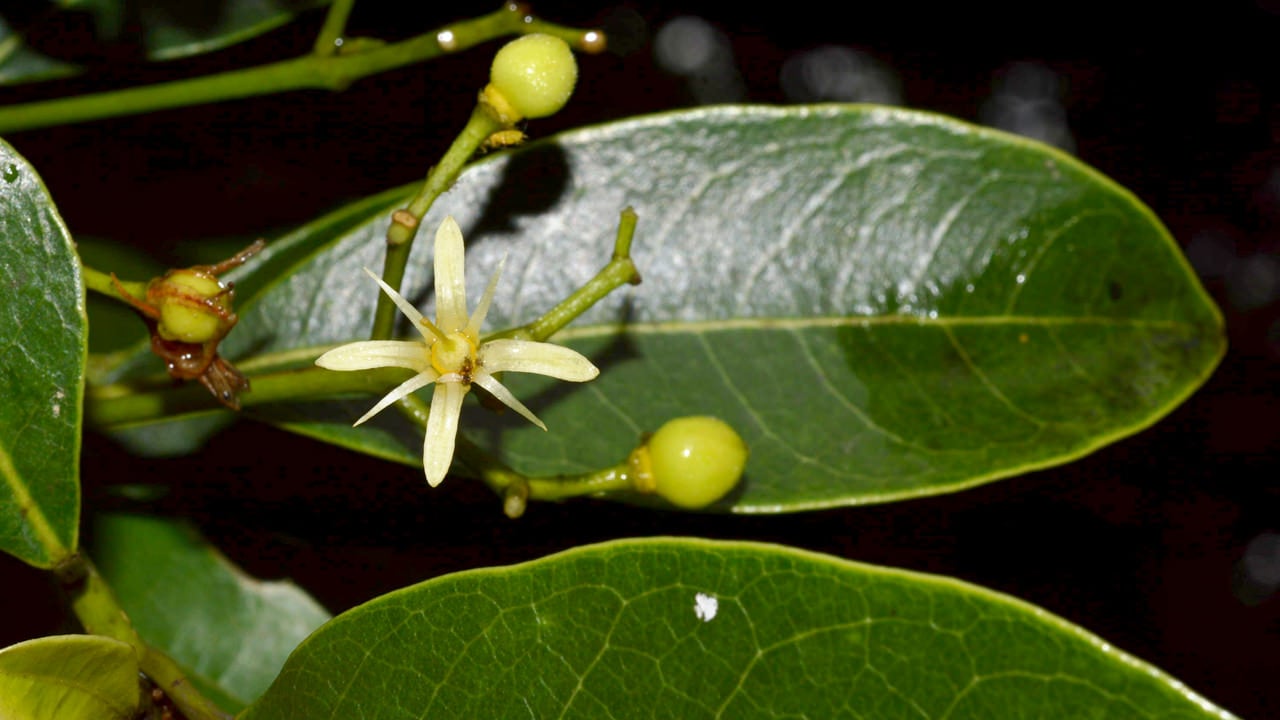
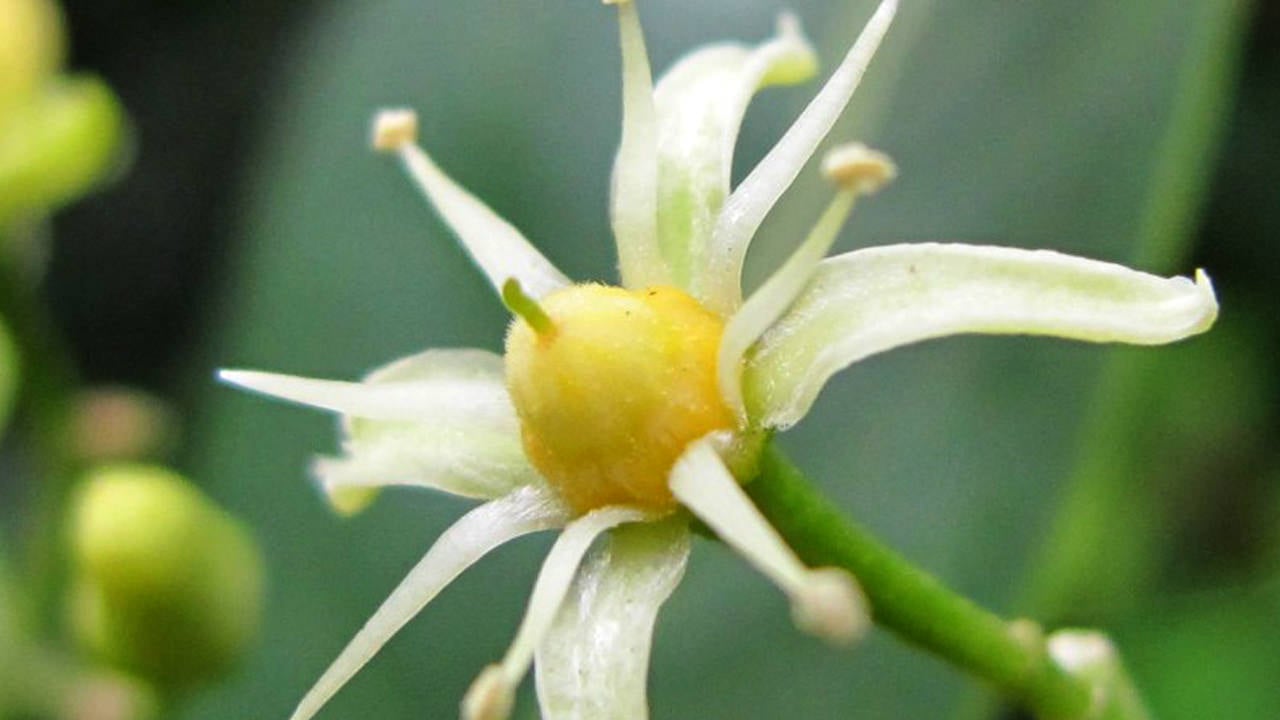
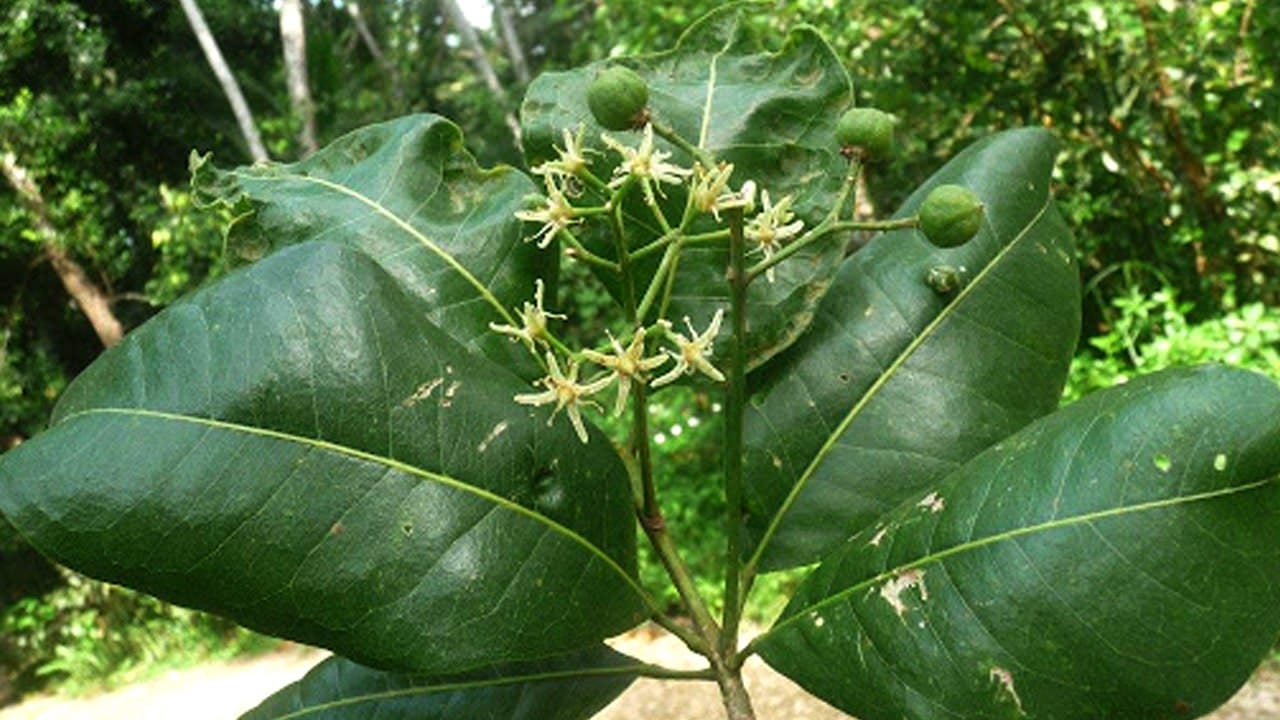
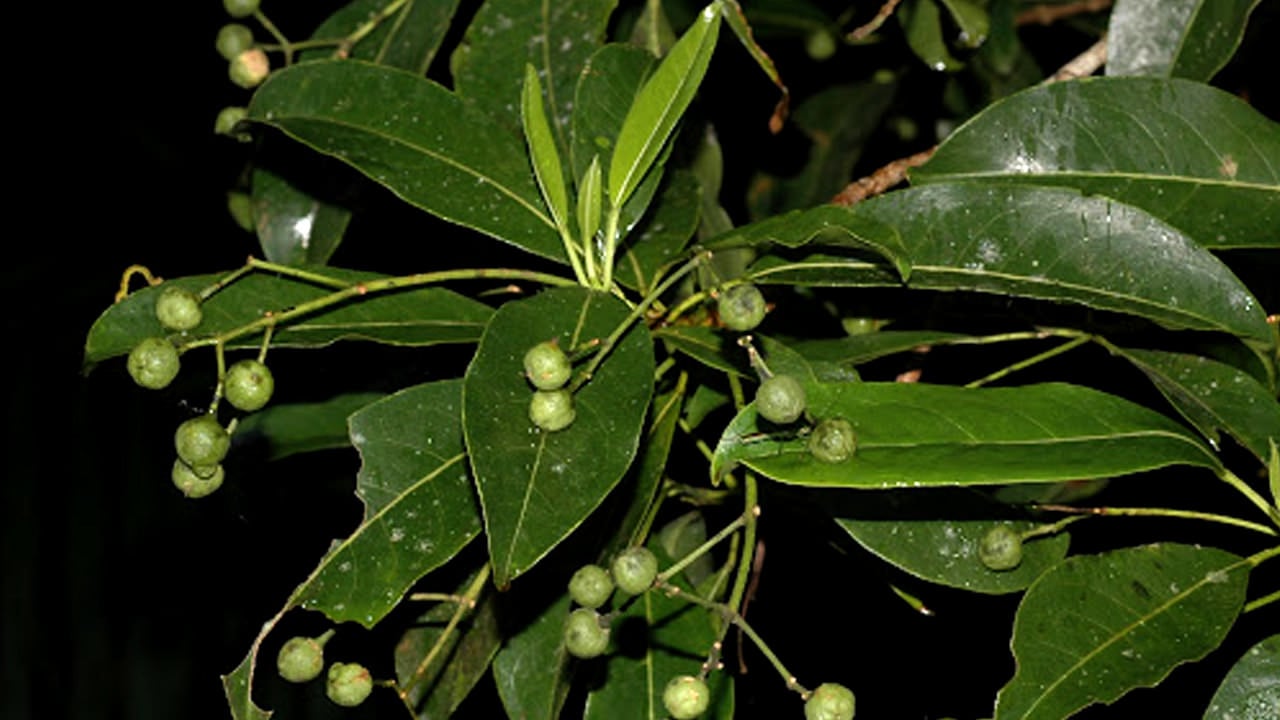
Acronychia pedunculata is a small to medium-sized tree with simple leaves. The petiole reaches up to 5 cm in length, and the leaf blades range from 3.5 to 24 cm long and 2 to 8 cm wide, with 3 to 7 pairs of lateral nerves. The inflorescences are typically 4 to 20 cm long and bear greenish-white flowers measuring mostly 8 to 11 mm in length, occasionally reaching up to 13 mm.
The fruits are cream to tawny in colour, drying to brown at maturity. The endocarp is thin, and seeds measure between 3 and 7 mm in length. The tree is also recorded under the scientific synonyms Acronychia arborea Blume and Acronychia apiculata Miq.
| Attribute | Detail |
|---|---|
| Family | Rutaceae |
| English name | Claw Flowered Laurel |
| Sinhala name | Ankenda (ඇංකෙන්ද) |
| Tamil name | Muttanari |
| Sanskrit name | Ankota |
| Distribution status | Native to Sri Lanka |
| Edible parts | Fruit (wild fruit) |
| Parts used medicinally | Leaves, bark, flowers, roots |
Where does Acronychia pedunculata grow in Sri Lanka?
The species is native to Sri Lanka and occurs naturally in secondary forests, forest margins, and disturbed lowland areas across the island. It tends to favour humid conditions and is associated with the wet and intermediate zones. Forests such as Sinharaja Forest Reserve provide the kind of dense, moist canopy environment where species like Acronychia pedunculata thrive alongside other endemic and indigenous flora.
The tree also appears in home gardens and village compounds, where communities retain it specifically for its medicinal value — a common pattern with Ayurvedic species that have been integrated into agrarian landscapes over centuries.
What are the traditional medicinal uses of Ankenda?
In Sri Lankan traditional medicine and Ayurveda, Acronychia pedunculata is considered effective against a range of conditions. The tree is classified as a plant that reduces the aggravation of vatha, kapha, and dosha — the three bodily humours central to Ayurvedic diagnosis — and is also noted as a purgative agent.
Different parts of the tree are used for different complaints:
- Oedema (fluid retention): preparations from the plant are used to reduce swelling
- Fractures and bruises: topical applications of bark or leaf preparations support healing
- Sores and ulcers: the plant has long been applied externally to promote wound healing
- Skin diseases and scabies: bark and leaf extracts are applied to affected skin
- Gastric pains: internally, the plant is used to ease digestive discomfort
This breadth of application across both internal and external complaints reflects the multi-part utility of the tree: leaves and flowers tend to feature in topical preparations, while bark and root extracts are more commonly used for systemic treatments.
How does Acronychia pedunculata relate to other medicinal plants in Sri Lanka?
Sri Lanka's pharmacopeia of medicinal trees is extensive, shaped by millennia of Ayurvedic practice and the island's extraordinary biodiversity. Acronychia pedunculata sits alongside other well-documented Rutaceae species and shares the landscape with important medicinal and economic trees such as Pongamia pinnata and Acacia chundra, all of which play roles in traditional healing systems. Similarly, spices with documented pharmacological properties, like Ceylon black pepper, are part of the same integrated tradition of plant-based medicine that recognises Ankenda's therapeutic value.
The Sanskrit name Ankota suggests a knowledge tradition that extends beyond Sri Lanka into the broader South Asian Ayurvedic canon, indicating that this species was documented and utilised across historical trade and scholarship networks.
Is the fruit of Acronychia pedunculata edible?
Yes, the fruit is classified as a wild edible. The fruits mature from cream to a tawny colour before drying to brown, and are typically small. They are not widely commercialised and are more often consumed opportunistically by foragers and forest communities than cultivated as a food crop. As with many wild fruits in Sri Lanka's forest ecosystems, they form part of the broader subsistence food landscape rather than the formal agricultural economy.
What is the conservation and ecological significance of this species?
As a native species, Acronychia pedunculata contributes to the ecological fabric of Sri Lanka's lowland and secondary forests. It provides fruit for wildlife, and its presence in forest understorey habitats supports biodiversity. The continued documentation of such species — both their distribution and their traditional uses — matters for conservation planning, particularly as secondary forests face pressure from land conversion.
For travellers visiting Sri Lanka with an interest in ethnobotany or traditional medicine, guided experiences in forest reserves and wetland environments offer opportunities to encounter trees like Ankenda in their natural context. Sri Lanka's forests hold a remarkable density of medicinal species, many of which remain understudied outside of Ayurvedic practice.