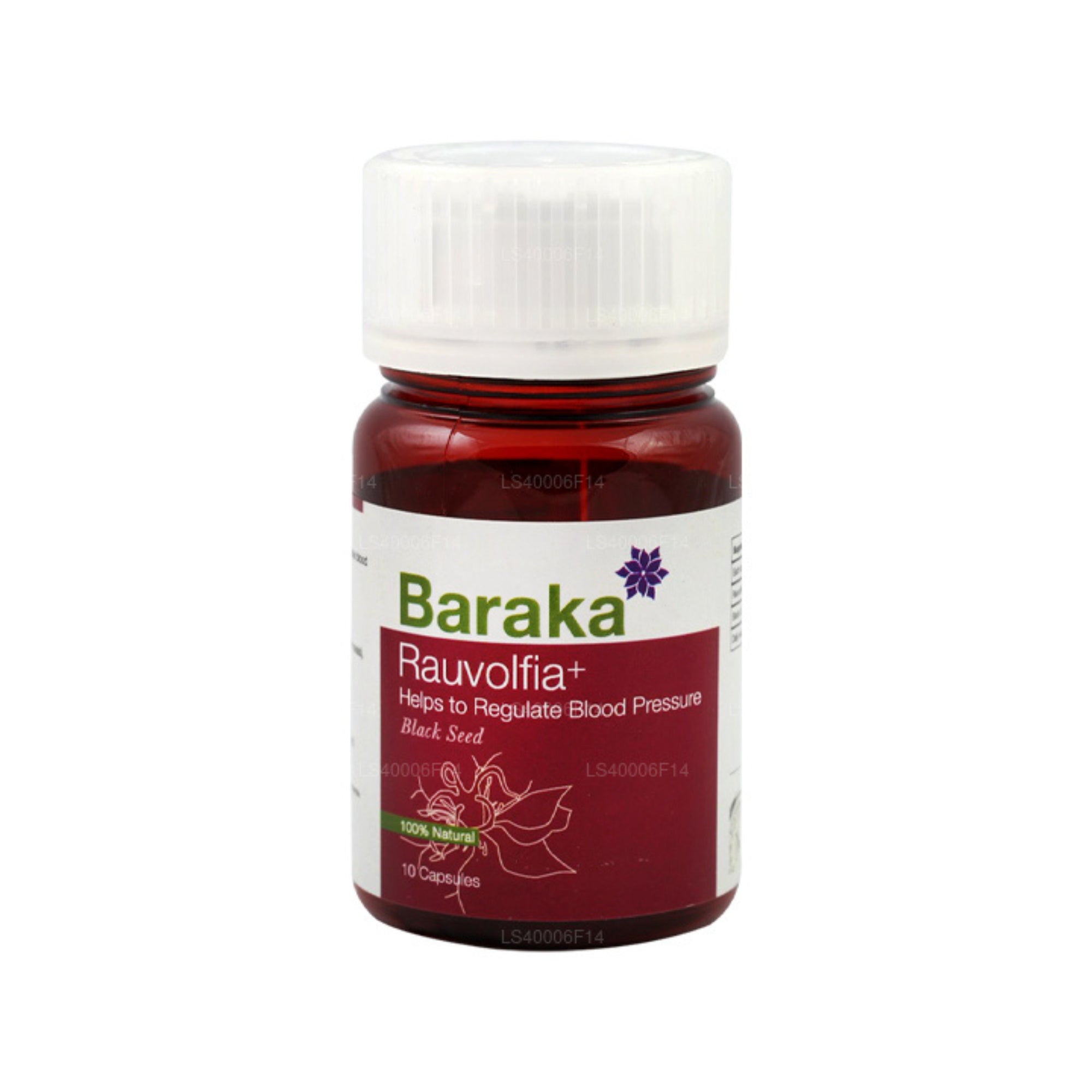
Rauvolfia densifolia, known in Sri Lanka as Ekaveriya, is a woody shrub native to the island and recognised as a valued plant within the Ayurvedic medicinal tradition of Sri Lanka. Growing to around 12 feet in height, it produces milky sap when cut — a characteristic shared across the Apocynaceae family to which it belongs. The plant is documented in the official catalog of Ayurvedic medicinal plants of Sri Lanka, reflecting centuries of recorded therapeutic use.
What does Rauvolfia densifolia look like?
The shrub is identifiable by its leaves, which are arranged in whorls of three or four near the ends of branches. Each leaf is broadly lance-shaped or obovate — wider toward the tip than the base — and tapers gradually to a long point. Leaf dimensions are variable, typically ranging from 3 to 9 centimetres in length and 1 to 3 centimetres in width. The upper surface is light green and hairless; the underside is noticeably paler. Prominent veining is visible, with eight to twenty pairs of lateral nerves running from the midrib.
Flowers emerge alongside young leaves in loose, few-flowered clusters (corymb-like cymes) carried on slender stalks around 1.8 to 6 centimetres long. Individual flower stalks are fine and typically 6 to 9.5 mm long. Petals are white or pale pink, elliptic-oblong with rounded tips, and the flower tube is slightly inflated toward the top. Fruits generally develop in pairs — ellipsoid, 8 to 12 mm long, and brownish-purple when fully ripe.
What are the traditional medicinal uses of Ekaveriya?
The root of Rauvolfia densifolia is the primary part used in traditional medicine. It contains alkaloids — most notably reserpine — which are associated with its long-standing reputation as an antihypertensive and sedative agent. In classical Ayurvedic practice, preparations derived from the root have been used to address a wide range of conditions:
- Hypertension (high blood pressure)
- Insomnia and sleep disturbances
- Epilepsy and mental illness
- Fevers, including malaria and typhus
- Snake poisoning (as an adjunct remedy)
- Abdominal and menstrual pain (dysmenorrhoea)
- Tonsillitis and other inflammatory conditions
- Various skin diseases
The genus Rauvolfia has attracted scientific interest since the mid-twentieth century, when reserpine isolated from Rauvolfia serpentina became one of the first plant-derived compounds used in modern antihypertensive medicine. While Rauvolfia densifolia is a related species, any therapeutic use today should be guided by a qualified Ayurvedic or medical practitioner.
Where does Rauvolfia densifolia grow in Sri Lanka?
Ekaveriya is found in the low-country and mid-elevation forests of Sri Lanka, often growing in the understorey of secondary and disturbed woodland. It tends to favour humid, warm conditions and is associated with Sri Lanka's wet and intermediate zones. The plant's milky sap and distinctive whorled leaf arrangement make it recognisable to experienced foragers and Ayurvedic practitioners who source roots from wild populations.
Sri Lanka hosts an exceptionally rich native flora — the island's diverse ecosystems, from coastal lowlands to montane cloud forest, support hundreds of endemic and indigenous medicinal plant species. Rauvolfia densifolia is one of many shrubs catalogued within the country's ethnobotanical heritage.
How is Rauvolfia densifolia prepared in Ayurveda?
In traditional Ayurvedic compounding, the dried root bark of Ekaveriya is the most commonly used plant part. It may be processed into decoctions (kashaya), powders (churna), or incorporated into multi-herb formulations alongside other roots and minerals. Dosage and preparation method vary considerably depending on the condition being treated and the practitioner's school of training.
Modern herbal supplement manufacturers have developed standardised capsule formulations based on Rauvolfia extracts, making the plant's traditional benefits more accessible in a controlled-dose format. These preparations are typically aimed at supporting normal blood pressure levels and promoting relaxation.
Are there any cautions or contraindications?
Rauvolfia alkaloids are pharmacologically active and can interact with conventional medications — particularly antidepressants, antihypertensives, and cardiac drugs. Self-medication with root preparations is not recommended. Pregnant women and individuals on prescription medication should consult a healthcare provider before using any Rauvolfia-based product. The plant is best approached as part of a supervised Ayurvedic treatment plan rather than as a general dietary supplement.
How does Rauvolfia densifolia fit within Sri Lanka's Ayurvedic tradition?
Sri Lanka maintains one of the world's most continuous living traditions of Ayurvedic medicine, supported by government institutions, registered practitioners, and a formal system of Ayurvedic pharmacopoeia. Ekaveriya sits within this tradition as a plant with documented classical references, meaning its properties and preparations are described in ancient Sanskrit and Sinhala medical texts. The Government of Sri Lanka officially recognises a catalog of native Ayurvedic medicinal plants, and Rauvolfia densifolia is listed among them — a mark of its enduring therapeutic significance.
Other well-known Sri Lankan medicinal plants with comparable standing include Acacia chundra and Pongamia pinnata, both of which similarly bridge classical Ayurvedic texts and contemporary herbal practice.
Other species in this genus
1 more, sharing the same genus.