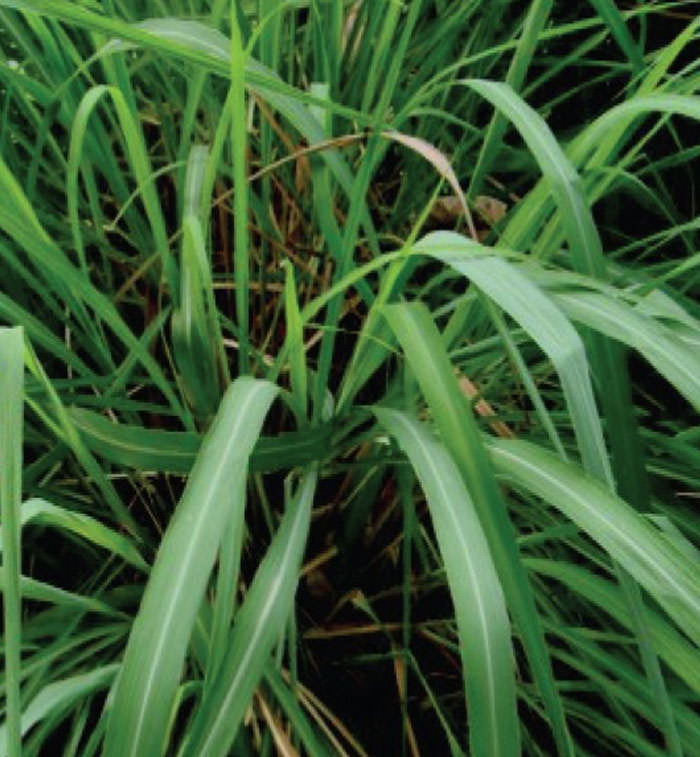

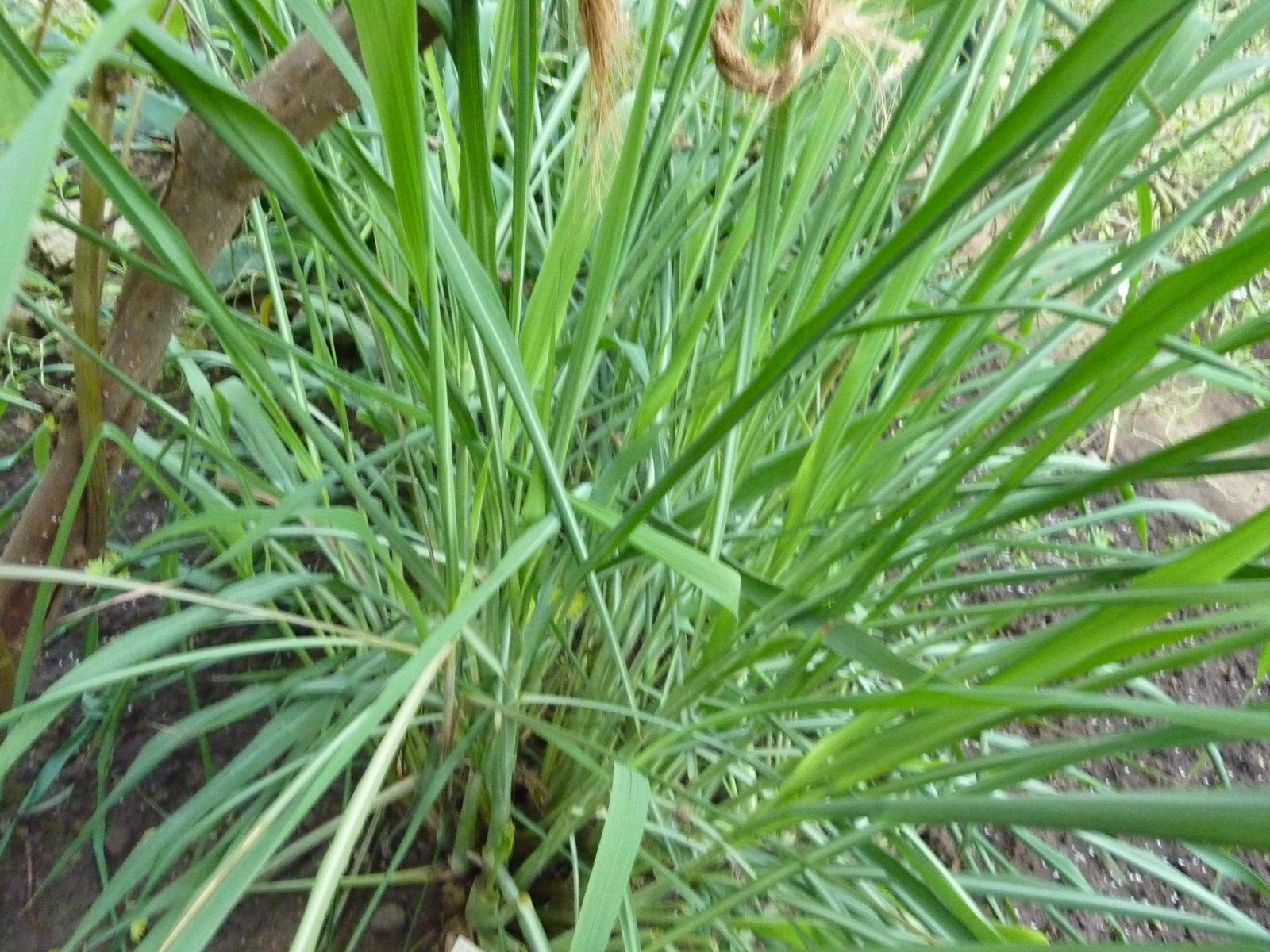
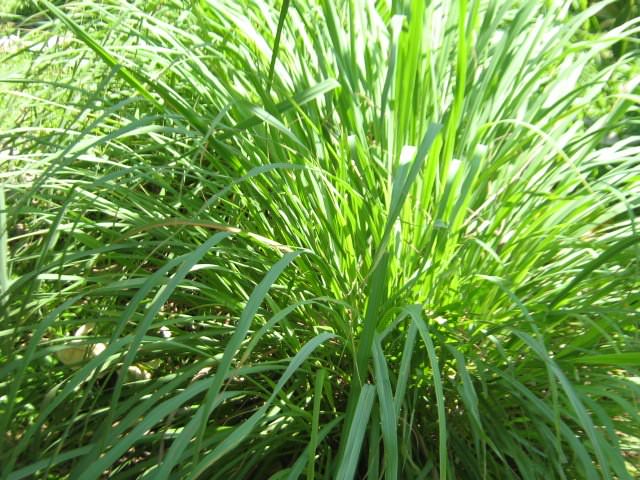
Cymbopogon nardus, known locally as Pangiri, is a tall, tufted perennial grass native to Sri Lanka and parts of tropical Asia. A member of the Poaceae family, it is best recognised by its strongly aromatic, blue-green leaves and the sharp, lemon-citrus scent released when they are cut or crushed. The plant thrives in the island's warm, humid lowlands and has been cultivated here for well over a century, making Sri Lanka one of the world's historically significant sources of citronella oil.
What is Cymbopogon nardus used for?
The primary commercial value of Cymbopogon nardus lies in its essential oil, commonly called citronella oil. The oil is obtained by steam-distilling the fresh or partially dried leaves and stems. Its principal active compounds — citronellal, geraniol, and citronellol — give it both a characteristic fragrance and documented antimicrobial activity. These properties make it a sought-after ingredient across several industries:
- Insect repellents: Citronella oil is widely used in candles, sprays, and topical repellents as a plant-derived alternative to synthetic chemicals for deterring mosquitoes and other biting insects.
- Personal care and cosmetics: Geraniol and citronellol are valued fixatives in perfumery and are used in soaps, lotions, and hair-care products.
- Household products: The oil's antimicrobial properties make it an effective ingredient in natural surface cleaners and disinfectants.
- Aromatherapy: Diffused citronella oil is used to ease tension and lift mood; its fresh, green scent is considered grounding in many aromatherapy traditions.
How is citronella oil extracted from Cymbopogon nardus?
Harvesting typically begins when the grass reaches around one metre in height — usually within six to eight months of planting — and can continue two to four times per year under good cultivation conditions. The cut biomass is loaded into distillation stills where steam passes through the plant material, vaporising the volatile oil. The vapour is then cooled and condensed, separating into crude citronella oil and hydrosol. The yield and chemical composition of the oil depend heavily on the age of the stand, the time of harvest, and local growing conditions — factors that Sri Lankan smallholders have refined over generations.
What role does Cymbopogon nardus play in traditional Sri Lankan medicine?
In Ayurvedic and folk medicine traditions practised across the island, citronella grass has long been regarded as more than an industrial crop. Leaf decoctions have traditionally been used to manage fever and mild inflammatory conditions. Topical applications of diluted oil have been employed for skin infections and fungal complaints. The calming scent of the plant is also referenced in local wellness practices for relieving headaches and stress — uses that align broadly with contemporary aromatherapy research, though scientific evidence for specific therapeutic claims continues to develop.
Citronella grass is often grown alongside other medicinal and spice plants. Syzygium aromaticum (clove) is another aromatic species with deep roots in Sri Lankan agricultural and Ayurvedic tradition, reflecting the island's broader heritage as a producer of high-value botanical commodities.
Where is Cymbopogon nardus grown in Sri Lanka?
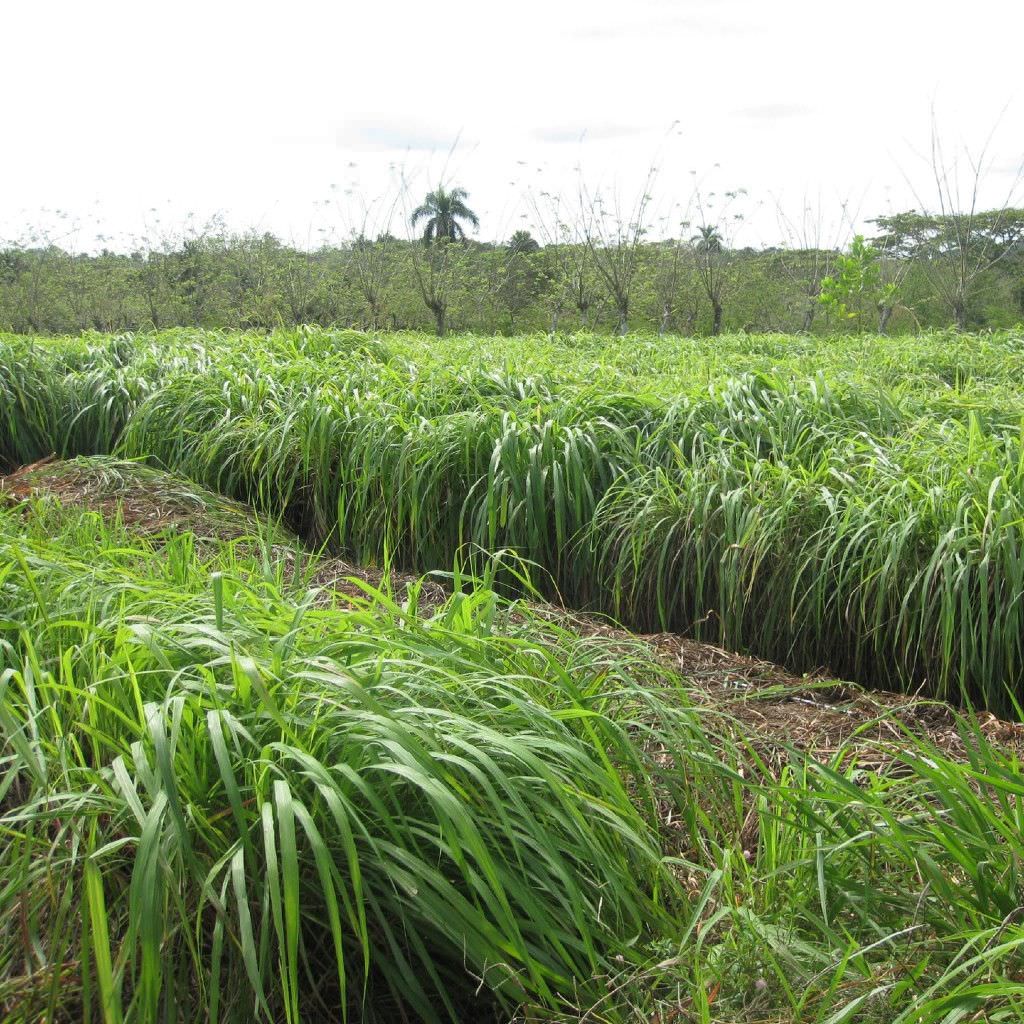
Commercial cultivation is concentrated in the wet-zone lowlands and intermediate zones, particularly in the Sabaragamuwa and Western provinces, where annual rainfall and temperature conditions suit the crop. The plant tolerates a range of soil types, including degraded or sloping land that is less suited to food crops — an agronomic flexibility that makes it attractive for land rehabilitation programmes. Smallholder plots are the dominant production model, with farmers often intercropping citronella with coconut, rubber, or subsistence food crops.
Sri Lanka distinguishes two chemotypes of Cymbopogon used commercially: C. nardus (Ceylon type) and C. winterianus (Java type). The Ceylon type, the subject of this page, produces an oil with a somewhat softer aromatic profile and is historically associated with Sri Lanka's export trade, which peaked in the early to mid twentieth century before synthetic alternatives shifted global demand.
What is the difference between Cymbopogon nardus and lemongrass?
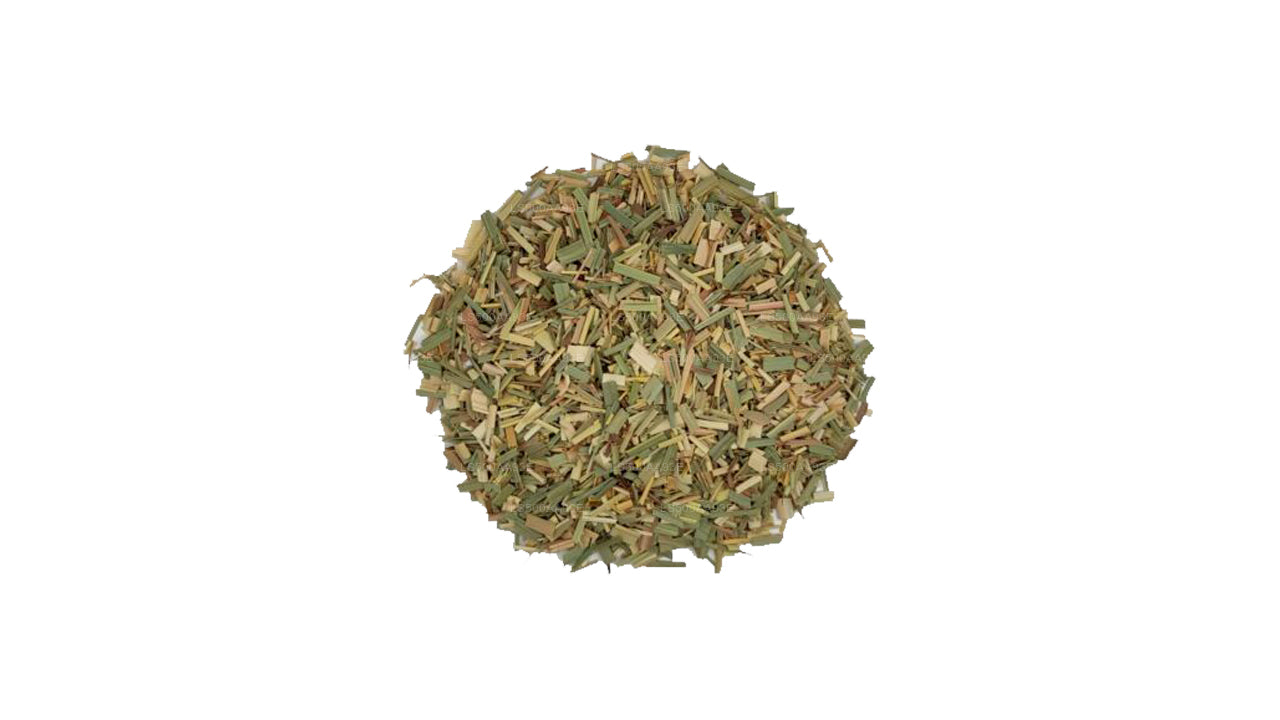
Cymbopogon nardus is frequently confused with lemongrass (Cymbopogon citratus, known locally as Sera). Both are tall aromatic grasses in the same genus and share a broadly citrus-like scent, but they are distinct species with different chemical profiles and uses. Citronella grass is grown almost exclusively for its essential oil; its flavour is considered too sharp for culinary use. Lemongrass, by contrast, is a staple of Sri Lankan cooking — fresh stalks are used in curries, sambols, and herbal teas. If you are looking for culinary Sera rather than oil-producing Pangiri, Lakpura's dehydrated lemongrass products are a convenient pantry option.
Why does Cymbopogon nardus matter for sustainable agriculture in Sri Lanka?
The cultivation of citronella grass sits comfortably within sustainable and organic farming frameworks. The plant requires relatively low inputs — it is drought-tolerant once established, naturally resistant to many common pests (partly by virtue of its own insect-deterring compounds), and needs no herbicides because its dense canopy suppresses weeds. Roots bind topsoil effectively on sloping plots, reducing erosion during the island's heavy monsoon rains. For rural households in Sri Lanka's lower-income agricultural zones, citronella cultivation offers a reliable secondary cash crop with a ready export market and growing domestic demand from the natural-products sector. These characteristics continue to attract attention from development programmes focused on climate-resilient agriculture.
How do you grow Cymbopogon nardus at home or in a garden?
The plant is propagated by dividing established clumps — seed germination is possible but slow and uneven. Divisions should be planted in well-drained soil in full sun, spaced roughly 60 to 90 centimetres apart. Watering is important during the first few weeks of establishment; thereafter the plant manages moderate dry spells without difficulty. Regular cutting both stimulates fresh growth and encourages higher oil content in young leaves. In tropical or subtropical climates, a single clump will spread steadily and can be divided again each season. In temperate climates it can be grown in containers and brought indoors before the first frost, though oil yields in cooler conditions will be considerably lower.
Other species in this genus
1 more, sharing the same genus.