



Cymbopogon winterianus, widely known as Java citronella, is a perennial grass native to tropical Asia and commercially cultivated across Sri Lanka for its high-yielding essential oil. Closely related to lemongrass, it holds a recognised place in Sri Lanka's catalogue of Ayurvedic medicinal plants, valued both for its therapeutic properties and its extensive industrial applications. The plant thrives in Sri Lanka's warm, humid lowlands and is grown on smallholder plots as well as larger estate operations.
What is Cymbopogon winterianus and how does it differ from lemongrass?
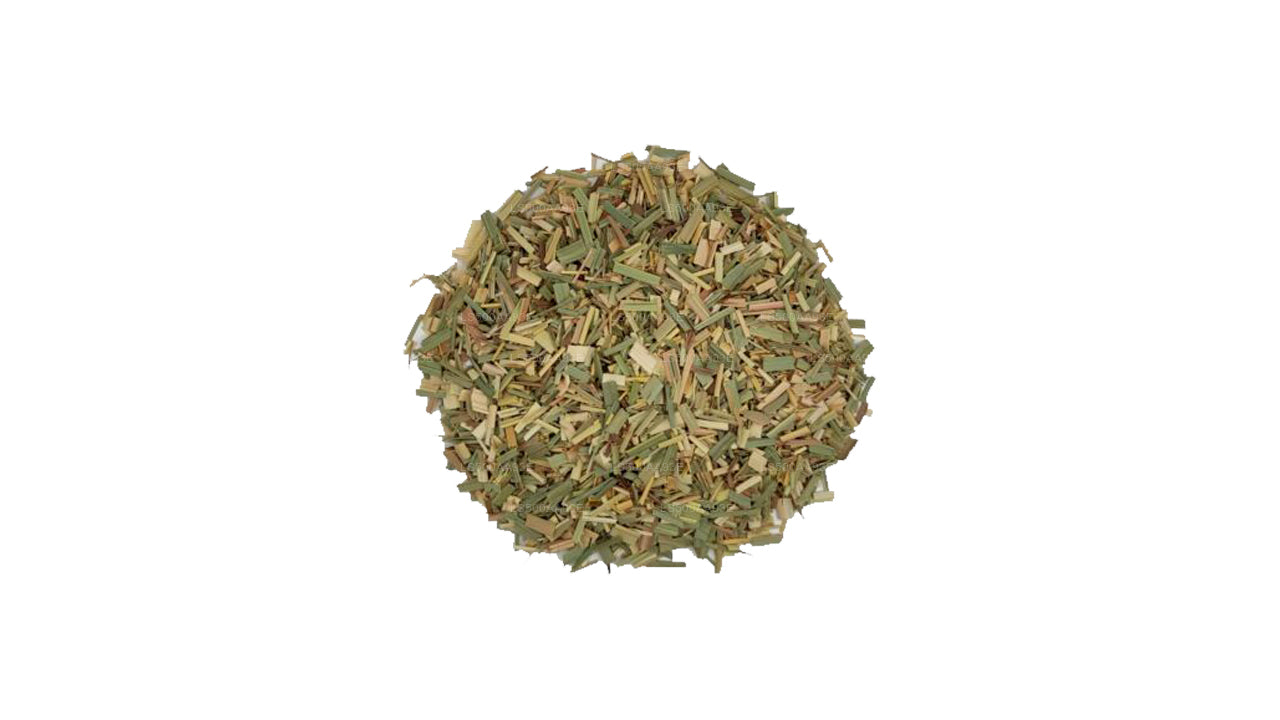
Cymbopogon winterianus belongs to the Poaceae family alongside lemongrass (Cymbopogon citratus) and palmarosa grass. The key botanical distinction lies in the composition of its essential oil: Java citronella yields oil dominated by citronellal, citronellol, and geraniol, giving it a distinctly rosy-citrus character rather than the sharp lemony note of ordinary lemongrass. This chemical profile makes it the preferred species in the global fragrance, cosmetics, and insect-repellent industries. The leaves are long, blade-like, and slightly waxy, and the plant can reach one to two metres in height under favourable conditions.
Sri Lankan cultivators sometimes refer to it as Java sera to distinguish it from the culinary lemongrass (sera) used in cooking. Both belong to the same genus but serve quite different markets.
What are the traditional Ayurvedic and medicinal uses?
In Sri Lanka's Ayurvedic tradition, Cymbopogon winterianus is used primarily as an external remedy. Preparations derived from the plant — including infused oils and leaf decoctions — are applied to relieve headaches, reduce joint pain, and ease muscular fatigue. The essential oil is regarded as having analgesic, antifungal, and anti-inflammatory properties, which explains its appearance in classical formulations alongside other botanicals such as Pongamia pinnata.
- Analgesic use: Diluted citronella oil is massaged onto temples and the nape of the neck to alleviate tension headaches.
- Antifungal application: Leaf extracts are used in some traditional practices to address minor skin fungal infections.
- Insect deterrence: Bruised leaves placed around living spaces act as a mild natural insect repellent — a practice still common in rural Sri Lanka.
- Respiratory support: Steam inhalation with a few drops of the oil is a folk remedy for mild nasal congestion.
Modern pharmacological research has broadly corroborated several of these traditional claims, though clinical evidence remains at an early stage for most applications.
How is citronella essential oil extracted and used commercially?
The commercially valuable product is the essential oil extracted from the fresh or partially dried leaves and stems by steam distillation. Sri Lankan processors typically harvest the aerial parts two to three times a year, as the oil yield peaks just before flowering. The distilled oil is then graded by its citronellal content — higher citronellal percentages command a premium on export markets.
Java citronella oil from Sri Lanka finds its way into a broad range of end products:
- Insect repellents and mosquito coils
- Perfumery and soap manufacturing
- Aromatherapy massage oils and diffuser blends
- Candle making and household cleaning products
- Animal care products, particularly fly-repellent sprays
Geraniol and citronellol — two of the oil's major constituents — are also isolated by fractional distillation and sold as standalone aroma chemicals to fragrance houses worldwide.
Where is Cymbopogon winterianus grown in Sri Lanka?
Cultivation is concentrated in the wet-zone lowlands of the Western and Sabaragamuwa provinces, where rainfall is sufficient and temperatures remain consistently warm. The plant tolerates a wide range of soils but performs best in well-drained loams with moderate fertility. Smallholder farmers often intercrop it with annual vegetables during the establishment phase, making it a practical and relatively low-input cash crop.
Sri Lanka's National Institute of Plantation Management and the Industrial Technology Institute have both supported research into improved citronella varieties that yield higher oil content and resist lodging during heavy rain — a common problem with tall grass crops.
What nutritional or dietary value does the plant have?
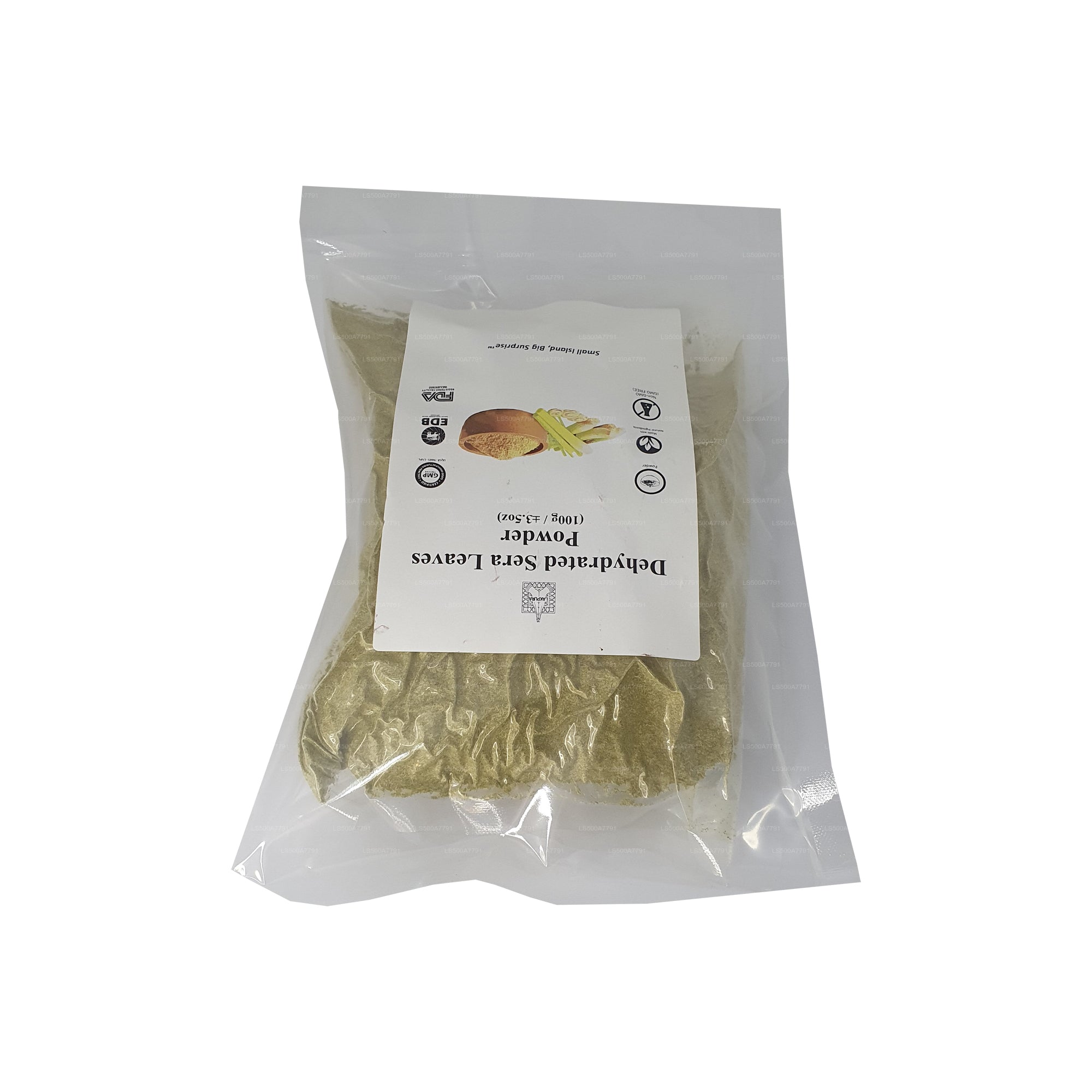
Unlike its culinary cousin Cymbopogon citratus, Java citronella is not typically consumed as food. Its oil concentration is considerably higher, making raw leaf unsuitable for eating. However, dried and powdered leaf material derived from closely related Cymbopogon species is used as a herbal tea ingredient and dietary supplement in some markets. Products made from these related species — such as dehydrated lemongrass powder — share some of the genus's aromatic and digestive properties and are available through Lakpura's natural-product range.
How does Cymbopogon winterianus contribute to sustainable agriculture in Sri Lanka?
The plant offers several advantages from a sustainability perspective. Its dense root system helps stabilise sloping land and reduce soil erosion — a meaningful benefit in areas where tea and rubber monocultures have stripped topsoil over decades. Because the essential oil itself acts as a natural insect deterrent, farmers report lower incidence of certain crop pests in adjacent plots. The crop also requires relatively modest chemical inputs compared with export vegetables, reducing the agrochemical burden on watersheds that supply communities downstream.
The leaves left over after distillation can be composted to return organic matter to the soil, and in some rural communities they are used as mulch or animal bedding. This low-waste cycle fits well with Sri Lanka's growing interest in agro-ecological farming models.
How is Cymbopogon winterianus identified in the field?
Identifying Java citronella requires attention to several features that distinguish it from common lemongrass and other Cymbopogon species:
- Leaves are grey-green, narrower, and slightly less fragrant when bruised than culinary lemongrass leaves
- The scent on rubbing is citrus-floral rather than purely lemony
- Stems (culms) are slender and less bulbous at the base compared with Cymbopogon citratus
- The plant rarely flowers under cultivation because frequent harvesting keeps it in a vegetative state
For definitive identification, oil chromatography remains the most reliable method, as the species' chemical profile is far more diagnostic than its morphology alone.
Other species in this genus
1 more, sharing the same genus.