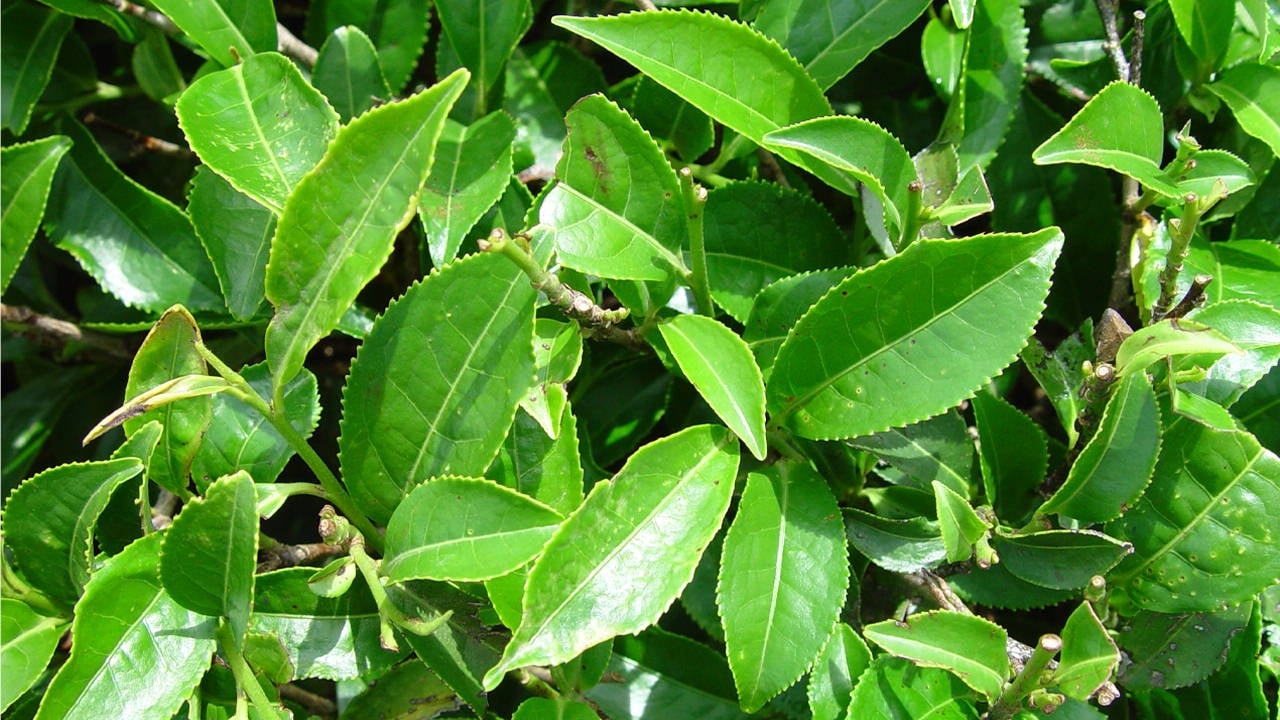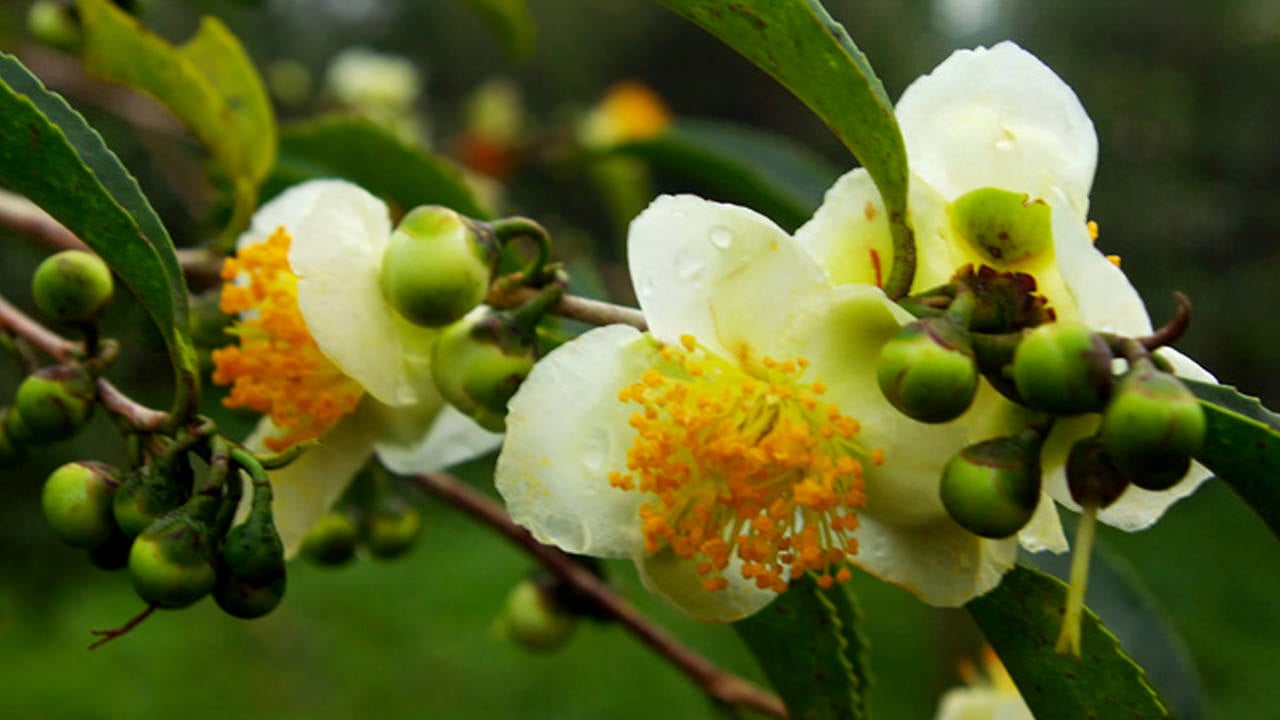
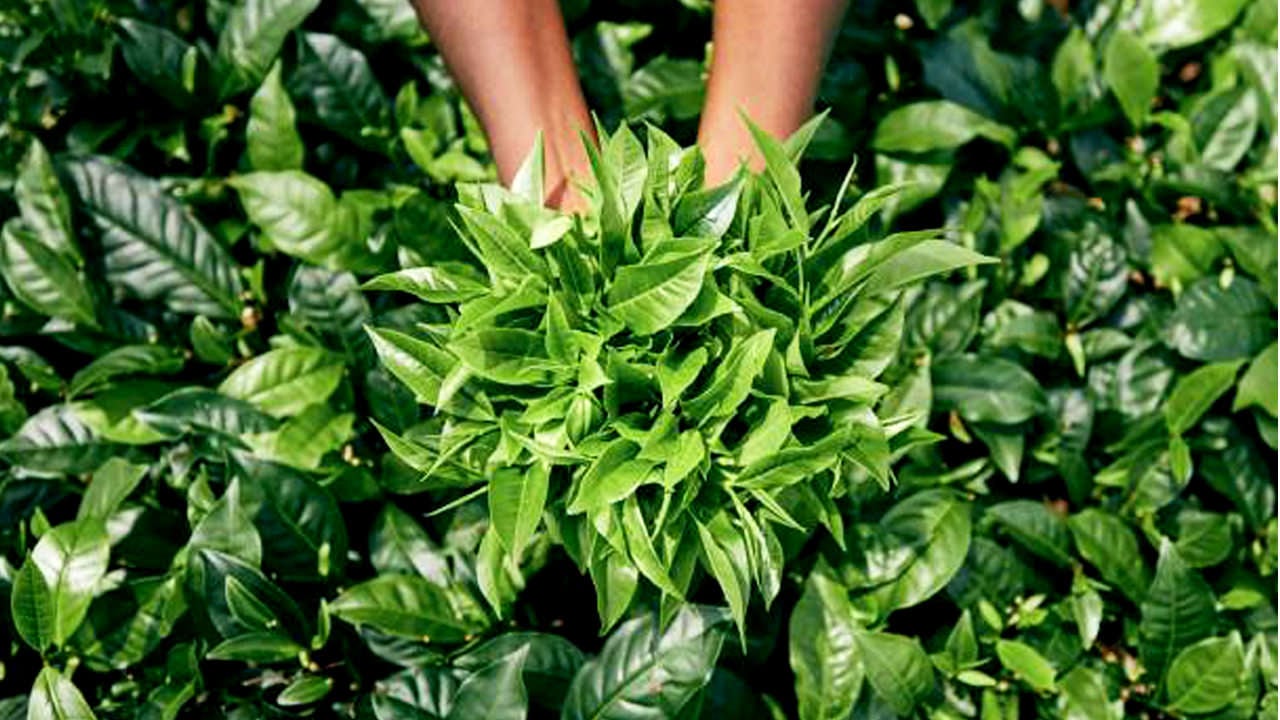


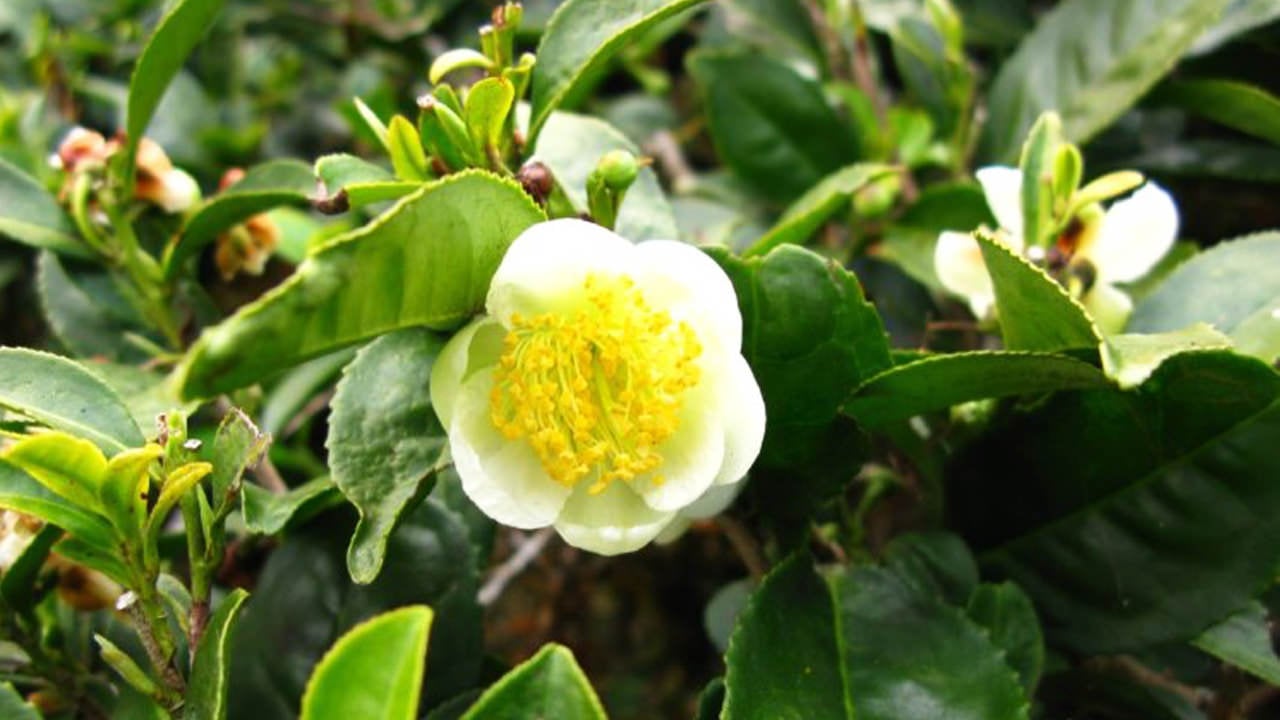
Every cup of tea — black, green, white, or oolong — begins with a single plant: Camellia sinensis. This compact, hardy evergreen shrub has shaped economies, cultures, and daily rituals across the world for thousands of years. In Sri Lanka, it is the backbone of the hill-country landscape and the foundation of one of the island's most significant export industries. Understanding the plant itself helps explain why Ceylon tea holds a reputation for quality that few origins can match.
What exactly is Camellia sinensis?
Camellia sinensis belongs to the family Theaceae and is botanically related to the ornamental camellia flowers found in gardens worldwide. It is native to a broad region of East and Southeast Asia, with primary centres of origin in the Yunnan province of China and the Assam region of northeastern India. Left unpruned, the shrub can grow into a small tree several metres tall, but on commercial plantations it is kept clipped to a low, flat-topped bush called a plucking table — typically around 90–100 cm high — to concentrate growth energy into young shoots and make harvesting practical.
Two principal varieties are cultivated commercially. Camellia sinensis var. sinensis, the Chinese variety, has smaller, more delicate leaves and tolerates cooler, higher-altitude conditions. Camellia sinensis var. assamica, native to Assam, produces larger leaves with a bolder flavour profile and dominates plantation cultivation across South Asia, including Sri Lanka. Many estates work with hybrid clonal selections bred specifically for local altitude bands and flavour targets.
What compounds in the leaf give tea its character?
The chemistry of the leaf is what makes Camellia sinensis singular among beverage crops. Fresh leaves contain four groups of compounds that interact during processing to produce the flavour, colour, and physiological effects associated with tea.
- Catechins (polyphenols): Antioxidant compounds that account for a large share of the leaf's dry weight. Epigallocatechin gallate (EGCG) is the most studied. During oxidation, catechins convert to theaflavins and thearubigins — the pigments responsible for the amber colour and malty depth of black tea.
- Caffeine: A natural alkaloid that provides the stimulating effect. Younger leaf tips contain more caffeine than older, coarser leaves, which is one reason fine-grade teas are prized both for flavour and for their livelier character.
- L-theanine: An amino acid almost exclusive to Camellia sinensis among common dietary plants. It modulates the alertness of caffeine, producing a state of calm focus rather than jitteriness. It also contributes to the characteristic umami note in high-quality green teas.
- Volatile aromatic compounds: Over 600 have been identified, including linalool, geraniol, and various aldehydes. These develop during withering, oxidation, and firing, giving each tea type its distinctive fragrance.
How does processing determine the type of tea?
All tea types are produced from the same leaf; what differs is the degree and method of post-harvest processing. The key variable is oxidation — the enzymatic browning that begins as soon as a leaf is damaged.
- White tea: Minimal processing. Young buds and leaves are simply withered and dried, preserving the highest levels of catechins and producing a pale, delicate cup.
- Green tea: Oxidation is halted almost immediately by heat (pan-firing in the Chinese style, or steaming in the Japanese style), locking in chlorophyll and catechins. Ceylon green tea is produced in smaller volumes than black but is gaining recognition for its clean, grassy notes.
- Oolong tea: Partial oxidation, arrested at a chosen point between 15% and 85%. The resulting flavour range is broad — from lightly floral to deeply roasted — depending on the oxidation level.
- Black tea: Full oxidation converts the majority of catechins to theaflavins and thearubigins. The result is the robust, full-bodied character that made Ceylon tea famous globally from the 19th century onward.
Where is Camellia sinensis grown in Sri Lanka?
Sri Lanka's tea-growing regions are concentrated in the central highlands and the southern hill ranges, where altitude, rainfall patterns, and mist create near-ideal conditions for Camellia sinensis. Elevations are traditionally divided into three broad categories that directly influence cup character.
| Elevation band | Key regions | Typical character |
|---|---|---|
| High-grown (above 1,200 m) | Nuwara Eliya, Dimbula, Uva | Light-coloured, delicate, high-grown brightness |
| Mid-grown (600–1,200 m) | Kandy, Uda Pussellawa | Medium body, balanced flavour |
| Low-grown (below 600 m) | Ruhuna, Sabaragamuwa | Dark, full-bodied, strong colour |
The hill town of Ella sits on the edge of the Uva high-grown belt, and the surrounding estates offer some of the most scenic plantation walking in the country. Rainfall seasonality also matters: the Uva region experiences a dry interlude between July and September when warm, dry winds stress the bushes, concentrating flavour compounds in the leaf and producing the prized Uva seasonal character.
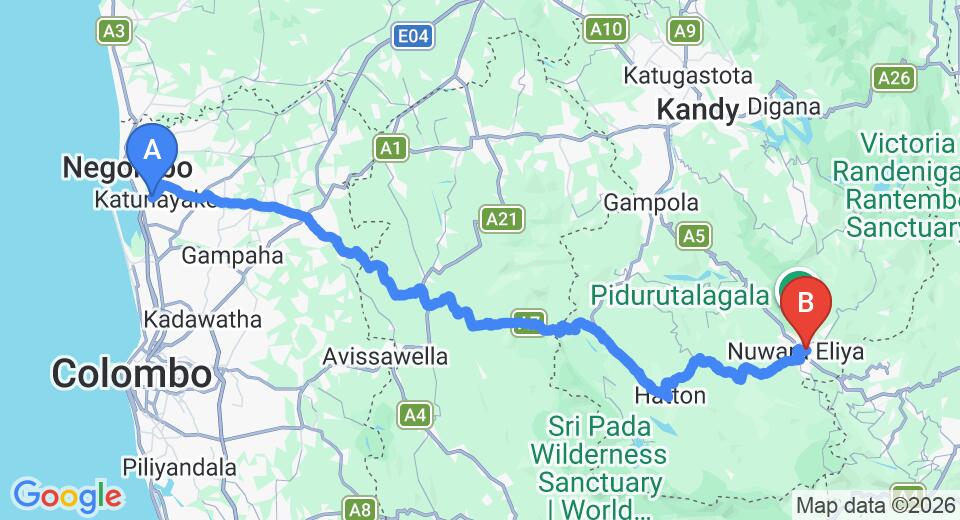
The Bluefield Tea Gardens near Nuwara Eliya offer visitors a guided walk through active plucking fields and a working factory, giving a clear picture of how leaf becomes cup.
What is the Ayurvedic significance of Camellia sinensis in Sri Lanka?
Camellia sinensis is formally recognised in Sri Lanka's catalogue of Ayurvedic medicinal plants. Traditional practitioners have long drawn on the plant's astringent properties — attributable primarily to its tannin and polyphenol content — for applications relating to digestive health and as an adjunct in managing fatigue. The caffeine content is acknowledged in Ayurvedic texts as a mild stimulant that, when balanced by the calming effect of theanine, supports mental clarity without aggravating Vata. Green and white preparations, being less processed, are generally preferred in Ayurvedic contexts over fully oxidised black tea. The island's tradition of integrating botanical remedies with daily diet means that tea occupies a dual role — both an everyday beverage and a medicinal herb — in a way that is somewhat unique to Sri Lanka's cultural relationship with the plant.
Other botanicals that share this dual culinary-medicinal status in Sri Lanka include Syzygium aromaticum (clove) and Ceylon black pepper, both of which appear alongside tea in traditional formulations.
How is Camellia sinensis harvested?
Commercial harvesting is almost entirely done by hand. Pluckers take the terminal bud and the top two leaves — a standard known as "two leaves and a bud" — from each shoot. This selective approach, repeated on a rolling cycle of around seven to fourteen days depending on altitude and season, ensures that only the youngest, most flavour-rich tissue is collected. Coarser plucking standards, which include older leaves further down the shoot, produce lower-grade material typically destined for tea bags rather than loose-leaf grades.
A skilled plucker working high-grown fields can typically harvest between 15 and 20 kilograms of green leaf per day. Roughly four kilograms of fresh leaf yield one kilogram of made (finished) tea, which illustrates the labour intensity of the industry and explains why estate-grown, hand-plucked Ceylon teas command a premium in the global market.
What other uses does Camellia sinensis have?
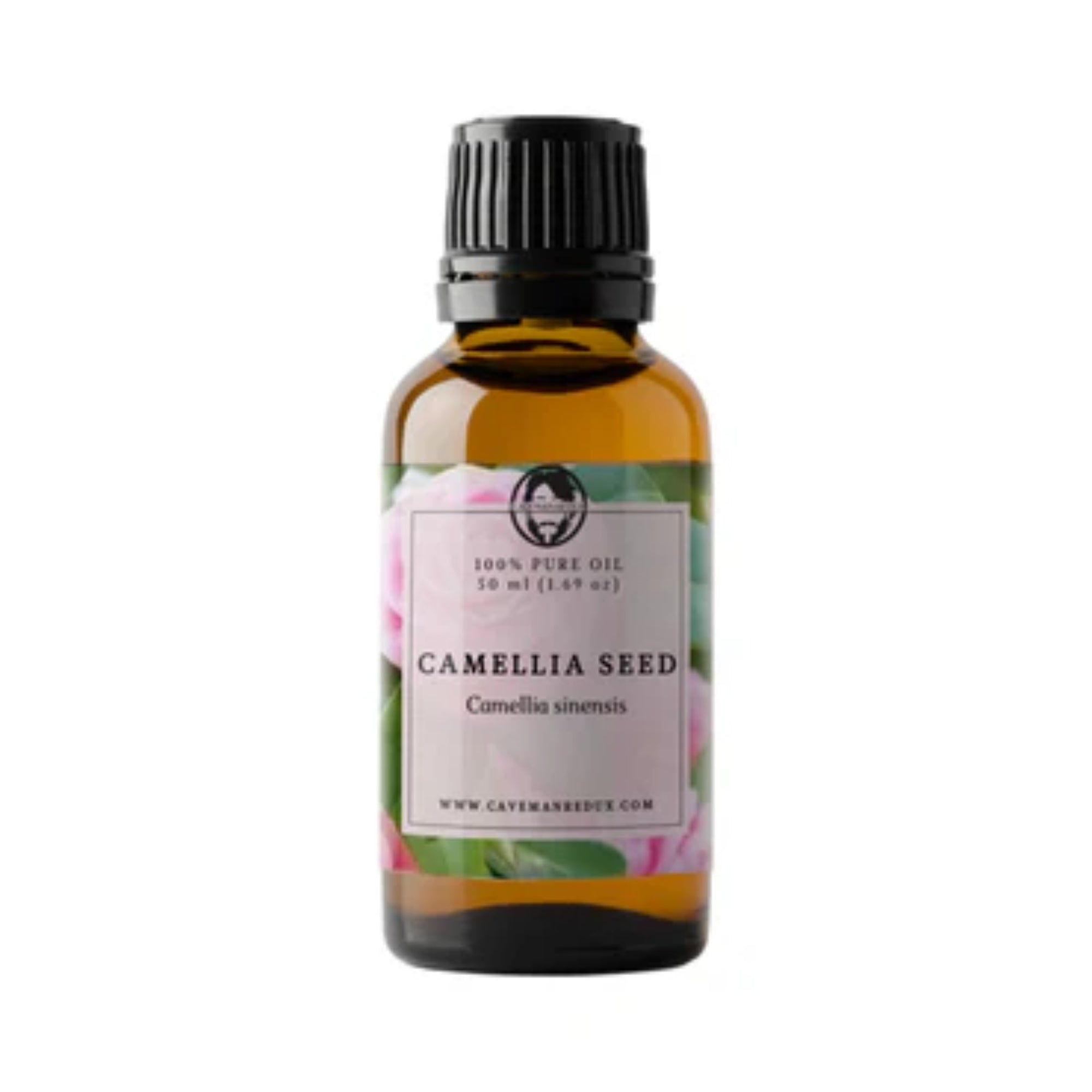
Beyond the infused beverage, the plant yields several commercially and therapeutically relevant products. Cold-pressed oil extracted from the seeds of Camellia sinensis — commonly called camellia oil or tea seed oil — is used in cosmetics and cooking. It has a light texture, a high oleic acid content, and a mild, neutral flavour. In East Asia, tea seed oil has been used for centuries as a hair conditioner and skin emollient. Lakpura sources and distributes a cold-pressed camellia oil for those seeking a high-quality Sri Lankan botanical product.
Spent tea leaves are also increasingly used as a soil amendment and composting material on estates, completing a sustainable cycle that returns organic matter to the fields where the plant grows.
Related reading
1 pages on closely related subjects.