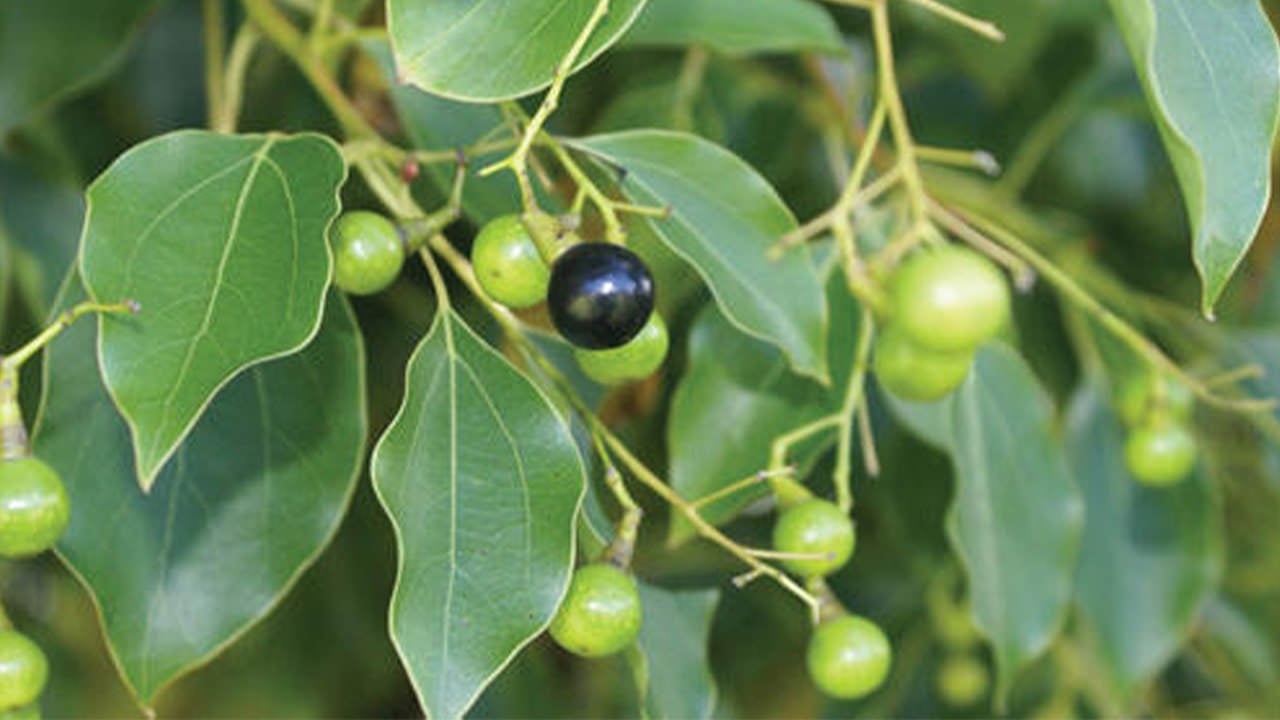
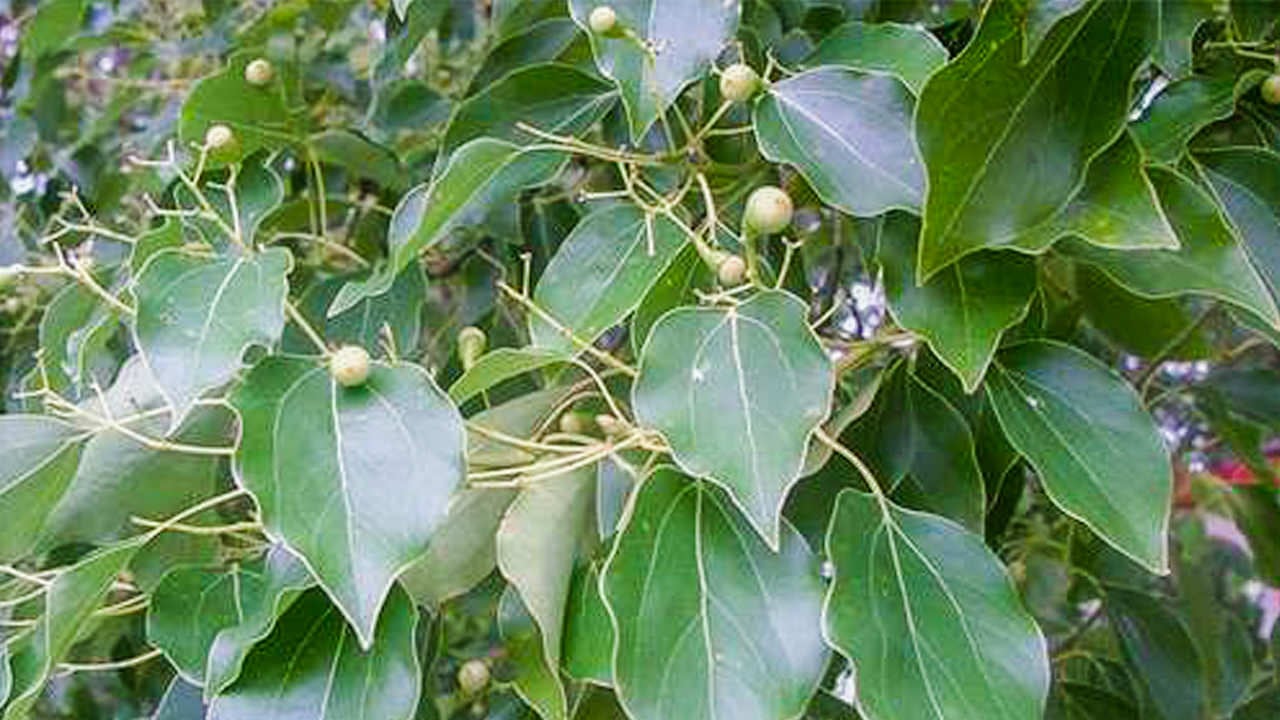
Cinnamomum camphora, known locally as Kapuru (කපුරු), is a large evergreen tree that has earned a respected place in tropical horticulture, traditional medicine, and everyday Sri Lankan life. Native to East Asia — principally China, Japan, and Taiwan — the species has naturalised and been cultivated across South and Southeast Asia, including Sri Lanka, where its distinctive fragrance and practical applications make it a well-recognised presence in botanical gardens and Ayurvedic pharmacopeias alike.
What does the camphor tree look like?
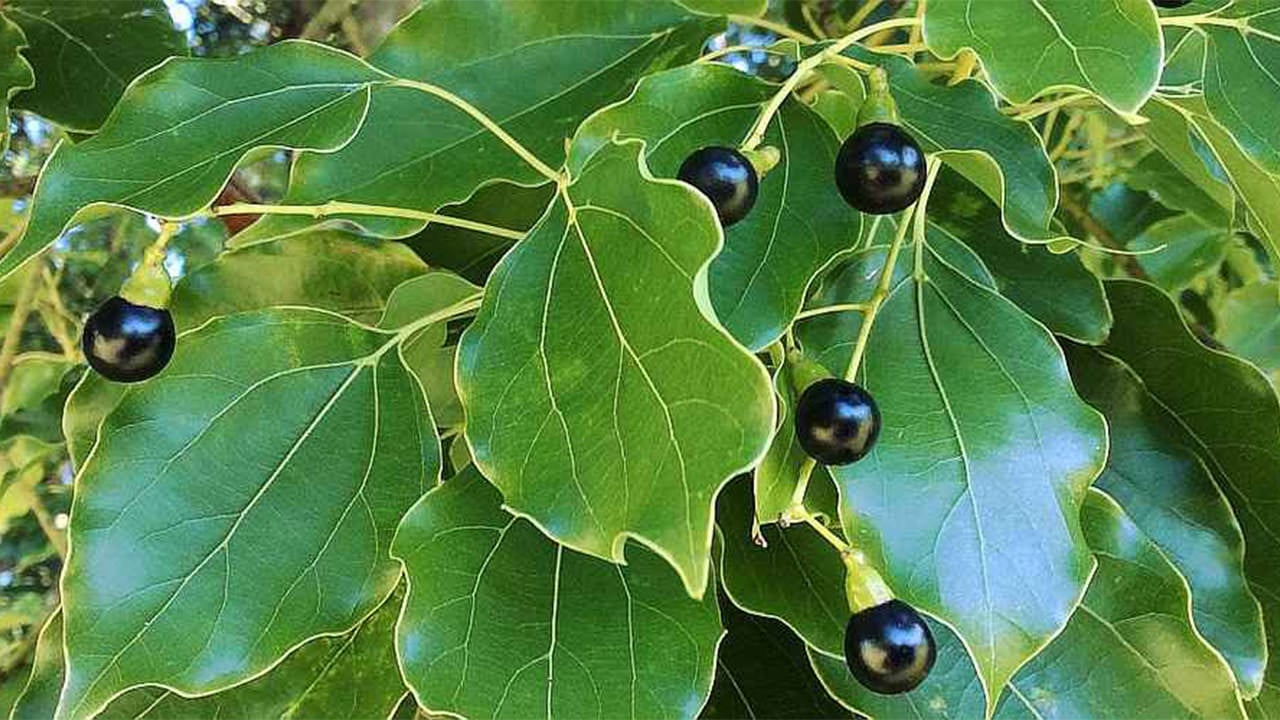
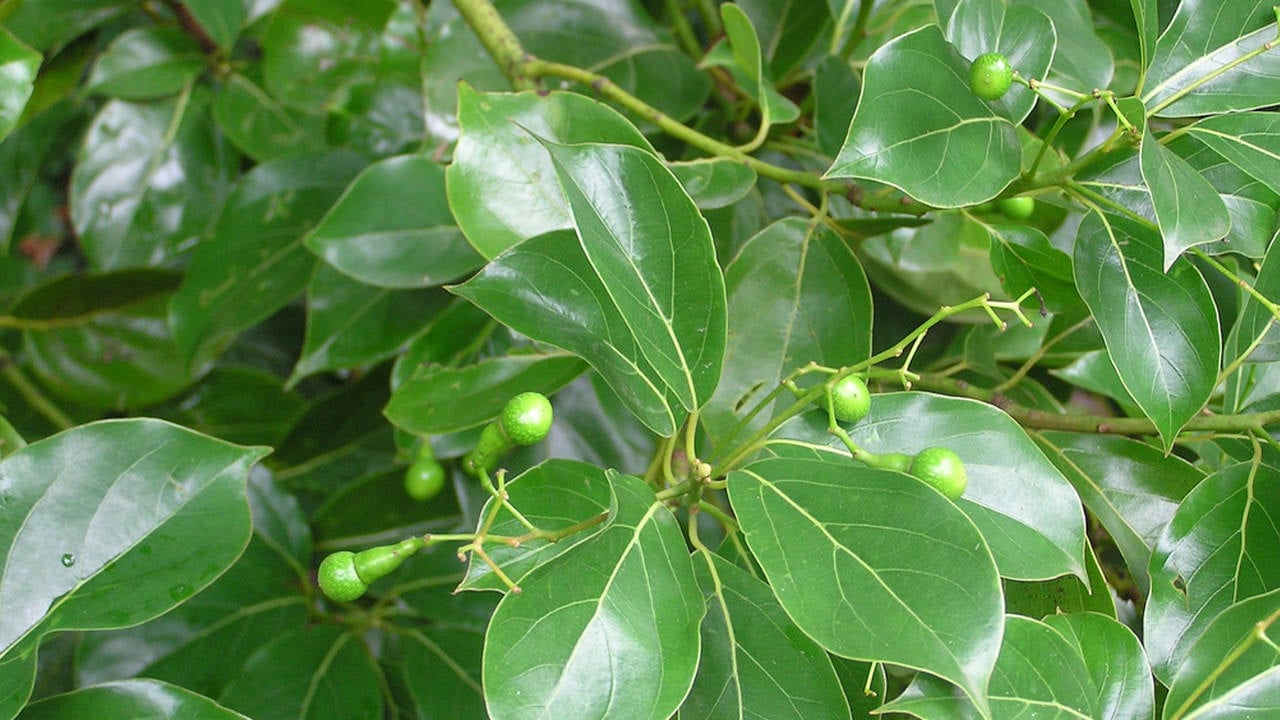
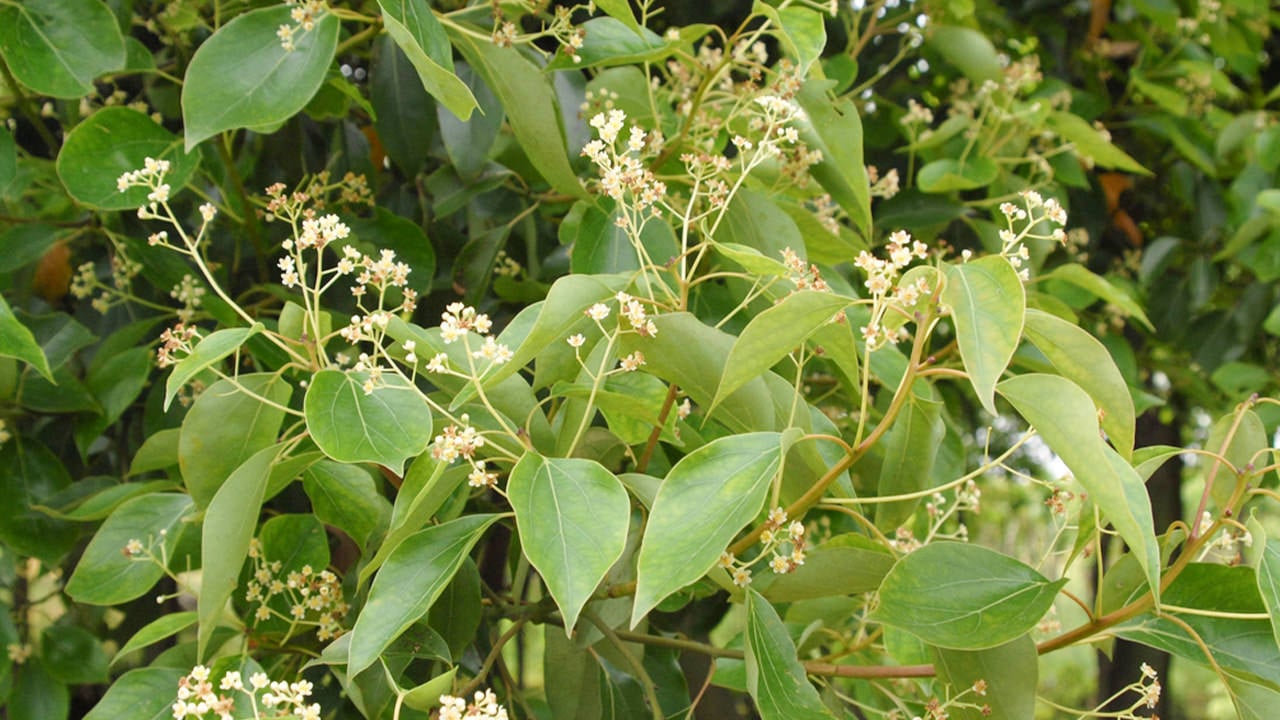
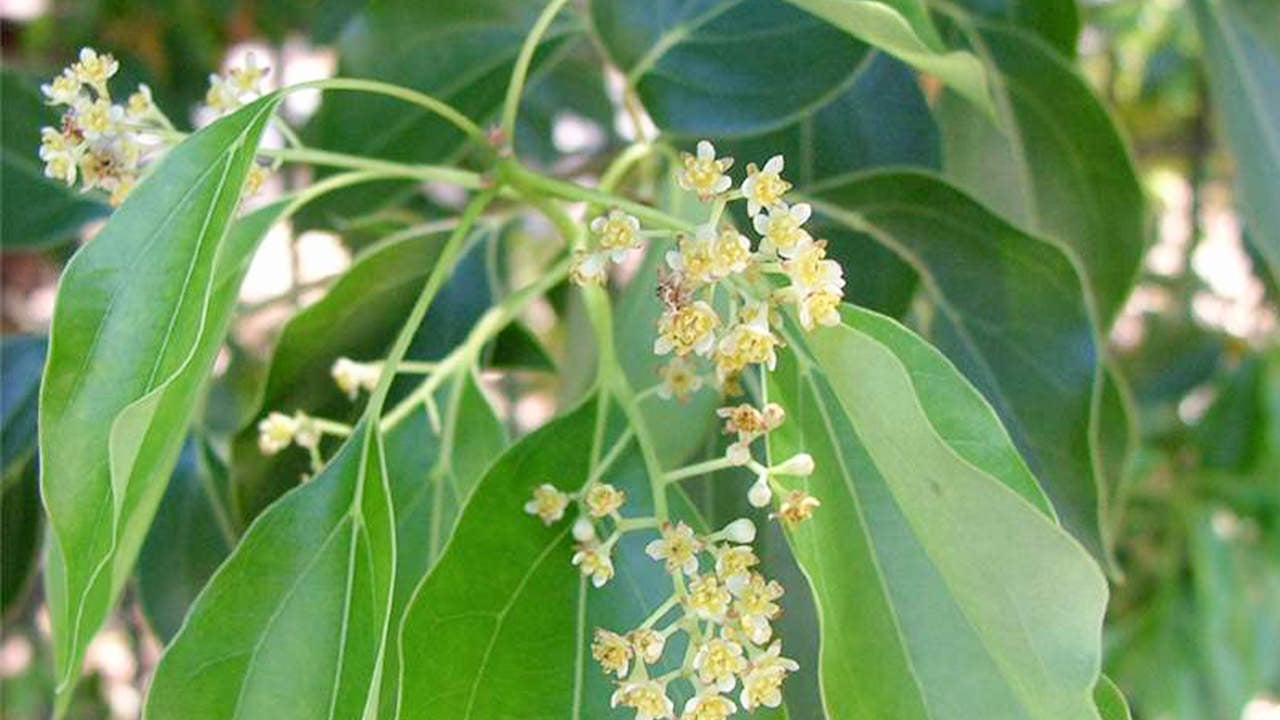
Mature camphor trees are hard to miss. They can reach up to 30 metres in height, forming broad, spreading canopies that offer generous shade. The bark is rough and brownish-grey, deeply furrowed on older specimens. The leaves are ovate with a glossy, waxy surface and a distinctive three-veined pattern at the base — crush a single leaf and the sharp, medicinal scent of camphor is immediately apparent. Small yellowish-white flowers appear in panicles during spring, followed by small black drupes roughly the size of a peppercorn.
Young foliage often emerges with a reddish tint before deepening to bright green, giving the tree seasonal visual interest. The overall form is dense and rounded, making it a popular specimen in parks and larger gardens throughout the tropics.
What is camphor and how is it extracted?
Camphor is a bicyclic monoterpenoid — a naturally occurring crystalline compound found in all parts of the tree but concentrated most heavily in the wood and roots. Traditional extraction involves steam distillation of chipped wood, which yields camphor oil that subsequently crystallises on cooling. The raw crystals are then sublimed and refined for commercial or medicinal use.
Natural camphor has a sharp, penetrating aroma and a cooling sensation on the skin, properties that underpin its use in a wide range of applications. Most camphor sold globally today is synthetically derived from turpentine oil, but naturally extracted camphor — sometimes called true camphor — remains prized in Ayurvedic and traditional Chinese medicine circles for its perceived therapeutic qualities.
What are the medicinal uses of camphor in Sri Lanka?
In Sri Lanka's Ayurvedic tradition, camphor (kapuru) is regarded as a versatile therapeutic agent with warming, anti-inflammatory, and antimicrobial properties. Practitioners incorporate it into external preparations — balms, liniments, and medicated oils — intended to relieve muscular pain, joint inflammation, and rheumatic discomfort. Its counterirritant effect, the mild burning sensation it induces on skin, stimulates blood flow to the treated area and is considered helpful for minor sprains and stiffness.
Camphor also appears in respiratory preparations. Inhalation of camphor vapour, traditionally by dissolving a small amount in hot water, is used to ease nasal congestion and chest tightness. In religious and ritual contexts, camphor tablets are burned as incense at Buddhist and Hindu shrines, where the smokeless, fragrant flame carries symbolic significance. Compound Ayurvedic formulations such as Yogaraja Guggulu draw on multiple aromatic botanicals within the same therapeutic tradition as camphor use.
It is important to note that camphor is toxic if ingested in anything beyond trace quantities. Modern clinical guidance advises keeping camphor-containing products away from children and avoiding direct application to broken skin. Ayurvedic preparations containing camphor should be used under qualified supervision.
How does camphor compare to other aromatic trees in the Cinnamomum family?
Cinnamomum camphora belongs to the same genus as true cinnamon, Cinnamomum verum, which is one of Sri Lanka's most celebrated exports and a close botanical relative. Both trees share the characteristic aromatic oils that define the Lauraceae family, but their chemical profiles differ: cinnamon's essential oil is dominated by cinnamaldehyde, while camphor's is — unsurprisingly — dominated by camphor itself.
The distinction matters commercially and medicinally. Sri Lanka's cinnamon industry is built on C. verum, grown predominantly in the Southern and Sabaragamuwa provinces. Camphor trees in Sri Lanka are cultivated primarily for ornamental and Ayurvedic purposes rather than as an export crop. Other aromatic species found in Sri Lanka's botanical pharmacopeia include Syzygium aromaticum (cloves), which similarly bridges the worlds of flavour, fragrance, and traditional medicine.
Where can you see camphor trees in Sri Lanka?
The Peradeniya Royal Botanic Gardens, situated outside Kandy, is the most accessible location to observe well-established camphor tree specimens. The gardens maintain labelled examples of the species, allowing visitors to examine the foliage, bark texture, and overall form at close range. Camphor trees are also found in other botanical collections around the island, and mature specimens occasionally appear in the grounds of older schools, temples, and government estates where they were planted decades ago as shade trees.
The camphor tree's preference for warm, humid climates with well-drained soils means it grows comfortably across Sri Lanka's mid-country and wet zone. The Sinharaja Forest Reserve region, while focused on native species, represents the kind of humid lowland forest environment in which introduced Cinnamomum species find conditions broadly agreeable.
What are the ecological and environmental benefits of the camphor tree?
Beyond its direct economic and medicinal value, Cinnamomum camphora contributes meaningfully to the environments in which it is planted. Its large canopy provides substantial shade, reducing ground-level temperatures and moisture loss — a useful attribute in urban green spaces and plantation settings alike. The tree's deep root system helps stabilise soil and can improve the water retention characteristics of sloped land.
The aromatic compounds naturally present in camphor leaves and wood act as a deterrent to certain insect pests, which accounts for the traditional use of camphor wood for storage chests and the placement of camphor blocks among stored textiles to repel moths. This same property means the camphor tree faces relatively few serious pest threats itself, contributing to its longevity and the impressive girth recorded in older specimens.
It should be noted that in some regions outside its native range — notably parts of Australia, South Africa, and the southern United States — Cinnamomum camphora has been classified as an invasive species, spreading aggressively via bird-dispersed seeds and displacing native vegetation. In Sri Lanka, the tree is managed within cultivated settings and has not been identified as a significant invasive risk at this stage.
How is camphor used beyond medicine?
Camphor has a surprisingly broad range of applications outside traditional medicine:
- Moth repellent: Camphor blocks placed in wardrobes and storage containers deter fabric-damaging insects without leaving chemical residues on textiles.
- Religious ritual: Camphor tablets (karpooram) are burned as part of Hindu aarti ceremonies and in some Buddhist offerings; the flame is clean and almost smokeless.
- Wood products: Camphor wood is prized in East Asia for furniture and carved goods, where the natural scent is seen as a quality indicator.
- Industrial applications: Historically, camphor was a key ingredient in the manufacture of nitrocellulose, the first true thermoplastic. Today it remains relevant in certain pharmaceutical formulations, plasticisers, and lacquers.
- Cosmetics and personal care: Small concentrations of camphor appear in some topical skin preparations, lip balms, and cooling gels, where its mild analgesic and antiseptic properties are useful.
Is camphor safe to use at home?
Used externally and in appropriate concentrations, camphor-containing products are generally safe for adults. Over-the-counter balms and liniments available in Sri Lanka typically contain camphor at concentrations well within established safety guidelines. However, several precautions are important:
- Do not apply camphor preparations to the nostrils or face of infants or young children — even small amounts can cause serious neurological effects.
- Keep camphor products away from open flames; the oil is flammable.
- Ingestion of camphor, even in small amounts, can cause severe toxicity and requires immediate medical attention.
- People with epilepsy or liver conditions should consult a physician before using camphor-containing preparations, as absorption through the skin occurs over time.
For Ayurvedic use, preparations containing camphor as part of a compound formula — such as those prescribed within Sri Lanka's traditional medicine system — should be sourced from qualified Ayurvedic practitioners rather than prepared at home.
Other species in this genus
3 more, sharing the same genus.