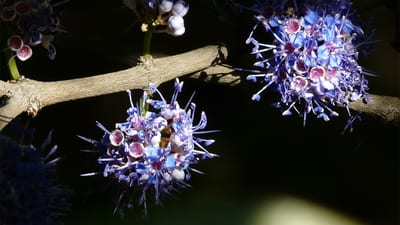
Cinnamomum litseaefolium is a tree in the laurel family, Lauraceae, found nowhere in the world except Sri Lanka. Known in Sinhala as Kudu kurundu (කුඩු කුරුඳු), it belongs to the same genus as Ceylon cinnamon and shares the family's characteristic aromatic bark and foliage, though this species is not used as a spice or food.
What does Cinnamomum litseaefolium look like?
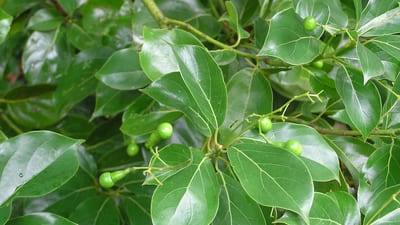
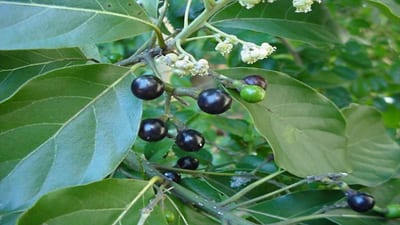
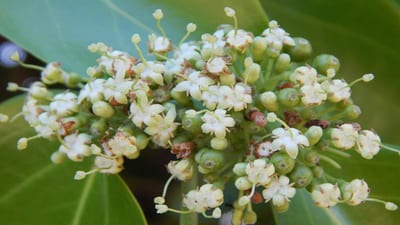
It is a large tree reaching about 12-15 metres in height. Its young shoots and leaves are pubescent, meaning they are covered in a fine layer of soft hairs. The leaves are 7.5-12.5 cm long with an obscurely 3-nerved pattern, and each leaf is attached by a short petiole of 5-7.5 mm. Flowers are borne in numbers on silky pedicels, and the fruit that follows is ovoid in shape.
Where does Cinnamomum litseaefolium grow?
The species is endemic to Sri Lanka, meaning it occurs naturally only on the island and nowhere else in the wild. As with many endemic trees in the Cinnamomum genus, it is part of the island's native forest flora.
What is its conservation status?
Under the National Conservation Status list of Sri Lanka (2012), Cinnamomum litseaefolium is classified as Endangered. This designation reflects a serious risk of extinction in the wild and underscores the value of protecting Sri Lanka's remaining native forest habitats where endemic trees like this one persist.
What is it called in Sinhala, and can it be eaten?
Its Sinhala name is Kudu kurundu (කුඩු කුරුඳු). The species has no recorded edible parts, and it should not be treated as a food or spice source despite its relation to cinnamon.
| Attribute | Detail |
|---|---|
| Scientific name | Cinnamomum litseaefolium |
| Family | Lauraceae |
| Sinhala name | Kudu kurundu (කුඩු කුරුඳු) |
| Status in Sri Lanka | Endemic |
| Conservation status | Endangered (National Conservation Status list of Sri Lanka, 2012) |
| Edible parts | None |
| Growth form | Large tree, 12-15 m tall, young parts pubescent |
| Leaves | 7.5-12.5 cm long, obscurely 3-nerved; petiole 5-7.5 mm long |
| Flowers | Numerous, on silky pedicels |
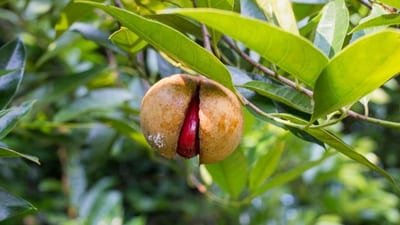
| Fruit | Ovoid |
Other species in this genus
4 more, sharing the same genus.