Eucalyptus citriodora — now more precisely classified as Corymbia citriodora — is a tall, elegant tree native to north-eastern Australia. In Sri Lanka it is perhaps best known not as a wild species but as a recognised entry in the country's catalogue of Ayurvedic medicinal plants, where its essential oil plays a documented role in traditional wellness practice. The tree's most immediate characteristic is its scent: crush a leaf and the clean, citrus-like fragrance of citronellal is unmistakable.
What does Eucalyptus citriodora look like?
The lemon-scented gum is a large tree capable of reaching considerable heights in favourable conditions. Its bark is smooth, shedding seasonally to reveal a pale surface ranging from white to soft pink — a trait that sets it apart from rougher-barked eucalypts. Adult leaves are narrow and lance-shaped to gently curved, and they contain the oil glands responsible for the characteristic lemony aroma. Flower buds appear in clusters of three, opening into small white flowers, and the fruit is a woody, urn-shaped or barrel-shaped capsule — the classic eucalypt "gumnut".
Like all members of the broader eucalypt group, the petals and sepals are fused into a cap-like structure called an operculum, which falls away when the stamens unfurl. This is one of the defining botanical signatures of the genus Eucalyptus and its relatives within the family Myrtaceae.
How does Eucalyptus citriodora relate to the wider Eucalyptus genus?
Eucalyptus is a genus of more than seven hundred species of trees, shrubs, and mallees in the family Myrtaceae. Together with related genera such as Corymbia and Angophora, they are collectively called eucalypts. Most species are endemic to Australia, where they form roughly three-quarters of all forest cover. A small number are native to islands north of the continent, and an even smaller group has established itself naturally outside the Australian region.
Eucalypts share several structural features: oil-bearing leaf glands, the distinctive operculum, and woody seed capsules. Bark texture varies widely across species — smooth and powdery in some, fibrous or deeply furrowed in others. Many species are fire-adapted, able to resprout from lignotubers after bushfire or producing seeds that germinate readily in post-fire conditions.
Outside Australia, eucalypts — including Corymbia citriodora — have been planted in commercial forestry programmes across Asia, Africa, and Latin America, valued for their fast growth, timber quality, and usefulness in pulpwood and essential-oil production. In some regions, however, large-scale planting has been curtailed because of the genus's high flammability and its impact on local hydrology.
What are the traditional and Ayurvedic uses of Eucalyptus citriodora?
Sri Lanka has a long and sophisticated tradition of plant-based medicine rooted in Ayurveda, and Eucalyptus citriodora holds an official place in the country's Ayurvedic pharmacopoeia. The essential oil distilled from its leaves — rich in citronellal and citronellol — is the primary medicinally active fraction. Traditional applications focus on its antiseptic, anti-inflammatory, and insect-repellent properties.
- Respiratory support: Steam inhalation using eucalyptus oil is a common home remedy for congestion and sinusitis across South Asia.
- Topical antiseptic: Diluted oil or preparations containing it are applied to minor skin irritations and wounds.
- Insect repellence: Citronellal, the dominant compound in C. citriodora oil, is a well-documented natural mosquito repellent and forms the basis of several commercial repellent formulations.
- Muscle and joint ease: Massages using eucalyptus-infused oils are practised in Ayurvedic spas for temporary relief of muscular tension.
- Aromatherapy: The fresh, citrus-green scent is used in diffusers, bath products, and wellness spaces for its mentally clarifying effect.
Sri Lanka's Ayurvedic tradition draws on a rich pharmacopoeia that includes many aromatic plants. Syzygium aromaticum (clove) is another well-known medicinal species cultivated in the island and used in both traditional medicine and culinary contexts.
Where is Eucalyptus citriodora grown in Sri Lanka?
The species is not native to Sri Lanka but has been introduced and is cultivated — primarily in plantation settings in the hill country and mid-elevation zones — for essential-oil extraction and forestry purposes. Its preference for well-drained soils and full sun makes elevated terrain in the central and upcountry regions broadly suitable. Commercial distillation operations supply both domestic Ayurvedic manufacturers and export markets.
Visitors travelling through Sri Lanka's tea country and hill districts may encounter eucalyptus groves alongside indigenous flora. Areas near Horton Plains National Park and the surrounding uplands illustrate the broader landscape context in which introduced plantation species coexist with native cloud-forest vegetation.
What products are made from Eucalyptus citriodora oil?
The oil extracted from lemon-scented gum leaves is versatile and commercially significant. Sri Lankan wellness and personal-care brands have incorporated it into a wide range of formulations:
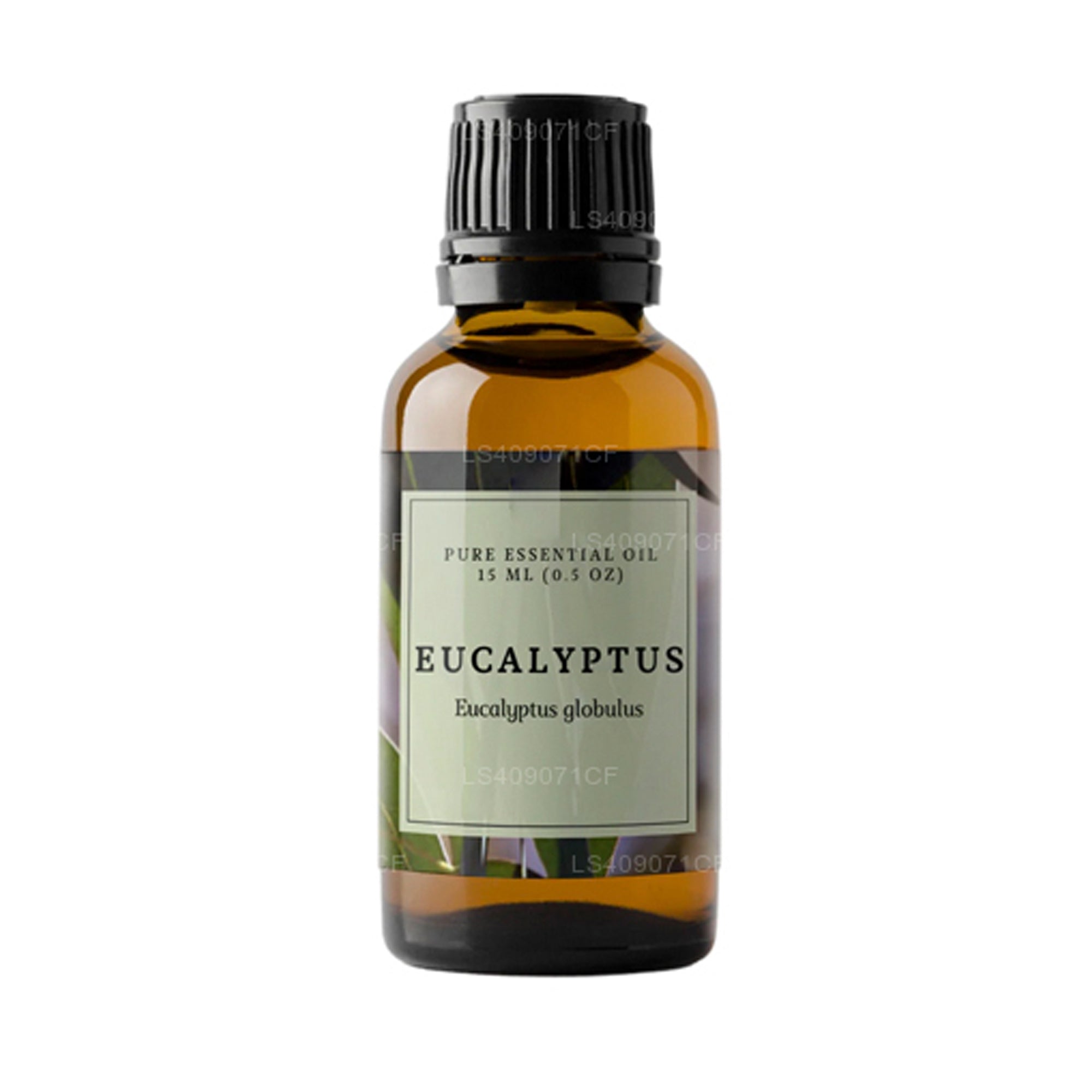
- Pure essential oils for aromatherapy and home diffusion
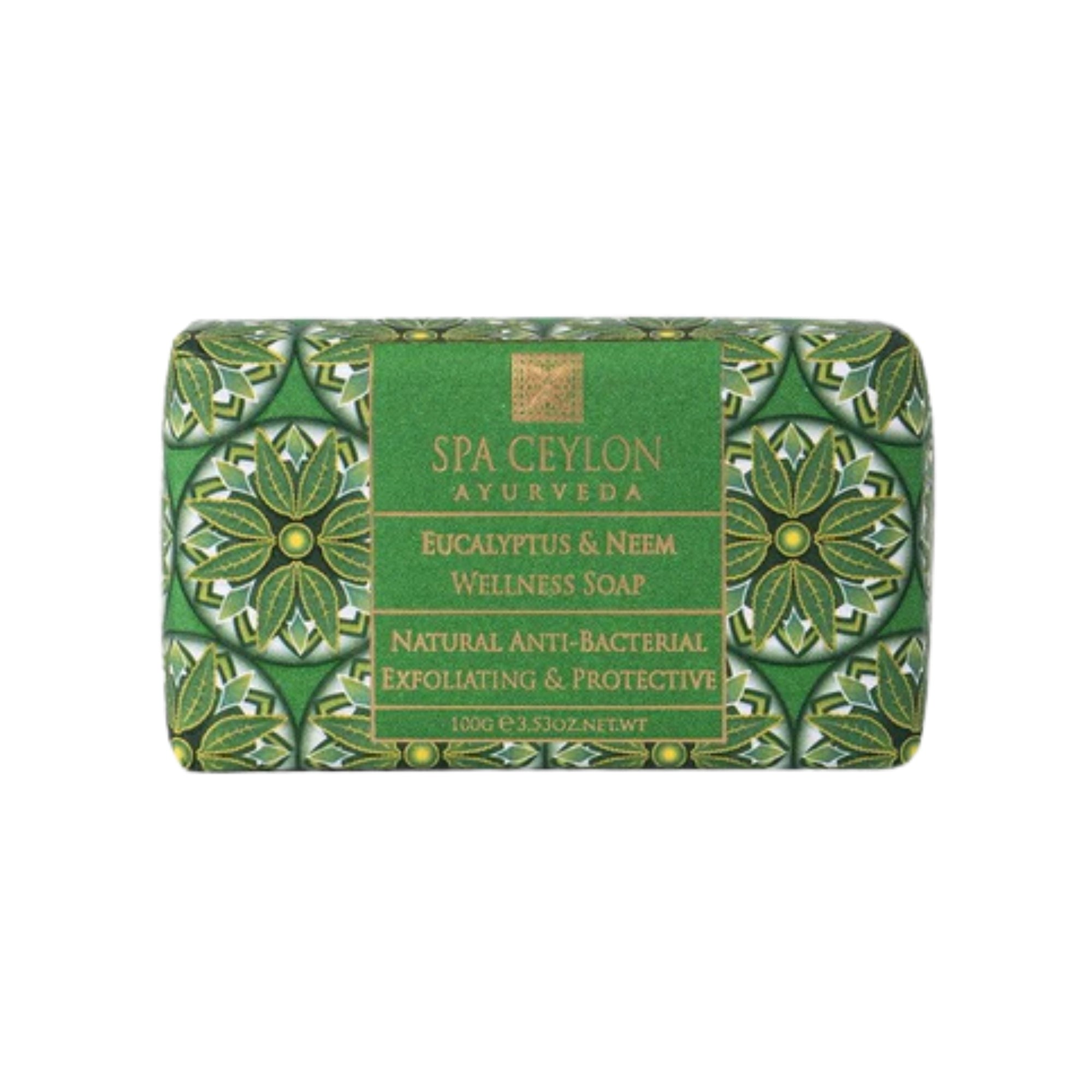
- Antibacterial and exfoliating soaps
- Bath and shower gels with detoxifying claims
- Herbal teas blending eucalyptus leaf with other botanicals
- Massage oils and balms used in Ayurvedic treatments
When purchasing eucalyptus essential oil, it is worth checking whether the product specifies Corymbia citriodora (lemon-scented gum, high in citronellal) or Eucalyptus globulus (blue gum, high in 1,8-cineole), as the two have different aromatic profiles and slightly different traditional applications. Sri Lankan producers typically offer both, and both are found in the local Ayurvedic tradition.
Is Eucalyptus citriodora safe to use at home?
Pure essential oils are highly concentrated and should always be diluted in a carrier oil before any skin application — typically 2–3 drops per teaspoon of carrier oil for adults. Eucalyptus oil of any kind is not suitable for use on or near the faces of young children, and internal ingestion is not recommended outside professionally supervised Ayurvedic protocols. People with asthma or respiratory conditions should approach inhalation cautiously and consult a healthcare provider. When sourced from reputable producers and used as directed, eucalyptus-based wellness products have a long safety record in both Ayurvedic and modern contexts.
How does Eucalyptus citriodora fit into sustainable sourcing?
As a fast-growing plantation species, Corymbia citriodora can be harvested on a renewable cycle, making it relatively resource-efficient compared with slower-growing medicinal trees. Responsible producers harvest leaves without felling the tree, allowing regrowth. However, because large eucalyptus monocultures can suppress native understorey plants and affect groundwater, well-managed mixed plantations or dedicated plots are environmentally preferable to blanket afforestation. Buyers interested in sustainably sourced Ayurvedic ingredients can look for producers who document their cultivation and distillation practices.
Other species in this genus
1 more, sharing the same genus.
Related reading
1 pages on closely related subjects.