



Areca concinna is a slender, understory palm native to Sri Lanka and parts of South Asia, recognized within the island's traditional ayurvedic medicinal plant catalogue. While far less famous than its close relative Cocos nucifera, this species holds a quiet but meaningful place in Sri Lanka's botanical heritage, growing in humid lowland and mid-elevation forests where it often passes unnoticed beneath the rainforest canopy.
What is Areca concinna and how does it differ from the common areca palm?
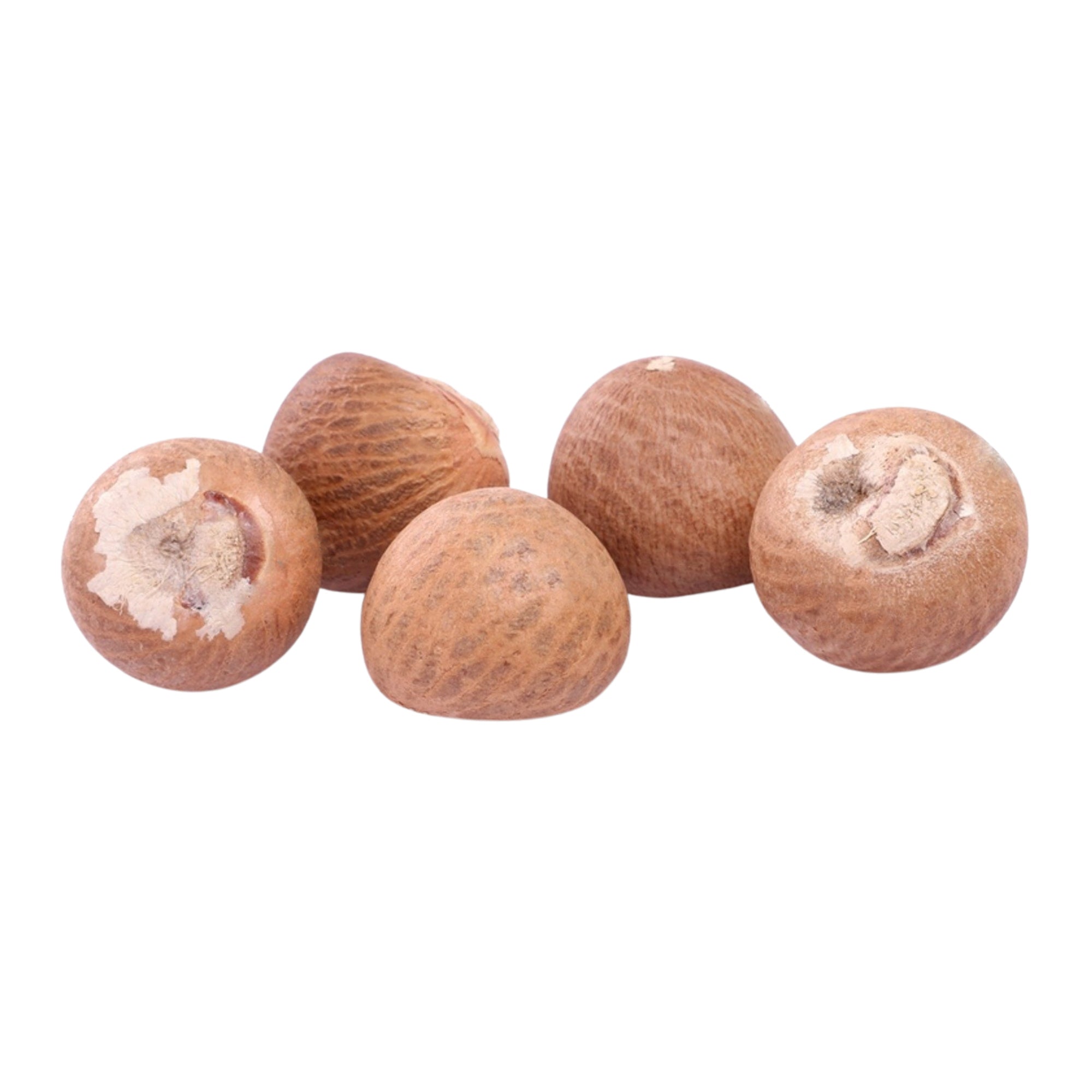
The genus Areca encompasses around sixty palm species distributed across tropical Asia, and Sri Lanka is home to several of them. Areca concinna is a smaller, more delicate species compared to the commercially dominant Areca catechu — the betel nut palm cultivated widely across the island for its nuts, which are chewed with betel leaf as part of a longstanding cultural tradition. Areca concinna grows as a clustering understory palm, producing multiple slender stems rather than a single tall trunk, and bears small fruits that are considerably more modest in size than the commercially harvested areca nut.
Botanically, it belongs to the family Arecaceae and is sometimes called the dwarf areca or concinna palm in horticultural contexts. Its compact growth habit makes it well-suited to shaded, humid environments, and it is occasionally cultivated as an ornamental plant in tropical gardens.
Where does Areca concinna grow in Sri Lanka?
In Sri Lanka, Areca concinna is most frequently encountered in the wet zone forests of the southwestern lowlands and in the foothills leading up to the central highlands. Moist, shaded environments with rich, well-drained soils suit it best. It is associated with the kind of dense, multi-layered forest found in areas like the Sinharaja Forest Reserve, one of the island's last intact lowland rainforests and a UNESCO World Heritage Site.
The species is not typically found in the dry zone or in open agricultural land. Its distribution reflects a preference for high humidity and filtered light — conditions that are increasingly under pressure from deforestation and land conversion, making conservation of Sri Lanka's wet zone forests important for species like this one.
What are the traditional ayurvedic uses of Areca concinna?
Sri Lanka's ayurvedic tradition is one of the oldest continuously practised systems of medicine in the world, drawing on a vast pharmacopoeia of indigenous plants. Areca concinna is listed within the country's catalogue of ayurvedic medicinal plants, indicating that practitioners have historically attributed therapeutic properties to parts of this species.
In the broader ayurvedic framework associated with the Areca genus, different parts of the palm — including the nut, the spathe (the sheath enclosing the flower cluster), and root tissues — have been used in various formulations. Traditional uses across South Asian herbal medicine systems have included applications related to oral health, digestive function, and as components of compound herbal preparations. It is worth noting that ayurvedic uses vary by practitioner lineage and regional tradition; any therapeutic application should be explored with a qualified ayurvedic physician rather than through self-medication.
Compound herbal formulations that draw on plants within the ayurvedic catalogue include preparations such as Yogaraja Guggulu, which illustrates the broader tradition of combining multiple plant-derived ingredients to address complex health conditions.
How is the Areca genus used more broadly in Sri Lankan culture and commerce?
Beyond its medicinal standing, the areca palm family has a significant cultural and commercial footprint in Sri Lanka. Areca catechu, the betel nut palm, is cultivated across much of the island, and its nut is an integral part of the traditional welcoming ritual offered to guests — presented on a tray alongside betel leaves, lime paste, and sometimes cloves or cardamom. The act of chewing betel is deeply embedded in ceremonial life, from temple offerings to wedding customs.
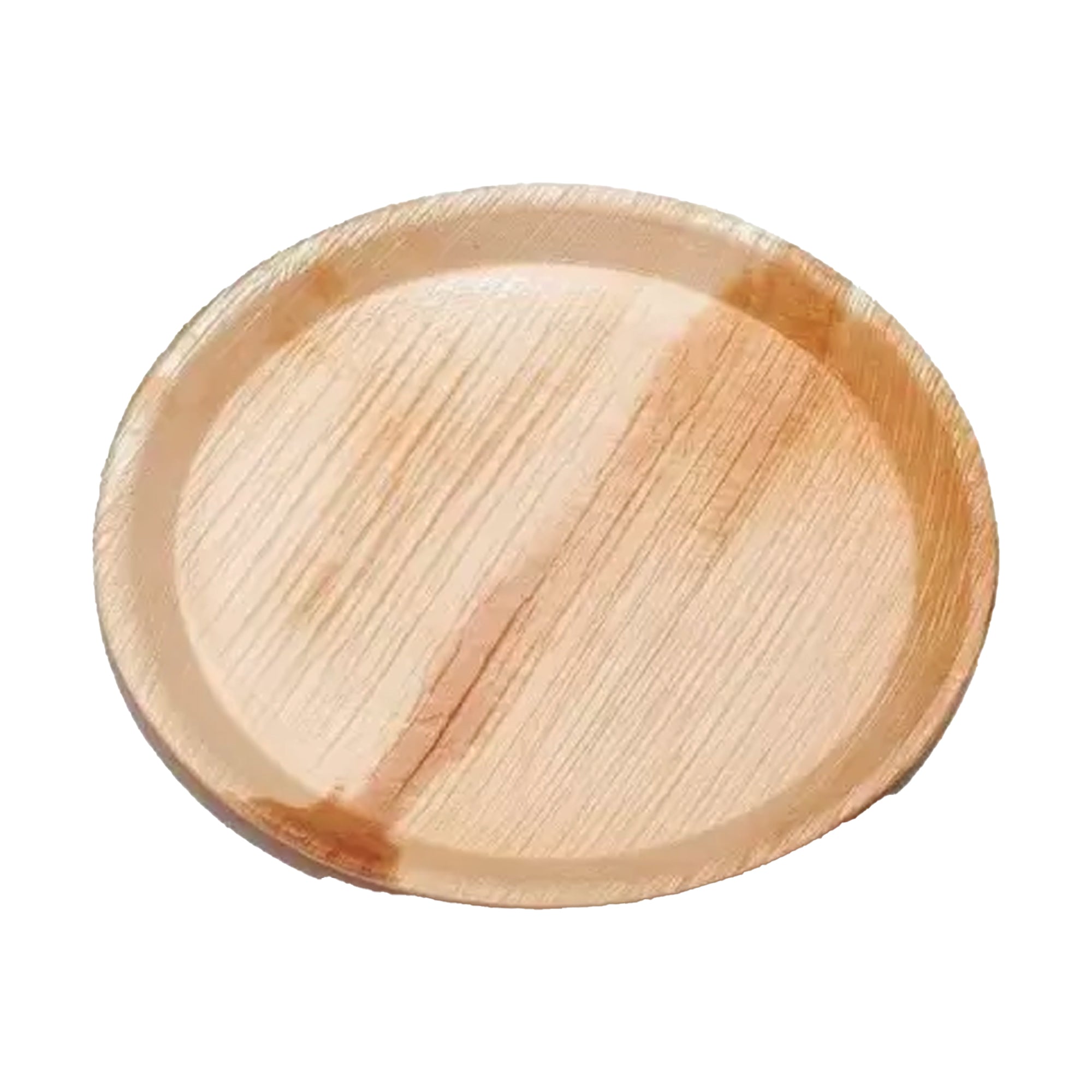
More recently, the fallen leaf sheaths — the dried spathe that drops naturally from areca palms — have become the basis of a growing eco-friendly tableware industry. These sheaths can be pressed into plates, bowls, and containers without the use of chemicals, adhesives, or heat-sealing agents, producing fully compostable single-use food ware. This has attracted international attention as an alternative to plastic and styrofoam in the food service industry. Lakpura stocks a range of such areca-leaf products, from round plates to snack boxes, for buyers who want to source sustainable tableware directly from Sri Lanka.
What is the conservation status and ecological role of Areca concinna?
As an understory species dependent on intact forest, Areca concinna is ecologically linked to the health of Sri Lanka's remaining wet zone and transitional forests. Understory palms perform important roles in forest ecosystems: their fruits provide food for birds and small mammals, their dense stems offer microhabitat, and their leaf litter contributes to soil organic matter.
Sri Lanka has one of the highest rates of plant endemism in Asia relative to its land area — around a third of its flowering plants are found nowhere else on Earth. Several Areca species in the country are considered rare or have restricted ranges. Responsible ecotourism and the protection of remaining forest patches therefore contribute, indirectly, to the survival of species like Areca concinna.
How can travellers encounter Sri Lanka's botanical heritage?
Sri Lanka's plant diversity is best explored through its forests, botanical gardens, and ayurvedic centres. The Hakgala Botanical Gardens in the hill country and the Royal Botanic Gardens at Peradeniya, near Kandy, both maintain collections of native and introduced palms and are accessible to visitors. Village walks and forest excursions in the wet zone offer the chance to see plants like Areca concinna in their natural context.
Ayurvedic wellness tourism is a growing segment of Sri Lanka travel, with practitioners across the island offering consultations, treatments, and guided explanations of the local materia medica. Visitors interested in learning about the island's medicinal plant traditions — including species catalogued in the ayurvedic pharmacopoeia — will find that many heritage hotels and wellness retreats incorporate these elements into their programmes.
For those interested in sustainable Sri Lankan products derived from the areca palm, the island's craft and export sector has developed a range of leaf-ware items that make for practical, eco-conscious souvenirs with a genuine agricultural story behind them.
Other species in this genus
1 more, sharing the same genus.
Related reading
2 pages on closely related subjects.