Mimusops elengi — known in Sri Lanka by its Sinhala name Moonamal and in English as Spanish cherry — is one of the island's most quietly beloved trees. An evergreen native to South and Southeast Asia, it earns its place in temple courtyards, roadside avenues, and home gardens through a combination of dense shade, sweetly scented flowers, and a long tradition of medicinal and ritual use. It is not a showy tree in the tropical sense, but it rewards close attention.
What does Mimusops elengi look like?
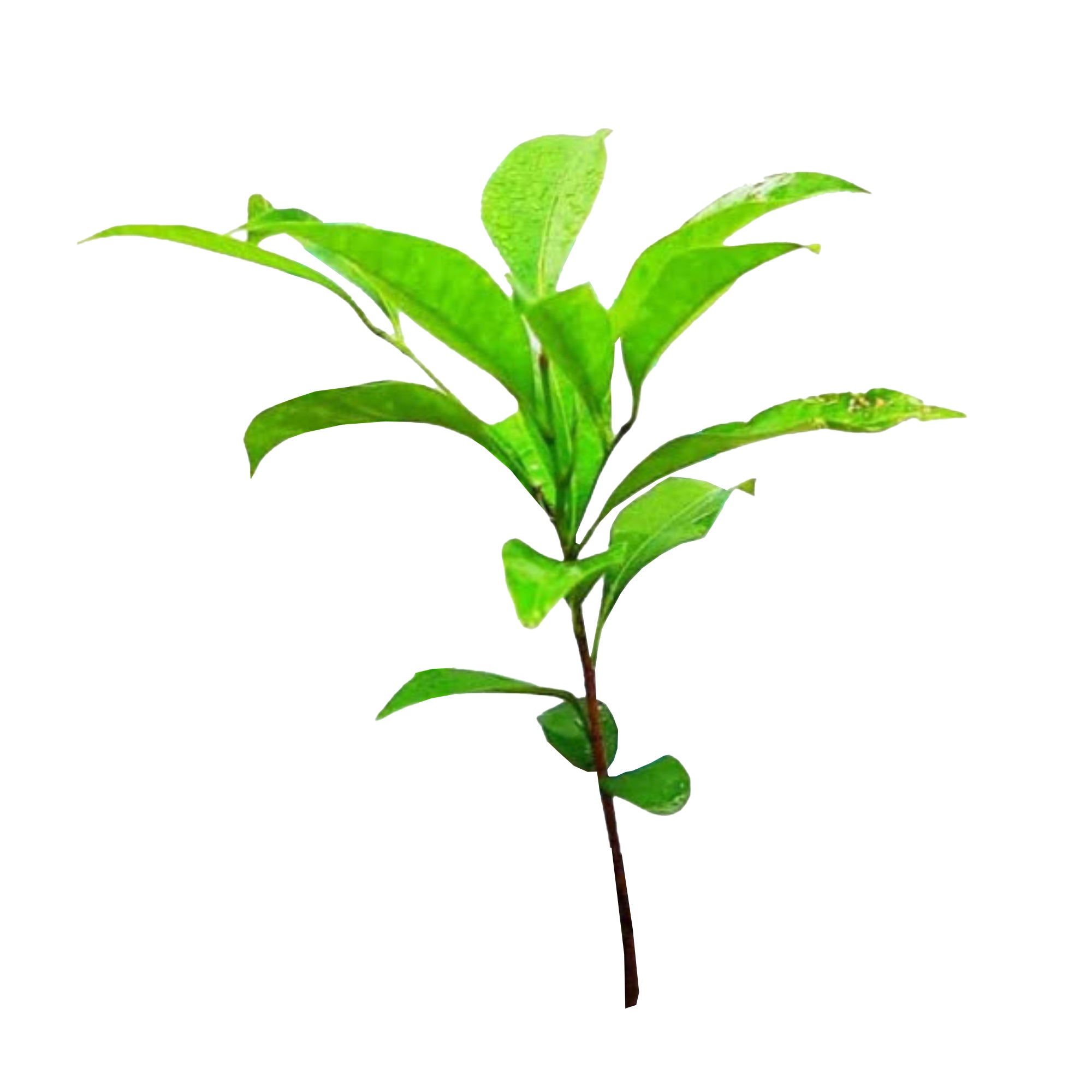
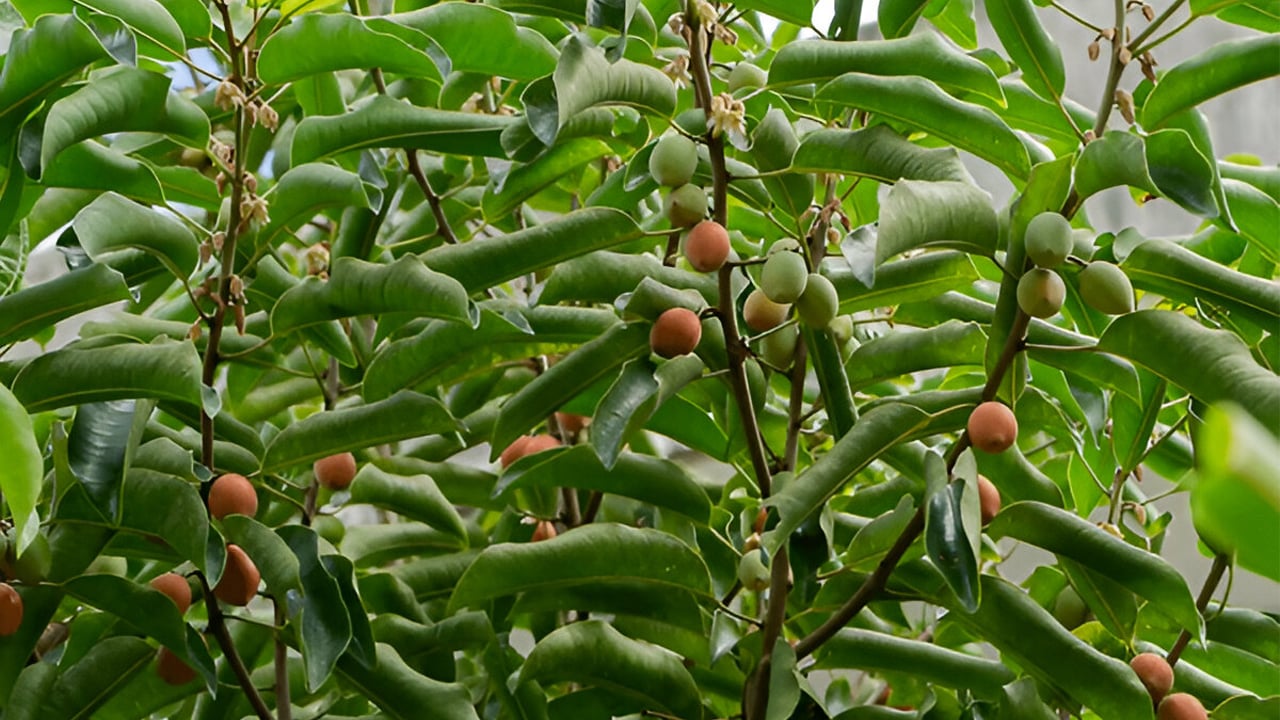
Spanish cherry is a medium to large evergreen tree that can reach 15–20 metres in maturity, though it is frequently kept shorter in cultivated settings. The canopy is broad and dense, with glossy, dark-green elliptic leaves that create deep shade throughout the year. The bark is dark grey and rough, becoming furrowed with age.
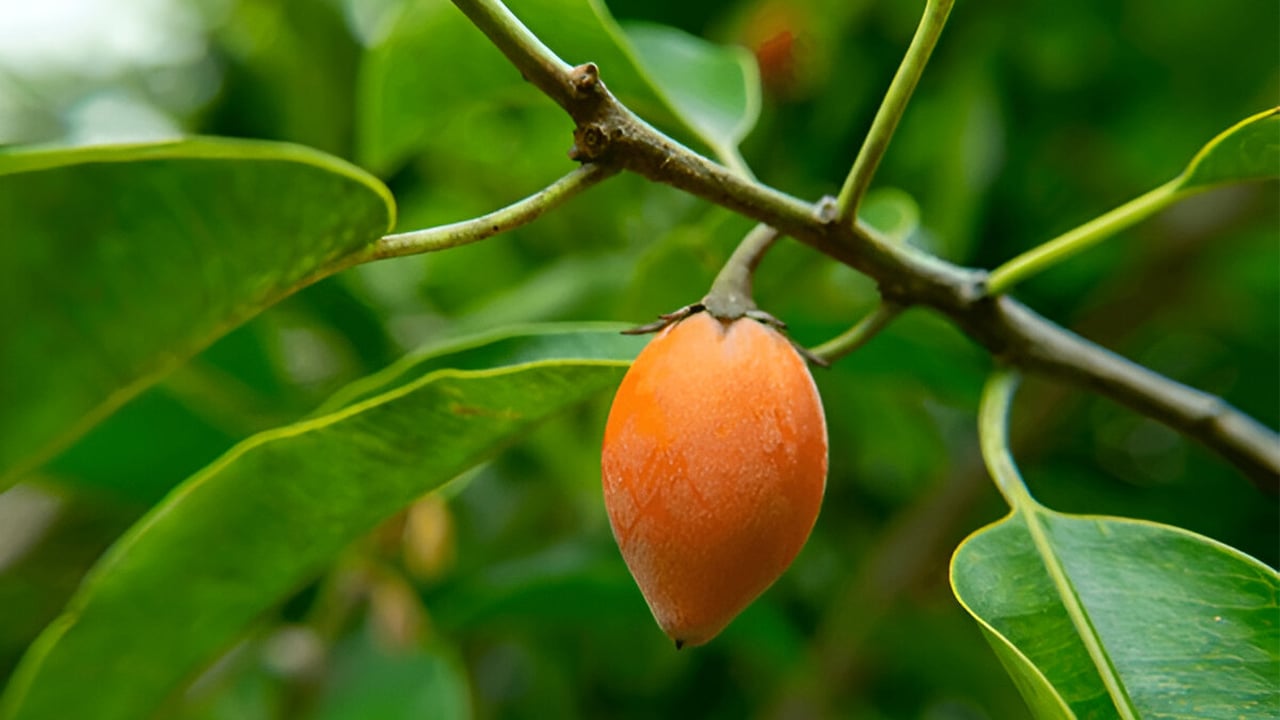
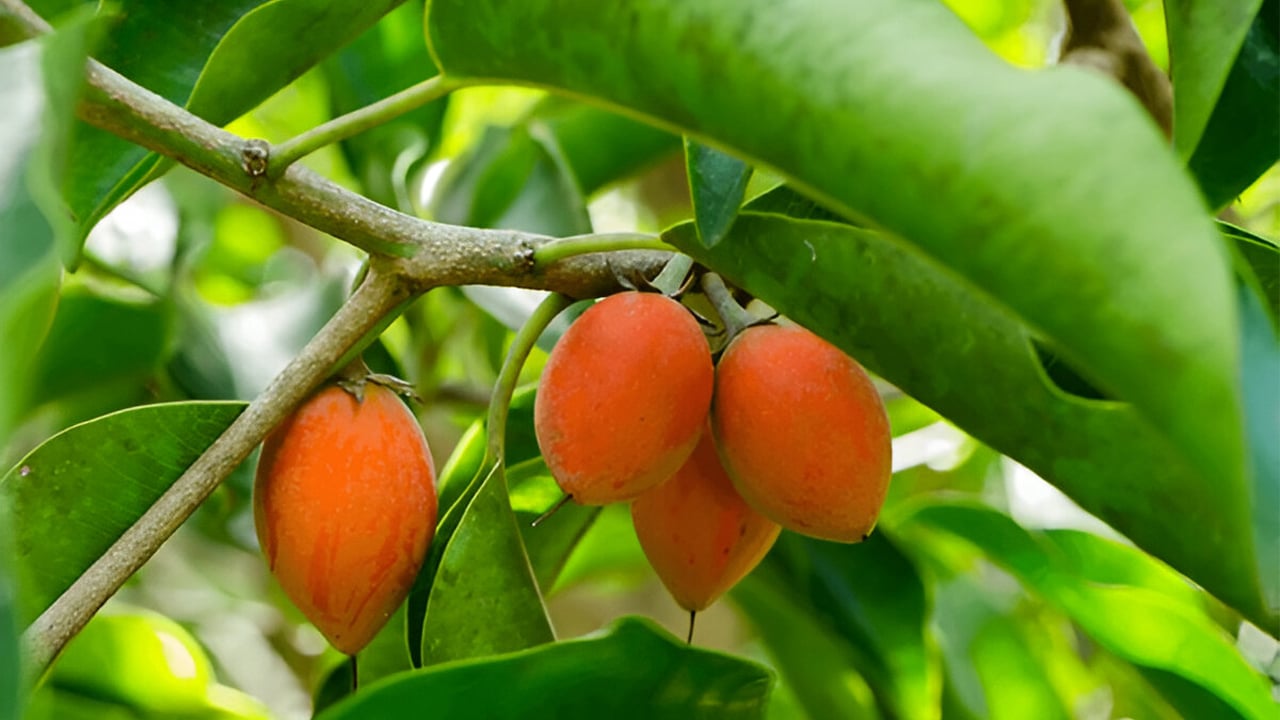
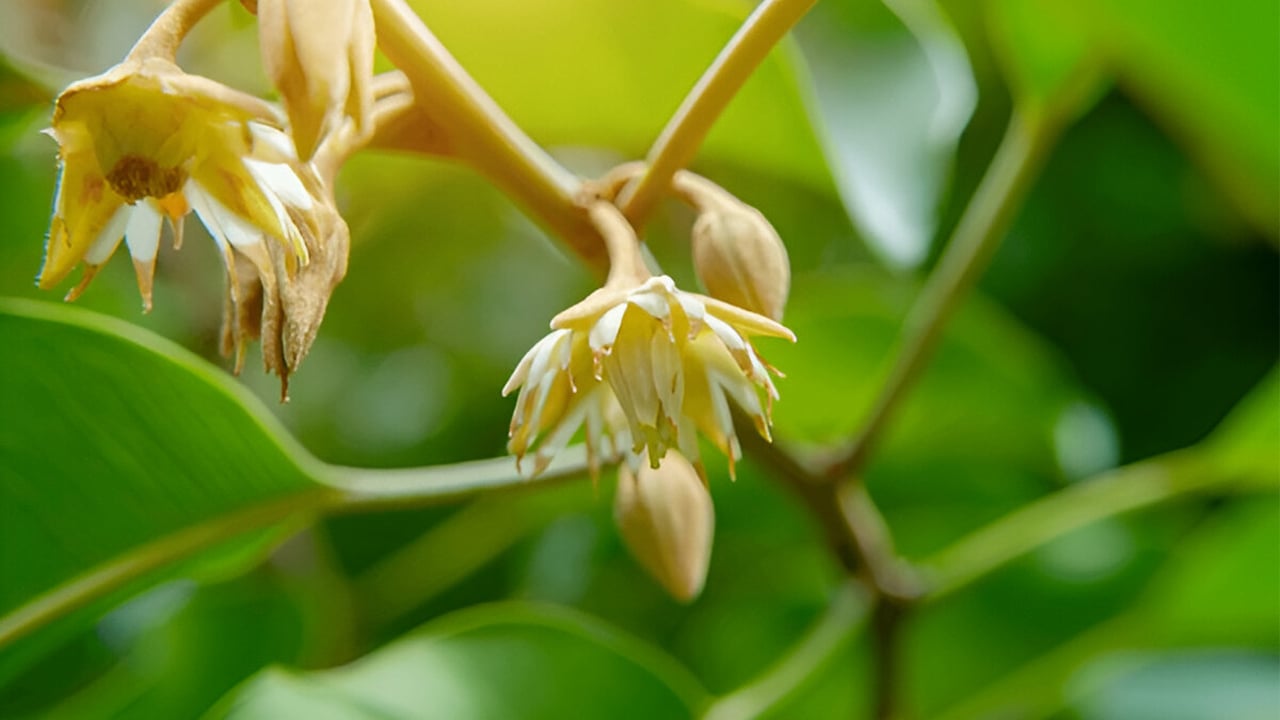
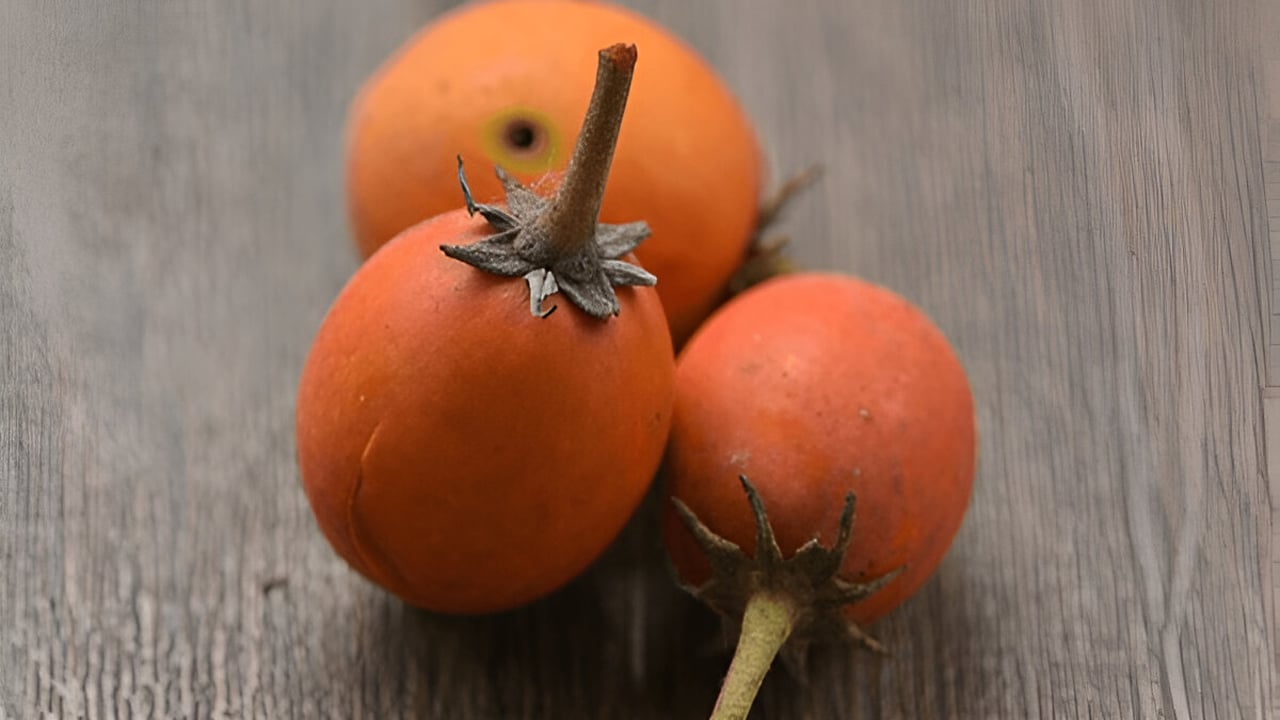
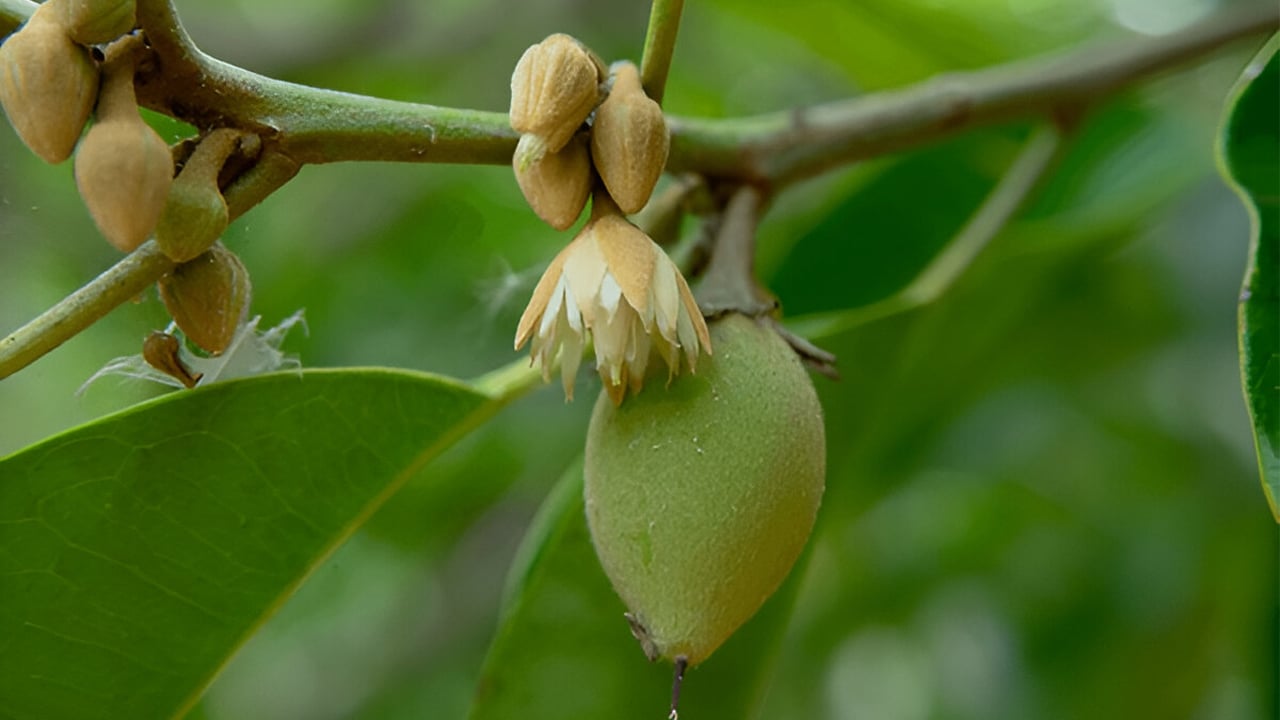
Flowers are small — typically under a centimetre across — white to cream in colour, and fringed with slender petals. What they lack in size they compensate for in fragrance: the scent is rich and slightly sweet, most noticeable in the early morning and at dusk. Fruits are oval, about 2–4 cm long, green when young and turning orange-yellow when ripe.
Where does Moonamal grow in Sri Lanka?
The tree grows throughout Sri Lanka from the coastal lowlands up to around 1,000 metres elevation. It is most commonly encountered in the dry and intermediate zones, where it thrives in well-drained soils under full sun. Temple gardens across the Cultural Triangle — from Anuradhapura to Kandy — have hosted Moonamal trees for centuries, and many old specimens in these sites are considered sacred by local communities.
Outside of heritage sites, the tree is planted along urban streets in Colombo and other cities for its shade value and tolerance of drought once established. It is also found in home gardens across the Southern, Western, and North Central provinces.
When does Spanish cherry bloom?
Mimusops elengi blooms primarily during the dry season, typically between March and August, though flowering can extend into other months depending on local rainfall patterns. A single tree may flower in waves across several weeks, meaning the fragrance can linger over a long period. Ripe fruits appear roughly three to four months after flowering. In temple settings, freshly fallen flowers are collected at dawn for use in offerings, as the blooms drop overnight and are gathered before sunrise when their scent is strongest.
What is Moonamal used for in Ayurvedic medicine?
Sri Lankan and Indian Ayurvedic traditions have documented uses for almost every part of this tree. The bark is astringent and is used in formulations to support dental health — as a tooth powder and in preparations for strengthening the gums and reducing oral inflammation. The flowers, both fresh and dried, are incorporated into preparations for their cooling and anti-inflammatory properties.
Seeds yield an oil that has historically been applied in treatments for skin conditions and scalp care. The fruit pulp, consumed when fully ripe, is mildly astringent and has been used to support digestive health. While Ayurvedic applications are traditional and not a substitute for modern clinical guidance, the range of documented uses reflects the tree's deep integration into South Asian herbal systems.
- Bark: dental care, wound healing, astringent preparations
- Flowers: anti-inflammatory, used in garlands and ritual offerings
- Seeds/oil: skin and scalp applications
- Fruit pulp: mild astringent, digestive support
- Leaves: poultice for headaches in traditional folk medicine
What is the cultural significance of Mimusops elengi in Sri Lanka?
In Sri Lanka, the Moonamal occupies a space between the practical and the sacred. Its flowers are strung into garlands offered at Buddhist and Hindu temples, and the tree itself is sometimes planted deliberately near dagobas and shrines as a living offering. The fragrance of Moonamal is so strongly associated with temple life that many Sri Lankans describe it as the scent of devotion.
The tree also appears in classical Sinhala literature and poetry as a symbol of beauty and the passage of time. Its flowers open at night and are gathered at dawn — a cycle that has given rise to a number of metaphors in traditional verse. In some communities, planting a Moonamal near a home is considered auspicious.
What are the ecological benefits of Spanish cherry?
Beyond its cultural and medicinal roles, Mimusops elengi performs useful ecological functions. The broad, persistent canopy provides shade that reduces ground-level temperatures, making it a practical choice for urban heat mitigation. The flowers attract bees and other pollinators, and the ripe fruits are consumed by birds and small mammals, supporting urban wildlife corridors.
The tree is moderately drought-tolerant once established and does not demand intensive maintenance, which makes it a sensible choice for sustainable landscaping in Sri Lanka's intermediate and dry zones. Its deep root system also contributes to soil stability on sloped or eroded ground.
How is the timber of Mimusops elengi used?
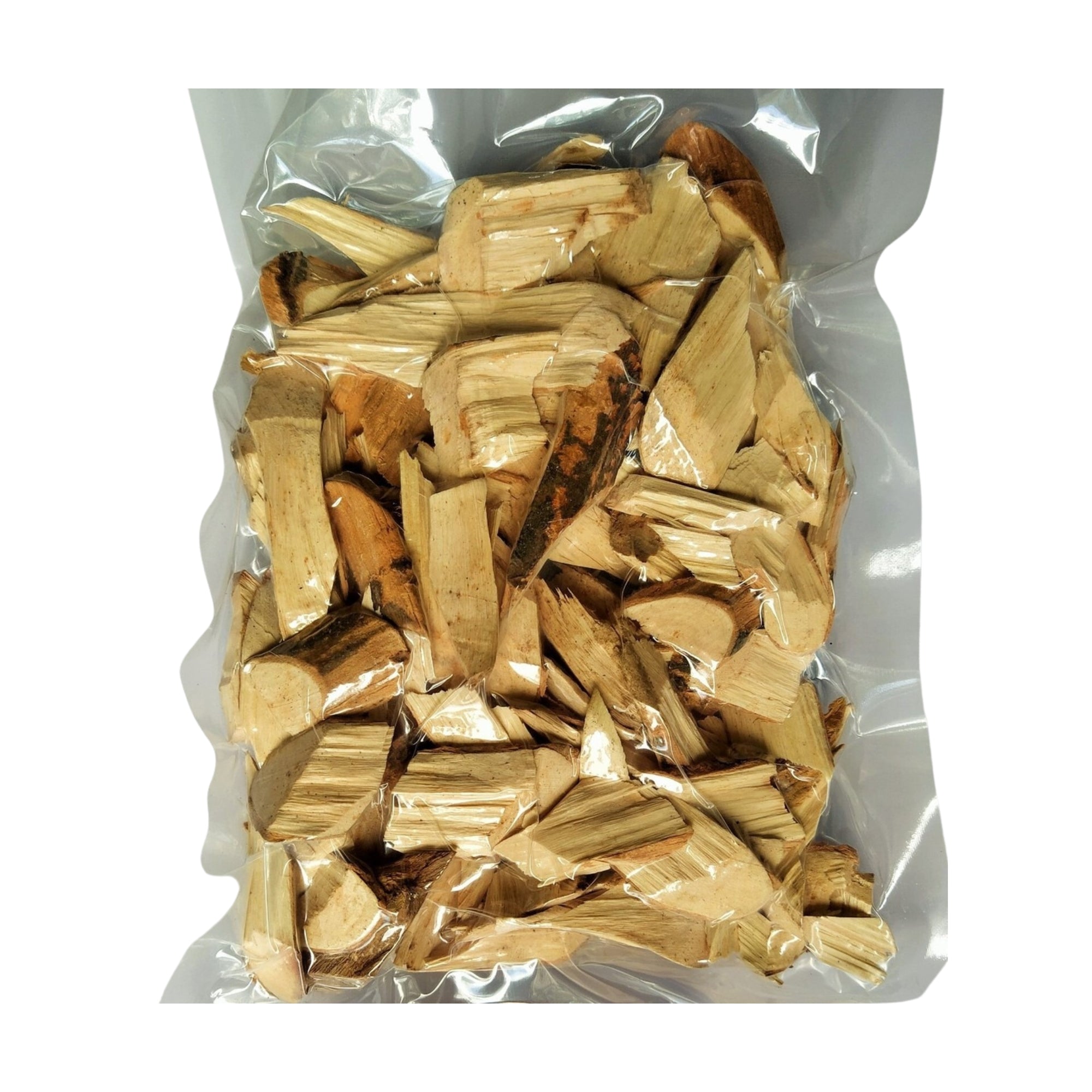
Spanish cherry produces a hard, dense reddish-brown timber that is resistant to decay and insect damage. It has traditionally been used in furniture, boat building, and construction of roof beams. Because the tree grows slowly, commercial harvesting is limited, but salvaged wood from old specimens is considered valuable by craftspeople. The density of the wood also makes it useful as firewood and for charcoal production in rural areas.
How do you grow a Moonamal tree?
Mimusops elengi is propagated from seed or from rooted cuttings. Seeds germinate reliably when fresh and planted in well-drained, sandy loam soil. The tree prefers full sun and is intolerant of waterlogged conditions. Young plants grow slowly in the first two to three years while establishing their root system, then accelerate.
For home gardens, a spacing of at least five metres from buildings is advisable given the eventual canopy spread. Regular watering during the first dry season after planting helps establishment; mature trees need little supplemental irrigation. The tree responds well to light shaping but does not require heavy pruning. It is suitable for both open gardens and large pots in the early years.
| Characteristic | Detail |
|---|---|
| Family | Sapotaceae |
| Mature height | Typically 10–20 metres |
| Flowering season | Primarily March–August |
| Soil preference | Well-drained loam; tolerates sandy soils |
| Light requirement | Full sun |
| Drought tolerance | Moderate to high (once established) |
| Native range | South and Southeast Asia |