Topaz is one of the most colour-diverse gemstones in the world, yet it is frequently misunderstood. Many people associate it only with a pale blue stone, but the mineral's natural colour range spans brown, yellow, orange, red, pink, purple, and colourless — each shade with its own market, history, and care requirements. For travellers visiting Sri Lanka, topaz holds particular relevance: the island has been a recognised source of blue topaz for centuries, and its gem markets remain among the most reputable in Asia.
What colours does topaz naturally occur in?
Natural topaz crystallises in a surprisingly wide spectrum. Colourless topaz is the most abundant form and is frequently treated to produce the familiar blue hues seen in jewellery worldwide. Yellow and orange stones are also common, while pink and red topaz are comparatively rare and command higher prices.
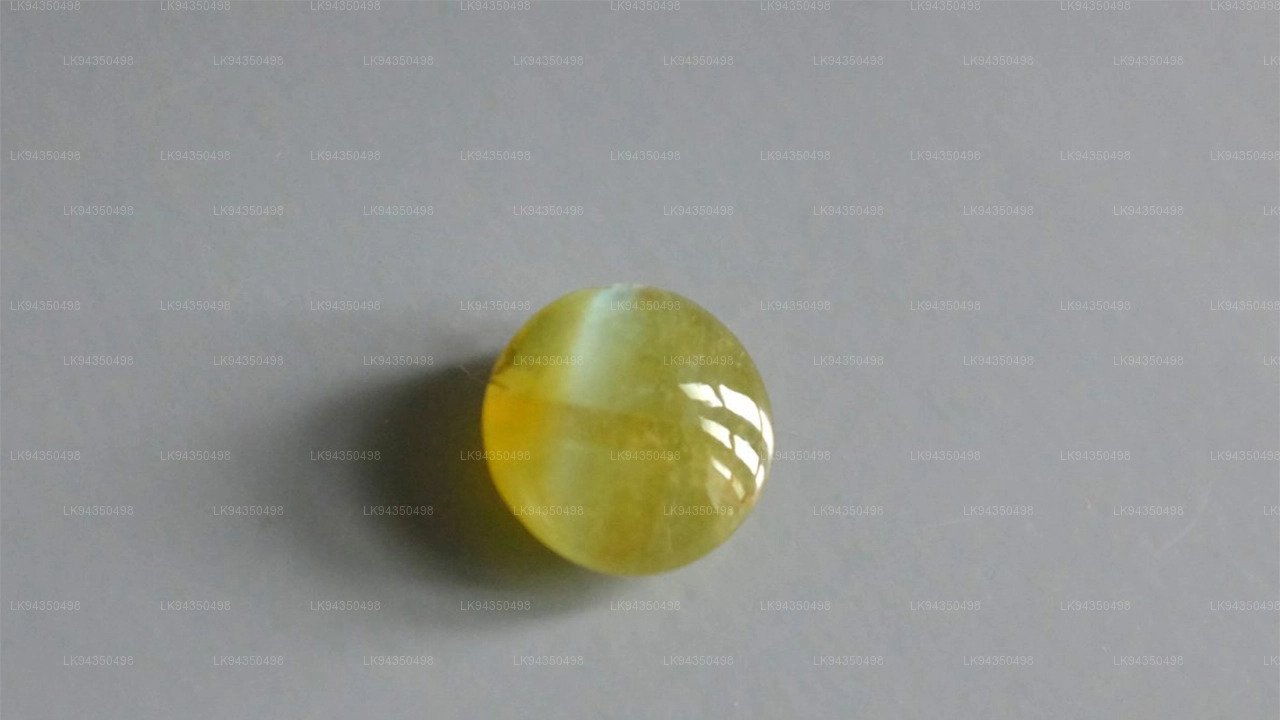
At the premium end sits Imperial topaz, a reddish-orange to orange-red variety that carries the deepest collector interest. A very small proportion of topaz specimens are chatoyant — displaying a cat's-eye effect caused by fine, parallel inclusions — making them exceptionally rare and sought after by specialist collectors.
Topaz is also pleochroic, meaning that a single crystal can display different colours when viewed from different angles. A lapidary must orient the stone carefully before cutting to bring out the most desirable hue.
Where in the world is topaz mined?
Brazil is the primary global source of high-quality topaz, producing the full range of colours including Imperial topaz from the state of Minas Gerais. Other notable sources include:
- Sri Lanka — historically significant for blue topaz; stones are often recovered alongside sapphires and other corundum in gem-bearing gravel deposits (illam).
- Russia (Ural Mountains) — the origin of Imperial topaz's royal heritage and once the leading world source in the nineteenth century.
- South Africa — known for blue material.
- Afghanistan — produces a range of colours from pegmatite deposits.
- Mexico — yields mostly brownish-yellow stones of modest gem quality.
- Utah, USA — a recognised domestic source, with topaz designated the state gem.
What is Imperial topaz and where does the name come from?
The name Imperial topaz has its roots in nineteenth-century Russia. When the Ural Mountains were the world's foremost source, the pink and reddish-orange stones extracted there were named to honour the Russian czar. Ownership of gem-quality material was reportedly restricted to the imperial family, lending the variety its enduring prestige.
Today, the term is most commonly applied to orange topaz with reddish overtones originating from Brazil, and it remains among the most valued topaz varieties on the international market. Topaz is also recognised as one of the traditional birthstones for November in the United States.
How is topaz treated and enhanced?
Treatments are widespread in the topaz trade and buyers should understand what is standard practice:
- Irradiation and coating — the majority of blue topaz sold commercially, including the popular Swiss Blue and London Blue varieties, starts as colourless rough that is irradiated and sometimes surface-coated to achieve its colour.
- Heat treatment — some golden or yellow topaz can be heated to produce a pink or purplish-red result. This is a permanent and accepted enhancement.
- Gamma irradiation of brown topaz — pale brown or "sherry" topaz can be improved by gamma irradiation, but the resulting colour is unstable: heat or prolonged sunlight exposure will typically reverse it.
Colour fading is a known issue in natural brown, sherry, and certain blue topaz specimens. When purchasing, ask whether the stone has been treated and what the long-term colour stability is expected to be.
How should topaz be cared for and cleaned?
Topaz has a hardness of 8 on the Mohs scale, making it resistant to scratching, but its toughness is rated poor. The crystal has a single direction of perfect basal cleavage, meaning a sharp blow at the wrong angle can split the stone cleanly. Handle topaz jewellery with care and avoid dropping pieces on hard surfaces.
Colour stability is generally good under normal light conditions, but prolonged exposure to direct sunlight or sustained heat can cause fading — particularly in yellow-to-brown, reddish-brown, or dark brown stones. Store pieces away from direct sunlight when not in use.
Topaz is only minimally affected by common household chemicals, but cleaning method matters:
- Use: warm water with a small amount of mild dish soap and a soft brush.
- Avoid: steam cleaners and ultrasonic cleaners — both can exploit the cleavage plane and cause internal fractures or surface damage.
How is rough topaz cut and shaped?
After mining, rough topaz typically appears as prismatic crystals with a characteristic orthorhombic form. Before any cutting begins, a lapidary studies the rough carefully, considering the stone's inclusions, colour zoning, and pleochroism. Orienting the cut to face the strongest colour axis is essential — this decision directly determines the finished gem's market value.
Common faceted cuts include oval, cushion, pear, and emerald (step) cuts, all of which maximise the return of light through a transparent stone. Very large gem-quality crystals of topaz are occasionally faceted into collector stones of hundreds of carats, since topaz rough can form exceptionally large, clear crystals.
Cabochon cuts are reserved for chatoyant material, where a domed, polished surface is necessary to display the cat's-eye effect properly. These stones are not faceted, as faceting would destroy the optical phenomenon.
Is topaz mined or sold in Sri Lanka?
Sri Lanka has a centuries-old tradition of gem trading, and blue topaz is among the stones recovered from the island's alluvial gem deposits, particularly in the Ratnapura district of Sabaragamuwa Province — a region whose name translates literally as "City of Gems." Topaz here is typically found alongside sapphire, spinel, and chrysoberyl in the gem-bearing gravel known locally as illam.
Visitors to Sri Lanka can view and purchase topaz at licensed gem dealers and the Gem and Jewellery Exchange in Colombo. When buying, look for a certificate from the National Gem and Jewellery Authority (NGJA) of Sri Lanka, the government body that provides independent grading and authenticity verification. Purchasing certified stones protects buyers from misrepresentation of treated or synthetic material.