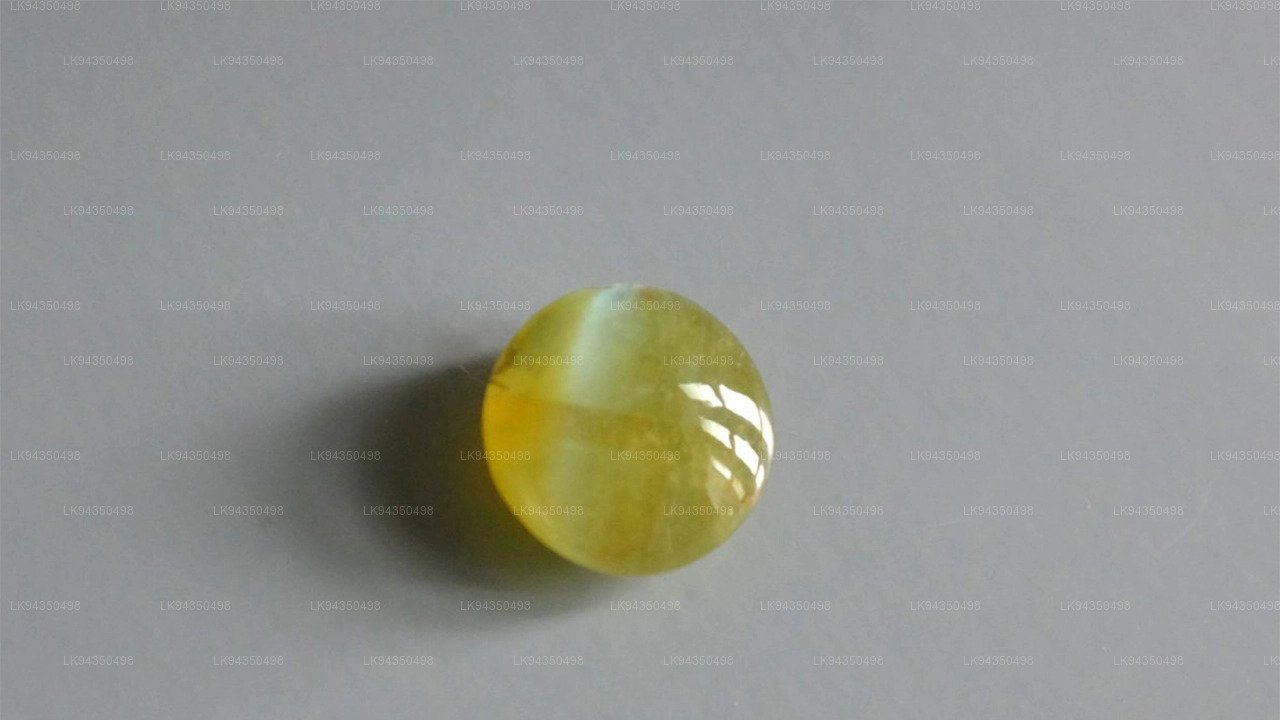
Spinel is one of Sri Lanka's most significant gemstones, prized for its wide colour range, strong durability, and a history that placed it at the heart of royal treasuries for centuries. For much of that history it was misidentified — passed off as ruby or sapphire, or simply overlooked. Today, with modern gemological methods clarifying mineral compositions, spinel has earned recognition as a genuinely distinct and desirable gem in its own right.
Why Is Spinel Often Confused with Ruby and Sapphire?
Spinel belongs to the oxide mineral group and forms in the same metamorphic and alluvial deposits where corundum — the mineral family of ruby and sapphire — is found. Before the development of modern gemology in the 19th and 20th centuries, the two were routinely identified together. Miners, merchants, and monarchs alike bought and sold spinels believing them to be rubies. It was only systematic analysis of crystal structure and chemical composition that separated the two gem families definitively.
The distinction matters: spinel is magnesium aluminium oxide, while corundum is aluminium oxide. Their optical and physical properties differ in measurable ways, even when their colours appear nearly identical to the naked eye. Many private and institutional collections around the world have since had to reclassify stones they had long catalogued as rubies.
What Colours Does Sri Lankan Spinel Come In?
Sri Lanka produces spinel across one of the broadest colour ranges of any single source. Common colours include ruby red, vivid pink, orange, reddish-brown, purple, blue, bluish-green, mauve, greenish-black, and black. Colourless specimens are known but uncommon. The distribution of trace elements in the host rock drives these colour variations — iron, chromium, and cobalt each leave a distinct signature in the finished stone.
Of particular note is cobalt spinel, a vivid blue variety coloured by cobalt rather than the iron that produces most blue spinels. Natural cobalt spinel is rare globally, and Sri Lanka is one of the very few confirmed sources. Deposits have been found around Ratnapura, Okkampitiya, and Embilipitiya. Because cobalt spinel commands strong collector interest, stones from these localities are well documented in the gemological literature.
What Are the Different Varieties of Spinel?
Within the broad spinel group, several compositional varieties carry their own names:
- Ceylonite — a dark, iron-rich variety with a subdued colour, named after the historical name for Sri Lanka.
- Gahnite — a zinc-aluminium spinel, typically blue-green to dark blue in colour.
- Gahnospinel — an intermediate variety between magnesian spinel and gahnite, containing both magnesium and zinc.
- Star spinel — extremely rare; the asterism is caused by needle-like rutile inclusions oriented along crystal axes, producing a four- or six-rayed star when cut en cabochon.
Beyond Sri Lanka, spinel is sourced from Myanmar (historically one of the most important origins), Afghanistan, Tanzania, Tajikistan, Brazil, Thailand, and Australia, among others.
How Hard and Durable Is Spinel as a Gemstone?
Spinel ranks 8 on the Mohs hardness scale, placing it above most common minerals that cause surface abrasion in everyday wear. Its crystal structure also gives it good toughness — meaning it resists chipping and fracturing better than harder but more brittle stones such as topaz. These two properties together make spinel a practical choice for rings, pendants, and other jewellery that receives regular use.
Care is straightforward. Warm soapy water and a soft brush are safe for routine cleaning. Ultrasonic cleaners are generally considered acceptable for untreated stones, though caution is advised if a stone may have been fracture-filled. High heat can cause colour fading in some spinel varieties, so it is best to keep spinel away from prolonged exposure to direct flame or jeweller's torches during repair work. Spinel is stable in normal light and resists most household chemicals.
What Treatments Are Applied to Spinel?
Natural spinel is frequently sold without any treatment, and untreated stones are the most valued by collectors and dealers. Two treatments do occur in the trade, however, and buyers should be aware of them:
- Heat treatment — applied to alter or intensify colour. The treatment is generally stable under normal wearing conditions and is not considered deceptive when disclosed.
- Fracture filling — glass or resin may be introduced into surface-reaching fractures to improve apparent clarity. This is considered a significant treatment and should always be disclosed at point of sale.
Reputable dealers and laboratories issue certificates noting whether a stone has been treated. When purchasing spinel in Sri Lanka, requesting a certificate from the National Gem and Jewellery Authority of Sri Lanka is advisable for higher-value stones.
What Is the Historical Significance of Spinel?
Spinel's misidentification as ruby placed it at the centre of some of history's most famous gem stories. Two of the most celebrated stones in the British Crown Jewels — the Black Prince's Ruby and the Timur Ruby — are in fact spinels. The Timur Ruby, weighing around 361 carats, is widely regarded as the world's most famous spinel. It bears inscribed records of the Mughal emperors who once owned it, giving it extraordinary historical as well as gemological significance.
Spinel was formally recognised as a distinct mineral species as early as 1587, when gem traders in Burma began distinguishing it from corundum by appearance. Full scientific separation came later, but Burma's — and Sri Lanka's — long experience with alluvial gem deposits meant that practical distinctions were being drawn by experienced traders well before laboratory analysis confirmed them.
How Is Spinel Typically Cut and Used in Jewellery?
The overwhelming majority of gem-quality spinel is faceted, with the choice of cut guided by the shape of the rough crystal and the depth of colour. Ovals, cushions, and rounds are the most common forms on the market. Cabochon cutting is reserved for star spinels and for opaque or heavily included material where a smooth dome displays the stone's colour more effectively than faceting would.
Sri Lanka's Ratnapura district — the country's principal gem-mining region — supplies a significant share of the world's natural spinel. Given Sri Lanka's position as the second-largest supplier to the global gem and jewellery market, stones of Sri Lankan origin carry provenance value, particularly for collectors interested in well-documented, ideally untreated material.