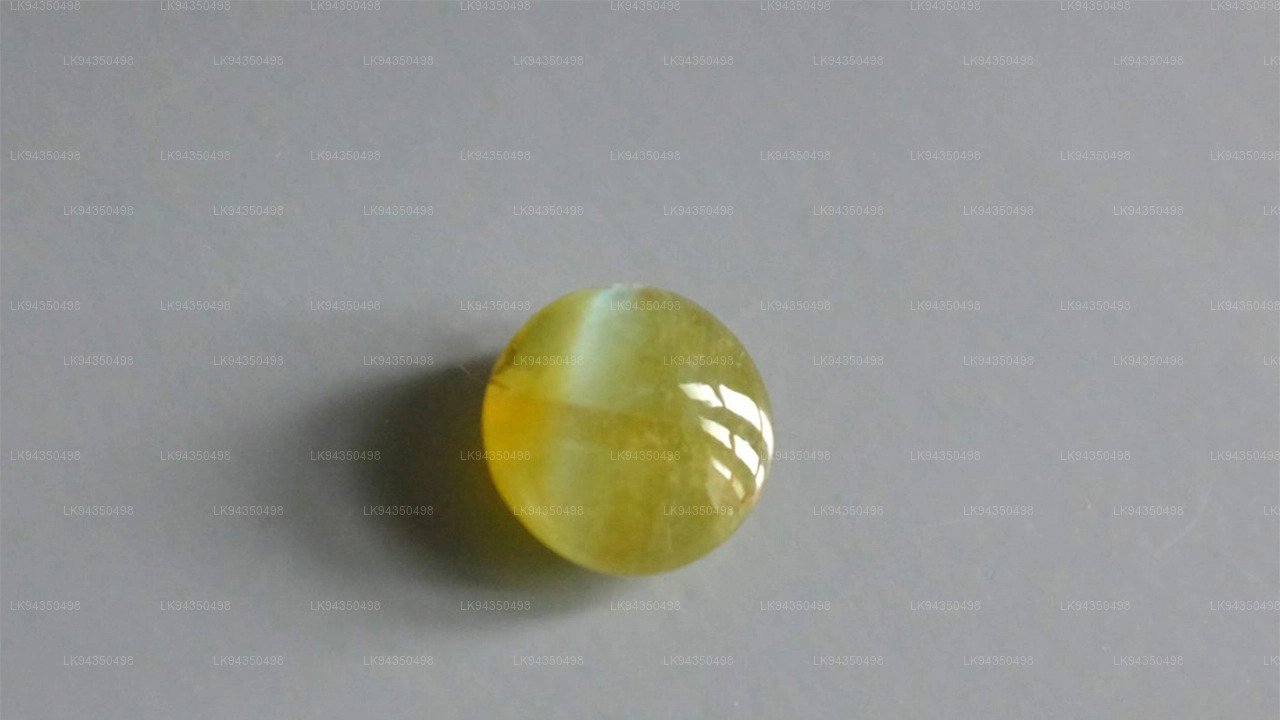
Alexandrite is one of the rarest gemstones on earth — a variety of chrysoberyl that shifts colour depending on the light source. In daylight or fluorescent light it appears green; under incandescent light the same stone turns red or reddish-purple. This optical phenomenon, caused by the way the mineral absorbs light, is so dramatic that gem traders coined the phrase "emerald by day, ruby by night." For collectors of coloured stones, few gems can rival it.
What makes alexandrite so rare?
The scarcity of alexandrite comes down to geology. The stone is composed primarily of beryllium and aluminium oxide, and its distinctive colour change is produced by trace amounts of chromium — the same element that gives emeralds their green. The problem is that beryllium and chromium rarely occur together in the same rock system. When they do, and when the conditions are right for crystal growth over millions of years, alexandrite can form. This precise combination is so uncommon that fine alexandrite consistently commands higher prices per carat than many diamonds.
A very small proportion of alexandrite also displays chatoyancy — the cat's-eye effect — caused by needle-like inclusions aligned within the crystal. These specimens are doubly rare and are cut en cabochon rather than faceted, to best display the luminous band of light across the stone's surface.
Where was alexandrite first discovered?
The stone was first identified in the Ural Mountains of Russia, near the Tokovaya River, in emerald mines that were already well established. According to historical accounts, the discovery was made in 1830 on the birthday of Czar Alexander II, and the stone was named in his honour. The timing was considered auspicious: the gem's red and green hues matched the military colours of the Russian Imperial Guard, and alexandrite quickly became a favourite of the Russian aristocracy.
Russian deposits produced some of the finest specimens ever recorded, characterised by a strong, clean colour change. However, those mines are now largely exhausted, making antique Russian alexandrite exceptionally valuable.
Which countries produce alexandrite today?
Sri Lanka is consistently ranked among the world's leading sources of alexandrite, alongside Brazil, Tanzania, Madagascar, India, Zimbabwe, and Burma. Ceylon alexandrite — as stones from Sri Lanka are known in the trade — is prized for its clarity and the quality of its colour change, though the shift is sometimes described as slightly softer than classic Russian material.
Brazil, particularly the Hematita mine in Minas Gerais, emerged as a significant source in the late twentieth century and now supplies much of the fine alexandrite in the global market. Tanzanian and Indian stones vary widely in quality but occasionally produce material of exceptional character.
Why is Sri Lanka significant in the alexandrite trade?
Sri Lanka has mined gemstones for more than two thousand years, and the island's gem-bearing gravels — known as illam — yield a remarkable diversity of species including sapphire, spinel, cat's-eye chrysoberyl, and alexandrite. The Ratnapura district (whose name translates as "City of Gems") is the heart of the industry, though gem-bearing deposits are found across the Sabaragamuwa and Uva provinces.
One of the most remarkable alexandrite specimens associated with Sri Lanka is the Naleem Alexandrite, a stone reportedly weighing 112 carats and offered for sale by a gem merchant from Beruwala. Whether or not a transaction at the rumoured valuation has been publicly verified, the stone illustrates the scale of material that Sri Lanka's alluvial fields can occasionally produce.
How is alexandrite cut and set?
Most gem-quality alexandrite is faceted — typically in oval, cushion, or round brilliant cuts — to maximise the interplay of light through the crystal and emphasise the colour change. Because rough is so valuable, cutters work conservatively to retain weight, which means some stones sacrifice ideal proportions for size.
Cat's-eye alexandrite must be cut en cabochon with the dome oriented so the inclusions run perpendicular to the base. When a strong light source is directed at the stone, a sharp, mobile line of light appears across the top — the "eye." Stones that combine a clear cat's-eye with a genuine colour change are among the most sought-after in the collector market.
- Faceted alexandrite: shows colour change most clearly; suitable for rings, pendants, and earrings
- Cat's-eye alexandrite (cabochon): displays chatoyancy; typically set in rings or pendants where the dome is visible
What should buyers look for when purchasing alexandrite?
The strength and completeness of the colour change is the primary quality factor. A top-grade stone changes from a saturated green to a strong red with minimal brownish or muddy intermediate tones. Stones that shift only partially — say, from blue-green to purple — are more common and priced accordingly.
Clarity matters, but alexandrite is commonly included. Eye-clean stones of significant size are exceptional. Because synthetic alexandrite (produced by flux or hydrothermal methods) is widely available and visually convincing, buyers should always request a certificate from a recognised laboratory such as the Gemological Institute of America (GIA) or the Swiss Gemmological Institute (SSEF) before purchasing any stone above a carat or two.
| Quality factor | What to look for |
|---|---|
| Colour change | Strong green to strong red; minimal brownish cast |
| Clarity | Eye-clean preferred; inclusions acceptable if not affecting transparency |
| Cut | Proportions that allow even colour distribution |
| Carat weight | Stones above 1 ct are notably scarce; above 5 ct are museum-grade rarities |
| Origin | Russian and fine Brazilian specimens command premiums; Ceylon material is well regarded |
| Certification | Always request a reputable laboratory report to confirm natural origin |
How durable is alexandrite for everyday jewellery?
Chrysoberyl — the mineral family to which alexandrite belongs — rates 8.5 on the Mohs hardness scale and has excellent toughness with no cleavage planes that would make it prone to splitting. This combination makes alexandrite one of the most durable coloured gemstones available, suitable for rings and other pieces that take daily wear. It requires no special care beyond the cleaning routine appropriate for most fine gemstones: warm soapy water and a soft brush.
Is alexandrite connected to any astrological or metaphysical traditions?
In the Western gemstone tradition, alexandrite is recognised as an alternative birthstone for June, alongside pearl and moonstone. In some South and South-East Asian astrological systems, colour-change chrysoberyl is associated with particular planetary influences, though practices vary considerably by tradition and practitioner. Buyers interested in alexandrite for astrological purposes are advised to consult a qualified practitioner rather than relying on general claims.