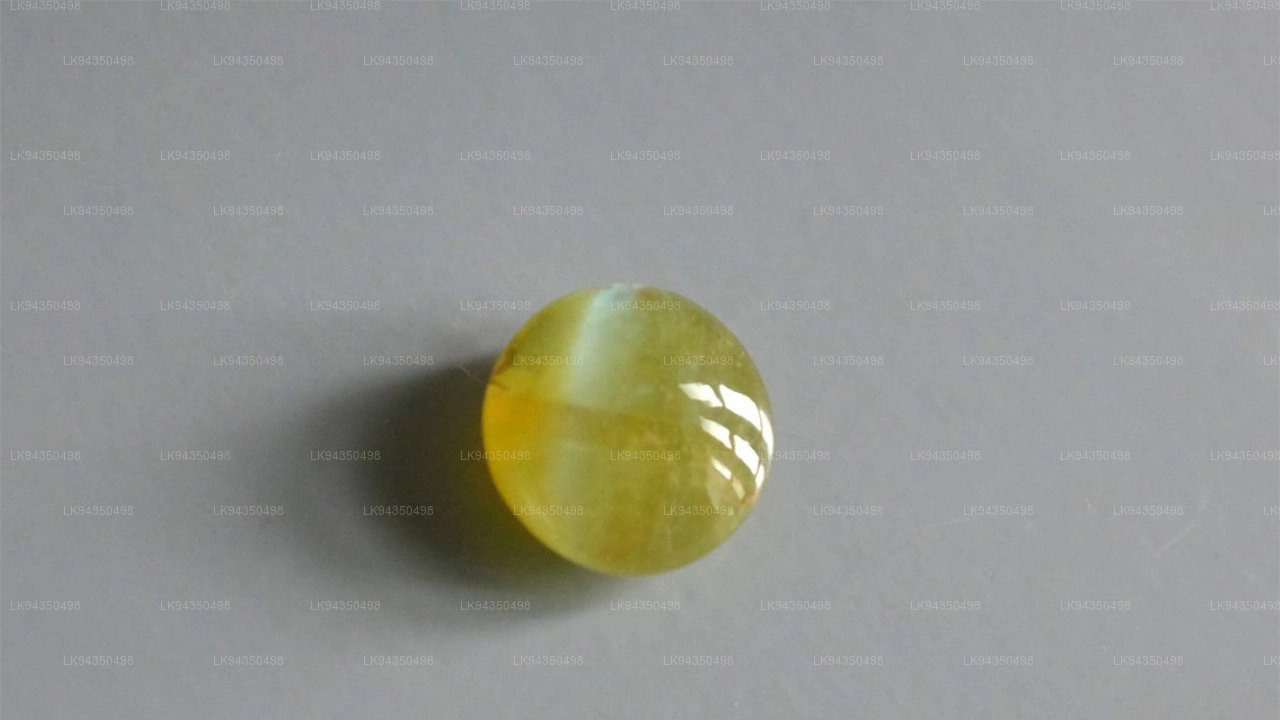
Sri Lanka has supplied the world's gem markets with extraordinary sapphires for more than two and a half millennia. Known historically as Ceylon sapphires, these stones are prized for their silky, velvety blue and the remarkable range of colours they appear in — from cornflower blue to violet to golden yellow. Long before modern gemmology existed, the island's gemfields drew traders from Persia, Rome, and the courts of medieval Europe, establishing a reputation that endures today.
What makes Ceylon sapphire different from sapphires found elsewhere?
Sapphire is a variety of corundum — the same mineral family as ruby — coloured blue by traces of iron and titanium. Sri Lanka's deposits, concentrated around the Ratnapura district in Sabaragamuwa Province, produce stones with an unusually light, transparent clarity. This allows light to travel deep into the gem and return with the warm, silky quality that distinguishes Ceylon sapphires from the darker, more saturated stones typically found in Burma or the intensely saturated stones from Kashmir.
Sri Lanka also yields star sapphires, which display a six-rayed asterism caused by intersecting needle-like inclusions of rutile. The island is additionally known for padparadscha — a delicate salmon-pink to orange-pink sapphire considered among the rarest colour varieties in the world and named from the Sinhalese word for lotus blossom.
Where do Sri Lankan sapphires come from?
The main gemfields lie in and around Ratnapura, whose name translates simply as "city of gems." Alluvial deposits called illam — gem-bearing gravel layers found beneath rice paddies and riverbeds — are worked by traditional miners using hand tools and water. It is one of the few places on earth where artisanal gem mining continues largely as it has for centuries.
Other notable global sources include Kashmir in India, Burma (Myanmar), Thailand, Australia, Tanzania, Kenya, Madagascar, and the state of Montana in the United States. Each origin produces stones with subtly different colour characteristics, and experienced gemmologists can often identify provenance by examining the inclusions and colour distribution under magnification.
What colours does sapphire come in?
While blue is the colour most associated with sapphire, corundum of virtually every other colour — except red, which is classified as ruby — is also called sapphire. The main colour varieties include:
- Blue sapphire — the classic, ranging from pale cornflower to deep royal blue
- Padparadscha — the rare salmon-pink to orange-pink variety prized above almost all others
- Star sapphire — any colour with a star-like optical phenomenon across the dome
- Yellow sapphire — golden to canary, frequently used in traditional South Asian jewellery
- Pink sapphire — rose to hot pink, increasing in popularity in contemporary design
- Alexandrite-like sapphire — a colour-change variety found in Sri Lanka that shifts between blue-green in daylight and violet under incandescent light
- White (colourless) sapphire — sometimes used as a diamond alternative
How are sapphires treated, and does treatment affect value?
The majority of sapphires on the market today have undergone some form of treatment to improve their appearance. Heat treatment is the most common: stones with the right chemical composition are heated to high temperatures, which dissolves silk inclusions, clarifies the stone, and intensifies or stabilises colour. When done correctly, this treatment is considered stable and permanent, and it is widely accepted in the trade.
Diffusion treatment is a more significant intervention. Sapphires that lack the natural chemistry for good colour are placed in a bath of colouring oxides at high temperatures, which drives colour-forming elements into the outer layers of the stone. Because the colour is surface-deep rather than throughout the gem, diffusion-treated stones are worth considerably less than untreated or heat-treated equivalents of the same apparent quality. Responsible sellers always disclose treatment status, and independent laboratory certificates from organisations such as the Gemological Institute of America or the Swiss Gemmological Institute (SSEF) provide objective confirmation.
One important practical note: sapphires should not be subjected to intense heat during jewellery repairs, as some colour varieties can fade. Ultrasonic cleaning is generally safe for unfractured stones, but laminated or heavily included specimens should be cleaned only with mild soap and water.
What is the history and mythology of sapphire?
Sapphire carries one of the richest symbolic histories of any gemstone. An ancient Persian legend held that the earth rested upon a giant sapphire whose reflection coloured the sky blue — an elegant explanation for the heavens that persisted in various forms across cultures for centuries. The stone also appears in the Promethean myth: after Prometheus was freed from his rock by Hercules, Zeus permitted him his liberty on the condition that he wear a fragment of that rock set in a ring — later interpreted in medieval tradition as a sapphire, binding him symbolically to his punishment.
Throughout the medieval period, sapphire was regarded as the stone of kings, clergy, and scholars. It symbolised truth, sincerity, and constancy, and was believed to protect the wearer against treachery, poison, and capture. European ecclesiastical rings were frequently set with sapphire, and the stone appears throughout the crown jewels of several royal houses.
The word sapphire is believed to derive from the Sanskrit sanipriya ("dear to Saturn"), which passed into Hebrew as sappir, then into Greek as sappheiros (meaning blue), and eventually into Latin and the Romance languages in broadly the same form. Interestingly, scholars note that the stone the ancient Greeks called sappheiros may sometimes have referred to lapis lazuli rather than corundum — the gemological distinction between blue stones was not always precise in classical texts.
In Kashmir, before the gemfields were properly recognised in the nineteenth century, local villagers in the Zanskar mountains reportedly used the gem rough as a fire-starting flint, unaware of the wealth beneath their feet.
How are sapphires cut and used?
Faceted cutting maximises light return and is the standard for gem-quality sapphires destined for fine jewellery. The mixed cut — combining a brilliant-style crown with a step-cut pavilion — is particularly common for sapphires because it balances brilliance with colour depth. Star sapphires are always cut en cabochon (a smooth, domed surface with no facets) to display the asterism effectively; the position of the star shifts as the stone is moved under a light source.
Lower-quality material is shaped into beads or carved into decorative objects. Synthetic sapphire — chemically and physically identical to natural corundum — has a wide range of industrial applications including watch crystals, precision optical instruments, the sapphire glass used in high-end smartphone screens, and substrates for LED lighting.
What should I know before buying a sapphire in Sri Lanka?
Ratnapura remains the centre of Sri Lanka's gem trade, with wholesale and retail dealers concentrated in the town. Colombo's gem and jewellery quarter is also well established, offering a broad range from rough gem material to certified fine jewellery. When purchasing, always ask for a reputable laboratory certificate if the stone is of significant value, and clarify the treatment status in writing. Sri Lanka has formal government gem-testing facilities through the National Gem and Jewellery Authority (NGJA), which certifies stones and helps ensure buyers receive what they pay for. Bringing a purchase to the NGJA for independent verification is a practical step for serious buyers.
Travellers visiting the hill country on a broader Sri Lanka itinerary often combine gem shopping in Ratnapura with nearby natural attractions such as the Sinharaja Forest Reserve, one of the island's most biodiverse rainforest areas and a UNESCO World Heritage Site.
Related reading
1 pages on closely related subjects.