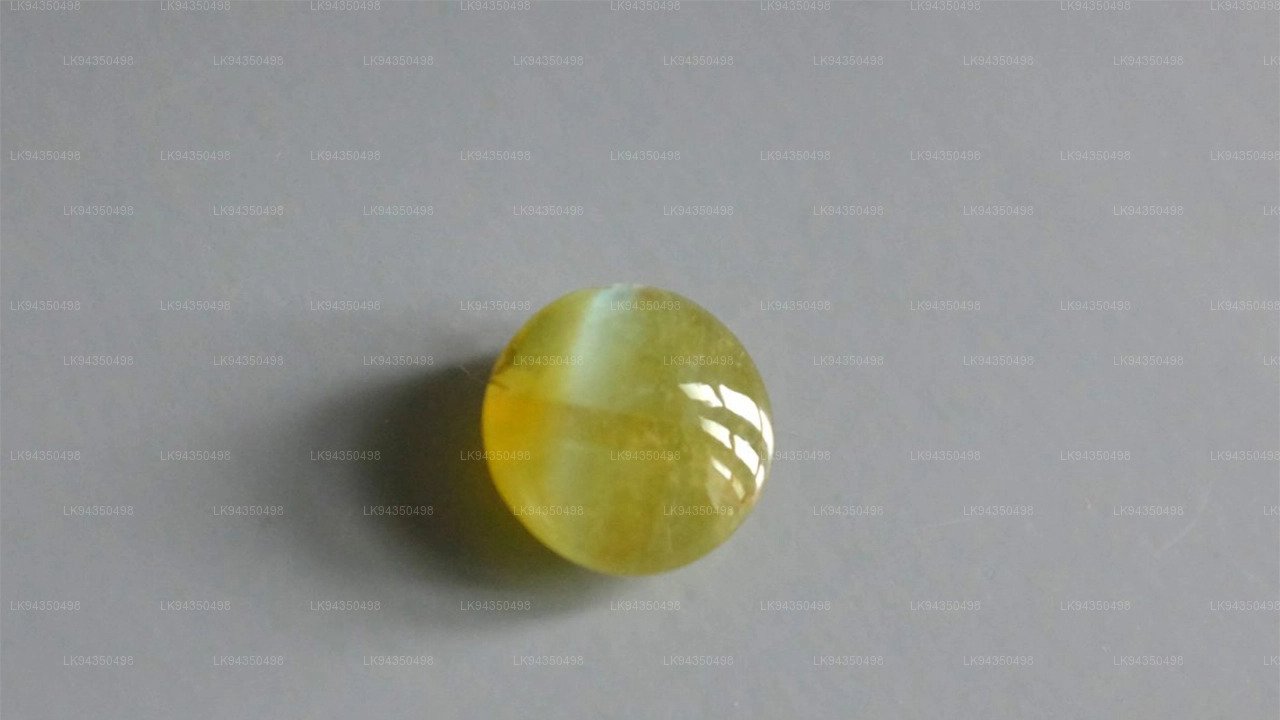
Garnets are not a single mineral but a closely related family of silicate minerals that share a common crystal structure while varying significantly in chemical composition. The result is a gemstone group that spans almost every color in the spectrum — from deep blood-red to vivid green, warm orange, and even rare blue. Few gem families offer such breadth, and fewer still carry the historical weight that garnets do.
What Are the Main Species of Garnet?
Gemologists recognize several distinct garnet species, each with its own color range, chemistry, and geological story. Understanding the differences helps buyers and collectors make more informed choices.
- Rhodolite — A rose-to-violet or purplish-red variety, prized for its clarity and warm color. Sri Lanka is one of its primary sources, alongside Tanzania, Kenya, and Brazil.
- Almandite (Almandine) — The most common red garnet, ranging from brownish-red to violetish-red and purple. Found in metamorphic rocks worldwide, including Sri Lanka and India. Star almandine, exhibiting asterism, is found in Idaho, USA.
- Pyrope — A rich, deep red garnet with little to no brown overtone. Classic sources include the Czech Republic, South Africa, Zimbabwe, Brazil, and Arizona.
- Grossularite — A highly variable species that produces green, yellow, brown, white, and even colorless stones. Its most celebrated variety is tsavorite, a vivid green garnet found in Tanzania and Kenya. Hessonite, an orange-to-brown variety, is found in Sri Lanka, Brazil, and Canada.
- Andradite — Perhaps the most optically brilliant garnet species. Its green variety, demantoid, is among the most valuable of all garnets due to its exceptional luster and dispersion — a fire that rivals diamond. Fine demantoid comes primarily from Russia and Italy.
- Spessartite (Spessartine) — Ranges from yellow-orange to deep reddish-orange. Sri Lanka, Myanmar, Brazil, Madagascar, Tanzania, and Kenya are notable sources.
- Uvarovite — A vivid emerald-green garnet that grows in tiny crystals, typically too small to facet. Found in Russia and Finland, it is rarely mined commercially and is mostly admired in drusy form.
Why Is Sri Lanka Significant for Garnet?
Sri Lanka — long known to gem traders as Ratna Dweepa, or "Island of Gems" — is one of the world's most storied sources of fine gemstones. The island's Precambrian metamorphic geology creates the pressure and heat conditions that favor garnet formation, and the gem gravels (illam) of the Ratnapura district have yielded rhodolite, almandite, grossularite, and spessartite for centuries.
Sri Lankan rhodolite, in particular, is recognized for its clarity and a color that sits at an appealing junction between red and violet. The island's gem-mining traditions are largely artisanal and small-scale, meaning stones are often recovered by hand from river gravels and pits rather than industrial open-pit operations.
What Colors Do Garnets Come In?
The popular image of garnet as a single deep-red stone understates the family considerably. While red almandite and pyrope are the most widely encountered, the full garnet palette includes:
- Deep purplish-red and violet (rhodolite)
- Bright orange and reddish-orange (spessartite, hessonite)
- Rich green — from vivid tsavorite to the dispersive demantoid
- Yellow to yellow-brown (spessartite, andradite)
- Colorless and near-colorless (grossularite)
- Color-change: certain garnets shift from mauve-brown in daylight to orange-red under incandescent light
True blue garnet is rare and was only documented in specimens from Madagascar, Tanzania, and a few other localities in the late twentieth century. These color-change stones typically appear blue-green in daylight and shift toward red or purple under warm light.
How Are Garnets Formed Geologically?
Most garnets form in metamorphic rocks — rocks subjected to intense heat and pressure deep within the Earth's crust. Almandite and rhodolite are typical of this environment, crystallizing in schists and gneisses. Some garnets, notably andradite and grossularite, also form in contact metamorphic zones where magma intrudes into limestone. The rarity of tsavorite arises from its need for an unusual combination of rock chemistry — specifically the presence of vanadium and chromium — alongside the right pressure and temperature window.
What Are Garnets Used for in Jewelry?
Garnets are almost always faceted to maximize color and brilliance. Classic cuts include round brilliants, ovals, and cushions, though larger rough stones are sometimes shaped into cabochons to display phenomena such as the asterism seen in star almandite. Historically, garnets were also carved into intaglios — engraved gems used as personal seals — a practice that dates back to ancient Rome and Persia.
In terms of durability, garnets rate fair to good in toughness, making them suitable for most jewelry applications, though they require more care than sapphire or ruby. Rings set with softer garnet varieties benefit from protective settings.
Are Garnets Usually Treated?
One of garnet's most commercially appealing qualities is that virtually all natural garnets are untreated. Unlike ruby, sapphire, or emerald — where heat treatment and filling are near-universal — garnets typically reach the market in their natural state, with color and clarity unaltered. This distinguishes them in an era when treatment disclosure has become a significant concern for gem buyers.
The original source text references heat treatment and irradiation in the context of other gem families (aquamarine, morganite). These treatments are not standard practice for garnets and should not be assumed to apply to the garnet species described above.
What Is the History and Folklore of Garnet?
Garnets appear in the archaeological record of virtually every ancient civilization that valued personal adornment. Egyptian pharaohs wore red garnet necklaces, and the stones have been found in the graves of Bronze Age chieftains across Europe. In Persia, the garnet was considered a royal stone; rulers had their likeness carved into garnet seals and signet rings.
Medieval Europeans carried garnets as protective amulets, particularly against accidents during travel — a belief shared by some Indigenous peoples of the American Southwest, who reputedly used garnet crystals as projectiles, convinced that their deep color would make wounds more grave. Folk medicine assigned garnets further uses: red garnet was said to relieve fever, yellow garnet to cure jaundice. Apothecaries who supplied garnet powder were held to strict accountability — if a remedy failed, the chemist was suspected of using a cheaper substitute.
In modern gemology, these folkloric associations are well-documented as part of the stone's cultural heritage, even as the focus has shifted to garnet's measurable optical and physical properties.
How Do You Evaluate Garnet Quality?
Color is the primary value driver across all garnet species. In red garnets, the most desirable stones show a pure, saturated red with minimal brown or black masking. In rhodolite, a clean purplish-red or rose-red commands premiums. For tsavorite and demantoid, intensity and purity of green matter most, with demantoid further valued for its horsetail inclusions — characteristic radiating fibrous inclusions that, paradoxically, serve as a proof of natural Russian origin and are accepted by the trade.
Clarity expectations vary by species. Almandite and rhodolite are generally eye-clean; spessartite often carries inclusions but is still valued for color; hessonite frequently shows a treacly, swirling internal texture considered typical of the variety.
Cut quality affects brilliance significantly, and a well-proportioned faceted garnet will always outperform a shallow or windowed stone of similar color.