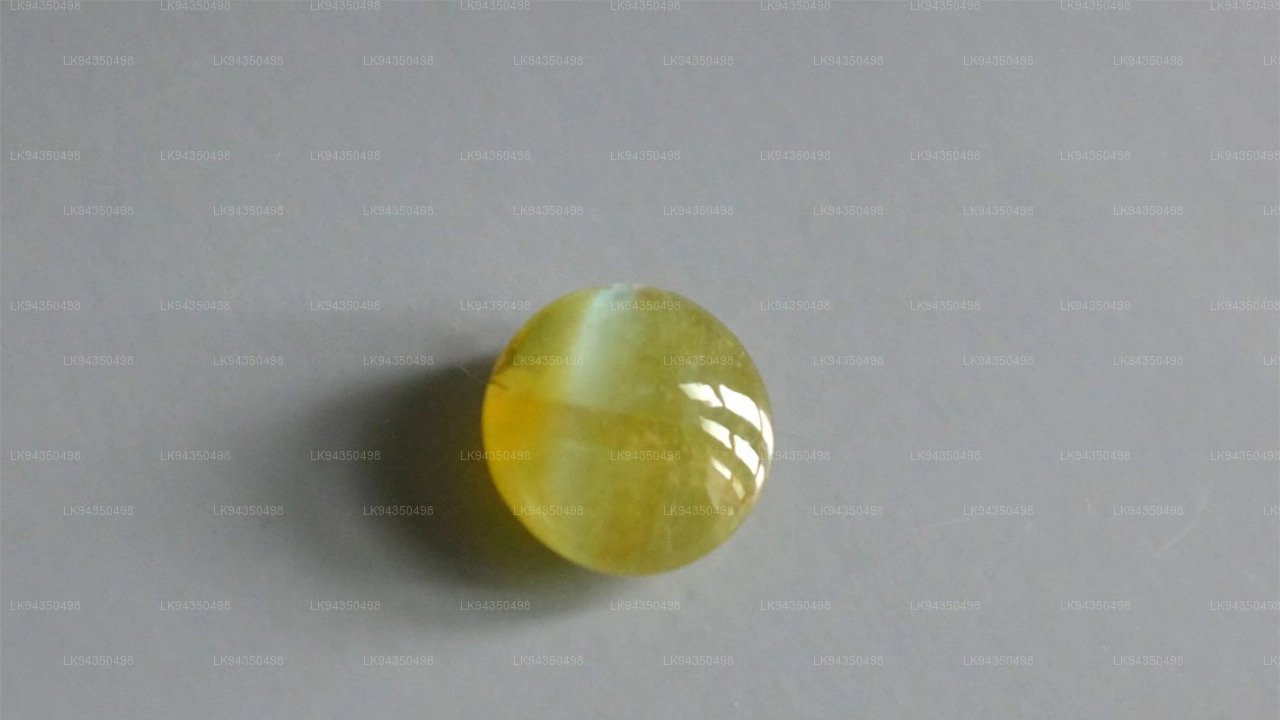
Sri Lanka has been producing sapphires for more than two thousand years, and the island's stones remain among the most respected on the international gem market. The term "Ceylon sapphire" is not merely a geographic label — it is a quality mark recognised by gemmologists and collectors worldwide, driven not by any single producer but by the accumulated reputation of the stones themselves.
What Makes Ceylon Sapphires Different?
Ceylon sapphires belong to the mineral family corundum — the same family as rubies — and they owe their colour to trace amounts of iron and titanium. What distinguishes them commercially is the combination of exceptional colour range and the relatively high proportion of stones that are gem-quality in their natural, unheated state. While most sapphires from other origins require heat treatment to reach a marketable colour, a notable share of Ceylon sapphires can be sold as entirely natural, commanding a significant premium in the fine gem trade.
The most celebrated shade is the cornflower blue: a medium-toned, slightly violet-blue that sits between a pale sky blue and a rich royal blue. Gemmologists often describe it as having a velvety, limpid quality — neither too dark to lose brilliance nor too pale to lack depth.
What Colours Do Ceylon Sapphires Come In?
Blue is only the beginning. Sri Lanka's gem deposits produce an unusually wide chromatic spectrum:
- Blue — ranging from delicate sky tones to deep saturated hues
- Pink — from pale rose to vivid magenta
- Yellow and orange — driven by iron content
- Green — rarer and increasingly sought after
- Purple and lavender — prized for their soft, romantic tones
- Padparadscha — the rarest variety of all, displaying a unique salmon-pink-orange blend that takes its name from the Sinhalese word for the lotus blossom. Authentic padparadscha sapphires command prices comparable to fine blue sapphires of equivalent weight.
This breadth of colour is one reason Sri Lanka consistently ranks as the world's leading supplier of fine sapphires by volume.
Where Are Ceylon Sapphires Mined?
The primary gem-producing region is the Ratnapura district in Sabaragamuwa Province — a name that translates literally as "City of Gems." The area's alluvial deposits, laid down in ancient riverbeds, yield sapphires alongside other corundum varieties, spinels, chrysoberyl and garnets. Elahera in the North Central Province and Okkampitiya in Uva are also productive localities.
To understand how Sri Lanka fits into the wider sapphire world, it helps to consider the other major sources. Kashmir, where sapphires were discovered in 1881 following a Himalayan landslide, produces stones of legendary velvety richness — but in tiny quantities today. Burma (Myanmar) is similarly renowned but supplies very little to the current market. Kanchanaburi in Thailand and Pailin in Cambodia are known for deep, even blues. Newer deposits in Madagascar and Tanzania are still developing organised mining operations. By contrast, Sri Lanka has centuries of continuous, structured gem extraction and a well-established grading and trading infrastructure centred on Ratnapura's gem bazaars.
How Are Ceylon Sapphires Cut and Shaped?
Lapidaries cut most sapphires in cushion or oval shapes, which preserve maximum weight from the rough while displaying colour effectively. Smaller stones frequently appear in round brilliant cuts. Fancy shapes — triangles, emeralds cuts, marquises, pears, baguettes — are less common but available from specialist cutters. Ratnapura's local cutting industry, though traditional, produces work recognised internationally for maximising yield from Sri Lanka's characteristically deep, well-formed rough.
A distinct category is the cabochon cut, which produces a smooth, domed surface rather than facets. This cut is essential for revealing asterism — the optical phenomenon that creates star sapphires.
What Is a Star Sapphire?
Star sapphires display a six-rayed star that appears to float across the surface of the stone when a single light source moves over it. The effect — called asterism — is caused by microscopic needle-like inclusions of rutile arranged in three intersecting directions parallel to the crystal's internal structure. When the stone is cut en cabochon with the correct orientation, these needles reflect light into a sharp, moving star.
Occasionally stones with twelve rays are found, though six-rayed stars are far more common. Sri Lanka's most celebrated star sapphire, the "Star of India," is displayed at the American Museum of Natural History in New York — a grey-blue stone weighing around 563 carats and among the largest gem-quality star sapphires ever recorded.
What Is Geuda, and How Does Heat Treatment Work?
Not every stone that emerges from Sri Lanka's mines is a finished gem. A significant proportion of rough corundum comes out as geuda — a milky, semi-translucent material with a cloudy grey-white appearance that was historically considered worthless. For many decades, geuda pebbles were discarded or used decoratively in fish tanks by gem merchants with no use for them.
That changed when Thai dealers discovered that controlled heat treatment could transform geuda into clear, sparkling blue sapphires. The process works because the colour-causing titanium and iron atoms are already present in the stone but locked in a chemical configuration that produces cloudiness rather than colour. Sustained heating — typically between 1,600°C and 1,800°C — reorganises those atoms and dissolves the rutile silk that causes the milky appearance, yielding a bright blue stone. The resulting colour is chemically stable and permanent.
Heat-treated sapphires are legitimate, widely traded and thoroughly disclosed in reputable gem markets. They simply trade at lower prices than equivalent untreated stones of the same colour and clarity, because the natural colour is considered rarer and more desirable by collectors. Reputable dealers provide a gemmological certificate — typically from a laboratory such as the GIA or Gübelin — confirming treatment status.
How Do You Choose a Quality Ceylon Sapphire?
The same four criteria that apply to diamonds govern sapphire valuation: colour, clarity, cut and carat weight — with colour carrying the greatest weight.
- Colour: Look for a medium to medium-dark tone with strong saturation and minimal grey or brown masking the hue. In blue sapphires, the cornflower blue zone is commercially the most valued. In padparadscha, the balance between pink and orange must be equal — too much of either disqualifies the classification.
- Clarity: Eye-clean stones command a premium. Minor needle-like inclusions (rutile silk) are expected and do not necessarily detract from value unless they obscure the stone's transparency. Avoid stones with fractures reaching the surface, which compromise durability.
- Cut: A well-cut sapphire reflects light evenly across the face of the stone. Watch for windowing (a pale, washed-out zone in the centre visible when you look straight through the stone) or extinction (dark patches caused by poor proportions).
- Carat weight: Fine-quality Ceylon sapphires above five carats are meaningfully rarer than those below, so price-per-carat increases substantially at size thresholds. Unheated stones above three carats with strong colour are particularly sought after.
Always request a certificate from an independent gemmological laboratory when purchasing a stone of significant value, and buy from a licensed gem trader registered with Sri Lanka's National Gem and Jewellery Authority.
Where Can You Buy Ceylon Sapphires in Sri Lanka?
Ratnapura is the centre of the trade — its gem market operates daily and ranges from rough crystal sellers to polished-stone dealers and jewellery workshops. Colombo's reputable jewellery houses also carry certified stones, generally at slightly higher prices but with more structured consumer protection. A Kandy city tour can include visits to licensed gem dealers in the hill capital, where the gem trade has historically been active alongside trade in antiques and craft.
Whatever the setting, resist pressure to purchase on impulse or without documentation. Sri Lanka's gem trade is regulated, and any legitimate dealer will welcome a request for a certificate or a brief independent appraisal.
Are Ceylon Sapphires a Good Investment?
Fine unheated Ceylon sapphires have shown sustained demand in the international auction market over the past several decades, partly because supply from legacy sources such as Kashmir and Burma is essentially exhausted and partly because the preference for natural, undisclosed stones continues to grow among serious collectors. Padparadscha sapphires and large unheated blue sapphires with strong provenance documents are among the categories that auction houses consistently highlight as performing well relative to other coloured gemstones. That said, gem investment carries its own risks, and value is highly dependent on accurate gemmological certification and market timing.