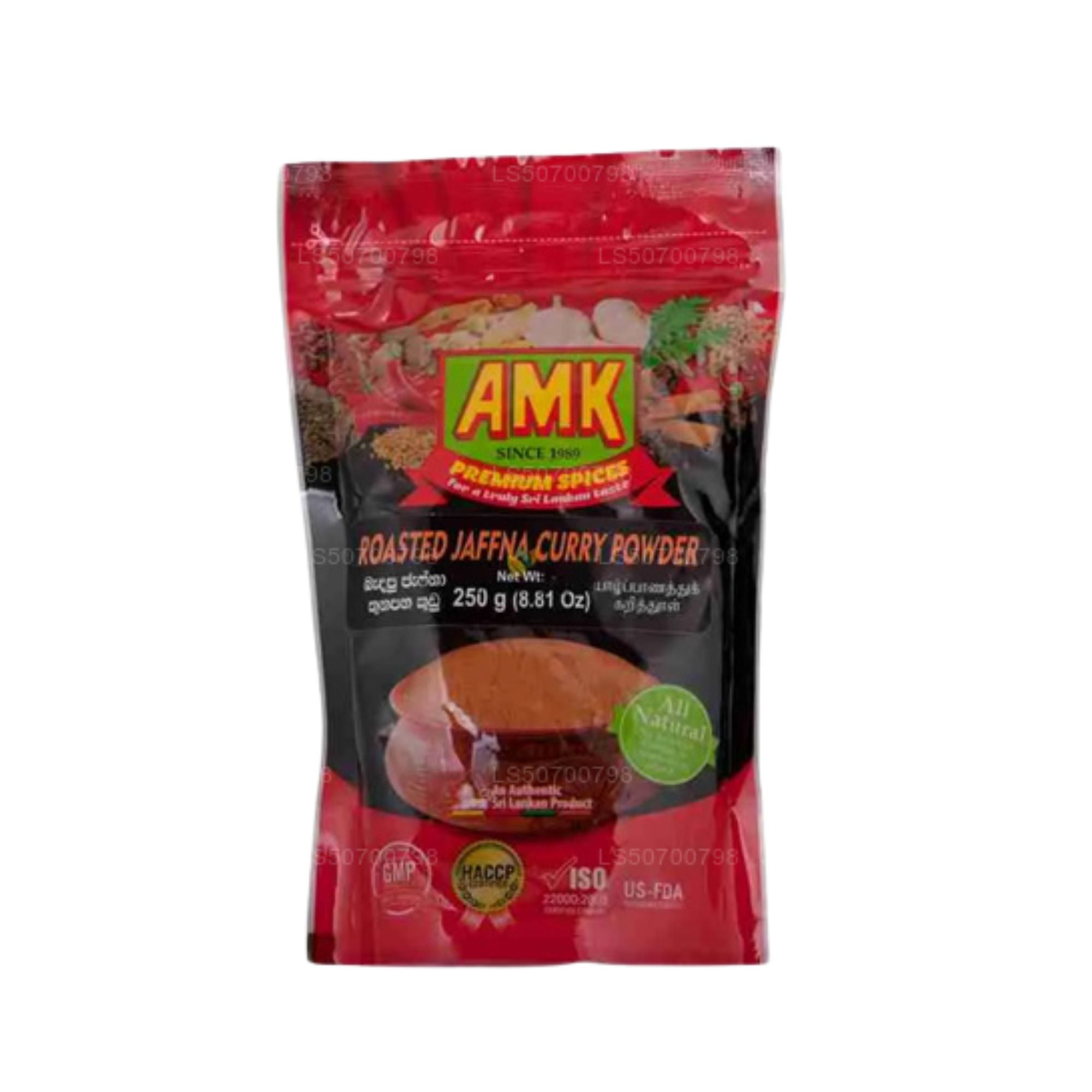
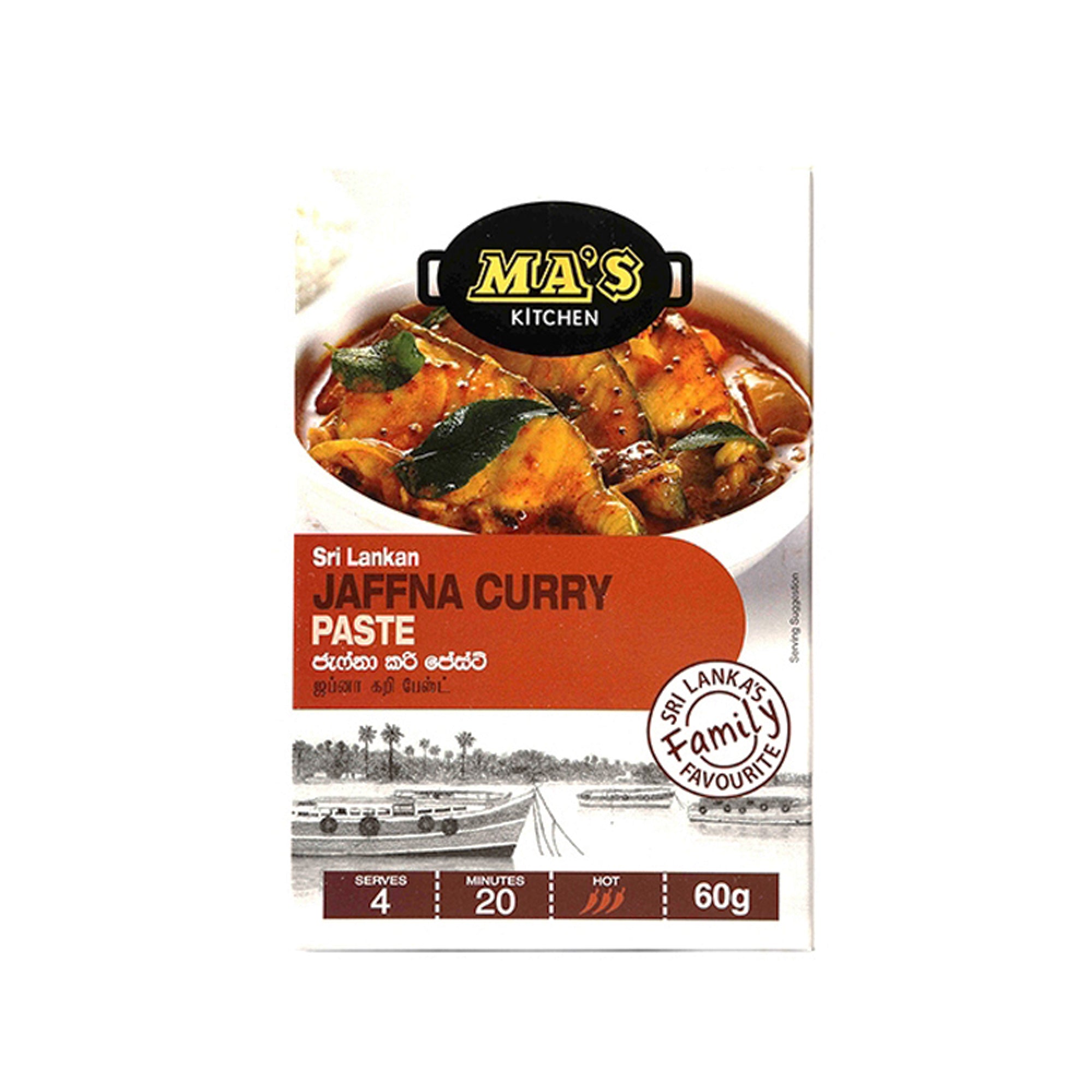
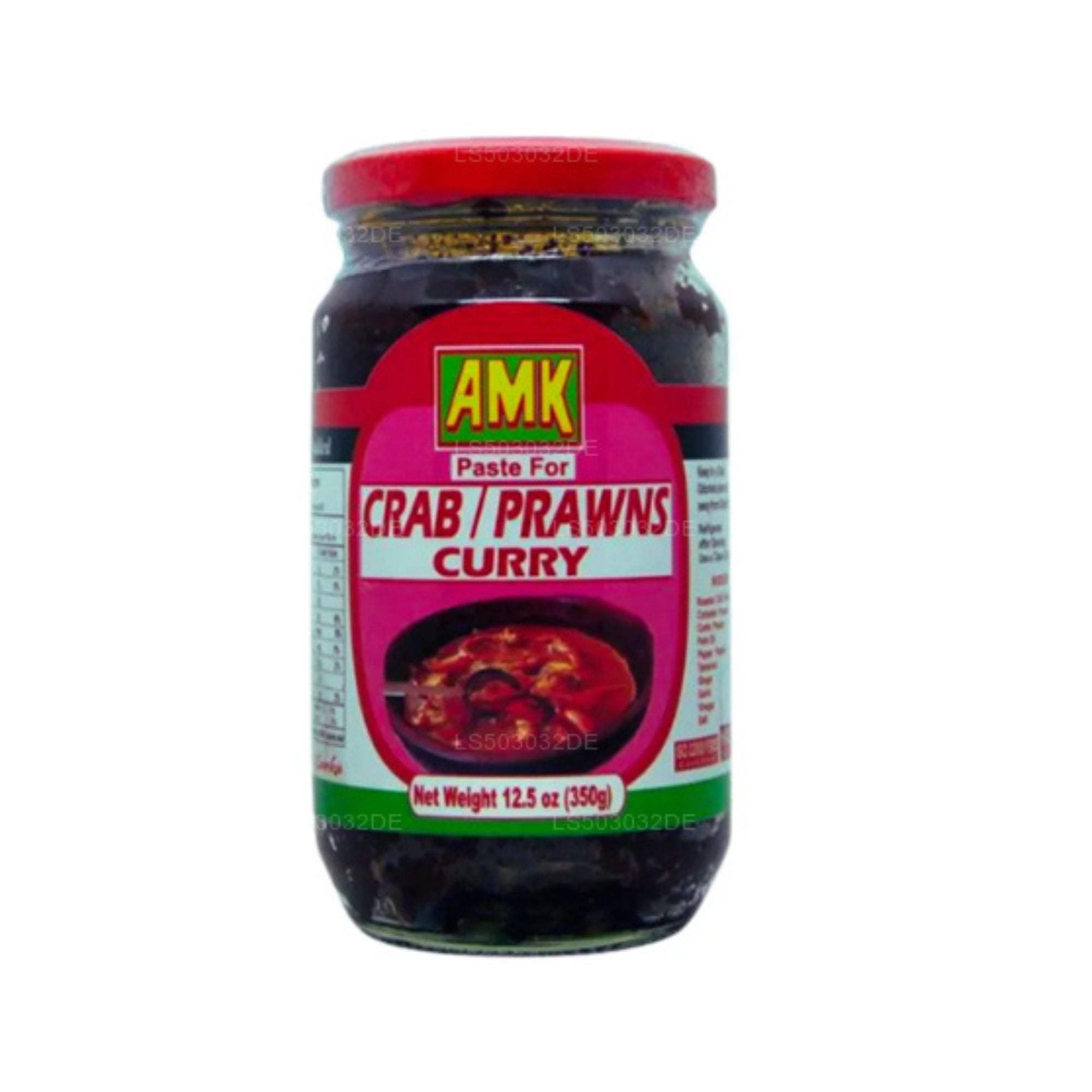
Jaffna Crab Curry is one of the most distinctive dishes in Sri Lankan cuisine — a deeply aromatic, fiery preparation that draws on centuries of Tamil culinary tradition. Rooted in the coastal city of Jaffna in the Northern Province, the dish is built around fresh crabs pulled from the lagoons and tidal flats of the Jaffna Peninsula, then simmered in a masala of roasted spices and tamarind until the gravy turns a deep, burnished red. For anyone traveling north of Colombo, eating this curry is less a meal than an introduction to a culture.
What makes Jaffna Crab Curry different from other Sri Lankan curries?
Sri Lankan curries span a broad spectrum, but Jaffna's version stands apart for its heat, its depth, and its restraint with coconut milk — a contrast to the milder, coconut-forward curries common in the south and west. The spice blend is the foundation: roasted Ceylon black pepper, cinnamon, cardamom, fennel, and generous quantities of dried red chillies give the gravy its characteristic colour and slow-burning heat. Curry leaves — added in abundance — provide a fragrant, slightly citrusy lift that ties the flavours together.
Tamarind is the souring agent of choice, cutting through the richness of the crab and balancing the spice. Some cooks add a scraping of grated coconut toward the end of cooking, not to sweeten the dish but to add body. The result is a curry that is simultaneously bold and complex, with no single flavour overwhelming the others.
What type of crab is used in Jaffna Crab Curry?
The preferred variety is the mud crab (Scylla serrata), locally known as nandu, which is caught in the lagoons surrounding the Jaffna Peninsula and along the coast toward Mannar. Mud crabs are prized for their size, the density of their meat, and the sweetness of the flesh — qualities that stand up well to prolonged cooking in spiced gravy. The crabs are typically cleaned and portioned before cooking, allowing the shell to release its natural flavour into the sauce.
Freshness is non-negotiable. In Jaffna, fishermen bring their catch directly to the markets at Chunnakam and the Jaffna main market, and many restaurants receive deliveries daily. The quality of locally caught crab makes a measurable difference to the finished dish.
How is Jaffna Crab Curry traditionally prepared?
Traditional preparation begins a day or more before cooking, with whole spices dry-roasted over a low flame and ground by hand using a grinding stone. This process releases volatile oils that pre-ground powders cannot match. The spice paste is fried in oil with onion, garlic, ginger, and green chillies until the raw smell fades and the mixture deepens in colour.
The crab pieces go in next, coated in the masala and sealed briefly over high heat. Tamarind water is added to deglaze, then the curry simmers — sometimes over a wood fire — until the gravy thickens and the crab is cooked through. Many households add a final handful of fresh curry leaves just before serving. The entire process is unhurried; experienced cooks treat timing as a matter of instinct rather than measurement.
What is served alongside Jaffna Crab Curry?
The most common accompaniments are:
- String hoppers (idiyappam) — steamed rice-flour noodle discs that absorb the gravy without competing with it
- Parotta — a layered flatbread that is particularly popular in Jaffna's tea shops
- Steamed white rice — the everyday default, often served with a side of pol sambol or a simple dhal
- Dosa — a fermented rice-and-lentil crepe that pairs well with the tangy gravy
Accompaniments are typically simple so that the crab curry itself remains the centrepiece. A small bowl of rasam — a thin, peppery broth — is sometimes served alongside to clear the palate between mouthfuls.
When is the best time to eat Jaffna Crab Curry?
Crab season in Jaffna peaks between November and April, when the northeast monsoon has passed and fishing activity in the lagoons is at its most productive. During these months, crabs are at their heaviest and the roe is richest. Many visitors plan their trip north to coincide with this window, combining the culinary experience with Jaffna's dry, manageable climate and calmer coastal waters.
Travelling outside this window is not without reward — the dish is available year-round in established restaurants — but the quality of crab can vary, and some smaller family-run establishments may substitute with frozen or imported crab during the off-season. It is always worth asking whether the crab is local and freshly caught.
Where can you eat Jaffna Crab Curry in Jaffna?
Jaffna has a handful of restaurants that have built their reputation almost entirely on this single dish. Rio Ice Cream and Restaurant on Hospital Road is frequently mentioned by locals for its generous portions and consistently spiced gravy. Green Grass Hotel and several family-run eateries near the Jaffna bus stand also serve reliable versions. For a more informal setting, the vendors around the Jaffna market area often prepare crab curries to order during lunchtime hours.
Some guesthouses — particularly those run by local Tamil families — will prepare the dish on request with advance notice, which tends to be the most authentic experience available to visitors. Staying with a family or in a small guesthouse in Jaffna gives access to home cooking that no restaurant fully replicates.
How do you get to Jaffna from Colombo?
Jaffna is approximately 400 kilometres north of Colombo. The most comfortable overland route follows the A9 highway, the Kandy–Jaffna road that passes through the Cultural Triangle and Vavuniya. The journey takes roughly six to eight hours by private vehicle, depending on stops.
The Yal Devi express train connects Colombo Fort to Jaffna railway station in around seven hours and offers a more relaxed alternative. SriLankan Airlines operates domestic flights between Colombo's Ratmalana Airport and Jaffna's Palaly Airport, cutting travel time to under an hour — though schedules are limited and should be confirmed in advance. Lakpura can arrange private transfers for the full overland route, with stops at historical sites along the way.
Are there regional variations of crab curry in northern Sri Lanka?
The Jaffna preparation is the most widely known, but subtle regional variations appear across the north and east. In Mannar District, the spice blend sometimes incorporates more dried fish and a greater proportion of tamarind, giving the curry a sharper, more acidic edge. Along the east coast near Pigeon Island and Trincomalee, the curry tends to be slightly less fiery and occasionally includes coconut milk in larger quantities, reflecting the influence of communities from both the north and the south. Each variation is worth seeking out on its own terms.
Related reading
8 pages on closely related subjects.