
Few places in northern Sri Lanka reveal everyday life as candidly as the Jaffna Market. Positioned in the centre of Jaffna city, this sprawling trading ground has served the peninsula's Tamil community for generations — and today it offers travellers an unfiltered look at the food, craftsmanship, and commerce that define the region's identity. Unlike the staged craft villages found elsewhere on the island, Jaffna Market operates entirely on its own rhythms, driven by farmers, fishers, spice traders, and weavers who have been selling here for decades.
What can you find at Jaffna Market?
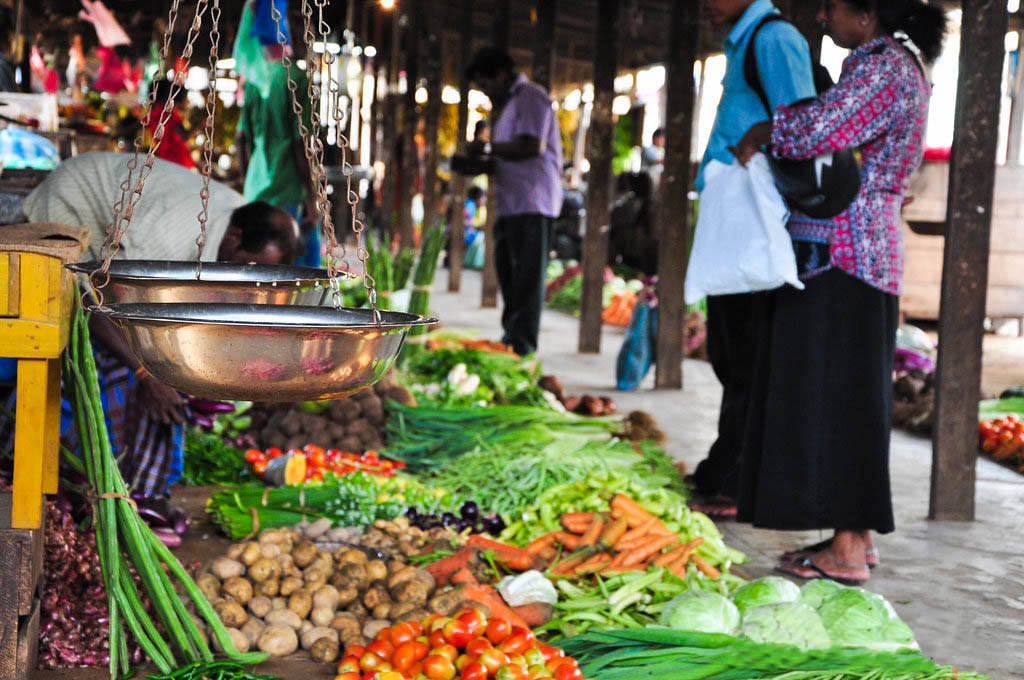
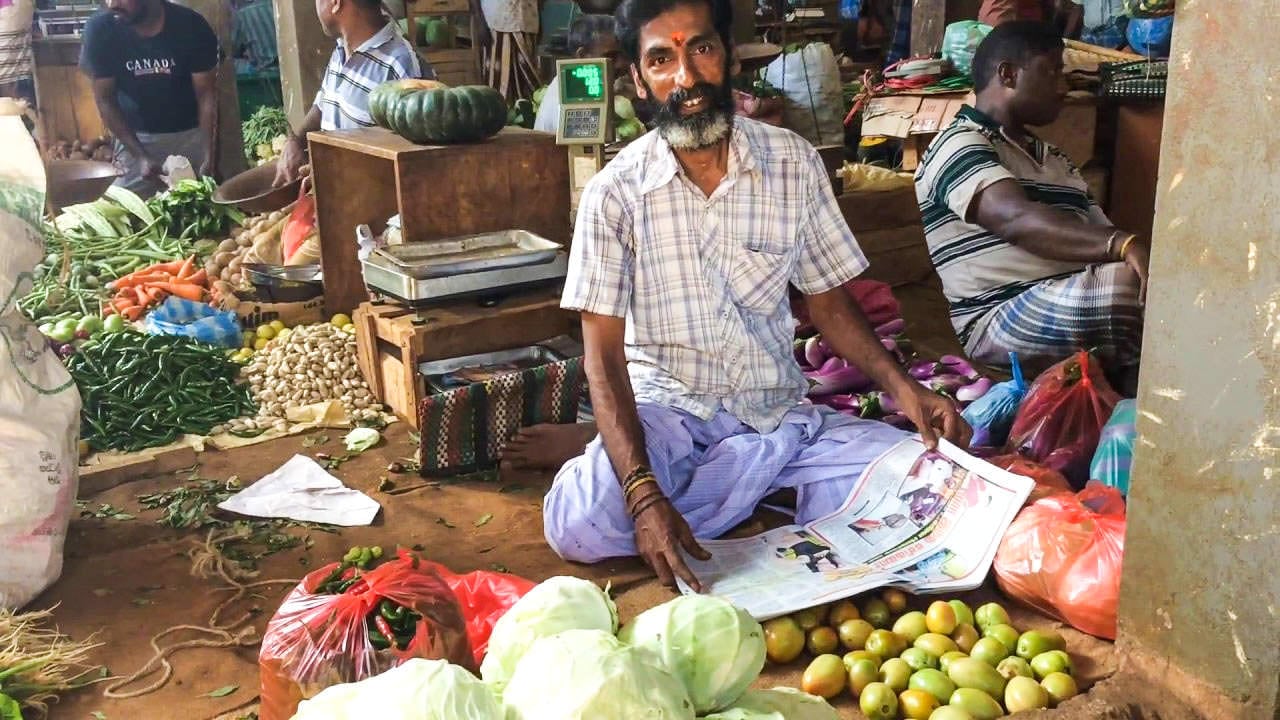
The market divides loosely into several zones, each with its own character. The produce section overflows with tropical vegetables, palmyrah-based foodstuffs, and seasonal fruits that are harder to source in the south — wood apple, palmyrah fruit pulp, and dried mangoes appear regularly. Jaffna is also known for its exceptional seafood, and the fish stalls here reflect that reputation, with catches ranging from cuttlefish and prawns to dried and salted varieties that locals buy by the kilo.
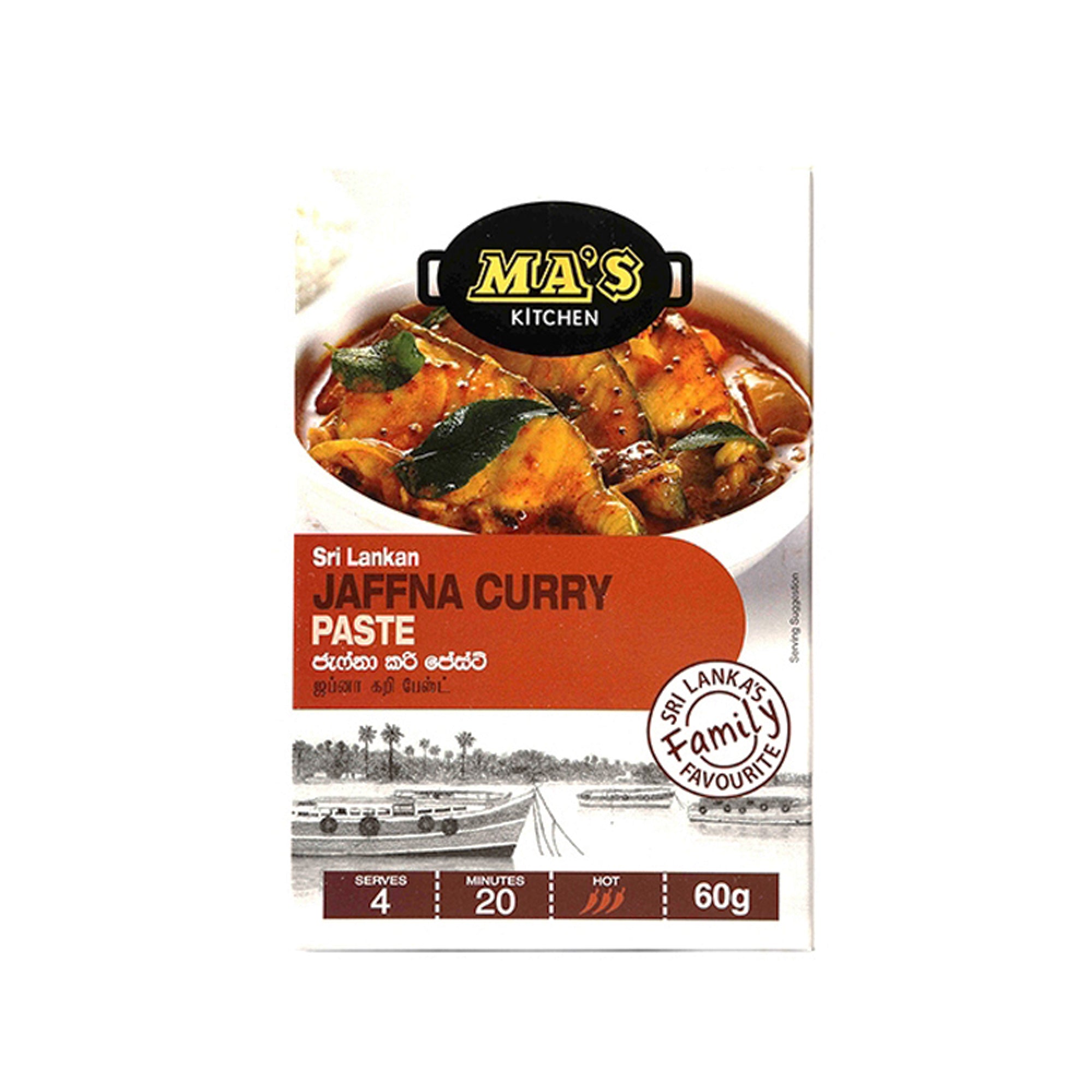
Spice stalls form one of the most aromatic corners of the market. Ceylon black pepper, fennel, fenugreek, dried chillies, and roasted curry powders are sold loose by weight — a far more economical and fresher option than packaged equivalents found in supermarkets. Vendors are generally willing to explain how each blend is used in Jaffna cooking, which relies more heavily on coconut and dried spices than the wet curries of the Sinhalese south.
Beyond food, look for stalls selling palmyrah leaf handicrafts — woven baskets, fans, and decorative items made from the fronds of the palmyrah palm, which grows throughout the peninsula and holds deep cultural significance. Fabric stalls carry cotton and synthetic textiles, traditional attire, and everyday clothing at local prices.
When is the best time to visit Jaffna Market?
Early morning — roughly 6 a.m. to 9 a.m. — is when the market operates at full intensity. Wholesale buyers arrive first, followed quickly by household shoppers stocking up for the day. The variety of produce is greatest at this hour, and the atmosphere is at its most energetic. Late afternoon, between around 4 p.m. and 6 p.m., brings a second wave of activity as working residents stop in on their way home.
Midday tends to be quieter, partly because the heat on the Jaffna peninsula can be intense between November and April. If you are sensitive to heat, the early morning visit is preferable on practical as well as experiential grounds. The market is open most days of the year, though activity naturally slows during major Tamil festivals such as Thai Pongal and Deepavali, when many vendors take a day or two off.
How does Jaffna Market reflect local food culture?
Jaffna cuisine is one of the most distinct regional cooking traditions in Sri Lanka. It draws heavily on the palmyrah palm — whose sap, fruit, and leaves all enter the food chain — as well as on dried fish, freshwater crabs from the lagoon, and an unusually generous hand with chilli. The spice blends sold in the market are calibrated to this cuisine specifically: Jaffna curry powder, for instance, is roasted dry rather than ground wet, giving curries a darker, smokier flavour profile than their southern counterparts.
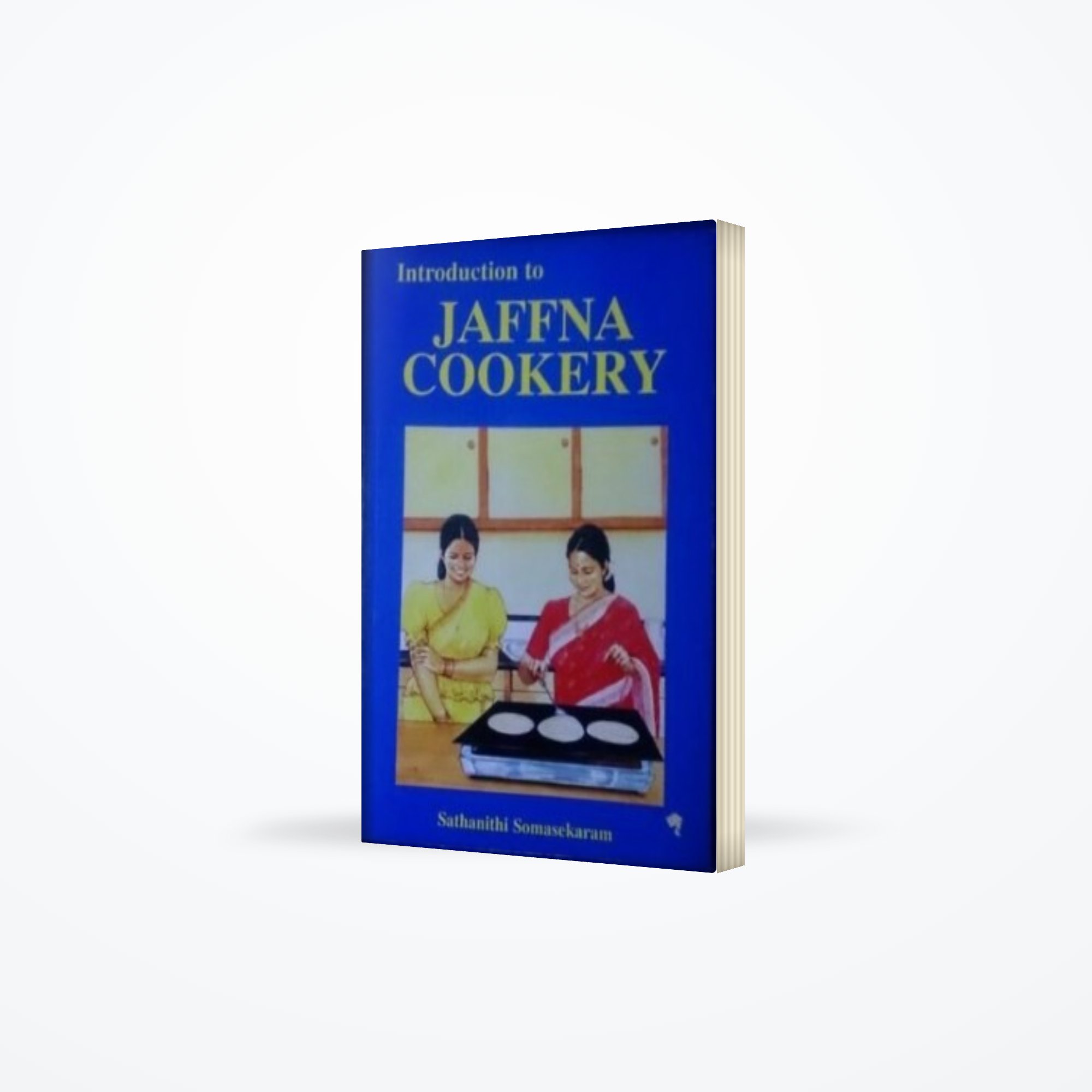
Traditional snacks are another reason to linger. Street-food sellers near the market perimeter often offer murukku, vadai, and pittu — staple items that double as a quick breakfast for locals and an introduction to Tamil Sri Lankan flavours for visitors. If you want to go further, a structured cookery session that uses ingredients sourced from the market can transform a shopping visit into a genuine culinary experience.
How do I get to Jaffna Market from Colombo?
Jaffna is approximately 400 km north of Colombo by road. The most comfortable overland option is the Colombo–Jaffna expressway route combined with the A9 highway, which takes roughly six to seven hours by private vehicle depending on traffic at the Vavuniya checkpoint. The Yal Devi train service — one of the great railway journeys in Sri Lanka — connects Colombo Fort to Jaffna in around seven to eight hours and drops passengers at Jaffna railway station, from which the market is a short three-wheel ride away. Budget carriers also operate daily flights between Colombo (BIA) and Palaly Airport, with a journey time of under an hour, making a short northern circuit very practical.
Once in the city, the market is centrally located and easily reached by three-wheeler (tuk-tuk) from any of Jaffna's main hotels. The fare from the centre of town is minimal.
What else should I do near Jaffna Market?
The market sits within easy reach of several of Jaffna's key landmarks. Nallur Kandaswamy Kovil, one of the most important Hindu temples in Sri Lanka, is a short drive away and worth visiting for its Dravidian architecture and the cloud of incense that permanently surrounds its entrance. Jaffna Fort — a Dutch colonial structure that has been progressively restored since the end of the civil conflict — stands near the lagoon and provides useful historical context for the city. The Jaffna Public Library, rebuilt after its destruction in 1981 and now housing over 90,000 volumes, is a poignant cultural landmark a few minutes' walk from the market precinct.
For those with more time in the north, the Jaffna peninsula itself offers causeway drives to the islands of Nainativu, Delft, and Kayts — each with their own temples, wild ponies, or coral flats depending on which you visit. Pigeon Island, further down the eastern coast, is another marine highlight for travellers looping back south.
Is Jaffna Market safe and accessible for tourists?
The northern province has been open to civilian and tourist movement since 2009, and Jaffna itself has seen steady infrastructure investment since then. The market is a public commercial space used daily by thousands of residents; it presents no particular safety concerns for visitors. Basic Tamil phrases are appreciated — "vanakkam" (hello) and "nandri" (thank you) go a long way — though many younger vendors and traders also speak some English. Dress modestly out of respect for local norms, particularly if you plan to visit temples immediately before or after the market.
The market grounds can become crowded and narrow in peak hours, so leave large bags at your accommodation and bring only what you need for purchases. Prices at most stalls are fixed or lightly negotiable; aggressive bargaining is not the local custom here in the way it might be at tourist-facing craft markets elsewhere on the island.
Nearby places
12 places within about 25 km, nearest first.
- Jaffna Fish marketunder 1 km
- Jaffna Clock Towerunder 1 km
- Jaffna Fortunder 1 km
- Sankili Thoppuunder 1 km
- Jaffna Grand Mosqueunder 1 km
- Jaffna Public Libraryunder 1 km
- Nallur Kandaswamy Kovilunder 1 km
- Nallur Kandaswamy Kovil Festival in Jaffnaunder 1 km
- Archaeological Museum Jaffnaunder 1 km
- Manthiri Manai Mansionunder 1 km
- Alfred Duraiappah Stadium1 km
- Jaffna Causeway And Chatty Beach2 km
Related reading
5 pages on closely related subjects.