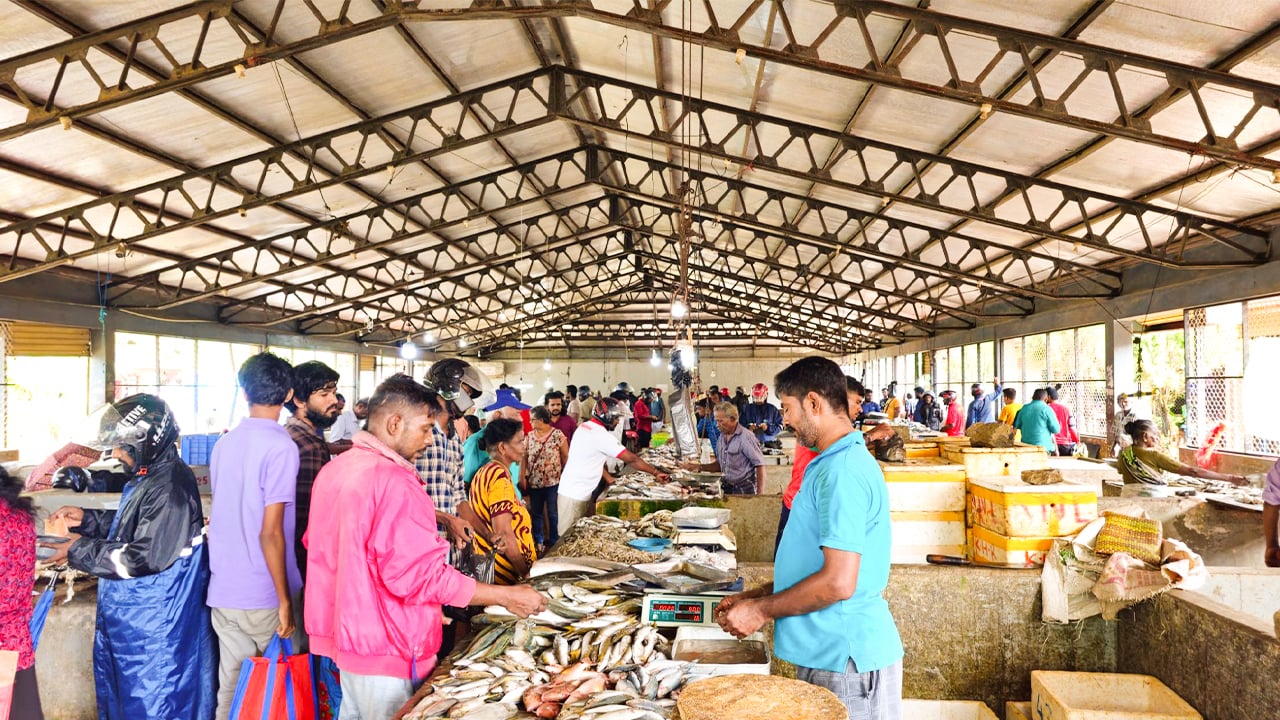

Along Beach Road in Jaffna city, one of northern Sri Lanka's oldest and most active seafood markets begins its day well before sunrise. The Jaffna Fish Market is where the Northern Province's fishing economy becomes visible — boats returning from overnight trips, catches sorted on the quayside, and a steady stream of buyers moving through rows of fresh marine produce. For a traveller curious about food culture and everyday coastal life, it is one of the most immediate and unmediated experiences Jaffna offers.
What can you see and buy at Jaffna Fish Market?
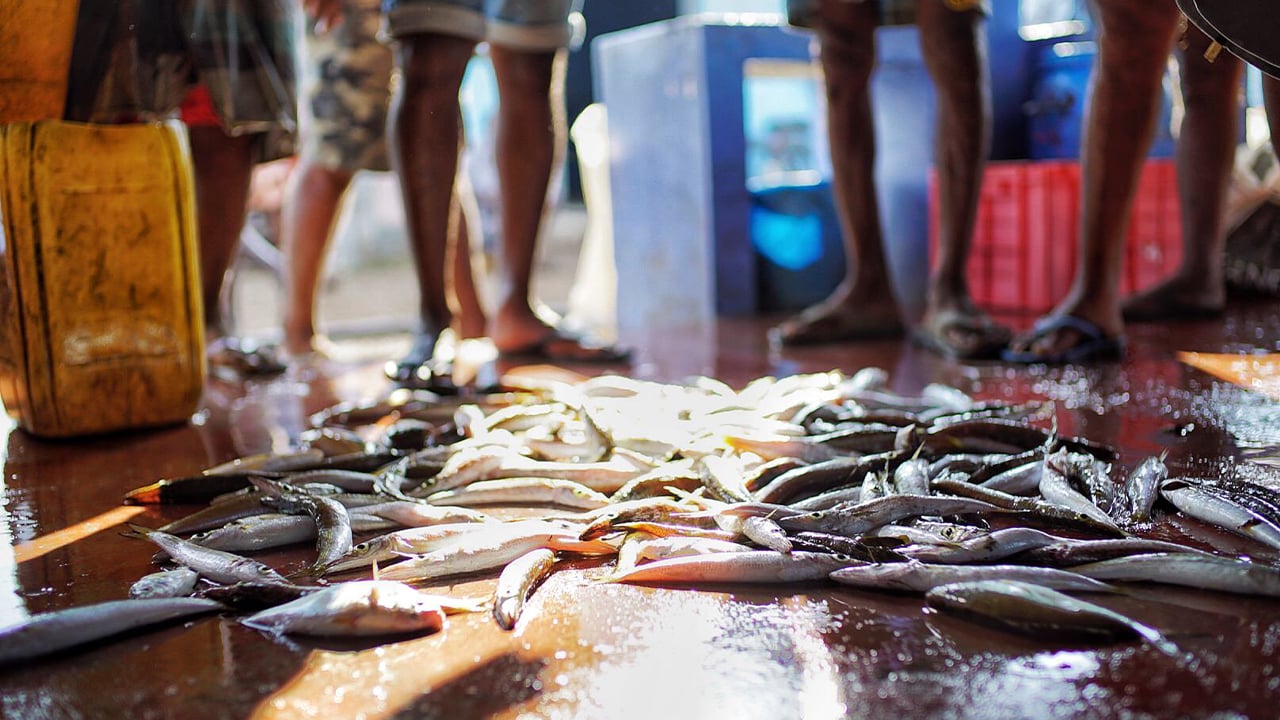
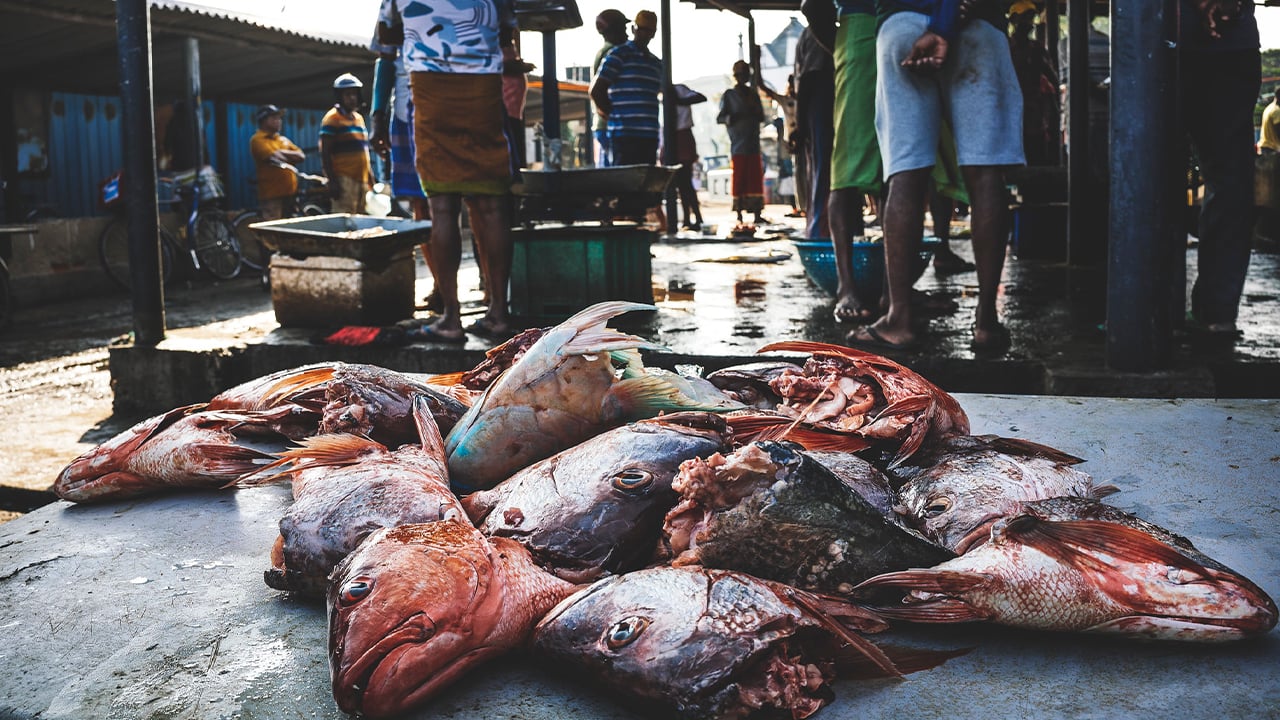
The catch at Jaffna Fish Market reflects the rich marine biodiversity of the Palk Strait and the Gulf of Mannar. On a typical morning you will find several varieties of reef fish alongside larger pelagic species, as well as an often-impressive selection of shellfish and cephalopods.
- Prawns and shrimp — both small varieties for curries and larger tiger prawns
- Blue swimmer crabs and mud crabs — sold live or freshly boiled
- Cuttlefish and squid — prominent in northern Sri Lankan cooking
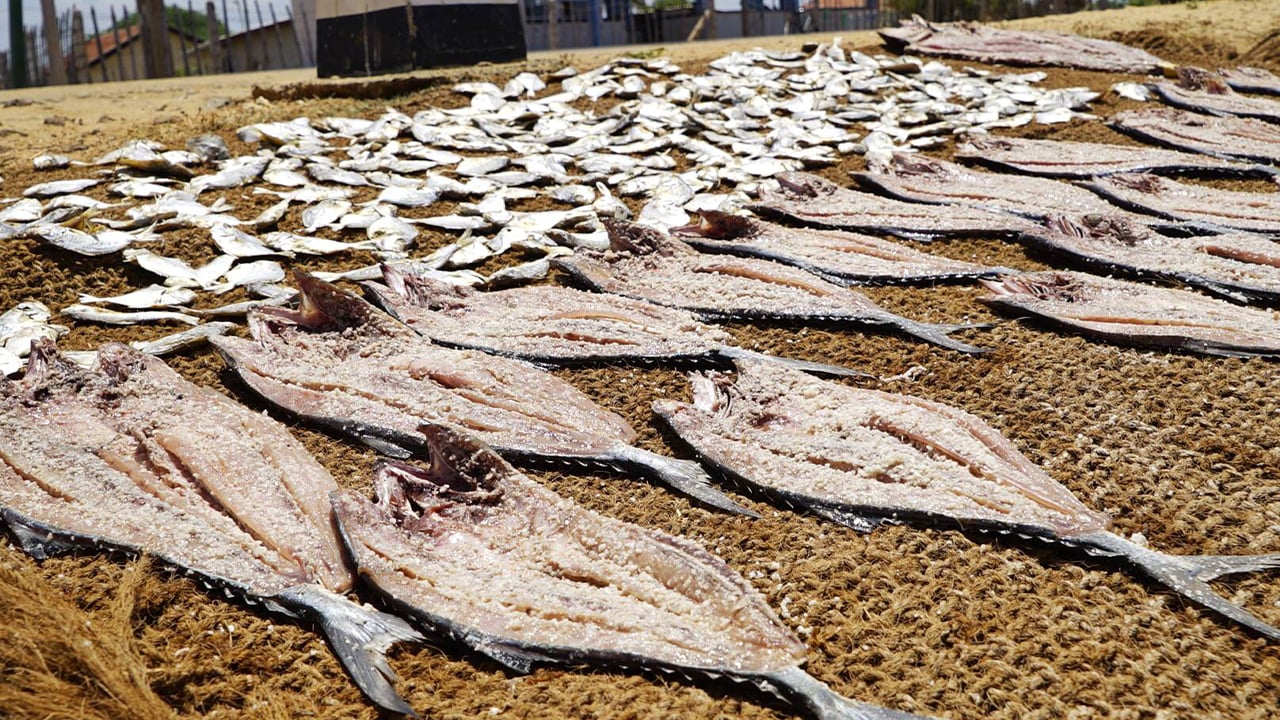
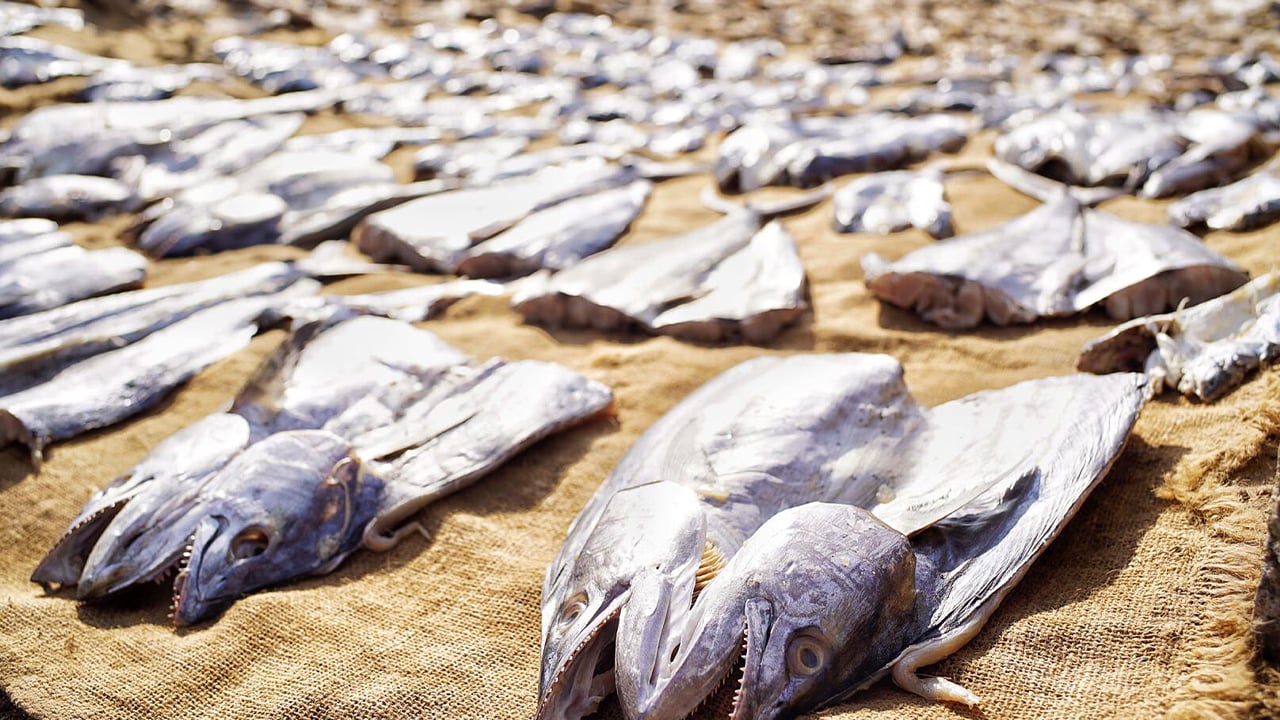
- Dried fish (Maldive fish) — an essential flavouring in Tamil cuisine, sold alongside fresh produce
- Reef and pelagic fish — including trevally, mackerel, snapper, and grouper
Prices are negotiated directly with vendors or fishermen; there are no fixed price boards. If you are purchasing for cooking, bring a small cooler bag. Most vendors are accustomed to curious visitors and will allow photographs, though asking first is courteous.
When is the best time to visit Jaffna Fish Market?
Arrive between 6 am and 9 am for the fullest experience. This is when the overnight and early-morning boats unload, fish are graded and laid out for sale, and the market reaches peak activity. By mid-morning, the best produce has sold and the crowds thin considerably. The market operates daily, though Sunday mornings can be quieter depending on the fishing schedule.
Year-round access is generally reliable. The northeast monsoon (roughly October to January) can reduce fishing activity and therefore the volume of catch on some mornings. The dry season from May to September tends to produce the most abundant and varied displays.
How does the Jaffna Fish Market connect to local cuisine?
Jaffna's food identity is closely tied to the sea. The Tamil cuisine of the north uses seafood in ways that differ markedly from the coconut-milk-heavy preparations of the south and west coast: spice blends are drier and more intense, and the use of sun-dried fish as a flavour base is central. The market is effectively the first link in a chain that ends on household and restaurant tables across the city.
Several restaurants near the Jaffna fort and along the town centre buy directly from this market, meaning a morning visit followed by a seafood lunch is a logical and rewarding combination. If you are interested in preparing northern seafood yourself, a deep-sea fishing excursion off the Jaffna peninsula gives a different perspective on where the catch originates.
How do I get to Jaffna Fish Market from central Jaffna?
The market sits on Beach Road, within a short distance of Jaffna town centre. The most practical options for visitors are:
- Tuk-tuk — readily available from the town centre and the most flexible option for an early start
- Walking — feasible from guesthouses in the central Jaffna area, typically around 15–20 minutes depending on your starting point
- Private vehicle — convenient but parking near the waterfront can be limited during peak morning hours
The road network in Jaffna has improved significantly since the end of the conflict, and the route to Beach Road is well signposted. Most accommodation in Jaffna city can arrange an early tuk-tuk for guests who want to catch the market at its best.
What else is worth seeing near Jaffna Fish Market?
The market sits at the edge of a wider waterfront area that includes traditional boat-building yards and views across the Jaffna Lagoon toward the peninsula's offshore islands. Combining a market visit with a morning walk along the coastline makes for a full half-day itinerary before the heat builds.
Within Jaffna city itself, the Portuguese-era fort, Nallur Kandaswamy Kovil, and the Jaffna Public Library are all within reasonable distance. The islands of the Jaffna archipelago — Kayts, Karaitivu, and Nainativu — are accessible by ferry and represent a natural extension of any time spent exploring the peninsula's coastal character.
Is Jaffna Fish Market suitable for children and first-time visitors to Sri Lanka?
The market is an informal working environment rather than a sanitised tourist attraction. The smells, noise, and close quarters of a busy fish market are part of the experience. Most visitors with an interest in food and travel find it engaging rather than overwhelming, but it may not suit everyone in a group. Children who are comfortable around seafood and market environments typically enjoy it. The ground near the unloading area can be wet and slippery, so closed shoes are advisable.
There are no admission fees or ticketing of any kind — the market is a public commercial space open to all. Basic amenities (small tea stalls, drinking water) are available nearby.
Practical information at a glance
| Detail | Information |
|---|---|
| Location | Beach Road, Jaffna city, Northern Province |
| Best visiting hours | 6 am – 9 am daily |
| Admission fee | None |
| Recommended season | May – September (dry season); year-round viable |
| Nearest transport hub | Jaffna Railway Station (around 1–2 km, route varies) |
| Photography | Generally permitted; ask vendors before close-up shots |
Nearby places
12 places within about 25 km, nearest first.
- Jaffna Clock Towerunder 1 km
- Jaffna Marketunder 1 km
- Jaffna Fortunder 1 km
- Jaffna Grand Mosqueunder 1 km
- Jaffna Public Libraryunder 1 km
- Sankili Thoppuunder 1 km
- Nallur Kandaswamy Kovilunder 1 km
- Nallurunder 1 km
- Nallur Kandaswamy Kovil Festival in Jaffnaunder 1 km
- Manthiri Manai Mansionunder 1 km
- Alfred Duraiappah Stadium1 km
- Jaffna Causeway And Chatty Beach2 km
Related reading
5 pages on closely related subjects.