
West of Jaffna city, a chain of small islands trails out toward the Palk Strait, arranged in a loose arc that points in the general direction of India. Most of these islands are connected to the peninsula and to one another by narrow causeways built up over the shallow lagoon waters — quiet roads where the sea is rarely more than a few metres away on either side. The causeway that begins close to the old Dutch fort is the natural starting point for any exploration of this corner of the North, and Chatty Beach, near the causeway's mainland end, is often the first place visitors get a genuine sense of Jaffna's coastal character.
What is the Jaffna Causeway and where does it lead?
The term "Jaffna Causeway" is used loosely to describe the network of raised roads and land bridges that connect the Jaffna Peninsula to the string of islands lying to its west and south-west — chief among them Kayts, Karaitivu, and Nainativu. The causeways were built and improved over successive eras of Dutch, British, and post-independence administration, and they remain the main overland route to islands that would otherwise be accessible only by boat.
The road leaves the mainland close to Jaffna Fort, passes through the fishing settlement of Chatty, and then crosses open water on low concrete bridges. On a clear day, the lagoon on both sides shifts between pale turquoise and slate grey depending on the light and wind. Fishing boats anchor in sheltered shallows, and wading birds pick through the mud at low tide. The journey to Kayts Island, the first and largest island on the route, takes roughly 30 to 40 minutes by bicycle at an easy pace.
What is Chatty Beach like?
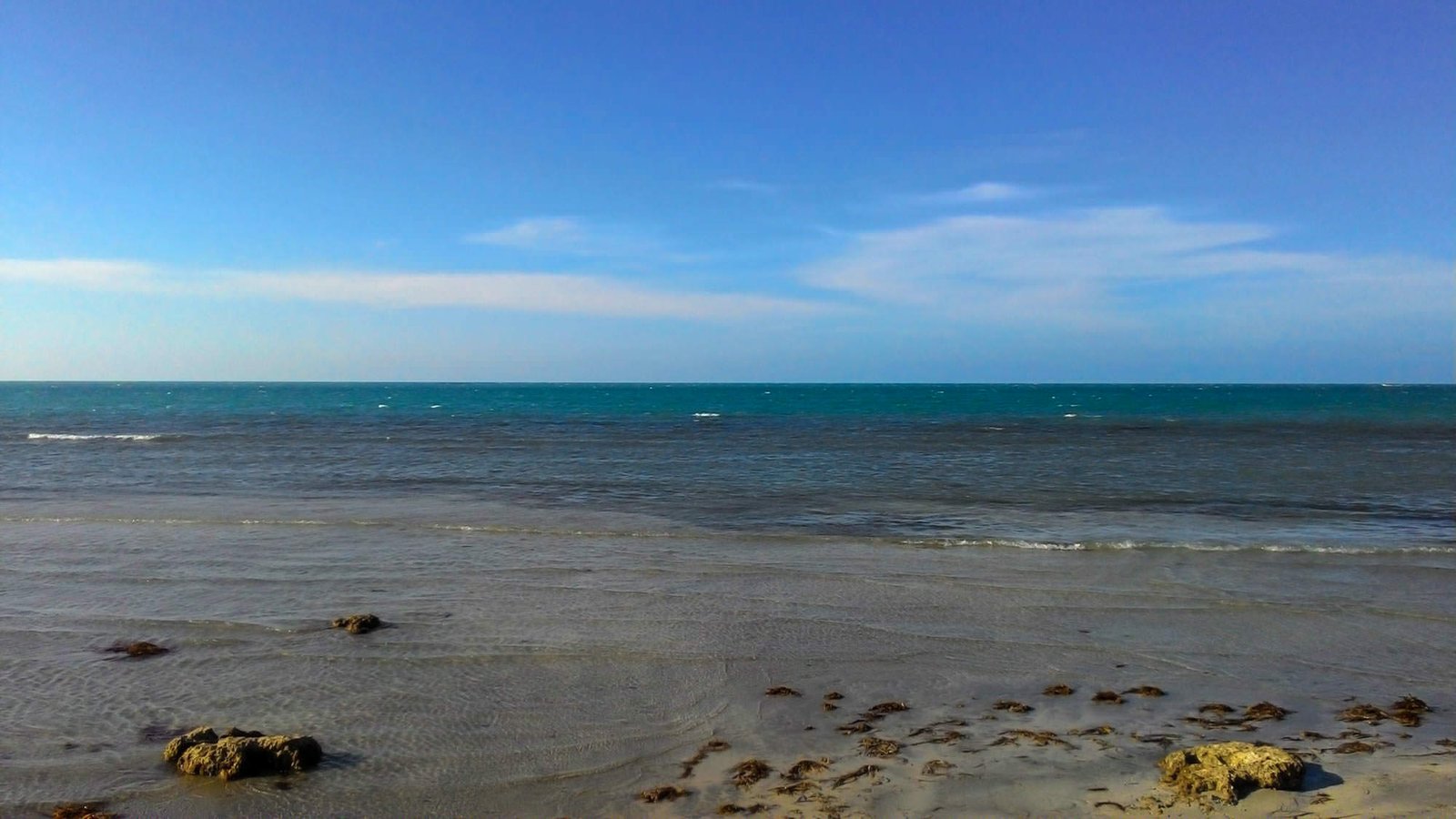
Chatty Beach sits at the edge of Jaffna town, just before the land gives way to the lagoon. It is a working beach as much as a recreational one — fishing craft are beached here, nets are laid out to dry, and the morning hours bring the activity of a community that has lived off these waters for generations. The sand is fine, the water shallow and calm behind the natural shelter of the islands.
For visitors, Chatty offers an unscripted introduction to Jaffna's coastal life. There are no formal facilities or resort infrastructure, which is precisely part of its appeal. Locals come here in the late afternoon and evening, particularly on weekends, making it a good place to observe the quiet rhythms of the city's edge before heading out along the causeway.
How do I get from Jaffna city to the causeway?
The causeway entrance is within easy reach of central Jaffna — most guesthouses and hotels in the city are around 10 to 15 minutes away by tuk-tuk or bicycle. Renting a bicycle in Jaffna is straightforward: several shops near the town centre offer basic cycles by the day at modest rates, and the flat terrain of the peninsula makes cycling the most rewarding way to travel the causeway. The road surface is generally sound, though some stretches near the water can be affected by seasonal flooding during the north-east monsoon.
Tuk-tuks are also available for the route and give access to passengers who prefer not to cycle the full distance. If you plan to reach the outer islands such as Nainativu, you will need to take a ferry from Kurikadduwan on Punkudutivu Island — the causeway system extends that far, but the final crossing to Nainativu is by boat only.
When is the best time to visit Jaffna Causeway and Chatty Beach?
The Jaffna Peninsula has a dry climate for much of the year, with the main rains arriving during the north-east monsoon between roughly October and January. The most comfortable period for outdoor exploration is from February through to early September, when skies are clear and the heat is tempered by sea breezes along the causeway. Early morning is the best time to cycle the route — light is kinder, temperatures are lower, and fishing activity at Chatty Beach is at its most photogenic.
Avoid attempting the causeway during periods of very strong north-east winds, when spray can make the exposed stretches uncomfortable. The route is passable year-round, but the experience differs markedly between the dry season and the monsoon months.
What can I see and do along the causeway islands?
Beyond Chatty, the causeway passes through a series of small settlements before reaching Kayts Island, which has its own history of Portuguese and Dutch occupation. A ruined Dutch fort at Hammenhiel guards the channel between Kayts and the neighbouring island of Karaitivu — it is visible from the water and occasionally accessible by boat arrangement with local fishermen.
- Kayts Town: A quiet settlement with a small market, kovils, and churches reflecting the island's mixed heritage. Worth a short stop for a cold drink and a look at the seafront.
- Casuarina Beach (Karainagar): One of the more accessible beaches in the area, reached via a separate spur road. Shallow, sheltered water makes it popular with families from Jaffna at weekends.
- Nainativu Island: Reached by ferry from Kurikadduwan, this small island holds the Nagapooshani Amman Temple, a significant Hindu pilgrimage site, and the Nainativu Nagapooshani Amman Temple is one of the most visited religious destinations in the North.
- Birdwatching: The lagoons alongside the causeways are habitat for painted storks, purple herons, little egrets, and migratory waders during the winter months. No special equipment is needed — they are visible from the roadside.
- Cycling the full route: The return journey from Jaffna to Kayts and back is manageable in a half-day. Extending the ride to Punkudutivu makes for a full day on the road.
What should I know before cycling the causeway?
The causeways are narrow in places and shared with motor traffic, so keep to the left and be alert around blind bends on the bridges. There is limited shade along the exposed water-crossing sections, so carry adequate water and sun protection. The islands have small shops where you can buy drinks and snacks, but options are basic — plan accordingly if you are making a full-day trip.
Mobile phone coverage is generally reliable across the causeway route. The roads are not lit after dark, so plan to complete the ride before sunset. Bringing a private driver as a support vehicle is a practical option for those who want to cycle one way and return by road.
How does Jaffna fit into a broader Sri Lanka itinerary?
Jaffna sits at the far north of the island, around five to six hours by road from Colombo and served by domestic flights that reduce the journey to under an hour. Most visitors combine a Jaffna stay of two to three nights with time in the Cultural Triangle or the east coast. The North offers a cultural experience distinct from the rest of Sri Lanka — Tamil language, Hindu temples, a different cuisine, and a landscape shaped by the lagoon-island geography that makes the causeway ride so singular. Wilpattu National Park, the nearest major wildlife reserve, lies a few hours south-west and can be incorporated into a circuit that avoids retracing the same road.
Nearby places
10 places within about 25 km, nearest first.
- Alfred Duraiappah Stadiumunder 1 km
- Jaffna Public Library1 km
- Nallur1 km
- Jaffna Grand Mosque1 km
- Jaffna Fort1 km
- Jaffna Clock Tower2 km
- Jaffna Fish market2 km
- Jaffna Market2 km
- Nainativu Nagapooshani Amman Temple4 km
- Kurikadduwan Beach8 km
Related reading
2 pages on closely related subjects.