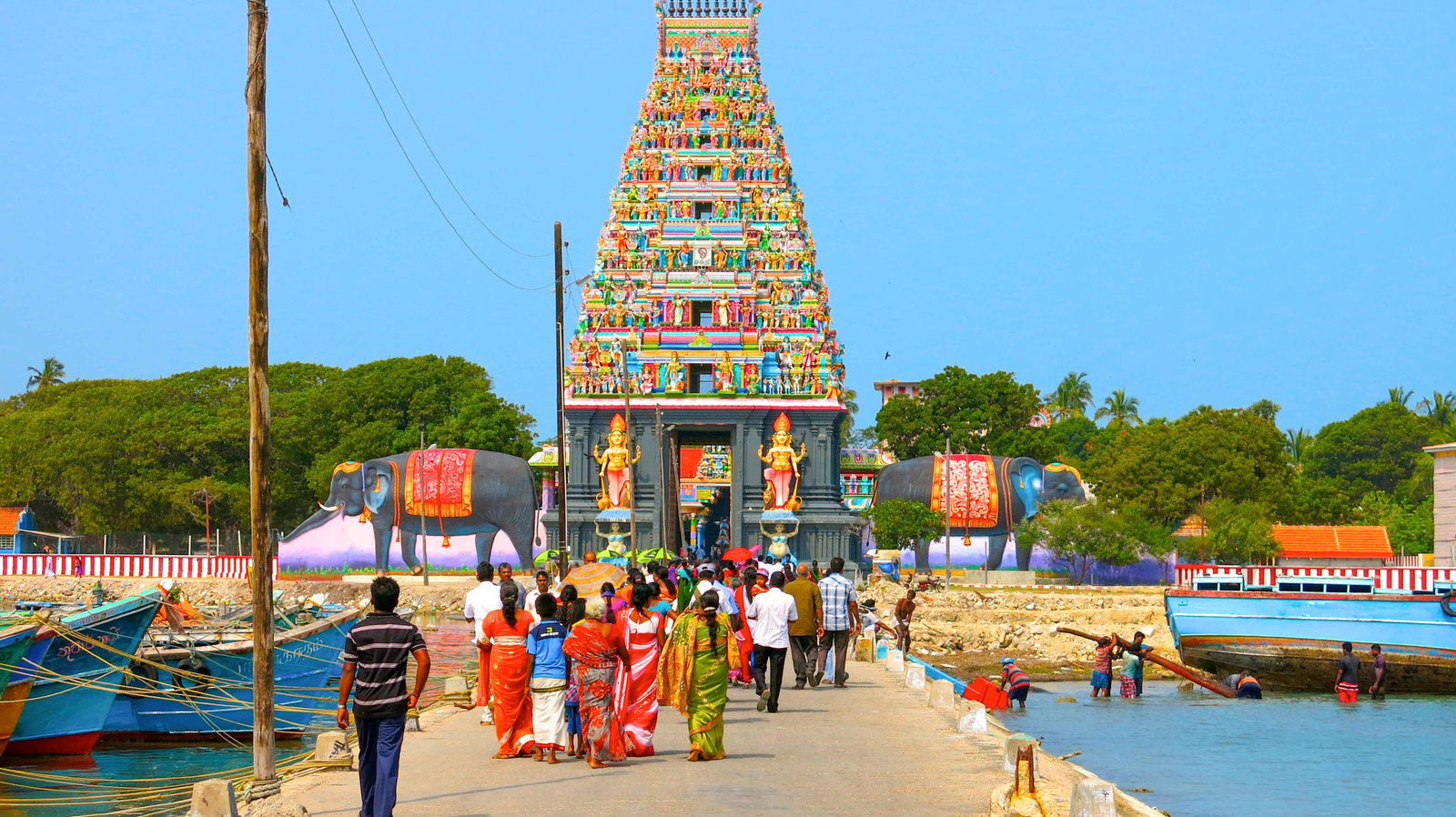
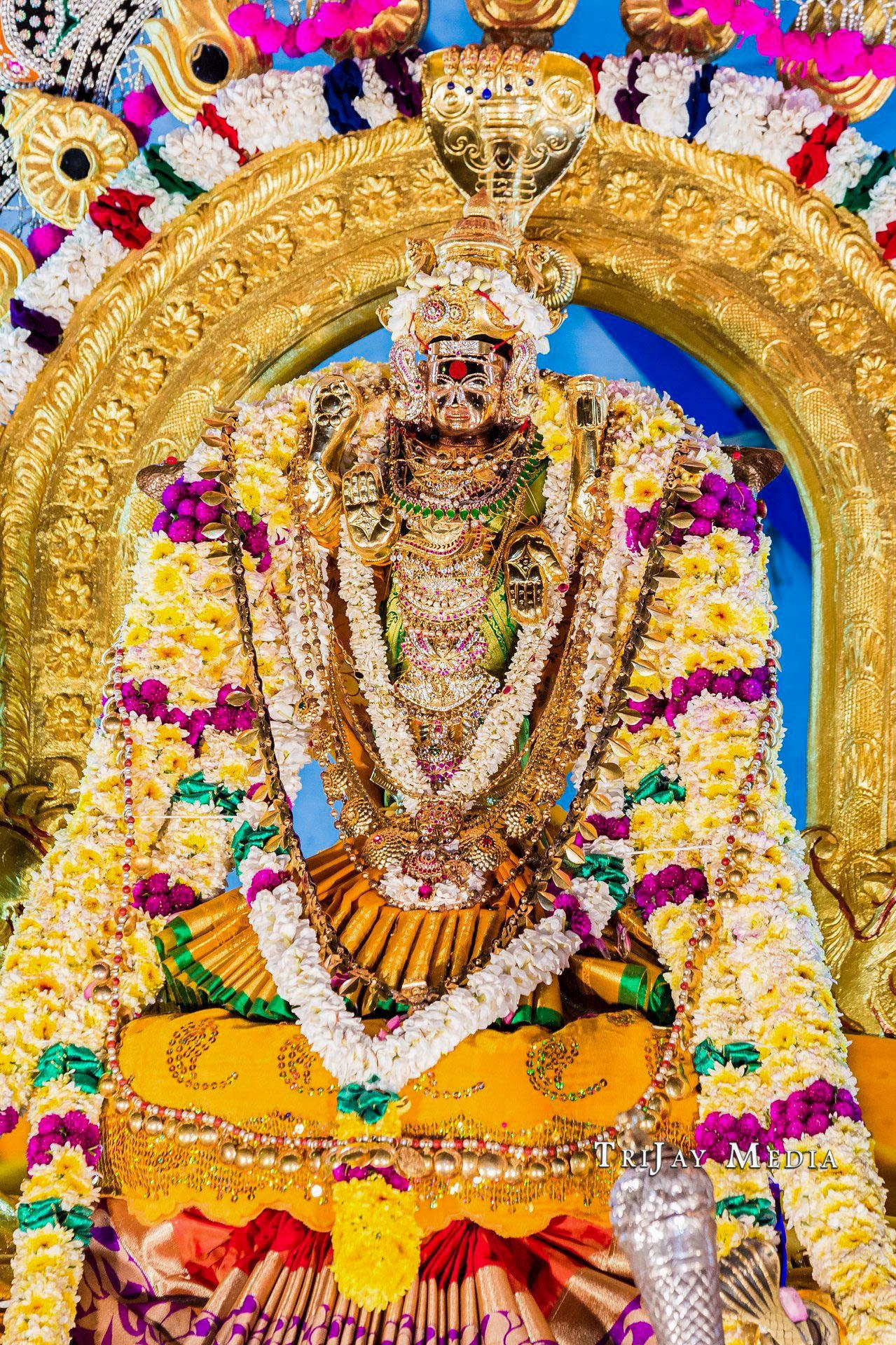
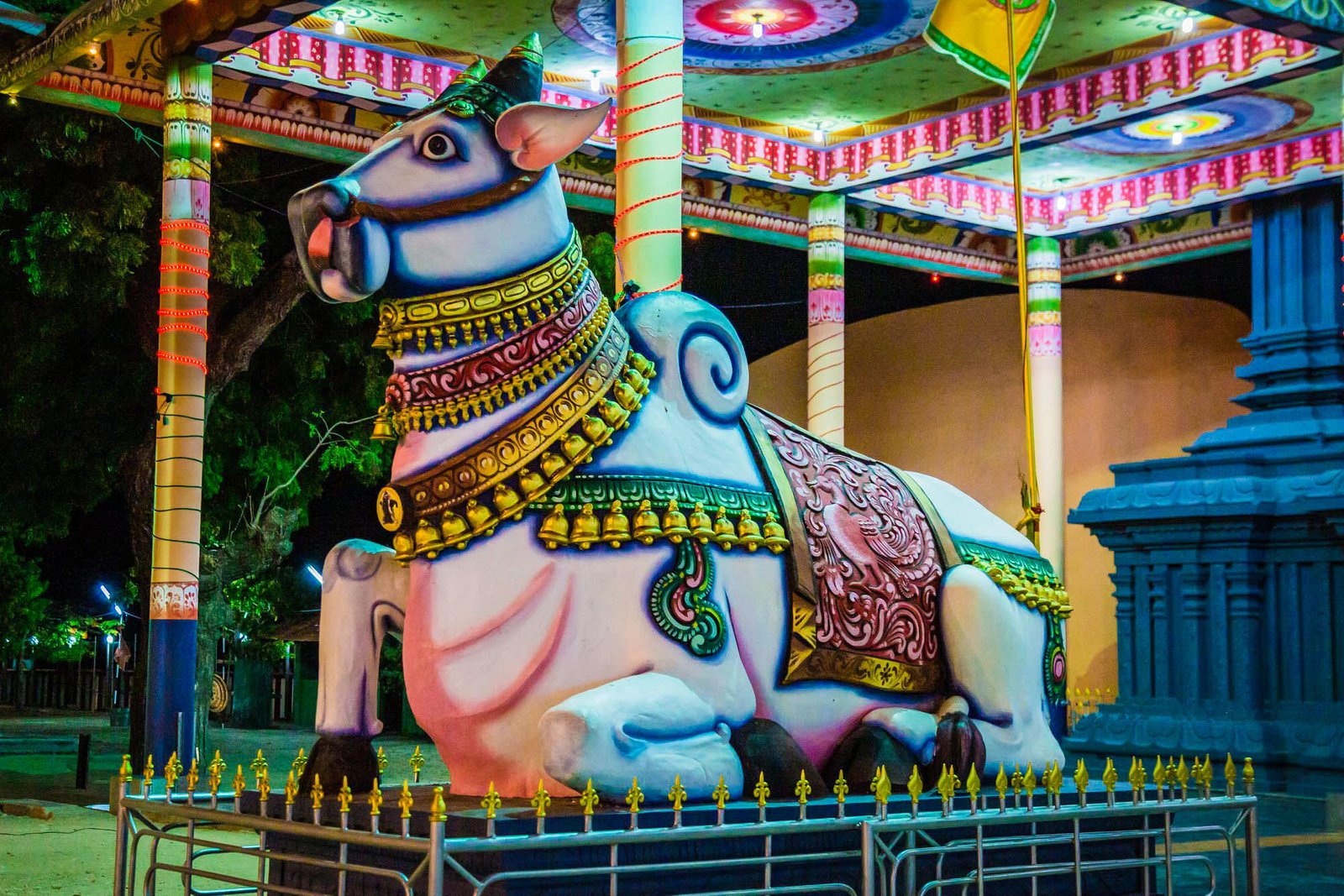
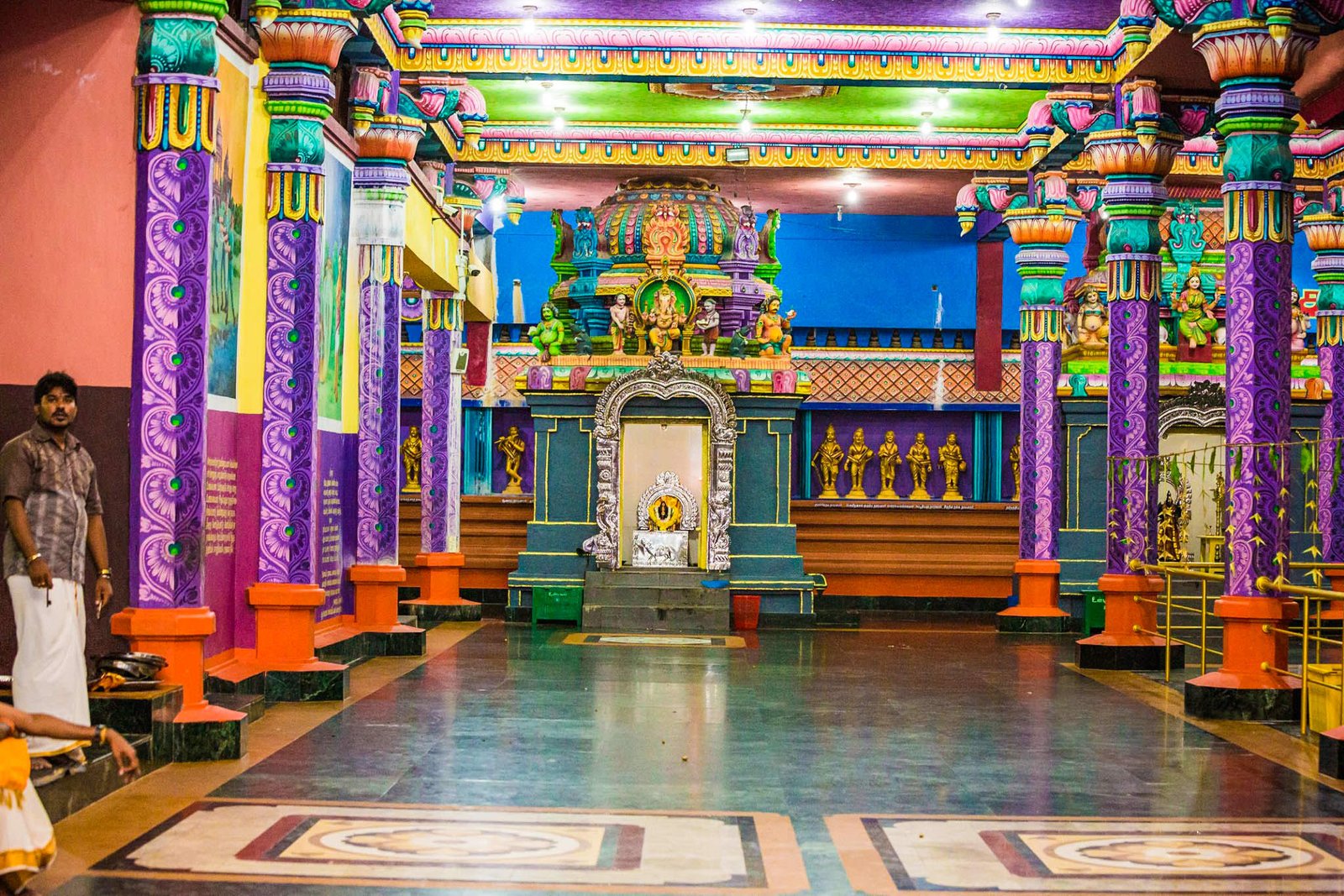
Rising from the quiet waters of the Palk Strait on the small island of Nainativu, the Nagapooshani Amman Temple is one of Sri Lanka's most revered Hindu shrines. Dedicated to the goddess Parvati — worshipped here as Nagapooshani or Bhuvaneswari — and her consort Shiva, known locally as Nayinaar, the temple draws pilgrims and visitors from across Sri Lanka, India, and the Tamil diaspora worldwide. It is accessible only by boat, giving the journey itself a sense of sacred purpose.
What is the significance of the Nagapooshani Amman Temple?
The temple holds a distinguished place in Hindu tradition as one of the 64 Shakti Peethams — sacred sites where the divine feminine energy of Shakti is believed to be especially potent. It was the 9th-century Advaita philosopher Adi Shankaracharya who formally identified Nainativu as one of these peethams in the Shakti Peetha Stotram. The site is also referenced in the Brahmanda Purana, one of Hinduism's major ancient texts.
For Tamil culture specifically, the temple's roots run even deeper. It appears in classical Tamil literary works including Manimekalai and Kundalakesi, placing its history well within the first millennium CE. The temple is regarded as a powerful symbol of Tamil religious and cultural identity, and its continued vitality after centuries of upheaval speaks to that enduring connection.
What is the history of the temple's architecture?
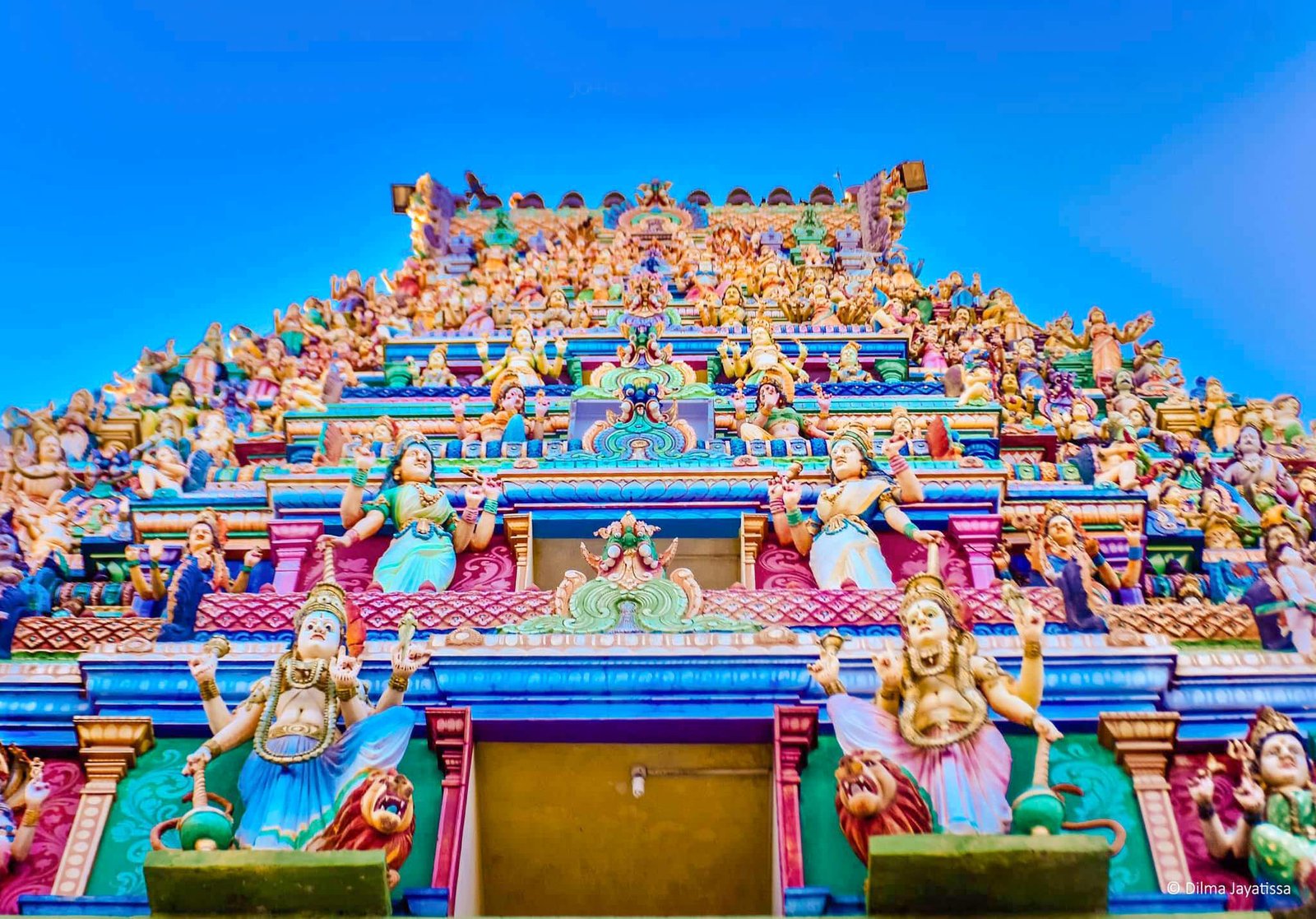
The original structure was destroyed by the Portuguese in 1620 during a period of colonial disruption to South Asian religious sites. The present complex was rebuilt between 1720 and 1790, and has since undergone significant renovation and expansion. Today, the temple houses four gopurams — the ornate gateway towers characteristic of Dravidian temple architecture. Three of these range from 20 to 25 feet in height; the principal eastern tower, the Raja Raja Gopuram, soars to 108 feet, a number considered sacred in Hindu numerology.
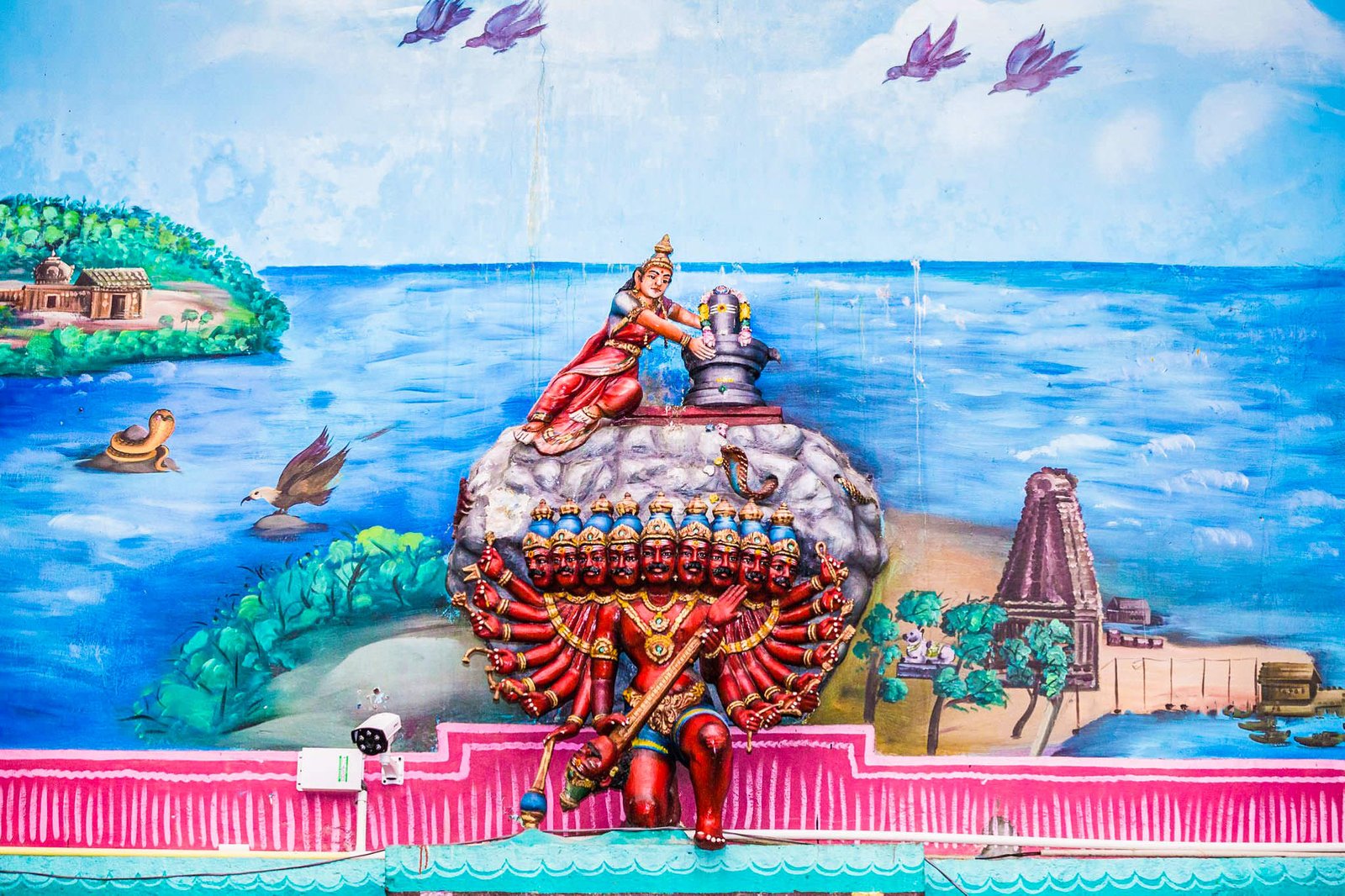
The renovation work visible today reflects a broader 20th- and 21st-century restoration effort. An estimated 10,000 sculptures adorn the complex, spanning deities, mythological scenes, and decorative motifs executed in the South Indian Dravidian style. The craftsmanship repays close attention — even a slow circuit of the outer walls reveals figures and narratives that reward familiarity with the tradition.
How do you reach Nainativu Island from the mainland?
The island of Nainativu lies off the northern coast of Sri Lanka, reachable from the Kurikadduwan jetty on Punkudutivu Island in the Jaffna district. To get there, visitors typically travel to Jaffna city and then take a series of causeways and ferries across the Jaffna lagoon to reach the jetty. From Kurikadduwan, a short government ferry ride — operated by the Sri Lanka Navy — crosses to Nainativu. The crossing takes around 15 to 20 minutes and runs on a schedule that pilgrims should confirm locally, as service times can vary by season and demand.
Private road transport from Colombo to Jaffna takes approximately seven to eight hours by car or around five to six hours by the Yal Devi express train. Many pilgrims from the south prefer the overnight train to arrive refreshed in the morning. A private driver or taxi service can make the full journey more flexible, particularly for groups or families.
When is the best time to visit Nainativu?
The temple receives visitors year-round, with around 1,000 pilgrims arriving on a typical day. The northern dry season — roughly from May to September — generally offers calmer sea conditions and more reliable ferry crossings, making it the most comfortable period for the boat journey. However, the most auspicious time to visit is during the annual Mahostavam festival.
Mahostavam, also called Thiruvizha, is a 16-day festival celebrated during the Tamil month of Aani, which falls in June or July in the Gregorian calendar. During this period, the island receives an estimated 100,000 or more pilgrims. Daily attendance swells to around 5,000 on festival days. If you are travelling for religious observance rather than sightseeing, this is the time the island is at its most charged — though plan accommodation in Jaffna well in advance, as the town fills quickly.
What should visitors know before they go?
The temple is an active place of worship, and visitors of all faiths are welcome provided they observe the expected courtesies. Remove footwear before entering the complex. Dress conservatively — shoulders and knees should be covered. Photography inside the inner sanctum is typically restricted; follow the guidance of temple staff on site.
There are no hotels on Nainativu itself — the island is small and its facilities are limited to basic food stalls and changing areas near the jetty. Most visitors make it a day trip from Jaffna or from a guest house on one of the adjacent connected islands. Carry drinking water, particularly during the warmer months.
Note that the island also hosts a Buddhist site, the Nagadipa Purana Viharaya, associated with the Buddha's second legendary visit to Sri Lanka. Some visitors combine both sites in a single crossing, though the two places of worship are kept distinct and each has its own customs.
What else is there to see near Nainativu?
Jaffna city, the cultural capital of Sri Lanka's north, offers considerable depth for those spending more than a day in the region. The Jaffna Fort, the historic Nallur Kandaswamy Kovil, the Jaffna Public Library (rebuilt after its destruction in 1981), and the Casuarina Beach at Karainagar all warrant time. The causeway route to Nainativu passes through several islands — Kayts, Punkudutivu, and others — each with its own character and quiet coastal scenery.
For those combining a northern pilgrimage with broader Sri Lanka travel, the ancient city of Polonnaruwa lies roughly midway between Jaffna and Colombo and makes a logical stopover in either direction.
Nearby places
9 places within about 25 km, nearest first.