
Coriander (Coriandrum sativum) is one of the world's most versatile culinary plants. Depending on which part of the plant you use — and where in the world you happen to be cooking — it goes by several names: coriander, cilantro, or Chinese parsley. Every part of this slender annual carries a distinct flavour, making it simultaneously an herb, a spice, and in some traditions, a medicinal ingredient.
What is coriander, and where does it come from?
A member of the parsley family (Apiaceae), coriander is native to the Mediterranean and Middle East regions, with records of cultivation stretching back thousands of years. Today it is grown widely across South Asia, Southeast Asia, Latin America, and sub-Saharan Africa. Sri Lanka has a long history of incorporating coriander into its spice trade and home cooking, sitting naturally alongside other island staples such as Ceylon black pepper and cloves.
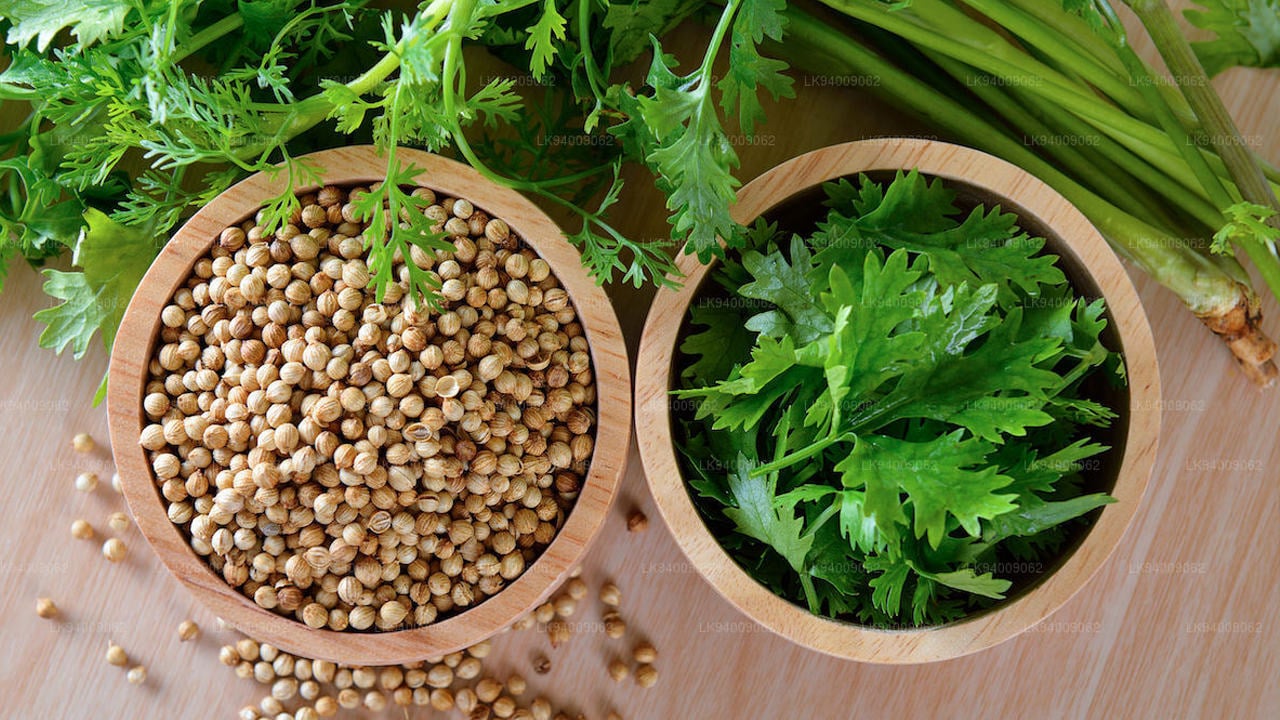
The plant itself is a slender annual, typically growing 30 to 60 cm tall. It produces hollow stems, feathery bipinnate leaves, and small pink or white flowers arranged in umbrella-shaped clusters called umbels. Its compact growing habit makes it well suited to home kitchen gardens as well as commercial cultivation.
What does coriander look and taste like?
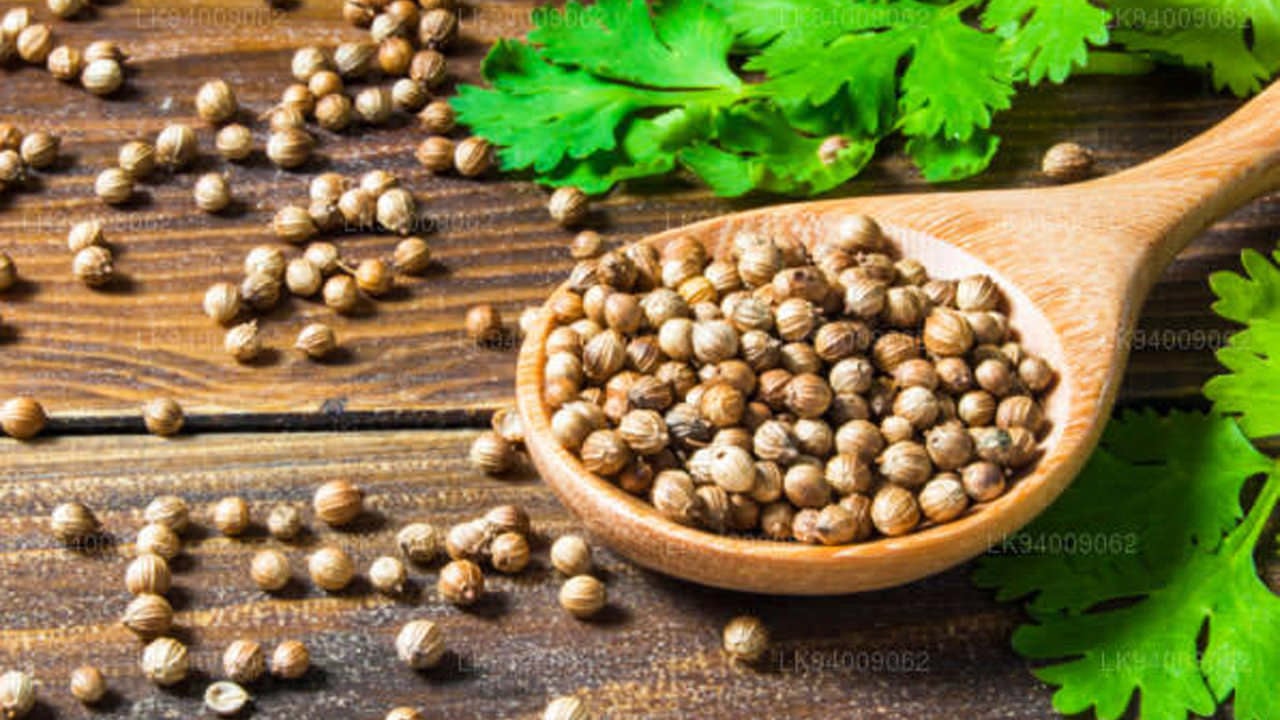
The fresh leaves — commonly called cilantro in North American and Latin American contexts — have a bright, citrusy, slightly grassy flavour that some palates find strongly aromatic. The dried fruits and seeds carry a completely different character: warm, slightly sweet, with notes that resemble a blend of lemon peel and sage. This flavour difference between leaf and seed is one reason coriander is treated almost as two separate ingredients in professional kitchens.
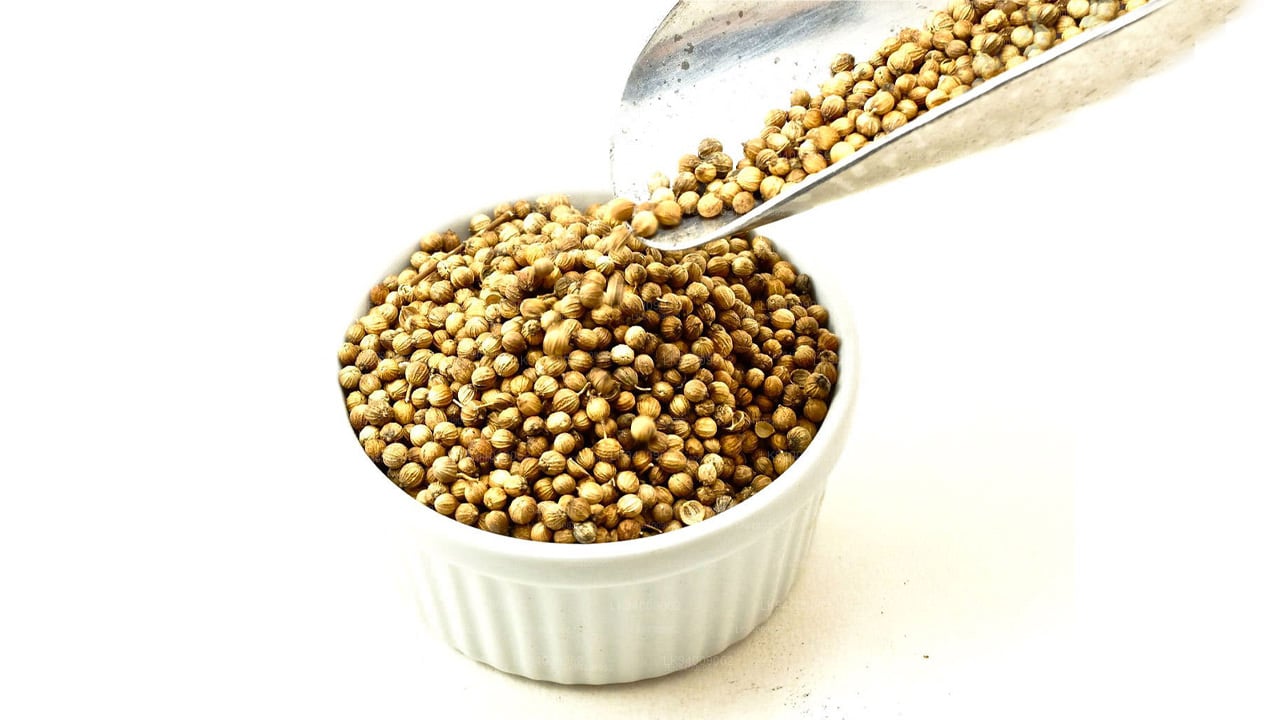
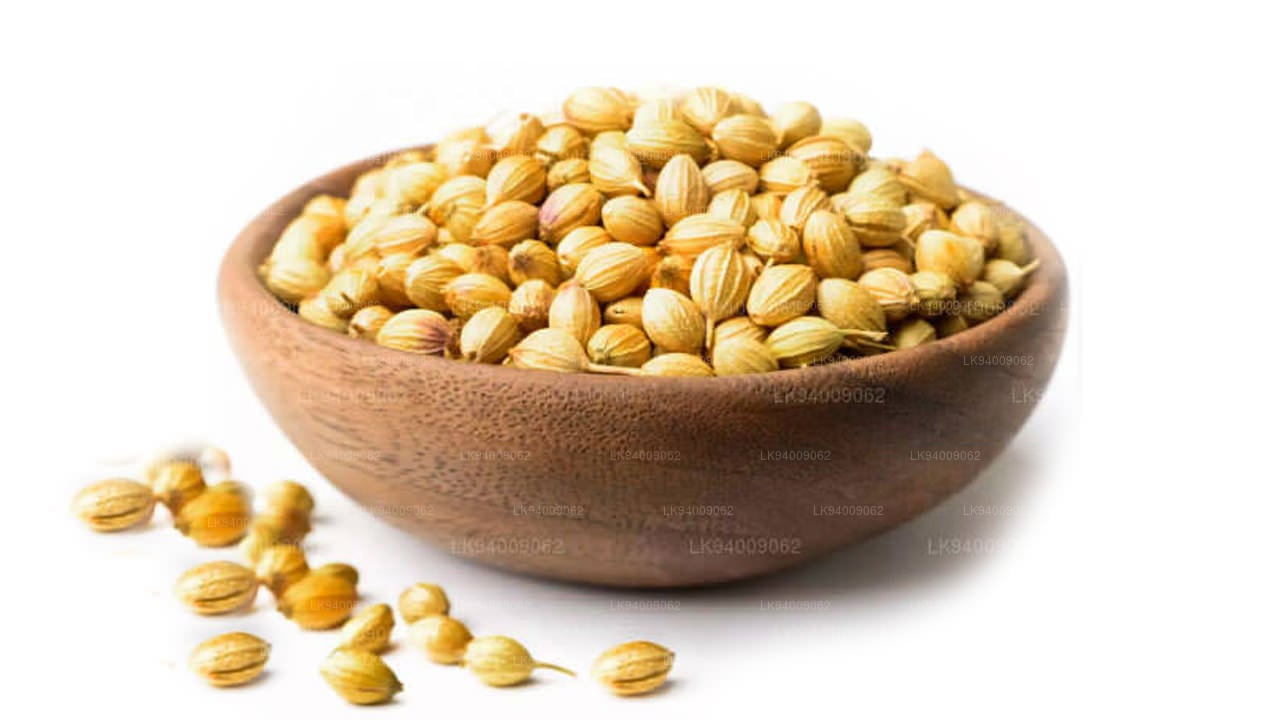
The fruit is a small, nearly globular schizocarp about 5 mm in diameter. Its yellowish-brown surface has a mild fragrance even before grinding. The essential oil content of the seeds ranges from roughly 0.1 to 1 percent, with coriandrol (also called linalool) as the principal active component.
How is coriander used in cooking?
Coriander's culinary reach is genuinely global. The seeds — whole or ground — appear in:
- South Asian curry powders and masalas, where they typically form the largest proportion of the blend
- Middle Eastern spice mixes such as baharat and ras el hanout
- Scandinavian rye breads and pastries
- Charcuterie and sausage seasoning across Europe
- Liqueurs, gins, and certain ales, where the seeds contribute a floral citrus note
- Confectionery, including traditional English comfits (sugar-coated seeds)
Fresh leaves (cilantro) are indispensable in Indian chutneys, Mexican salsas, Thai soups, and Vietnamese pho garnishes. In Sri Lankan cooking, coriander seeds ground into a roasted curry powder are a foundational flavour, while fresh leaves appear as a finishing herb in lentil dishes and fish curries.
What are the health properties associated with coriander?
Traditional medicine systems across South Asia and the Middle East have long used coriander for digestive complaints, and modern herbalism continues this tradition. Coriander seed is considered a carminative — meaning it may help ease bloating and gas — and coriander-infused teas and herbal preparations remain popular across Sri Lanka. The seeds' essential oil, rich in linalool, is also extracted and used in aromatherapy and natural cosmetic formulations.
Ayurvedic preparations sometimes incorporate coriander alongside other botanicals for its reputed cooling and anti-inflammatory properties. It is worth noting that while these uses have a long empirical history, they are complementary to — not a substitute for — medical advice.
What forms of coriander are available from Sri Lanka?
Sri Lanka produces and exports coriander in several forms, each suited to different culinary or wellness applications:
| Form | Common uses | Notes |
|---|---|---|
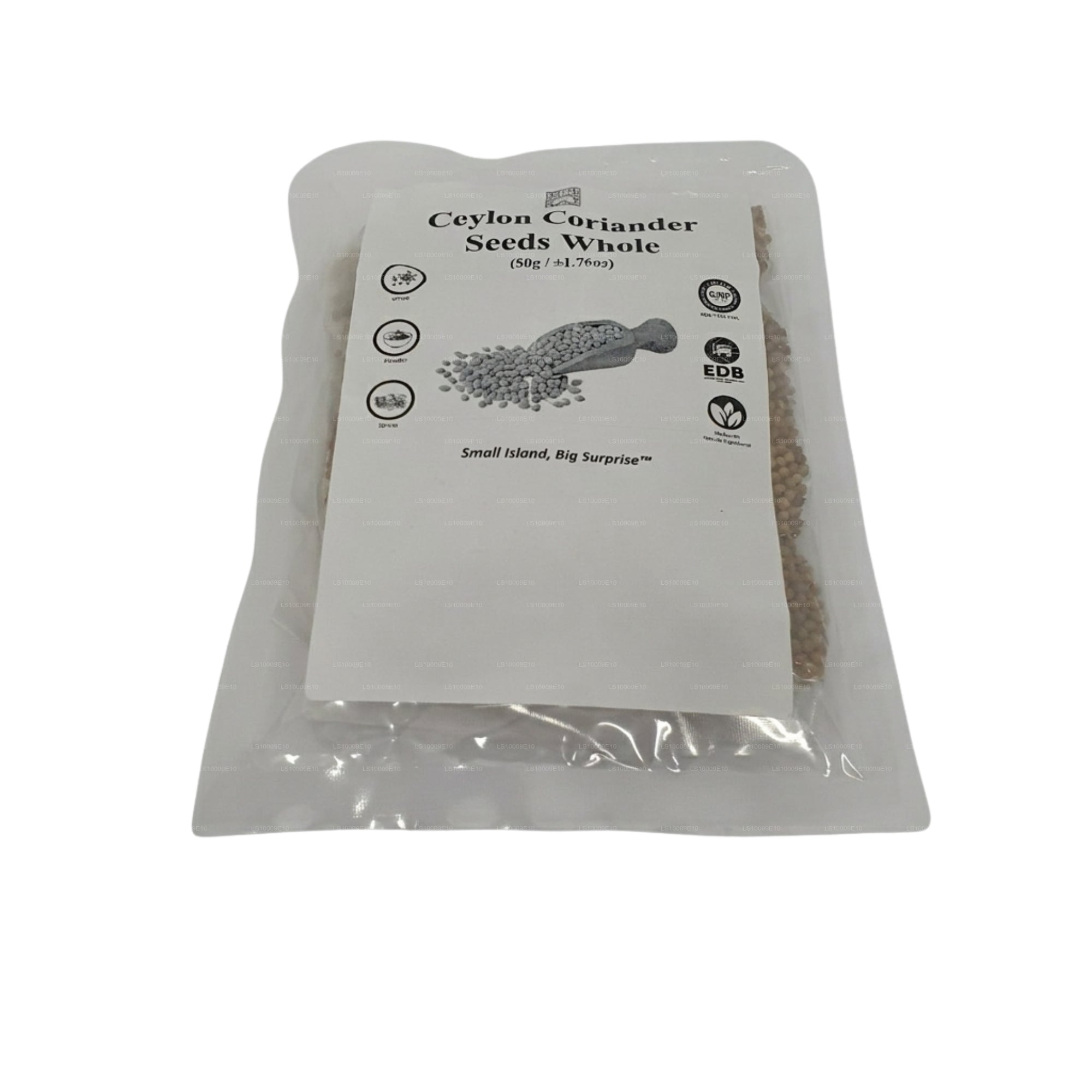
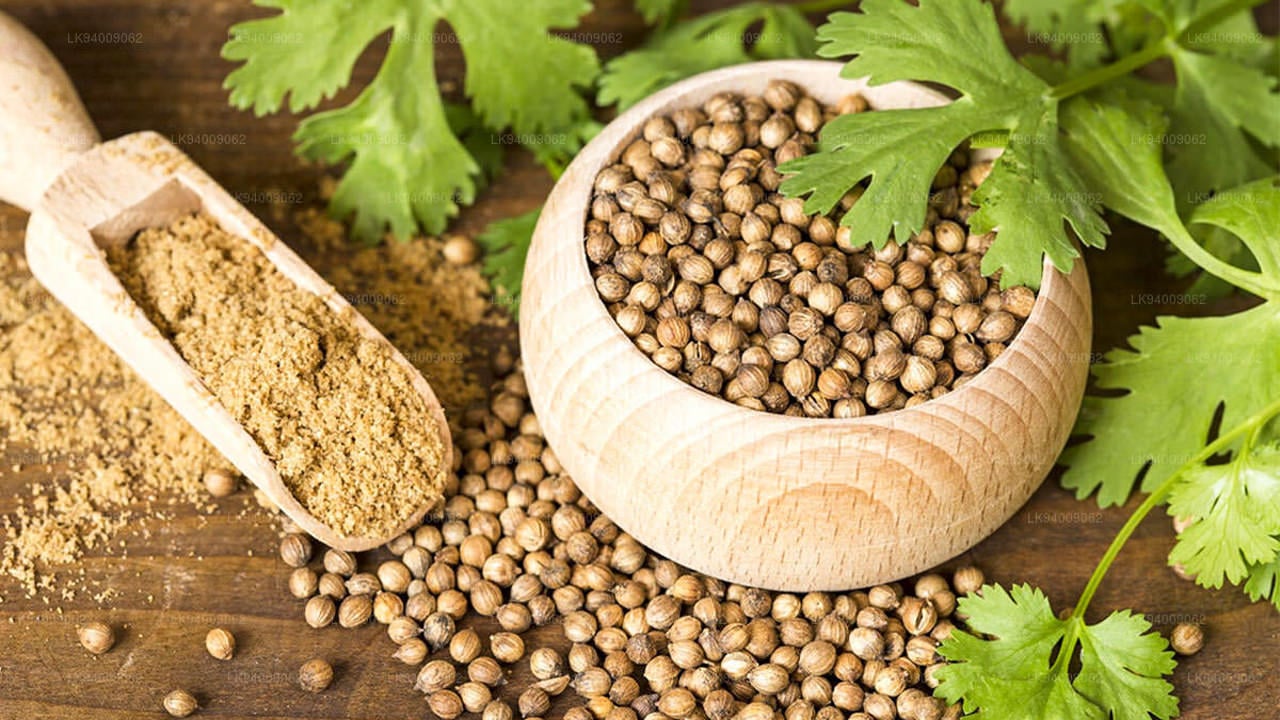
| Whole seeds | Tempering, slow-cooked curries, pickling | Best toasted briefly before use to intensify flavour |
| Ground powder | Curry powders, spice rubs, marinades | Loses aroma faster than whole seeds; store airtight |
| Organic whole / powder | All culinary uses; preferred for wellness applications | Certified organic; no synthetic inputs |
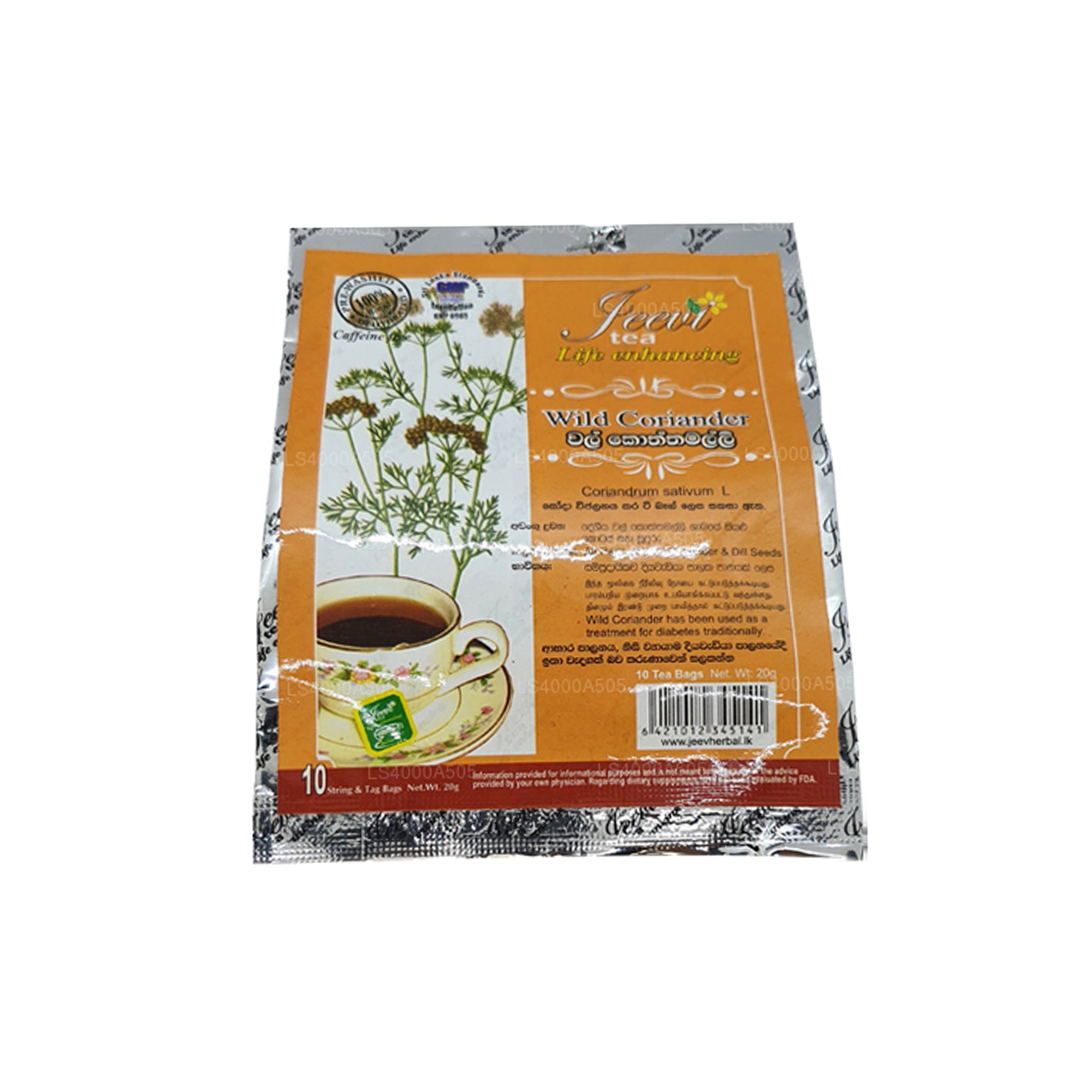
| Coriander tea bags | Digestive infusion, herbal blends | Often paired with ginger for added warmth |
| Essential oil | Aromatherapy, cosmetic formulation | Highly concentrated; not for direct ingestion |
| Dehydrated whole | Long-shelf-life spice blending | Retains structural integrity better than powder |
How should coriander be stored?
Whole seeds retain their volatile oils far longer than pre-ground powder — typically up to two years in an airtight container stored away from direct light and heat, compared with around six months for ground coriander before significant flavour loss occurs. If you buy whole seeds, grind small batches as needed using a spice grinder or mortar and pestle. Fresh leaves (cilantro) are best kept loosely wrapped in a damp cloth in the refrigerator and used within a few days.
Is coriander grown in Sri Lanka?
Coriander is cultivated in Sri Lanka's drier intermediate and dry zones, where the climate suits its growth cycle. It is a fixture in home kitchen gardens island-wide and is grown commercially for both the domestic market and export. Sri Lanka's spice tradition — rooted in centuries of trade — means locally sourced coriander is widely available in markets and specialty spice shops, often sold alongside complementary ingredients such as Syzygium aromaticum (cloves) and turmeric.
For visitors interested in Sri Lanka's agricultural heritage, spice gardens in the Kandy and Matale regions offer guided tours where coriander, pepper, and other native and adopted spices can be seen growing together.
What is wild coriander (walkottamalli)?
In Sri Lanka, the term walkottamalli refers to a related plant sometimes called wild coriander or long coriander (Eryngium foetidum). It is a distinct species from Coriandrum sativum but shares a similar aromatic profile, and its leaves are used interchangeably with cilantro in many Sri Lankan and Southeast Asian recipes. Wild coriander is also widely used in Ayurvedic and traditional herbal preparations on the island.