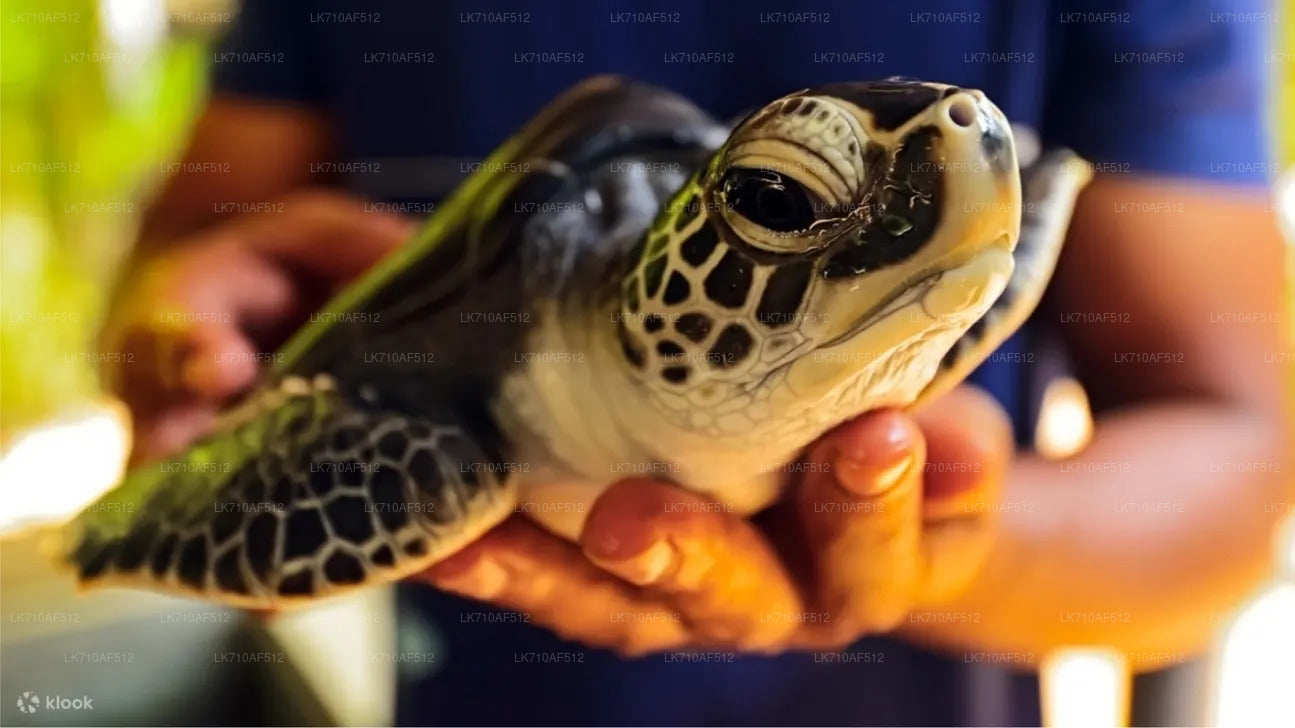
Each year, five species of sea turtle nest on the beaches of Sri Lanka's southwestern and southern coast. Of the eggs that hatch naturally, only a fraction of the hatchlings survive their first hours in the open ocean — natural predators, disorientation caused by artificial light, and the dangers of fishing gear all take a heavy toll. Turtle hatcheries along the coast intercept freshly laid eggs, incubate them in protected enclosures, and release the hatchlings within 24–48 hours of emergence. Joining one of these releases is one of the most grounding wildlife encounters available to visitors on the island.
How do turtle hatcheries in Sri Lanka operate?
Hatchery staff — often working through the night — patrol nesting beaches and collect eggs from sites deemed vulnerable to flooding, predation, or human disturbance. The eggs are reburied in numbered plots inside a secure enclosure, and incubation takes roughly 50–60 days depending on sand temperature. Once the hatchlings break out of their shells, they are held briefly in shallow water tanks to be counted, inspected, and shown to visitors before the release.
Most centres operate a simple admission fee that covers both the educational visit and the release itself. Reputable hatcheries do not keep turtles in permanent captivity; the goal is always to return healthy animals to the sea as quickly as possible.
Which turtle species can you encounter?
Sri Lanka's coast hosts several species recognised as threatened or critically endangered under the IUCN Red List:
- Green turtle (Chelonia mydas) — the most commonly seen nesting species along the south and southwest
- Loggerhead turtle (Caretta caretta) — larger and less frequent
- Olive ridley turtle (Lepidochelys olivacea) — smaller, occasionally encountered along the southern coast
- Leatherback turtle (Dermochelys coriacea) — the world's largest sea turtle; sightings are rare but recorded
- Hawksbill turtle (Eretmochelys imbricata) — critically endangered; nests in smaller numbers
Where can you take part in a baby turtle release?
The main hatchery locations are concentrated along the southwestern and southern coastline, roughly between Colombo and Tangalle. Each site has its own character and conservation approach.
| Location | Closest town | Notes |
|---|---|---|
| Kosgoda | Kosgoda / Balapitiya | One of the oldest hatchery operations on the island; see the Kosgoda Sea Turtle Conservation Project for details |
| Hikkaduwa | Hikkaduwa | Conveniently close to a popular surf and snorkel resort town; visits can be combined with a reef trip |
| Bentota / Induruwa | Bentota | Several small hatcheries operate in this stretch; releases typically happen at dusk |
| Unawatuna / Habaraduwa | Galle | Easily paired with a Galle city tour |
| Weligama / Mirissa | Weligama | Popular base for whale watching; turtle releases add a second wildlife activity to the day |
| Tangalle | Tangalle | Quieter, less commercialised stretch of coastline with good nesting habitat |
The Hikkaduwa Turtle Hatchery and the Koggala Sea Turtle Conservation Project are among the most visited, but smaller, community-run sites often provide a more intimate experience with fewer visitors.
When is the best time to see turtle releases in Sri Lanka?
Nesting activity peaks between November and April on the southwestern coast, which means the largest hatches — and therefore the most hatchlings available for release — typically occur between January and May. That said, hatcheries in Kosgoda, Hikkaduwa, and Bentota operate year-round because they maintain rolling incubation cycles, and releases can happen on any given day. Visiting in the evening or at dusk is generally preferred: hatchlings are naturally cued to enter the water under low light, which reduces their exposure to aerial predators.
What should visitors expect during a release?
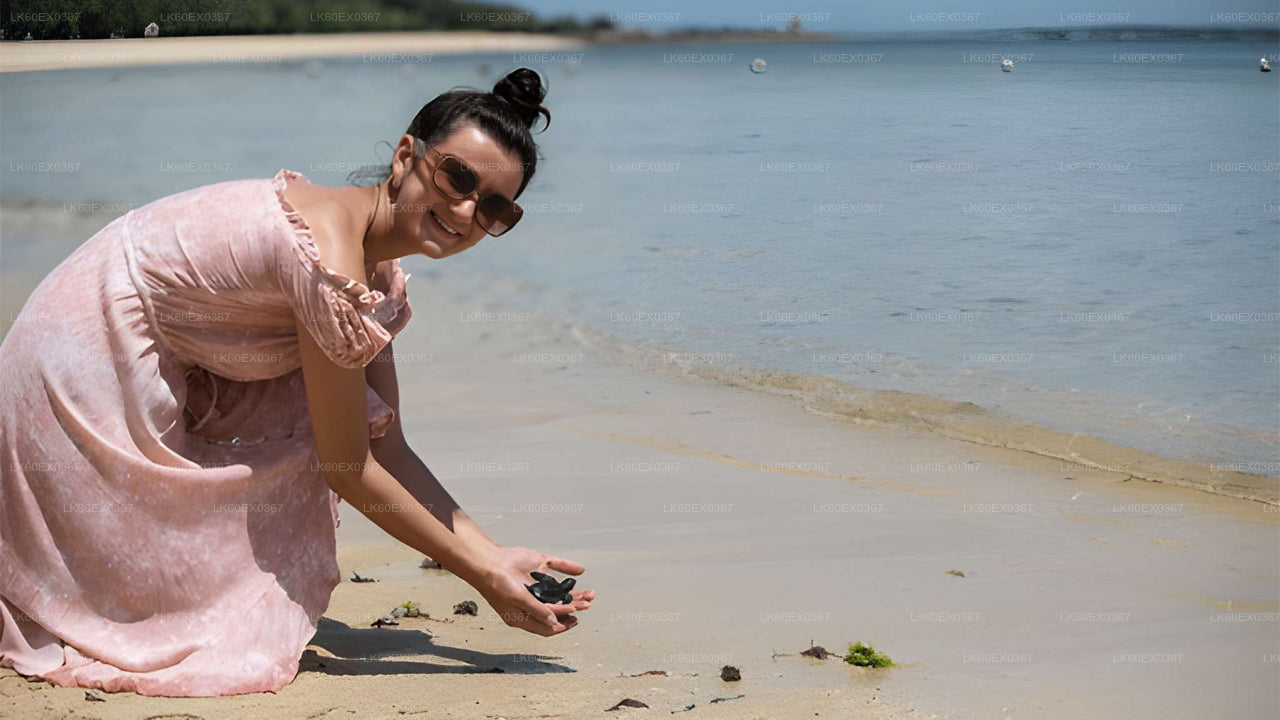
On arrival at a hatchery, staff typically give a short briefing covering the species present, the threats they face, and the hatchery's methods. Visitors then view the incubation pits and — if a batch is ready — the water tanks holding that day's hatchlings. During the release, each visitor is usually invited to carry one hatchling to the waterline and set it down on the wet sand, watching it orient toward the surf and enter the ocean. The whole encounter usually lasts between 30 and 90 minutes depending on the site and group size.
A few practical points:
- Avoid flash photography directly at the hatchlings; bright light can disorient them.
- Do not pick up hatchlings by the flippers or hold them for extended periods.
- Follow staff instructions on where to stand — trampling the sand too close to the waterline can impede the hatchlings' path.
- Wear clothing you don't mind getting sandy; some releases are done at the surf edge in shallow water.
How does participation support conservation?
Entry fees and donations collected by hatcheries fund beach patrols, equipment, and staff wages. Many projects also run community outreach programmes, training local fishermen to report nesting activity rather than harvest eggs — a practice that, while now illegal in Sri Lanka, persists in some areas. By choosing a visit through a responsible operator, travellers add direct economic value to conservation work that competes for funding against other coastal development pressures.
Turtle hatcheries in Sri Lanka are not without criticism: some researchers argue that artificial incubation can skew hatchling sex ratios, and that handling by tourists introduces stress. Reputable centres limit the time hatchlings spend in tanks, release them promptly, and follow guidelines issued by the Department of Wildlife Conservation. When planning a visit, look for sites that prioritise a quick turnaround from hatching to release over extended public display.
How to combine a turtle release with other coastal activities
Most hatchery locations sit within easy reach of other natural and cultural highlights. The mangrove waterways around Bentota and Balapitiya, for instance, can be explored on a Madu River Safari — a morning on the river pairs naturally with an evening turtle release at a nearby hatchery. Further south, Tangalle and Mirissa are within day-trip distance of Udawalawe National Park, making it possible to watch elephant herds in the morning and release sea turtles in the evening.
Snorkelling with wild sea turtles in their natural habitat is a separate experience offered around Hikkaduwa reef and at Pigeon Island in the north, where hawksbill and green turtles are regularly spotted grazing on coral. Hatchery visits and in-water turtle encounters complement each other well as part of a broader marine wildlife itinerary.
Related reading
5 pages on closely related subjects.