

On a quiet stretch of coastline east of Tangalle, Rekawa beach hosts one of Sri Lanka's most significant sea turtle nesting sites. Unlike hatchery-based turtle experiences elsewhere on the island, Rekawa is where you observe turtles in a completely wild setting — females emerging from the ocean under cover of darkness to dig their nests and lay eggs in the sand, exactly as they have done for millions of years. The Rekawa Turtle Observation Camp manages access to the beach to keep disturbance to an absolute minimum while giving visitors a genuinely close look at a natural event that few people anywhere in the world get to witness.
Which turtle species nest at Rekawa?
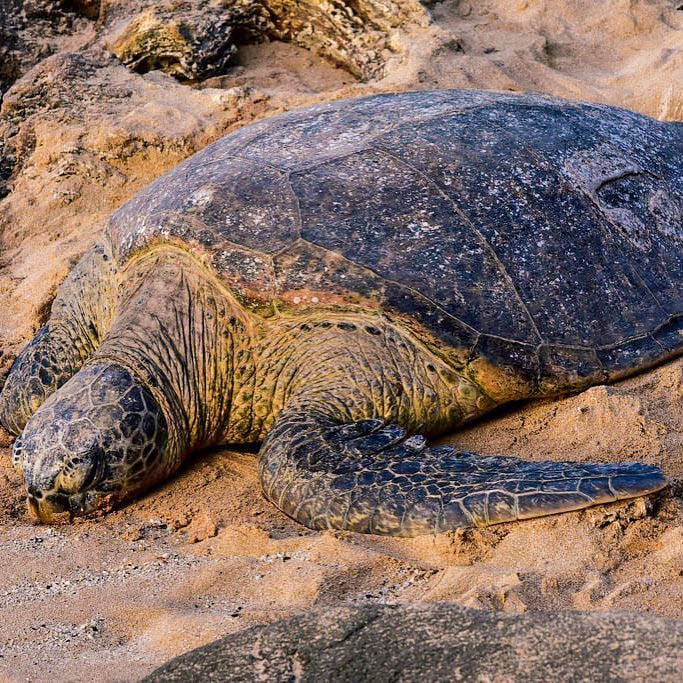
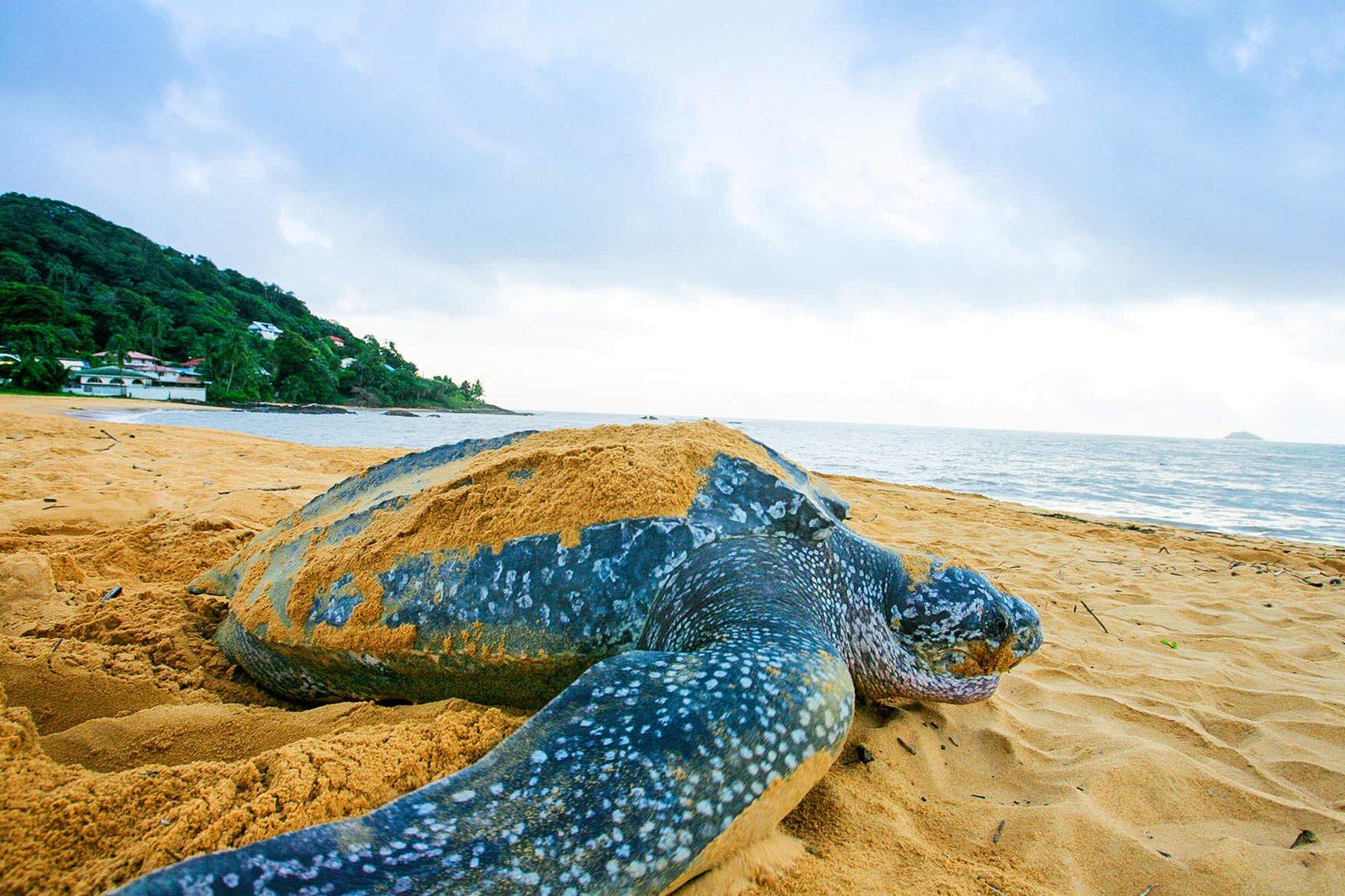
Rekawa supports an unusually diverse range of nesting sea turtles. Five species have been recorded here:
- Green Turtle (Chelonia mydas) — the most commonly sighted species at Rekawa
- Olive Ridley (Lepidochelys olivacea)
- Hawksbill (Eretmochelys imbricata)
- Loggerhead (Caretta caretta)
- Leatherback (Dermochelys coriacea) — the world's largest living turtle and a rare sighting even here
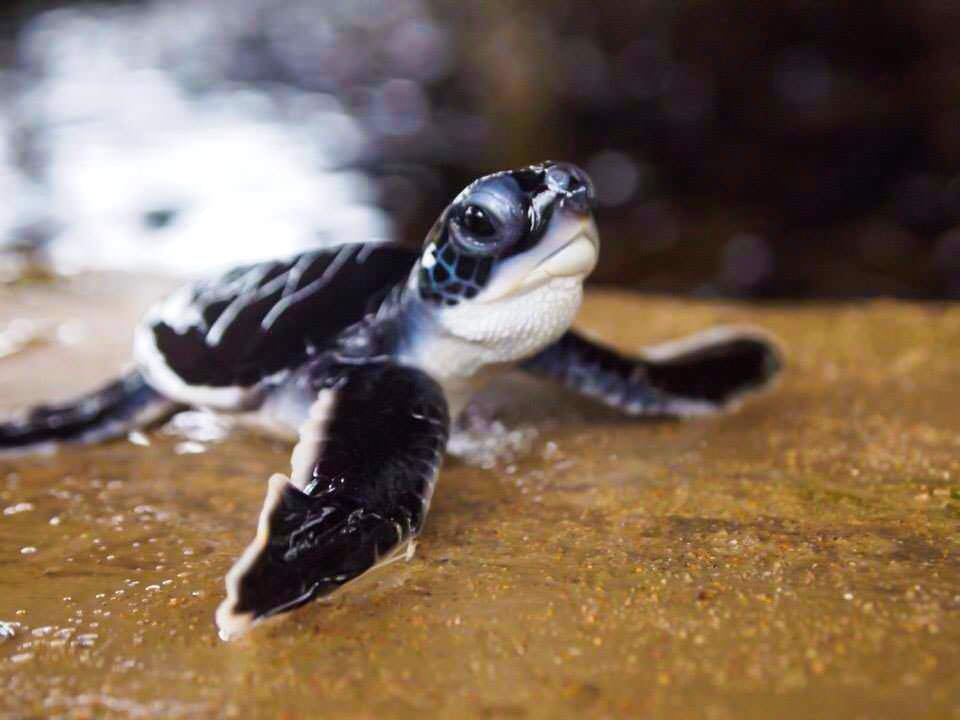
All five species are listed as vulnerable, endangered, or critically endangered on the IUCN Red List, which makes Rekawa's role as a protected nesting ground especially important. Conservation teams patrol the beach nightly, recording nest locations, guarding clutches from egg poachers and natural predators, and tracking hatchling emergence rates to build a long-term population picture.
What happens on a Rekawa turtle night tour?
Tours operate after dark, typically starting in the early evening and running until a nesting turtle has been found and observed. A trained guide leads a small group along the beach, communicating with other patrol members to locate a female that has already begun digging her nest — approaching a turtle while she is still making her way up the beach would cause her to abandon the attempt and return to the sea.
Once a turtle enters what researchers call her "nesting trance" — the focused, repetitive state during which she deposits her eggs — observers can approach quietly and watch at close range. Flash photography is prohibited, and guides enforce strict protocols around torch use, noise, and positioning. Groups are kept small so the beach never feels crowded and each visitor gets an unobstructed view.
After egg-laying, the turtle covers the nest and makes her slow return to the water. The whole process can take anywhere from thirty minutes to over two hours, so patience is part of the experience. Many visitors describe the moment the turtle disappears into the surf as quietly moving — a reminder of the ocean's scale and the animal's ancient rhythms.
When is the best time to visit Rekawa for turtle nesting?
Nesting activity occurs throughout the year at Rekawa, which distinguishes it from many other nesting beaches in the region. The peak season runs broadly from April to September, when the largest number of females come ashore on any given night and the likelihood of a sighting is highest. Outside this window, sightings are less frequent but still possible — tours continue year-round, and even in quieter months the conservation team generally locates at least one nesting turtle on most nights.
The southern coast's dry season (roughly May to October) also coincides with calmer seas and more comfortable beach conditions, making this period the most practical time to combine Rekawa with broader travel along the south. That said, Tangalle is accessible year-round, and the turtle beach itself is sheltered enough that rain rarely disrupts a tour entirely.
How does Rekawa compare to other turtle sites in Sri Lanka?
Sri Lanka has several turtle conservation projects, including the Kosgoda Sea Turtle Conservation Project and the Hikkaduwa Turtle Hatchery on the west coast. These projects focus primarily on collecting eggs, incubating them in protected hatcheries, and releasing hatchlings — a valuable conservation model, but a managed one. Rekawa operates differently: nesting happens in situ on the natural beach, the turtles are wild and unconfined, and visitors are watching a completely unscripted natural event. For travellers who want the most authentic encounter, Rekawa is generally considered the standout choice in Sri Lanka.
How do I get to Rekawa from Tangalle or Colombo?
Rekawa lies around 7 km west of Tangalle town along a coastal road. From Tangalle, a tuk-tuk or car journey takes roughly 15–20 minutes. From Colombo, the drive south via the Southern Expressway takes around three to four hours depending on traffic and your precise destination along the coast. Galle and Mirissa are natural stopping points en route, and many travellers combine Rekawa with a few nights in Tangalle or further south.
Because tours begin after dark, it is strongly advisable to arrange transport in advance rather than relying on finding a vehicle at the beach. Lakpura can include Rekawa as part of a tailored southern coast itinerary and handle all logistics between destinations.
What should visitors know before going?
- No flash photography. White light disorients nesting turtles and can cause them to abandon their nest. Most guides also prohibit standard torch use near the animals — red-filtered lights may be used where strictly necessary.
- Dress practically. The beach can be cool at night, especially outside the warmest months. Insect repellent is advisable.
- A sighting is not guaranteed. Nature does not run to a schedule. On most nights a turtle is found, but occasionally none come ashore. Conservation camp staff will advise honestly if conditions are unlikely to be productive.
- Respect the guides' instructions completely. The protocols exist to protect the turtles, and the camp's operating licence depends on visitors following them.
- Arrive before 9 pm. Turtles most commonly come ashore in the first few hours after darkness, though late arrivals are possible throughout the night.
Is there accommodation near Rekawa beach?
Tangalle offers accommodation ranging from simple guesthouses to boutique properties. Staying locally is the most practical option, since it removes the need to organise long-distance transport after a late-night tour. Several small lodges also operate in the Rekawa lagoon area itself, offering direct access to the beach and a quieter setting than central Tangalle. The Rekawa lagoon — a coastal wetland adjacent to the beach — is also worth exploring during the day for birdwatching and boat excursions, making an overnight or two-night stay in the area easy to fill.
Why does turtle conservation at Rekawa matter?
All five species that nest at Rekawa face serious pressure from habitat loss, bycatch in fishing gear, plastic pollution, and — historically — egg collection. The monitoring work carried out at the camp over decades has generated data that informs national and international conservation policy. Community involvement is central to the model: many of the patrol staff are local fishermen who have shifted from egg collection to conservation, creating a direct economic incentive for the village to protect the turtles rather than exploit them. Visiting responsibly, through an operator committed to low-impact tourism, directly supports this model.
Nearby places
9 places within about 25 km, nearest first.
- Mawella Beach2 km
- Rekawa Lagoon3 km
- Ranna Beach7 km
- Rekawa Town8 km
- Ranna8 km
- Seenimodara beach8 km
- Kalametiya Bird Sanctuary8 km
- Rekawa City8 km
- Goyambokka Beach9 km
Related reading
3 pages on closely related subjects.