Sri Lanka's southwestern and southern coastline is one of the Indian Ocean's most important nesting grounds for sea turtles. Five endangered species come ashore here every year to lay their eggs on the same beaches their ancestors used centuries ago. For travellers, witnessing a nesting female or releasing a hatchling into the surf ranks among the most memorable wildlife encounters the island offers — and, when handled responsibly, the experience actively supports conservation.
Which species of sea turtle nest in Sri Lanka?
All five species that reach Sri Lankan shores are listed as threatened under the IUCN Red List. Each has distinct markings and habits worth knowing before you visit.
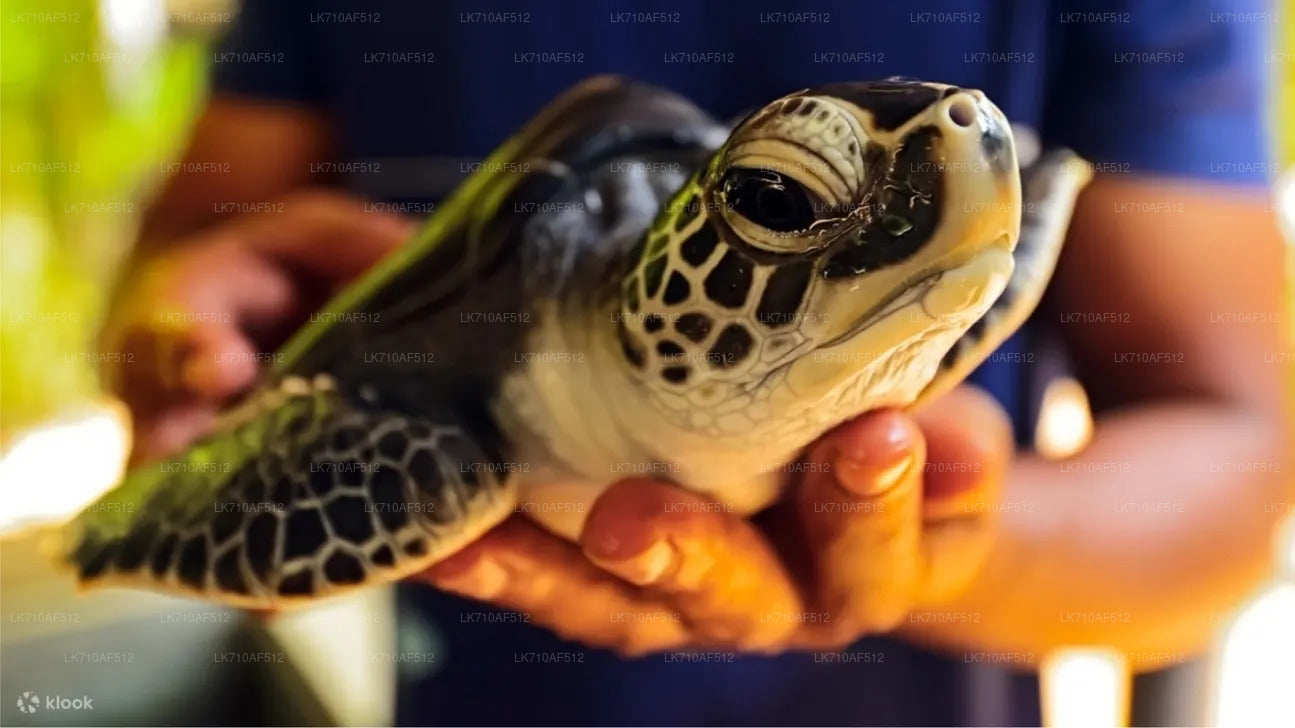
- Green turtle (Chelonia mydas) — the most commonly seen species at hatcheries along the southwest coast.
- Hawksbill turtle (Eretmochelys imbricata) — recognised by its narrow, pointed beak; favours rocky reef areas.
- Olive ridley turtle (Lepidochelys olivacea) — the smallest of the five and the most abundant worldwide, though still vulnerable.
- Loggerhead turtle (Caretta caretta) — a large, powerful swimmer with a notably broad head.
- Leatherback turtle (Dermochelys coriacea) — the largest living reptile and a rare visitor; distinguished by its leathery, ridge-marked shell.
Seeing all five in one country is unusual. Sri Lanka's combination of undisturbed beaches and protective legislation makes it a globally significant site for marine turtle conservation.
Where are the best places to watch sea turtles in Sri Lanka?
Several stretches of coast support active nesting populations, hatcheries, and guided night-watch programmes. The sites below are the most visited and best managed.
Rekawa
Rekawa, roughly 15 km east of Tangalle on the south coast, offers one of the purest turtle-watching experiences in Asia. The beach is managed by the conservation NGO SLCCS in partnership with local communities, and guides use red-filtered torches to observe nesting females without disturbing them. All five species have been recorded at Rekawa, though green turtles nest most frequently. Visits are conducted at night, typically between 20:00 and 02:00, timed around natural nesting activity.
Kosgoda
About 90 km south of Colombo on the west coast, Kosgoda hosts one of Sri Lanka's longest-running turtle conservation programmes. The Kosgoda Sea Turtle Conservation Project protects eggs collected from the beach, incubates them in sand hatcheries, and releases hatchlings to the sea. All five species have nested here, making Kosgoda a rare site of such biodiversity on a single beach. Visitors can observe the hatchery tanks, learn about each species, and — at the right time of day — take part in a supervised hatchling release.
Hikkaduwa
The Hikkaduwa Turtle Hatchery operates alongside the town's famous reef and is one of the most accessible turtle sites for travellers already based on the southwest coast. Green and hawksbill turtles are the most frequently seen species here. The hatchery is small and community-run, giving it a more personal character than larger operations.
Koggala
The Koggala Sea Turtle Conservation Project, near Galle, combines hatchery visits with the scenic backdrop of Koggala Lake and its surrounding wetlands — making it a natural pairing with a Galle City Tour.
Induruwa and Bentota
The stretch between Induruwa and Bentota on the west coast has several small, privately operated hatcheries. They are conveniently located for travellers staying in the Bentota resort corridor and offer both daytime hatchery visits and evening hatchling releases.
When is the best time to see turtles in Sri Lanka?
Turtle nesting in Sri Lanka is a year-round phenomenon, which is one reason the island attracts so many conservation researchers. That said, nesting activity peaks between November and April on the southwest and south coasts, broadly coinciding with the dry season on that side of the island. Hatcheries are accessible any time of year, as eggs are incubated in batches and hatchlings emerge on a rolling basis. Rekawa night watches are available year-round, though sightings on any given night are never guaranteed — turtles nest on their own schedule.
| Site | Primary experience | Peak nesting months |
|---|---|---|
| Rekawa | Guided night watch of nesting females | December – March |
| Kosgoda | Hatchery tour and hatchling release | November – April |
| Hikkaduwa | Hatchery tour and snorkelling nearby | November – April |
| Induruwa / Bentota | Hatchery visit and evening release | November – March |
What does a hatchling release involve?
A supervised hatchling release is usually conducted in the early morning or late evening, when the sand and water are cooler and predatory birds are less active. Hatchlings are placed at the waterline and allowed to orient themselves using the natural gradient of the beach — the same instinct that will guide them back to this shore decades later to nest.
The first few waves sometimes wash the tiny turtles back onto the sand before they find their rhythm. Within minutes, most make it past the break and disappear into the ocean. Conservation programmes ask participants not to handle hatchlings unnecessarily and to avoid flash photography, which can disorient them. Following these guidelines keeps the experience both ethical and effective.
How do Sri Lanka's turtle hatcheries support conservation?
Eggs laid on busy or eroding sections of beach are vulnerable to theft, predation, and trampling. Hatcheries relocate freshly laid clutches to secure, shaded sand pits where incubation conditions can be monitored. Hatch rates in well-managed hatcheries are typically higher than on exposed beach sections. Entry fees and donation revenue fund patrollers who walk the beach at night and work with local fishing communities to reduce accidental bycatch — one of the leading causes of adult turtle mortality in Sri Lankan waters.
When choosing a hatchery to visit, look for operations that keep turtles in clean, appropriately sized tanks only until release, rather than holding adults permanently for display. The Kosgoda and Rekawa projects are widely cited as strong conservation models.
Can I snorkel or dive with sea turtles in Sri Lanka?
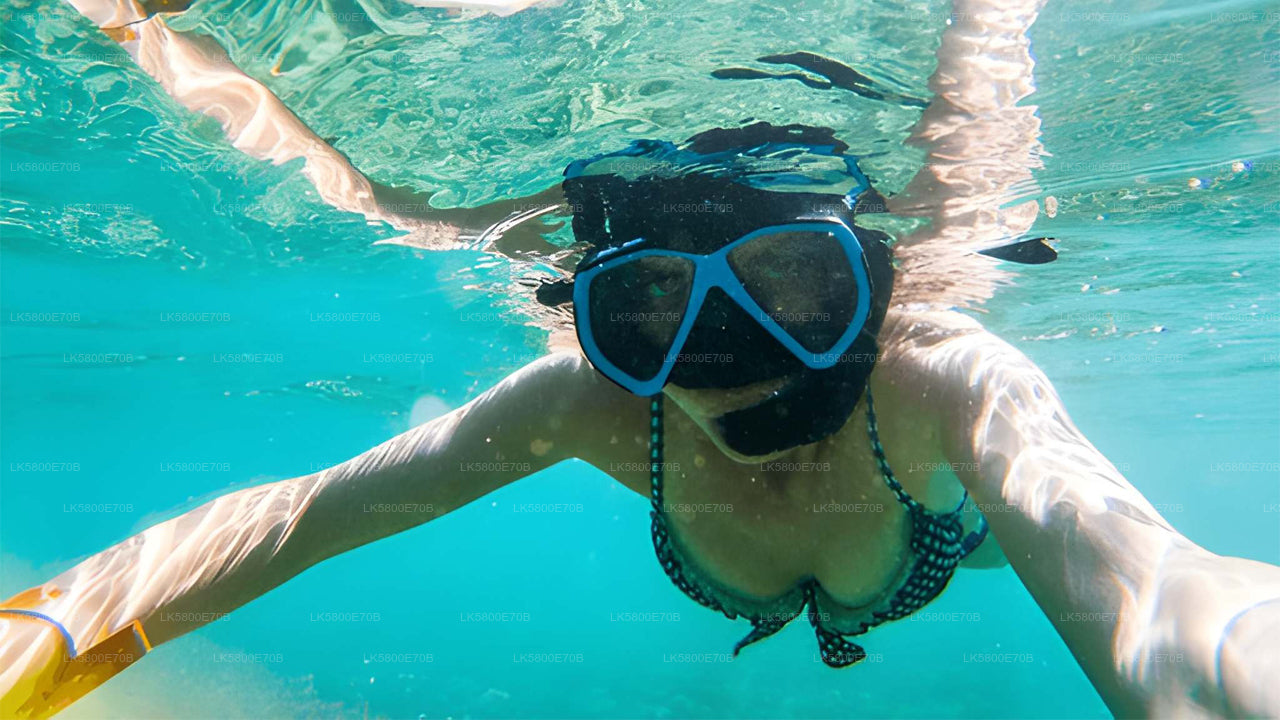
Yes — several coastal reefs provide reliable in-water encounters with green and hawksbill turtles. Pigeon Island National Park off Nilaveli on the northeast coast is one of the most celebrated spots, where turtles rest on coral formations and are accustomed to calm, respectful snorkellers. Unawatuna Bay near Galle, Hikkaduwa reef, and the waters around Mirissa and Bentota also offer frequent sightings. Snorkelling encounters are best between December and April on the west and south coasts, and between May and September on the east coast.
How do I get to Rekawa from Colombo?
Rekawa is approximately 190 km from Colombo. By road, the journey takes around three and a half to four hours via the Southern Expressway (E01) to Matara, then continuing east along the A2 coastal road toward Tangalle. Travelling by private transfer is the most practical option for a night watch, as the return journey will be late and local transport is limited after dark. The nearest significant town is Tangalle, where most travellers choose to stay overnight.
Nearby places
9 places within about 25 km, nearest first.
Related reading
10 pages on closely related subjects.