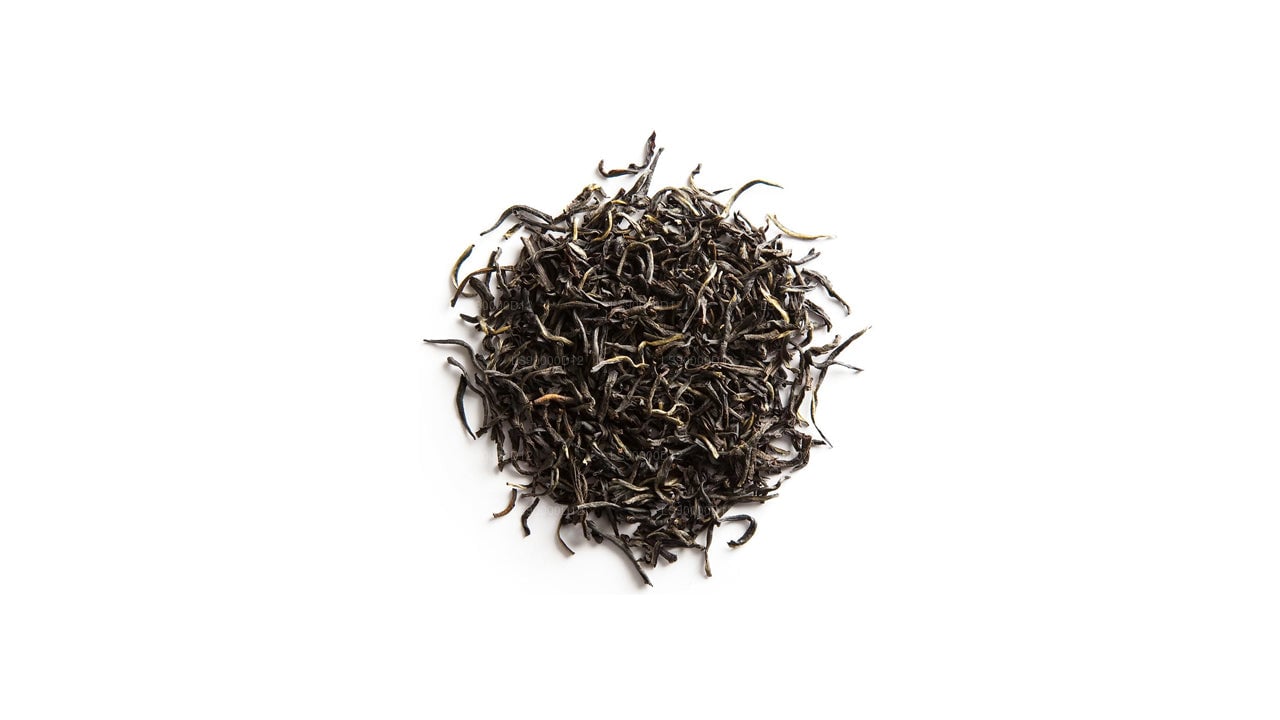
Tucked into the rolling green hills of Thalahagama, about 5.7 kilometres from Akuressa town in Sri Lanka's Southern Province, Gunawardana Tea Estate is one of the country's more quietly accomplished small-scale tea operations. Founded on 24 December 1991 by J.J. Gunawardana, the factory sits within a 10-acre plantation and has spent more than three decades refining a production philosophy built around chemical-free cultivation and consistent quality control.
What makes Gunawardana Tea Estate worth visiting?
Unlike the large highland estates near Ella or Nuwara Eliya, Gunawardana is a working low-country factory that keeps its operation deliberately small. That scale means visitors get close access to the entire production chain — from the hand-plucked leaf arriving at the sorting shed to the sealed export package — without the crowds common at better-known destinations. The estate's organic approach, which avoids synthetic fertilisers and pesticides, is reflected in the clean, rounded character of its teas.
The factory holds ISO 22000:2018 certification for food safety management and has earned a Two-Star rating under the Ceylon Tea Quality Certificate Quality Management System. In 2017 it placed second in the Best Tea Factory category at national level — a meaningful result for an independent producer competing against estates many times its size.
Which tea grades does Gunawardana produce?
The factory concentrates on premium orthodox black teas. Its principal grades are:
- PEKOE — whole-leaf, with a mild, rounded liquor suited to afternoon drinking
- OP1 (Orange Pekoe 1) — long, wiry leaves producing a bright, medium-bodied cup
- FBOPF1 (Flowery Broken Orange Pekoe Fannings 1) — a fine, tippy grade that brews quickly with notable brightness
All grades are manufactured using the orthodox roll-and-fire method, which preserves the individual character of the leaf rather than homogenising it through CTC (cut-tear-curl) processing. If you want to understand the full story of Ceylon Tea — its grading language, its flavour geography, and its journey from leaf to cup — a morning here offers more practical insight than most textbooks.
How are tours at the factory structured?
Guided tours typically follow the production sequence from intake to dispatch. You will see leaf withering on long wire trays, the rolling machines that break down cell structure to trigger oxidation, the firing ovens that arrest fermentation and lock in flavour, and the grading sieves that separate the finished tea by particle size. Staff walk visitors through each stage and explain the quality checkpoints applied at every step.
After the factory walk, a tasting session lets you sample the estate's main grades side by side. Bringing different brews into direct comparison — noticing how PEKOE pours a paler amber against the deeper copper of FBOPF1 — is the clearest way to understand why grade matters beyond marketing language.
Where does Gunawardana Tea export its products?
For a factory of its size, the export reach is notably broad. Gunawardana Tea ships to the United Arab Emirates, Turkey, Iran, Russia, Japan, China, Slovakia, and the United Kingdom. That spread reflects both the universal appetite for quality orthodox black tea and the estate's decision to build direct trading relationships rather than selling exclusively through the Colombo auction.
How do I get to Gunawardana Tea Estate from Colombo or Galle?
Akuressa lies roughly 160 kilometres south of Colombo via the Southern Expressway and onward regional roads, making it a comfortable three-to-four-hour drive depending on traffic. From Galle the journey is around 50 kilometres and typically takes just over an hour. The estate is a natural addition to a Southern Province itinerary that already includes Sinharaja Forest Reserve, which sits in the hills a short drive to the north-east. A private car or tuk-tuk from Akuressa town will cover the final 5.7 kilometres to Thalahagama.
What is the best time of year to visit?
The Southern Province experiences its main dry period between December and April, when roads are clear and the plantation is at its most photogenic. Tea plucking, however, continues year-round, so the factory is active in any season. During the south-west monsoon (roughly May to September) rainfall is heavier, but tour operations are not suspended — the factory works through wet weather, and the misted hillsides have their own appeal. If you are combining the estate visit with Madu River Safari or other coastal Southern Province activities, the December-to-April window aligns best across all destinations.
Can I buy Gunawardana teas to take home?
The estate sells its teas directly on-site, and staff can advise on which grades travel best and how to store loose-leaf tea for long journeys. If you want to explore the wider range of Sri Lankan single-estate black teas before or after your visit, Lakpura stocks a curated selection from estates across the island's main growing regions — low-country, mid-country, and high-grown.
Nearby places
8 places within about 25 km, nearest first.
- Akuressa2 km
- Nandana Tea Factory2 km
- Turtle Watching7 km
- Wakirigala Raja maha Viharaya7 km
- Bambaranda Railway Station7 km
- Ruhuna Tea11 km
- Dampahala Tea Estate12 km
- Hakmana City15 km
Related reading
9 pages on closely related subjects.