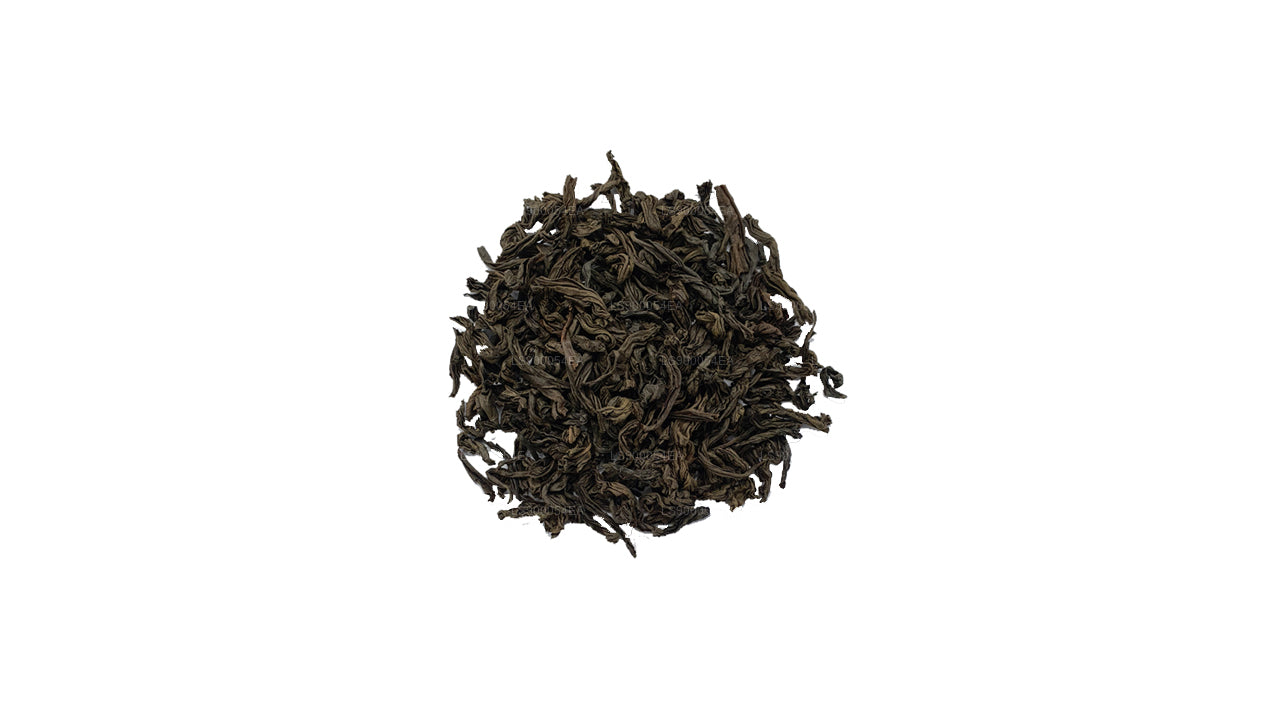
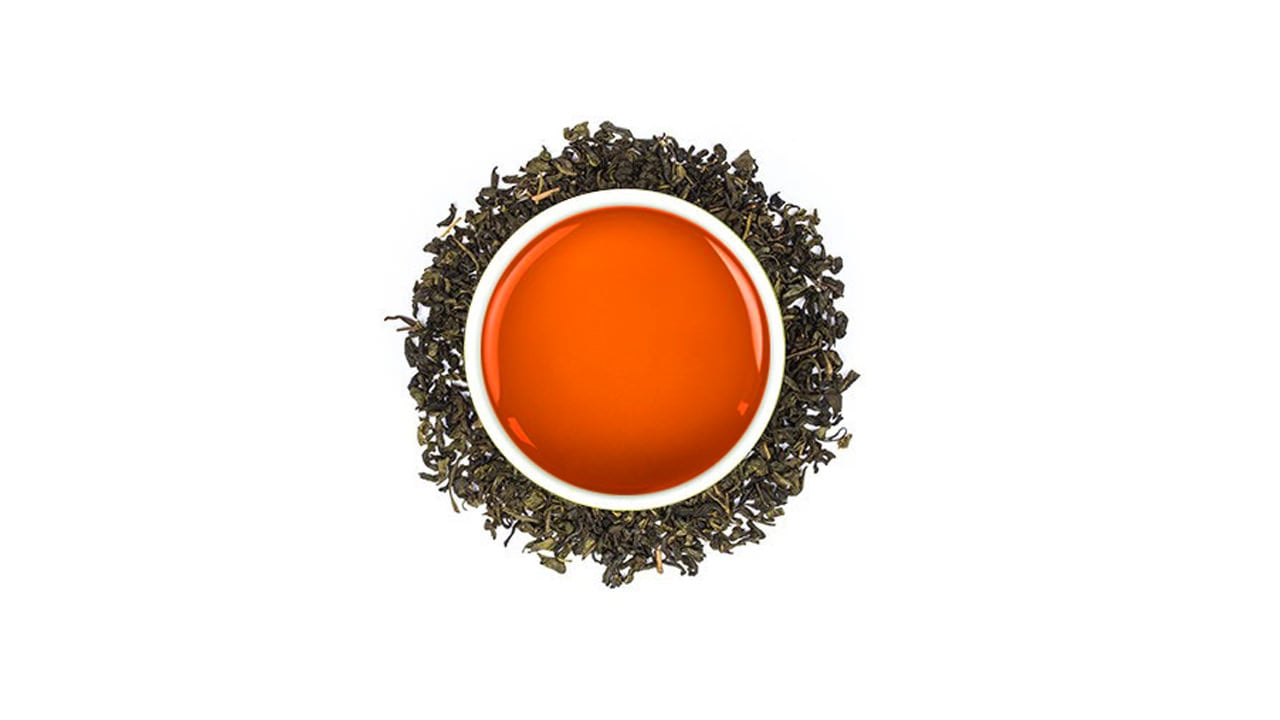

Ruhuna tea occupies a distinct corner of the Ceylon tea story. Grown across the deep south and the foothills of the central massif — in districts such as Ratnapura, Balangoda, Deniyaya, Matara and Galle — it is classified as a low-grown tea, produced at altitudes between sea level and around 2,000 feet. That elevation range, combined with the region's particular soils and climate, gives Ruhuna its signature character: a full-bodied, intensely coloured liquor that stands apart from the more delicate teas produced at higher elevations.
What makes Ruhuna tea different from other Ceylon teas?
Ceylon tea is broadly divided into three elevation bands — high-grown, mid-grown and low-grown — and each produces a markedly different cup. Ruhuna sits firmly in the low-grown category, alongside teas from Sabaragamuwa and the Western Province. At lower altitudes the tea bush grows more rapidly than it does on the cool, misty slopes above Nuwara Eliya or Ella. That faster growth produces a larger, more robust leaf that, once withered and rolled, turns an intense black — a colour prized by blenders worldwide.
The resulting brew tends toward strong, malty and full-bodied, with a deep amber-to-red liquor. It holds up well to milk, which is why a significant portion of Ruhuna output has historically fed into breakfast-blend teas sold across the Middle East and Europe. At the same time, careful single-estate processing brings out earthier, spiced undertones that reflect the region's broader agricultural heritage — an area long associated with the cultivation of spices such as Ceylon black pepper and cloves before tea arrived.
When did tea cultivation begin in the Ruhuna region?
Ruhuna was a relative latecomer to Ceylon's tea industry. While planters were already cultivating the central highlands by the 1880s, the first Ruhuna estates opened around 1900, positioned conveniently between the coastal cities of Galle and Matara and the foothills of the central mountain massif. Prior to tea, the zone was primarily given over to spice cultivation and subsistence farming, supported by a network of small rivers that provided moderate and fairly reliable irrigation throughout the year.
The region's delayed entry into the industry turned out to be an advantage in some respects: estates were laid out with the benefit of lessons already learned in the highlands, and infrastructure linking them to the port at Galle was well established from the spice trade.
How does the climate shape Ruhuna tea?
Although the Ruhuna growing areas lie relatively close to Sri Lanka's southwestern coast, they sit in a sheltered position that moderates the impact of the southwest monsoon. The main tea-growing belt receives less rainfall during the inter-monsoon period than the wet-zone forests further inland — the Sinharaja Forest Reserve lies within the same broad region — while still benefiting from the moisture brought by smaller river systems draining the foothills.
This balance of warmth, moderate humidity and well-drained loamy soils encourages a steady flush cycle. The tea bush never endures the sharp temperature drops that slow growth in the highlands, meaning estates can harvest throughout most of the year. The warmth also accelerates the oxidation of leaf polyphenols during processing, intensifying both the colour of the dry leaf and the strength of the brewed cup.
What grades and styles of tea are produced in Ruhuna?
Ruhuna factories produce a wide range of leaf styles, from whole-leaf grades through to finely cut CTC (cut-tear-curl) material used in tea bags. The most common grades include:
- OP / OP1 (Orange Pekoe) — long, wiry whole-leaf grades that brew to a clean, full-flavoured cup.
- OPA (Orange Pekoe A) — a slightly bolder, well-twisted leaf popular with connoisseurs seeking a heavier brew.
- BOP / BOP1 (Broken Orange Pekoe) — broken-leaf grades that infuse quickly and strongly; the backbone of many commercial blends.
- FBOP (Flowery Broken Orange Pekoe) — a broken grade enriched with golden tips, offering both strength and aroma.
- FF EX SP / Tips — the most prized grades, hand-sorted to include a high proportion of tender tips that contribute sweetness and complexity.
- Fannings and CTC — fine-cut material suited to tea bags; brews immediately and intensely.
Ruhuna is also one of the few low-grown regions to produce Silver Needle white tea, made from carefully plucked unopened buds. The warm, humid conditions give these Ruhuna white teas a slightly fuller body than the delicate white teas of cooler growing zones, while retaining the characteristic sweetness of the style.
What does Ruhuna tea taste like?
Expect a cup that is assertive without being astringent. The liquor is typically deep amber-red, and the flavour profile leans toward malt, warm spice and a subtle earthiness — echoing the red-loam soils in which the bushes grow. Whole-leaf Ruhuna grades, brewed without milk, reveal a pleasing complexity that rewards a longer, lower-temperature steep. BOP and CTC grades are best suited to shorter infusions and pair naturally with milk and sugar in the manner of a classic Sri Lankan morning cup.
Single-estate Ruhuna teas, particularly those from estates in the Ratnapura and Deniyaya sub-districts, can show notable character variation — some offering a faint woody note, others a brighter, more aromatic finish. If you enjoy exploring regional distinctions in Ceylon tea, tasting a Ruhuna estate tea alongside a high-grown equivalent from, say, the Uva or Nuwara Eliya regions is one of the most instructive comparisons you can make.
How can I buy authentic Ruhuna tea?
When purchasing Ruhuna tea, look for clear single-region or single-estate labelling, which confirms the leaf was grown and processed within the defined Ruhuna growing area rather than blended with tea from other Sri Lankan regions. The grade designation (OP1, OPA, BOP, etc.) on the packet indicates the leaf style and gives a reliable guide to expected brew strength and character. Teas sold through the Colombo Tea Auction system carry origin verification as part of the auction process, which provides an additional assurance of authenticity.
For those visiting the southern Sri Lanka coast — perhaps combining time in Galle with a journey inland — local boutique tea shops and estate retail outlets in the Deniyaya and Ratnapura areas stock freshly harvested Ruhuna teas that rarely reach export markets. These represent some of the best-value, highest-quality purchases a tea-interested traveller can make in the country.
Is Ruhuna tea good for you?
Like all true Ceylon teas, Ruhuna black tea contains naturally occurring antioxidants — primarily theaflavins and thearubigins in the black-tea grades, and catechins in the unoxidised white-tea grades. These compounds have been the subject of ongoing nutritional research, though health claims for specific tea varieties remain an area where evidence continues to develop. As a low-calorie, naturally caffeine-containing beverage, it fits comfortably into a balanced diet for most adults. The caffeine content of a cup of Ruhuna black tea is broadly comparable to other strong black teas.
Nearby places
8 places within about 25 km, nearest first.
- Dampahala Tea Estate4 km
- Wakirigala Raja maha Viharaya6 km
- Nandana Tea Factory11 km
- Gunawardana Tea Estate11 km
- Akuressa12 km
- New Deniyaya Estate13 km
- Deniyaya City15 km
- Handapan Ella Falls15 km