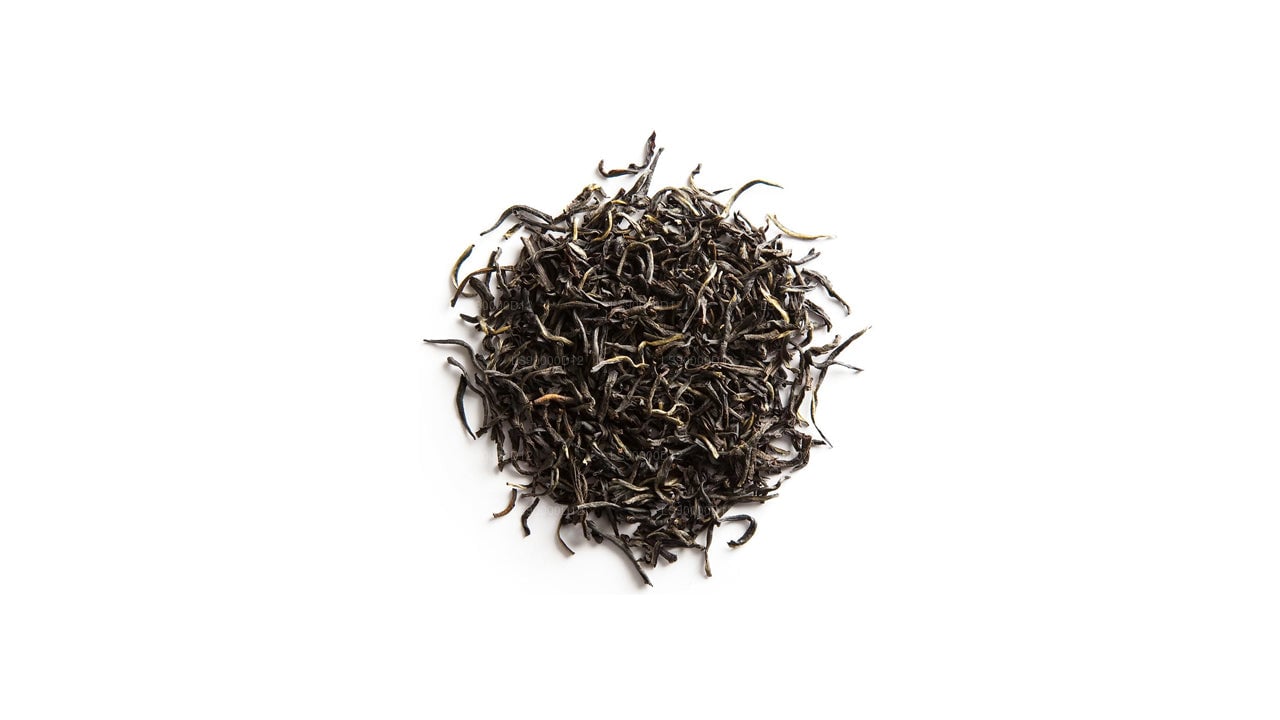
Tucked into the rolling hills near Urubokka in Sri Lanka's Southern Province, Dampahala Tea Estate represents the quieter, less-celebrated side of Ceylon tea — low-grown, consistent, and genuinely respected within the trade. While the island's high-grown estates around Nuwara Eliya tend to attract the spotlight, the low-grown belt of the south has its own character: fuller-bodied liquors, a deeper amber cup, and a production rhythm shaped by a warm, humid climate rather than cool mist.
Where is Dampahala Tea Estate located?
The estate and its associated factory sit in the Dampahala area, close to the town of Urubokka in Matara District, Southern Province. The terrain here is characteristically lush — dense canopy, banana groves, and the kind of persistent greenery that comes from reliable rainfall rather than altitude. The corporate management of the Dampahala Tea Company (Pvt) Ltd. is based at Pita Kotte, near Colombo, which is typical for mid-size Sri Lankan tea companies that separate estate operations from sales and distribution functions.
The southern lowlands are not traditional tourist territory for tea tourism, which is part of their appeal for travellers who want to see working agricultural Sri Lanka without the crowds that gather around Ella or the Hill Country rail line.
What type of tea does Dampahala produce?
Dampahala is primarily an orthodox black tea producer, operating within Sri Lanka's low-grown elevation category — generally defined as below 600 metres above sea level. Low-grown teas from this region tend to produce strong, full-bodied brews that hold up well to milk and are widely used in blending as well as sold as single-estate teas.
The factory produces FBOP (Flowery Broken Orange Pekoe) grade tea, a broken-leaf grade that delivers good colour and strength in the cup. Lakpura sources directly from Dampahala and offers this tea in its single-estate range, allowing buyers to taste exactly what this one estate produces rather than a blended product. For context on how Ceylon teas are graded and categorised, the Ceylon Tea overview covers the full classification system.
How does Dampahala perform at the Colombo Tea Auctions?
The Colombo Tea Auctions are the primary price-discovery mechanism for Sri Lankan tea, and auction performance is widely used within the industry as a proxy for quality. Dampahala Tea Factory has built a track record of achieving favourable prices at these auctions — a reflection of consistent manufacturing standards and reliable leaf quality rather than one-off lots.
Unlike the record-breaking auction moments that occasionally make headlines (such as premium high-grown estates achieving exceptional prices), Dampahala's reputation is built on dependability: buyers return because they know what to expect in terms of grade, moisture, and cup character. That consistency is commercially valuable and speaks to disciplined factory management.
What makes low-grown Southern Province tea distinctive?
Elevation is one of the defining variables in Ceylon tea flavour. High-grown teas (above roughly 1,200 metres) benefit from cool nights and slower cell growth, producing the delicate, nuanced character associated with Dimbula and Uva. Low-grown teas develop differently: warmer temperatures accelerate the oxidation process, and the resulting liquors are typically bolder, darker in colour, and less astringent than their high-grown counterparts.
- Body: fuller and more rounded than high-grown equivalents
- Colour: deep amber to dark copper in the cup
- Strength: well-suited to milk tea and spiced tea preparations
- Blending value: highly regarded as a base component in commercial blends
The Southern Province's low-grown region also encompasses estates nearer to Sinharaja — the UNESCO-listed rainforest reserve — meaning that some tea land here abuts genuinely wild forest. The proximity of the Sinharaja Forest Reserve adds ecological context to the landscape that surrounds estates like Dampahala.
Can visitors tour the Dampahala Tea Factory?
Dampahala is an operational industrial factory rather than a purpose-built visitor attraction, so organised public tours are not a standard offering in the way they are at some of the larger Hill Country estates. Travellers who are serious about seeing a working low-grown factory in this part of the island should arrange visits through a local destination management company, as access typically depends on prior coordination with factory management.
For those building a southern Sri Lanka itinerary, Dampahala can be paired naturally with other attractions in Matara District and the broader south — the wildlife of Udawalawe National Park is within reasonable driving distance, as is the wetland experience of the Madu River estuary. The south is genuinely diverse in what it offers beyond beaches.
How does single-estate Dampahala tea differ from supermarket Ceylon tea?
Most tea sold in supermarkets — even when labelled Ceylon — is a blend drawn from multiple estates, sometimes across different elevation regions, and blended to hit a consistent flavour profile and price point. Single-estate tea, by contrast, is the unblended output of one factory from one growing area, which means the cup reflects the specific soil, climate, and manufacturing approach of that estate in a given season.
Dampahala FBOP grade tea sourced through Lakpura's single-estate range offers exactly this traceability. The FBOP grade retains some tippy leaf material alongside the broken grades, which can contribute brightness to the liquor that pure broken grades sometimes lack. If you are interested in exploring how this compares to other southern-region estates, Bluefield Tea Gardens in the mid-country offers a useful point of comparison from a different elevation band.
What is the best way to brew Dampahala FBOP tea?
FBOP grade teas brew quickly because the broken leaf offers a high surface area for extraction. A water temperature of around 90–95°C and a steep time of 2.5 to 3 minutes is typically sufficient for a well-balanced cup. Longer steeping will extract more tannins and push the flavour toward bitterness rather than strength.
Dampahala's low-grown character makes it a natural fit for traditional Sri Lankan milk tea preparation — brewed strong, then combined with fresh buffalo milk or condensed milk and sugar. It also works well in spiced tea blends given its robust body. Served black with a slice of lemon, the fuller body tends to mellow pleasantly.
Nearby places
9 places within about 25 km, nearest first.
- Ruhuna Tea4 km
- Wakirigala Raja maha Viharaya5 km
- Gunawardana Tea Estate12 km
- Hakmana City12 km
- Nandana Tea Factory12 km
- Akuressa13 km
- New Deniyaya Estate16 km
- Waulpane Cave16 km
- Naigala Raja Maha Viharaya17 km
Related reading
7 pages on closely related subjects.