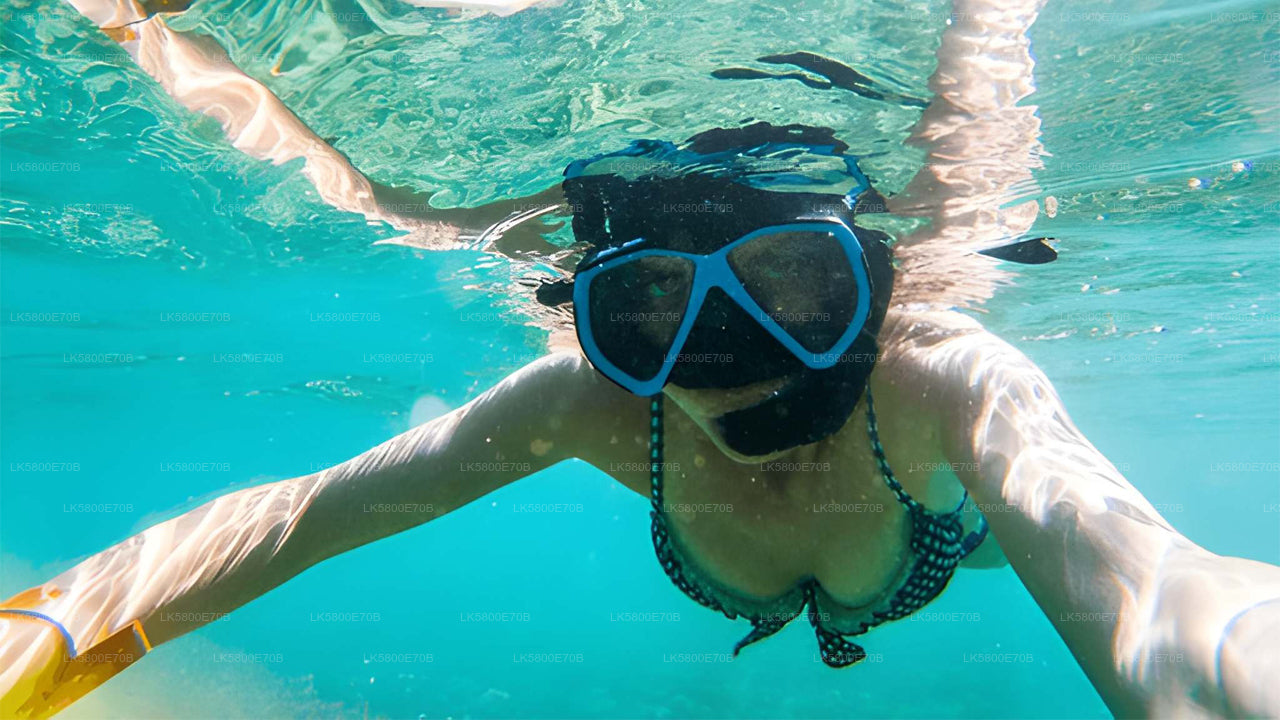
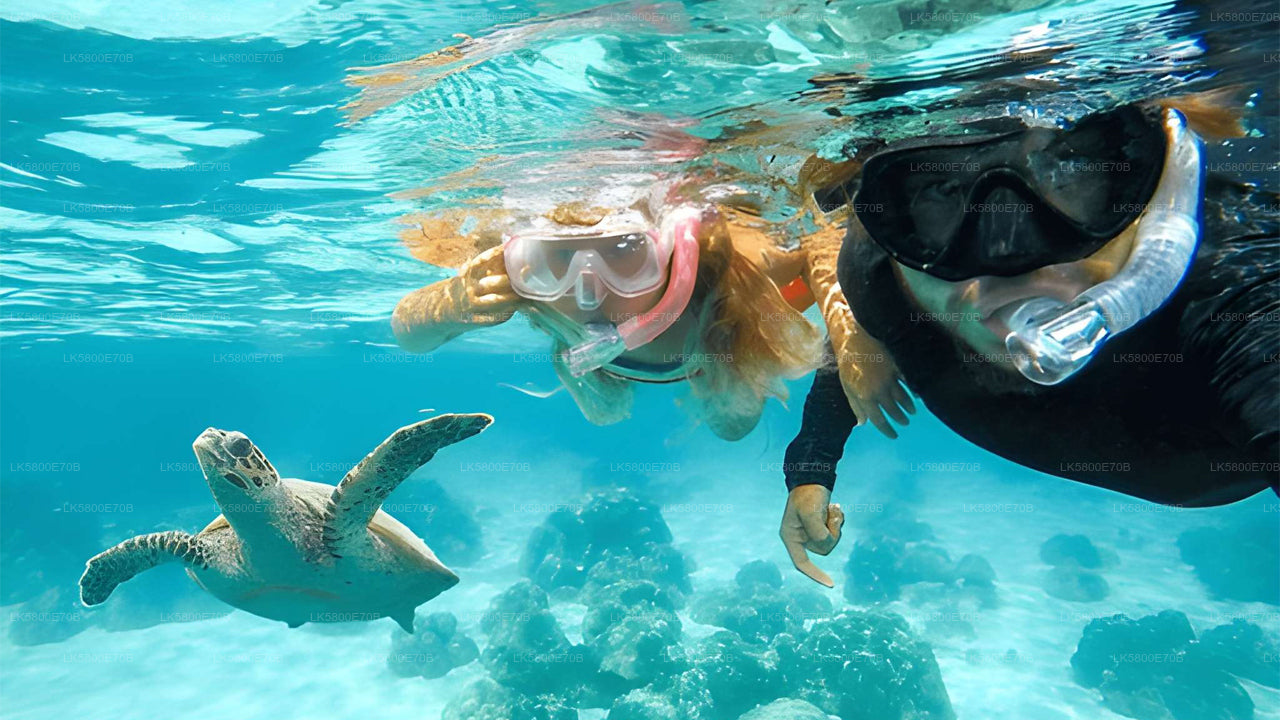
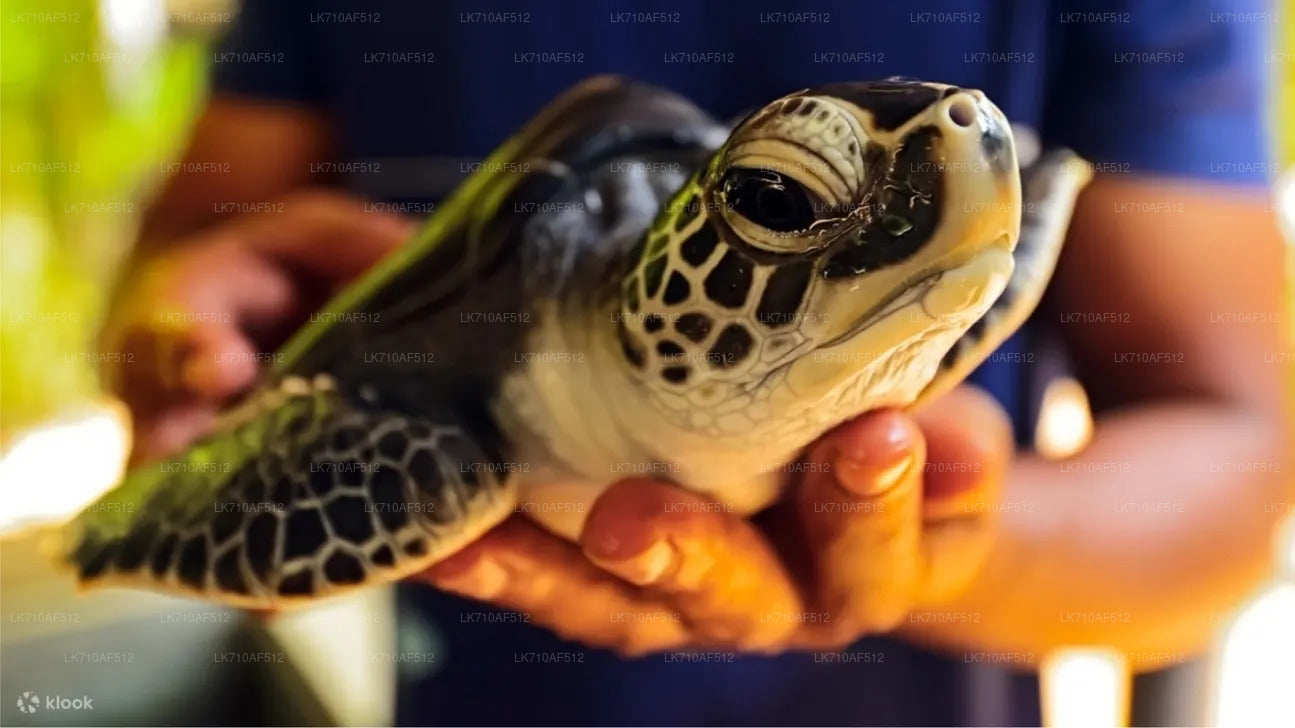
A short drive from the Galle city centre, the Mahamodara Sea Turtle Hatchery sits quietly on the southern coast where the Indian Ocean regularly delivers more than just waves. Eggs from all five sea turtle species found in Sri Lankan waters are collected here, incubated under careful supervision, and released as hatchlings once they are strong enough to survive. It is a small operation run largely by volunteers, yet the conservation impact is genuinely significant.
Which sea turtle species can you see at Mahamodara?
Sri Lanka's waters are home to five sea turtle species recognised by the IUCN: the Green Turtle (Chelonia mydas), Olive Ridley (Lepidochelys olivacea), Loggerhead (Caretta caretta), Leatherback (Dermochelys coriacea), and Hawksbill (Eretmochelys imbricata). All five are listed as either vulnerable, endangered, or critically endangered. At any given time, Mahamodara typically holds turtles at various stages — newly hatched, juvenile, and occasionally injured adults undergoing rehabilitation before release.
Hawksbill and Green turtles are the species most commonly encountered during a visit, as these nest most frequently along the southwestern coastline. Staff can usually tell you which species are currently on-site before you enter the hatchery area.
What happens during a visit to the hatchery?
Visitors are welcomed with a short briefing that covers the life cycle of sea turtles, the threats they face, and how the hatchery addresses those threats. A guided walk through the facility follows, where you will see incubation beds, holding tanks at different depths, and rehabilitation areas. Most staff communicate comfortably in English and are candid about the challenges the project faces — from predation and poaching to coastal erosion and marine plastic pollution.
Guests are generally permitted to handle the hatchlings gently, though this practice varies depending on the readiness of a particular batch for release. Touching adult or juvenile turtles is allowed in most tanks, but visitors are asked to use one hand only and to avoid the face and flippers. If a turtle appears distressed, the appropriate response is simply to step back.
How does the hatchery protect turtle eggs?
Female sea turtles nest at night, typically returning to the same beach where they hatched. Once a clutch is laid, hatchery staff or affiliated volunteers collect the eggs and transfer them to protected incubation beds within the facility. This step alone dramatically improves hatching rates, as beachside eggs are highly vulnerable to dogs, monitor lizards, human disturbance, and tidal flooding.
After incubation — a period that varies by species and ambient temperature, typically ranging from 45 to 70 days — the hatchlings are held briefly in shallow seawater tanks to build strength before being released close to the shoreline, usually at dusk or dawn when predatory seabirds are least active.
- Eggs collected from the beach and transferred to protected beds
- Incubation monitored to optimise temperature and humidity
- Hatchlings held in graduated tanks until ready for ocean release
- Injured adults treated and released once rehabilitated
How does Mahamodara compare to other turtle hatcheries on the south coast?
The southwestern and southern coasts of Sri Lanka have several turtle conservation centres, each with a slightly different focus. The Kosgoda Sea Turtle Conservation Project is one of the oldest on the island, operating since the 1980s, while the Hikkaduwa Turtle Hatchery is embedded within a popular reef-snorkelling corridor. Mahamodara's proximity to Galle makes it a convenient stop for travellers already visiting the fort city, without requiring a separate coastal detour.
| Hatchery | Distance from Galle | Primary focus |
|---|---|---|
| Mahamodara | Around 3 km | Egg incubation and hatchling release |
| Kosgoda | Around 40 km north | Incubation, adult rehabilitation |
| Hikkaduwa | Around 18 km north | Incubation, reef encounter tourism |
| Koggala | Around 10 km east | Community-led conservation |
When is the best time to visit Mahamodara?
The hatchery operates year-round, and hatchlings are typically present throughout the year because nesting is staggered across species and individuals. That said, the peak nesting season for most species on the southern coast runs roughly from October through April, when the southwest monsoon has eased and sea conditions are calmer. Visiting between November and March also aligns with optimal weather for exploring the broader Galle region.
Early morning visits tend to be quieter and cooler, and if hatchling releases are scheduled, these usually happen close to dawn or dusk — it is worth asking staff on arrival whether a release is planned during your visit window.
How do I get to Mahamodara from Galle?
Mahamodara is a coastal neighbourhood a few kilometres from Galle Fort. The most straightforward option is a short tuk-tuk ride from the fort area, which typically takes under ten minutes. If you are combining the hatchery with a Galle city tour, the logical sequence is to visit the hatchery in the morning and the fort complex thereafter, as both attractions sit on the same coastal stretch.
Taxis and private drivers can also be arranged for the day, which is practical if you plan to continue along the coast toward Unawatuna, Koggala, or Kosgoda afterward.
How can visitors support turtle conservation at Mahamodara?
The hatchery depends on a combination of admission contributions and private donations to cover operating costs. If you find the visit worthwhile, a voluntary donation at the end of your tour goes directly toward staff wages, egg collection, and tank maintenance. The facility also welcomes short- and long-term volunteers who can assist with evening egg patrols, tank cleaning, and hatchling monitoring.
A few simple courtesies help protect the animals during your visit:
- Do not bring single-use plastic into the hatchery grounds
- Handle hatchlings and juveniles gently — support the shell from below
- Avoid flash photography, which can disorient hatchlings
- Follow staff guidance on which animals may be touched on a given day
Beyond the hatchery itself, choosing reef-safe sunscreen before any coastal activity reduces chemical runoff into the waters where released turtles will spend their lives. This small step is one of the most practical things a visitor can do.
Nearby places
14 places within about 25 km, nearest first.
- Habaraduwa Railway Station1 km
- Sun Bastion1 km
- Middle Rampart1 km
- Barbarin Lighthouse1 km
- Galle Clock Tower1 km
- Galle Fort Entrance1 km
- Galle Port1 km
- Shipwreck Diving1 km
- Talpe City2 km
- Rumasalla Mountain2 km
- Unawatuna Railway Station3 km
- Unawatuna City3 km
- Unawatuna Beach3 km
- Japanese Peace Pagoda Rumassala4 km
Related reading
5 pages on closely related subjects.