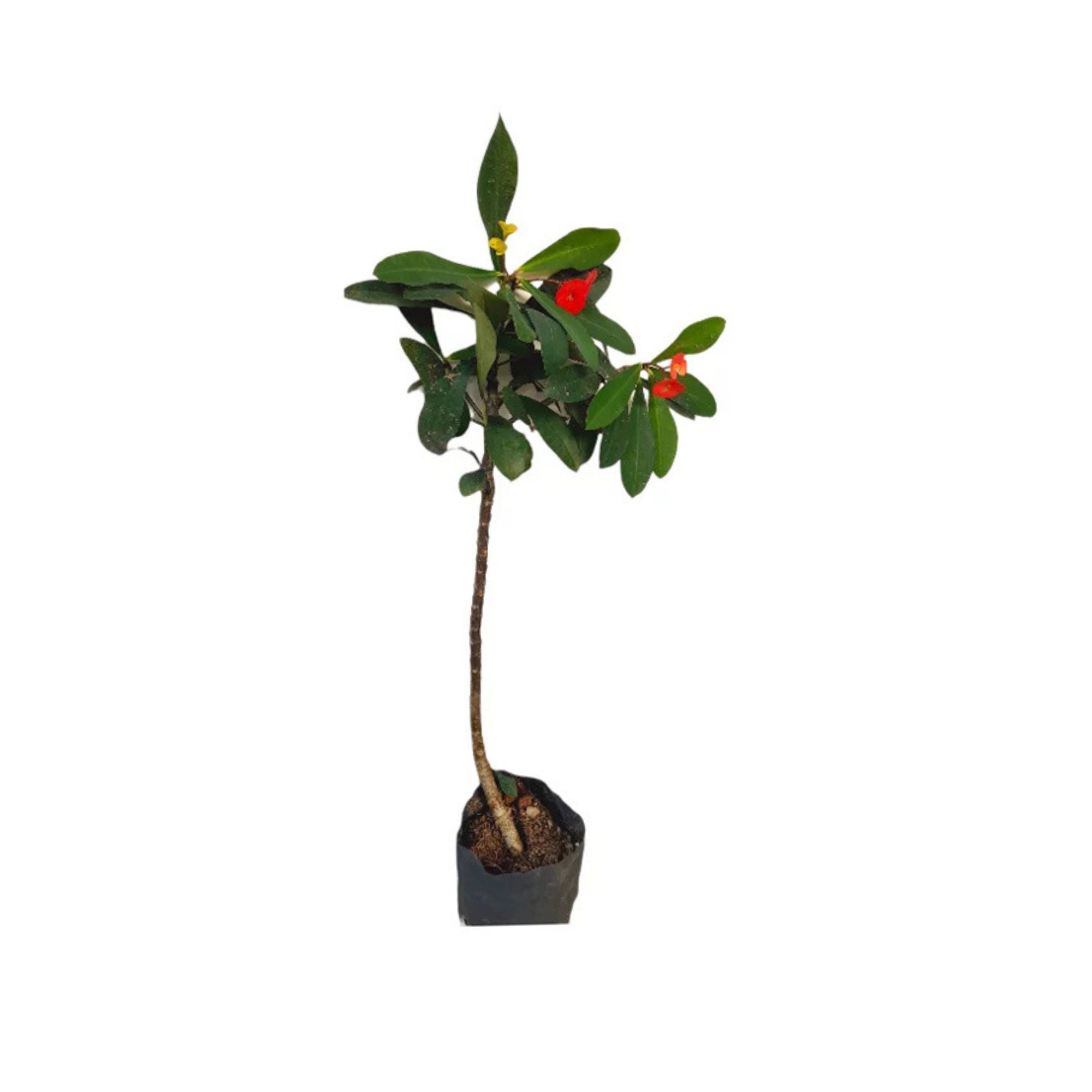




Euphorbia indica is a small, weedy herb that grows widely across Sri Lanka's lowland regions and has earned a firm place in the island's long tradition of ayurvedic medicine. Like many members of the Euphorbiaceae family, it produces a milky latex that has attracted the attention of traditional healers for generations. Though modest in appearance, this plant carries a depth of ethnobotanical significance that belies its size.
What is Euphorbia indica and where does it grow in Sri Lanka?
Euphorbia indica — sometimes referred to informally as Indian spurge — is an annual or short-lived perennial herb that typically reaches 20–50 cm in height. It is characterised by slender, branching stems, small ovate leaves, and the latex-filled tissue common to euphorbias. The plant thrives in disturbed soils: roadsides, garden borders, cultivated fields, and waste ground across the island's wet and dry lowland zones.
Unlike the more dramatic succulent euphorbias familiar from arid landscapes, Euphorbia indica favours humid, partially shaded or open environments. It is found throughout South and Southeast Asia, but in Sri Lanka it is considered a constituent of the indigenous catalogue of medicinal flora documented under traditional Sinhala and Ayurvedic practice.
What is Euphorbia indica used for in ayurvedic medicine?
In Sri Lanka's ayurvedic tradition, Euphorbia indica has been employed in the treatment of a variety of conditions. Practitioners have historically used preparations derived from the plant's leaves and latex, with applications that include addressing skin complaints, warts, and certain digestive issues. The latex itself, while caustic in its raw form, is handled with care in formulated preparations.
- Dermatological use: The latex has traditionally been applied topically to warts and minor skin lesions under the guidance of trained practitioners.
- Digestive complaints: Leaf decoctions have been used in folk medicine to address mild gastrointestinal issues.
- Anti-inflammatory properties: Some ethnobotanical literature notes traditional use for reducing localised inflammation, though this should always be approached under qualified medical guidance.
It is important to note that the raw latex of euphorbias can be an irritant. Any therapeutic use of Euphorbia indica should be undertaken only under the supervision of a qualified ayurvedic physician.
How does Euphorbia indica fit within Sri Lanka's broader herbal tradition?
Sri Lanka possesses one of the richest traditions of plant-based healing in Asia, rooted in an unbroken lineage of Ayurveda that stretches back over two millennia. Medicinal plants are documented in classical texts and are still cultivated or wildcrafted for use in government-recognised ayurvedic hospitals and private practices. Euphorbia indica sits alongside hundreds of other species in this living pharmacopoeia.
Plants such as Acacia chundra and Pongamia pinnata share similar roles in the Sri Lankan ethnobotanical canon — valued not as exotic rarities but as accessible, locally available herbs that form part of everyday traditional healthcare. The accessibility of Euphorbia indica in common habitats means it has historically been available to rural communities across the island without cultivation.
Is Euphorbia indica found in Sri Lanka's protected natural areas?
As a plant of disturbed and cultivated landscapes, Euphorbia indica is not specifically associated with Sri Lanka's major protected forests. However, its presence in the country's broader lowland ecosystems means it can be encountered in buffer zones and forest edges adjacent to reserves such as the Sinharaja Forest Reserve. Botanically inclined visitors to Sri Lanka's rural areas will find it growing unremarkably alongside roads and field margins — easy to overlook, but worth recognising for its cultural significance.
What is the conservation and cultivation status of Euphorbia indica?
Euphorbia indica is not considered threatened or endangered. As a weedy opportunist, it colonises disturbed habitats readily and is not subject to conservation concern. However, there is growing interest among Sri Lankan herbalists and small-scale producers in cultivating and processing medicinal herbs to ensure quality control and traceability. Dried and processed plant materials derived from related species in the Euphorbiaceae family are increasingly available through specialist suppliers focused on traditional herbal products.
This interest aligns with a wider global movement toward evidence-based documentation of traditional plant knowledge — ensuring that the practices carried for centuries by Sri Lanka's vaidyas (traditional physicians) are recorded, validated, and made accessible in a responsible way.
How can travellers engage with Sri Lanka's ayurvedic plant heritage?
Visitors interested in Sri Lanka's medicinal plant traditions have several avenues for deeper engagement. Ayurvedic wellness centres across the island offer consultations with qualified physicians and tours of herb gardens. Agricultural regions and botanical gardens often feature labelled collections of traditional medicinal species.
For those who wish to bring a piece of this heritage home, small-scale producers and specialist retailers offer processed and packaged plant products that meet quality standards. Learning to identify plants like Euphorbia indica in the field — however unassuming they appear — adds a meaningful layer to any journey through Sri Lanka's rural landscapes.
Other species in this genus
7 more, sharing the same genus.