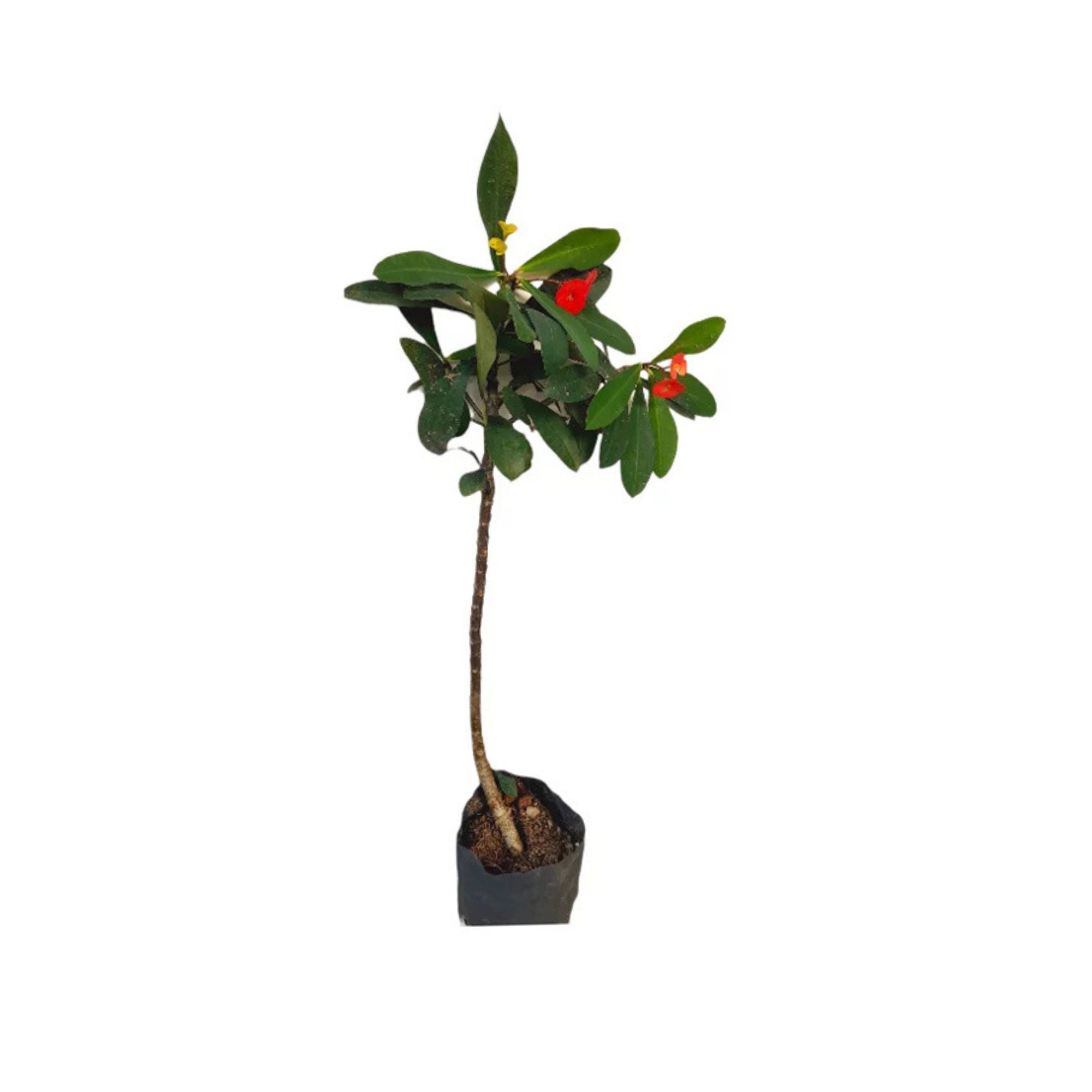




Euphorbia pulcherrima, widely known as the poinsettia, is a flowering shrub native to Mexico and Central America that has taken firm root across tropical and subtropical regions worldwide, including Sri Lanka. Recognised in the island's catalog of Ayurvedic medicinal plants, it occupies an interesting position as both an ornamental garden specimen and a plant with documented therapeutic applications in traditional medicine.
What does Euphorbia pulcherrima look like?
The plant typically grows as a woody shrub or small tree, reaching anywhere from one to four metres in height under favourable tropical conditions. Its most distinctive feature is not its flowers but its coloured bracts — leaf-like structures that surround the small, inconspicuous true flowers at the centre. These bracts are most commonly vivid red, though cultivated varieties produce shades of pink, white, and cream. In Sri Lanka's warm, humid climate, the plant can flower for extended periods, making it a popular choice in home gardens and roadside planting.
What are the Ayurvedic and medicinal uses of Euphorbia pulcherrima?
Within Sri Lanka's traditional Ayurvedic system, Euphorbia pulcherrima is catalogued as a plant with several therapeutic properties. Its milky latex, characteristic of the Euphorbiaceae family, has historically been applied externally in some folk medicine traditions to treat skin conditions, warts, and localised inflammation. Leaf preparations have been studied for potential antibacterial and anti-inflammatory activity.
It is important to note, however, that the plant's latex is considered a skin and eye irritant and should be handled with care. Ingesting any part of the plant is inadvisable without proper Ayurvedic guidance, as the compounds present can cause gastrointestinal discomfort. The plant's inclusion in Sri Lanka's Ayurvedic catalog reflects its historical usage rather than an endorsement of self-treatment.
How does Euphorbia pulcherrima grow in Sri Lanka's climate?
Sri Lanka's tropical climate — warm temperatures year-round, reliable rainfall in most regions, and high humidity — suits Euphorbia pulcherrima well. The plant thrives in well-drained soils under full to partial sunlight and tends to produce its characteristic coloured bracts during shorter daylight periods, typically between October and February. Gardeners in the hill country around Kandy and Nuwara Eliya often cultivate it at moderate elevations, where cooler nights can intensify the bract colour. In the lowland wet zone, it grows vigorously but may require pruning to maintain shape.
What family does Euphorbia pulcherrima belong to?
The species belongs to Euphorbiaceae, one of the largest and most ecologically diverse flowering plant families. The genus Euphorbia itself contains over 2,000 species, ranging from desert succulents to large tropical shrubs. In Sri Lanka, several other Euphorbia species are also recognised in traditional medicine, reflecting the broad pharmacological interest the genus has attracted in botanical and Ayurvedic research.
Is Euphorbia pulcherrima the same as the Christmas poinsettia sold as a houseplant?
Yes. The familiar potted poinsettia sold in temperate countries during the Christmas season is the same species. In its native habitat and across tropical countries including Sri Lanka, it grows outdoors as a perennial shrub rather than a short-lived indoor plant. The association with Christmas comes from a Mexican legend and the plant's natural tendency to colour its bracts during the winter solstice period when nights are longest. In Sri Lanka, where the plant grows freely outdoors, it is appreciated year-round rather than only seasonally.
How is Euphorbia pulcherrima used in Sri Lankan gardens?
Beyond its medicinal cataloguing, the plant is a practical and visually rewarding choice for Sri Lankan gardens and landscaping. It is frequently used as:
- A boundary or hedging plant in home gardens
- A specimen shrub in ornamental beds, particularly for its long bract display season
- A feature plant in hotel and resort landscaping across the island
- A pot specimen on patios and terraces where its growth can be managed through pruning
The plant is relatively low-maintenance once established, requiring moderate watering and occasional feeding. Hard pruning after the flowering season encourages bushier regrowth and more abundant bract production the following year.
Are there different varieties of Euphorbia pulcherrima found in Sri Lanka?
The wild-type red-bracted form is the most commonly encountered variety in Sri Lanka's gardens and roadsides. Nurseries on the island also stock selected cultivars with pink, white, and marbled bracts, introduced through the horticultural trade. These cultivated varieties tend to be somewhat smaller and more compact than the freely growing red form, making them better suited to container growing or smaller garden spaces.
What is the conservation and ecological status of the plant in Sri Lanka?
Euphorbia pulcherrima is not native to Sri Lanka and is not listed among the island's endemic or threatened species. As an introduced ornamental, it does not present significant documented invasive risks in the Sri Lankan context, though — as with any non-native species — planting it near sensitive forest edges or protected areas is best avoided. Its cultivation in home and commercial gardens remains widespread and unregulated.
Other species in this genus
7 more, sharing the same genus.