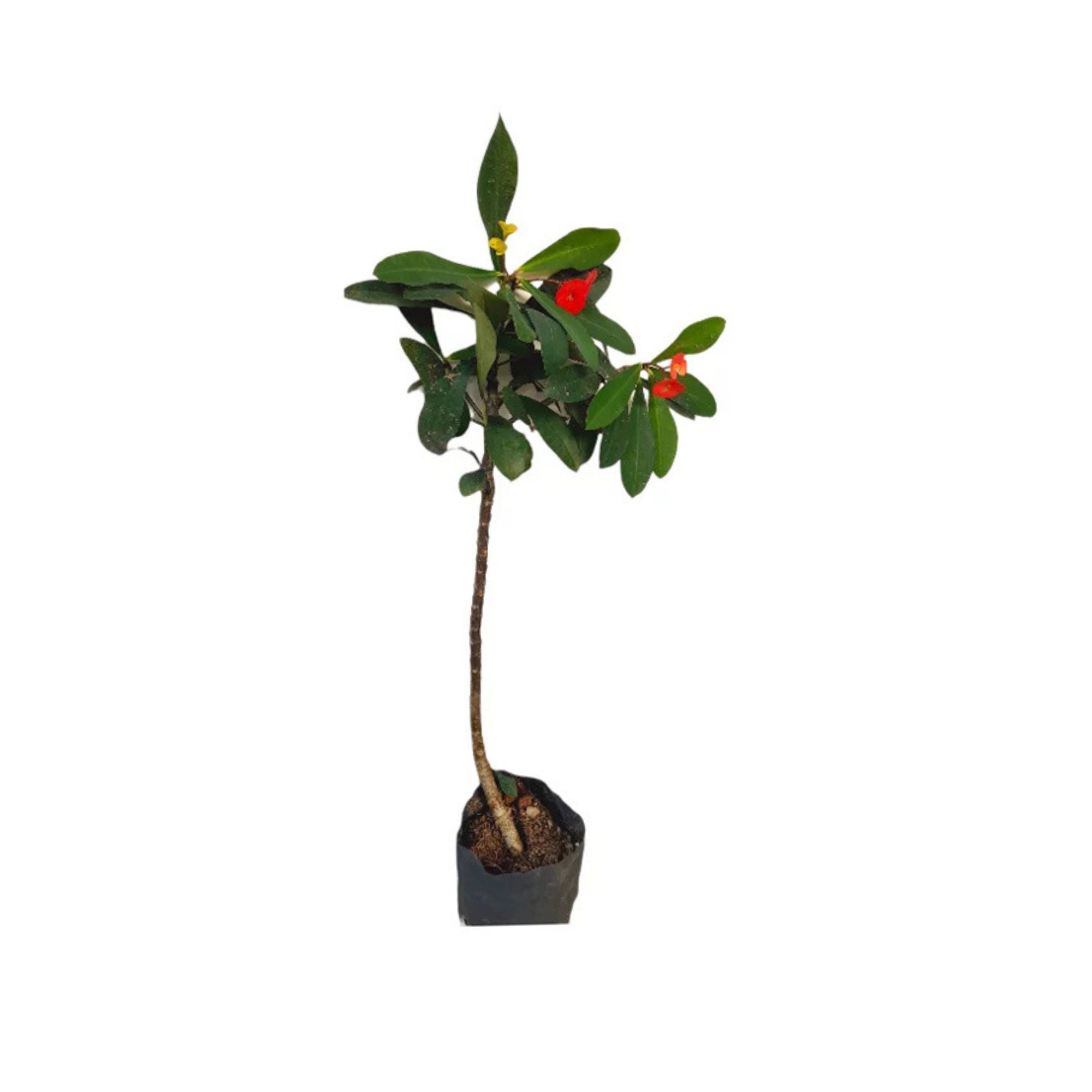




Euphorbia hirta — commonly known as asthma weed or garden spurge — is a small, hairy annual herb recognised across South and Southeast Asia for its wide range of traditional medicinal applications. In Sri Lanka, it holds a respected place in the Ayurvedic pharmacopoeia, used by generations of practitioners to address conditions ranging from respiratory complaints to digestive disorders. Though modest in appearance, this plant carries considerable therapeutic significance that continues to attract interest from both traditional healers and modern researchers.
What does Euphorbia hirta look like?
Euphorbia hirta grows low to the ground, typically reaching 10–40 cm in height. Its slender, branching stems are covered in dense reddish hairs and exude a milky latex sap when cut — a characteristic of the broader Euphorbia genus. The leaves are small, oval to oblong, with serrated margins and a slightly asymmetric base. Tiny, clustered flowers appear in dense axillary cymes, and the plant produces small three-lobed seed capsules that scatter readily, allowing it to colonise disturbed ground with ease.
Where does Euphorbia hirta grow in Sri Lanka?
The plant is considered a pantropical weed, thriving in open, disturbed habitats such as roadsides, cultivated fields, garden edges, and waste ground. In Sri Lanka, it is found at low to mid elevations across the island — from the dry zone to the wet zone — and is particularly common in the coastal lowlands and rural countryside. Its tolerance for poor soil and strong sunlight makes it one of the more resilient medicinal plants on the island.
What are the traditional Ayurvedic uses of Euphorbia hirta?
Within Sri Lanka's Ayurvedic tradition, Euphorbia hirta is valued for a broad spectrum of therapeutic applications. Traditional practitioners use the whole plant — leaves, stems, and latex — depending on the condition being treated.
- Respiratory conditions: Preparations made from the aerial parts are traditionally used to relieve asthma, bronchitis, and coughs, which accounts for the plant's common English name, asthma weed.
- Gastrointestinal health: Decoctions are used to manage dysentery, diarrhoea, and intestinal worm infestations.
- Skin and wound care: The milky latex is applied topically to warts, ringworm, and minor wounds in folk remedies across the island.
- Urinary tract complaints: Infusions are sometimes prescribed in traditional practice for urinary disorders and kidney inflammation.
- Fever and inflammation: The plant has a traditional role as an antipyretic and anti-inflammatory agent.
It is important to note that traditional use does not replace medical advice. Anyone considering Euphorbia hirta for therapeutic purposes should consult a qualified Ayurvedic or medical professional.
What does modern research say about Euphorbia hirta?
Scientific studies have identified several bioactive compounds in Euphorbia hirta, including flavonoids, tannins, terpenoids, and phenolic acids. Laboratory research has documented antimicrobial, anti-inflammatory, antioxidant, and antidiarrhoeal properties, lending partial scientific support to the plant's traditional reputation. Investigations into its bronchodilatory effects are ongoing, with some studies suggesting the plant may help relax smooth muscle tissue in the airways. However, clinical trials in humans remain limited, and no pharmaceutical product derived from Euphorbia hirta has been widely standardised to date.
How is Euphorbia hirta prepared in traditional medicine?
Preparation methods vary by intended use and regional practice. Common forms include:
- Decoction: The plant is boiled in water and the liquid strained for internal use, particularly for digestive and respiratory complaints.
- Fresh juice: Juice pressed from fresh leaves is sometimes applied directly to the skin or taken internally in small quantities.
- Latex: The milky sap exuded from cut stems is applied sparingly to localised skin conditions.
- Dried powder: Dried aerial parts may be ground and incorporated into compound formulations alongside other medicinal herbs.
Dosage and preparation vary significantly between practitioners and regional traditions. Self-medication without guidance from a trained Ayurvedic physician is not recommended, as the plant's latex can be irritating in concentrated form.
How does Euphorbia hirta fit into Sri Lanka's broader medicinal plant heritage?
Sri Lanka's Ayurvedic tradition is one of the island's most enduring cultural legacies, drawing on a rich flora that includes hundreds of documented medicinal species. Euphorbia hirta sits alongside better-known plants such as Pongamia pinnata and Syzygium aromaticum in the island's Ayurvedic catalogue, each contributing to a holistic system of health and well-being that has been practised for over two millennia. The World Health Organization recognises traditional medicine systems as an important component of global healthcare, and Sri Lanka's government continues to support Ayurvedic research and practice through dedicated institutions.
Can Euphorbia hirta be grown at home in Sri Lanka?
Because it grows naturally as a roadside weed, Euphorbia hirta requires very little care to establish in a home garden. It prefers full sun and well-drained soil, and once germinated, it spreads readily through self-seeding. For those interested in cultivating medicinal plants as part of a home Ayurvedic garden, Euphorbia hirta is a low-maintenance starting point. However, its latex is a mild irritant, so care should be taken when handling cut stems — gloves are advisable, particularly for those with sensitive skin.
Other species in this genus
7 more, sharing the same genus.