



Euphorbia thymifolia, a small creeping herb in the family Euphorbiaceae, is one of the more quietly important plants in Sri Lanka's rich catalogue of ayurvedic medicinal flora. Found growing close to the ground in disturbed soils, roadsides, and open grasslands across the island, this tiny plant has been employed in traditional medicine for centuries — valued far beyond what its modest appearance might suggest.
What is Euphorbia thymifolia?
Euphorbia thymifolia is a low-growing annual herb, typically reaching no more than a few centimetres in height, with slender reddish stems and small oval leaves arranged in opposite pairs. It produces tiny inconspicuous flowers and a milky latex when broken — a hallmark of the wider Euphorbia genus. The plant is pantropical in distribution, but in South and Southeast Asia it has a particularly long history of documented medicinal use.
In Sri Lanka, the plant is known in Sinhala as Kiri Kavariya (කිරි කවරිය) and appears in classical Ayurvedic texts as well as in folk remedies still practised in rural communities. Its catalogue reference in the Lakpura Sri Lankan medicinal plant database is LK94006500.
Where does Euphorbia thymifolia grow in Sri Lanka?
The herb thrives in the lowland dry and intermediate zones, favouring well-drained, often nutrient-poor soils. It colonises the margins of cultivated land, garden edges, and roadsides, and is frequently encountered in the dry zone provinces of the North Central and Northern regions. Because it tolerates disturbance, it is considered a weed in some agricultural contexts — an irony given its medicinal reputation.
Unlike the towering medicinal trees of Sri Lanka's forests, such as Pongamia pinnata or Acacia chundra, Euphorbia thymifolia occupies the humbler ecological niche of the herbaceous layer, yet it remains an integral part of the island's botanical heritage.
What are the traditional ayurvedic uses of Euphorbia thymifolia?
In Ayurveda and Siddha medicine, the whole plant — including stems, leaves, and roots — is used therapeutically. Traditional practitioners have attributed several properties to the herb:
- Antidysenteric action: Preparations from the plant have long been used to manage dysentery and diarrhoea, particularly in children.
- Wound healing: The latex is applied topically in folk practice to treat minor wounds, warts, and skin eruptions.
- Respiratory support: Decoctions of the herb are used in some traditional systems to address bronchitis and asthma-related symptoms.
- Anthelmintic use: The plant is cited in texts as helpful in expelling intestinal parasites.
- Urinary complaints: Infusions have been traditionally prescribed for conditions affecting the urinary tract.
It is worth noting that traditional use does not substitute for evidence-based medical advice, and anyone seeking treatment should consult a qualified Ayurvedic physician or medical professional.
What does modern research say about Euphorbia thymifolia?
Phytochemical studies have identified a range of bioactive compounds in Euphorbia thymifolia, including flavonoids, tannins, terpenoids, and phenolic acids. Preliminary laboratory research has explored potential antimicrobial, anti-inflammatory, and antioxidant activities, broadly supporting some of the plant's traditional applications. However, clinical trials remain limited, and the plant has not yet been developed into a standardised pharmaceutical preparation. Research institutions in India and Sri Lanka continue to study the genus Euphorbia for its therapeutic potential.
How does Euphorbia thymifolia fit into Sri Lanka's ayurvedic tradition?
Sri Lanka's Ayurvedic system — rooted in classical Indian texts but shaped by centuries of local adaptation — maintains an exceptionally detailed pharmacopoeia of native plants. Euphorbia thymifolia sits alongside better-known herbs and spices such as Ceylon black pepper in this tradition, though it operates at a more grassroots level, passed down through village healers and household practice rather than formalised trade.
The island's biodiversity has historically supported a rich culture of plant-based medicine, and efforts by organisations such as the Department of Ayurveda and universities across the country continue to document, preserve, and validate this knowledge. Herbal gardens at cultural sites and botanical institutions around Sri Lanka sometimes include specimens of Euphorbia thymifolia as part of their medicinal plant collections.
Is Euphorbia thymifolia related to other Euphorbia species in Sri Lanka?
Yes. Sri Lanka hosts several members of the Euphorbia genus, ranging from the humble Euphorbia thymifolia to large succulent ornamental species cultivated in gardens. The genus is extraordinarily diverse globally — encompassing everything from tiny weedy herbs to large tree-like succulents. All share the characteristic milky latex and the unique floral structure called a cyathium. Within Sri Lanka's medicinal plant tradition, Euphorbia hirta (known as Asthma weed or Rata Kira Kavariya) is a close relative and shares several similar therapeutic applications.
Can you grow Euphorbia thymifolia?
The plant is not typically cultivated as a garden specimen, but it establishes readily from seed in warm, tropical conditions. It requires minimal care once established — well-drained soil and full sun are its primary preferences. Because it is an annual, it completes its lifecycle relatively quickly. For those interested in maintaining a home Ayurvedic garden, Euphorbia thymifolia can coexist alongside other medicinal herbs without demanding much space or attention.
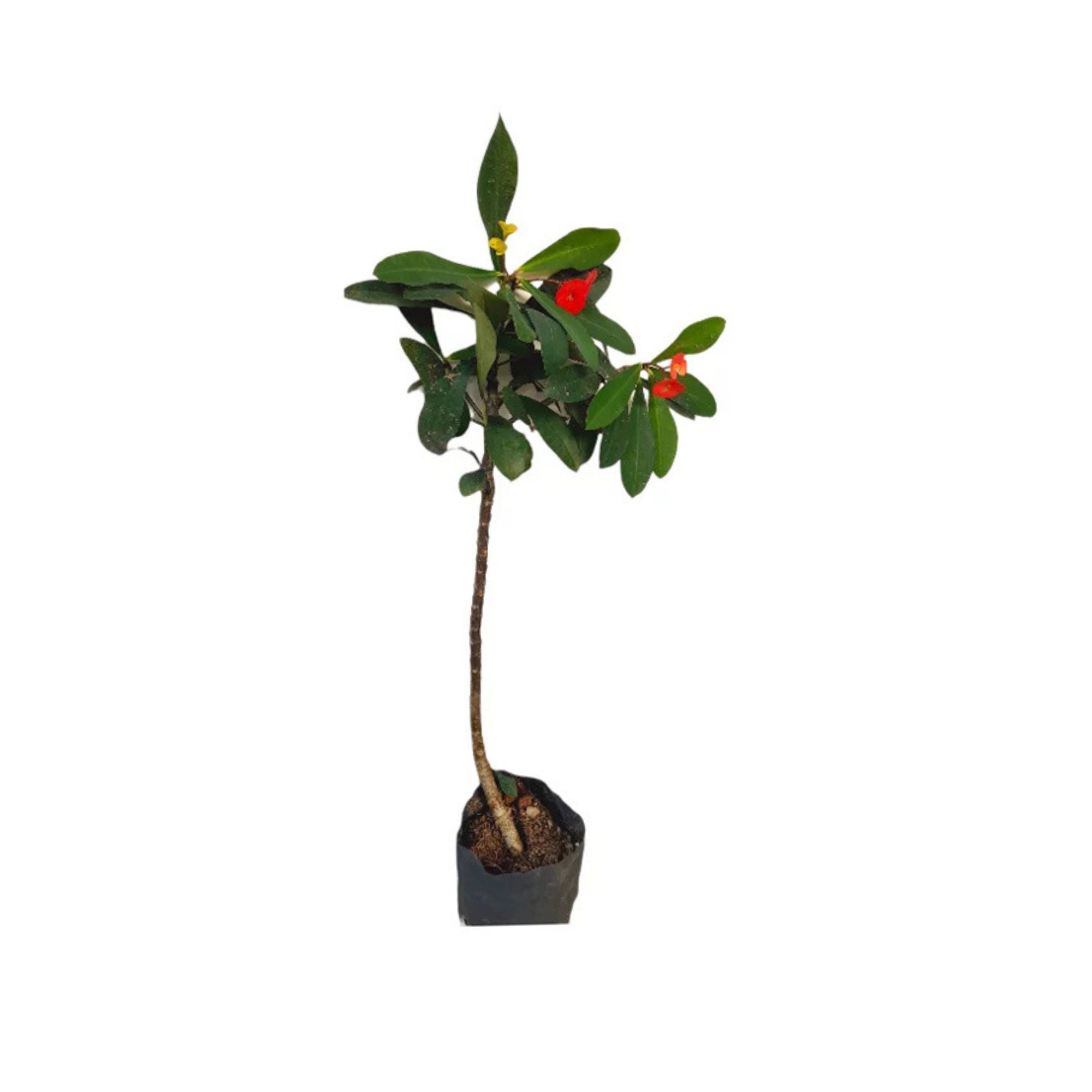
For those interested in ornamental euphorbia varieties, Lakpura offers a curated selection of Euphorbia plants suited to Sri Lankan growing conditions.
Other species in this genus
7 more, sharing the same genus.