Lakpura
Lakpura®

Buddhistické lokality

Obrázek vygenerovaný AI · není to skutečná fotografie

Vztah Srí Lanky k buddhismu sahá více než 2 300 let zpět, což z ní činí jednu z nejstarších nepřetržitých buddhistických kultur na Zemi. Když indický princ Mahinda v 3. století př. n. l. přivezl na ostrov tradici Theravády, zakořenila se tak hluboko, že formovala architekturu, správu a každodenní rytmus každé následné říše. Dnes stovky chrámů, stúp, jeskynních klášterů a posvátných stromů označují toto dlouhé dědictví – soustředěné kolem bývalých královských hlavních měst Anuradhapura, Polonnaruwa a Kandy, ale rozptýlené po celém ostrově.

Ať už jste buddhistický poutník sledující okruhy stup ve starobylých severostředních rovinách, nebo kulturní cestovatel zvědavý na umění a teologii zakódované ve staletých skalních rytinách, Srí Lanka nabízí hloubku posvátného dědictví, která se vyplatí pečlivě prozkoumat.

Jaké jsou nejdůležitější buddhistické památky v Anuradhapuře?

Anuradhapura sloužila zhruba 1 400 let jako první velké hlavní město Srí Lanky a zůstává duchovním srdcem theravádového buddhismu na ostrově. Posvátný areál města – památka UNESCO – obsahuje několik staveb s celosvětovým náboženským významem.

  • Sri Maha Bodhi: Fíkovník vypěstovaný z řízku původního stromu Bodhi, pod kterým dosáhl Buddha osvícení. Zasadil se ve 3. století př. n. l. a je považován za nejstarší historicky doložený strom na světě. Poutníci přicházejí nepřetržitě, aby přinesli květiny a dodržovali sliby.
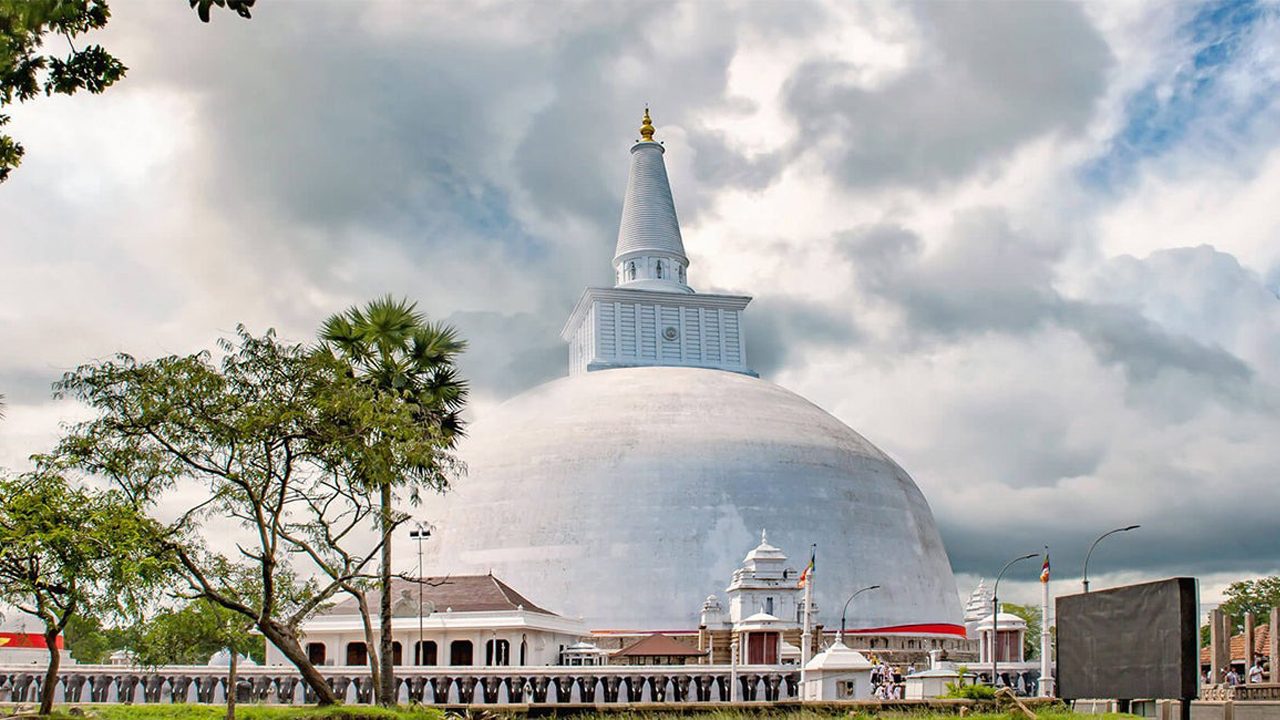
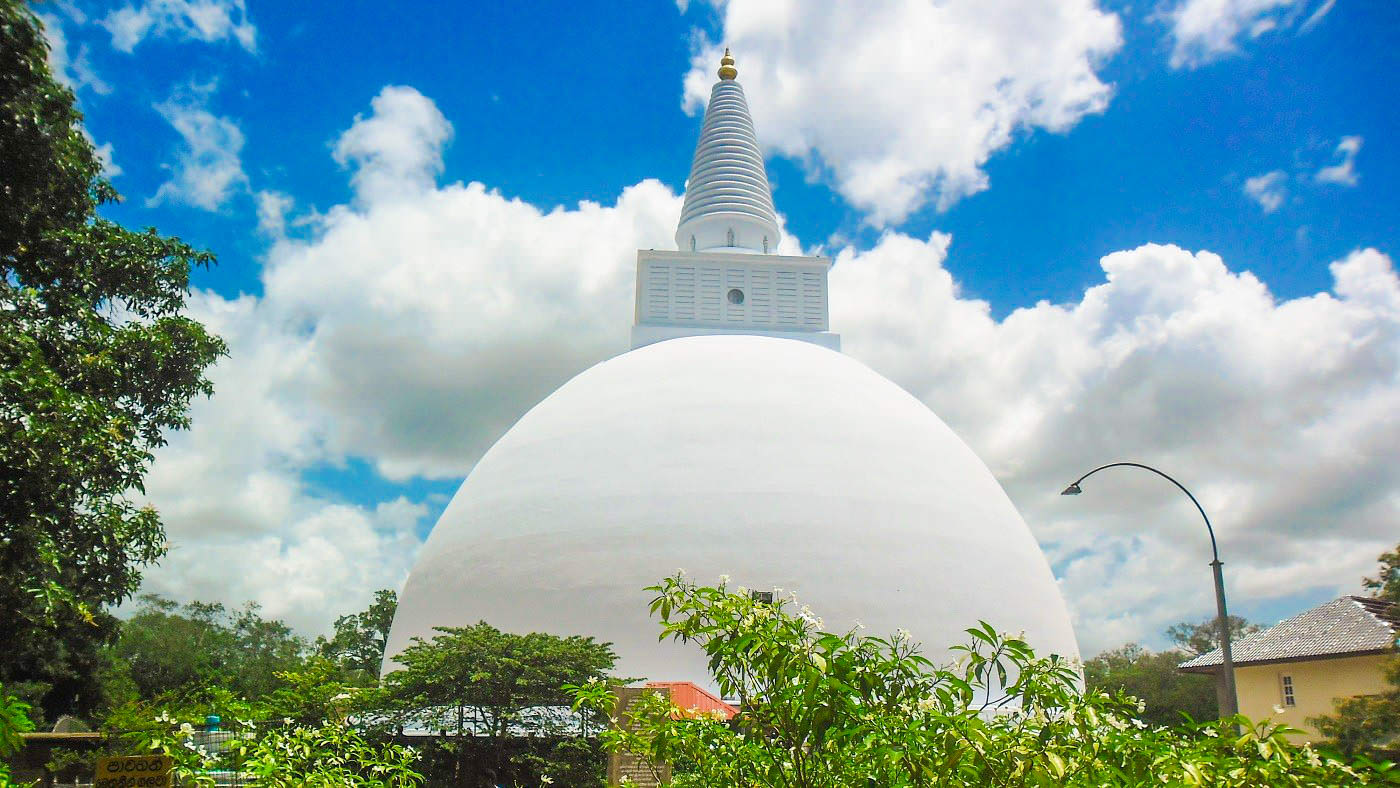
  • Ruwanwelisaya (Mahathupa): Kolosální bělmo omyta stupa započatá králem Dutugamunu ve 2. století př. n. l. Její polokulovitá kupole, viditelná z kilometrů, je jednou z nejvyšších starověkých staveb na světě.
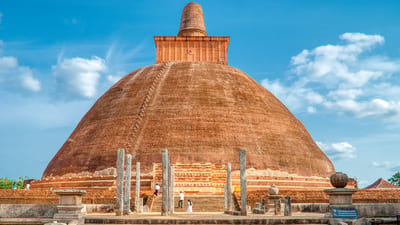
  • Jetavanaramaya: Tato stupa, postavená ve 3. století n. l., byla kdysi nejvyšší zděnou stavbou na Zemi a dodnes se tyčí do výšky přes 70 metrů, a to i přes staletí zvětrávání.
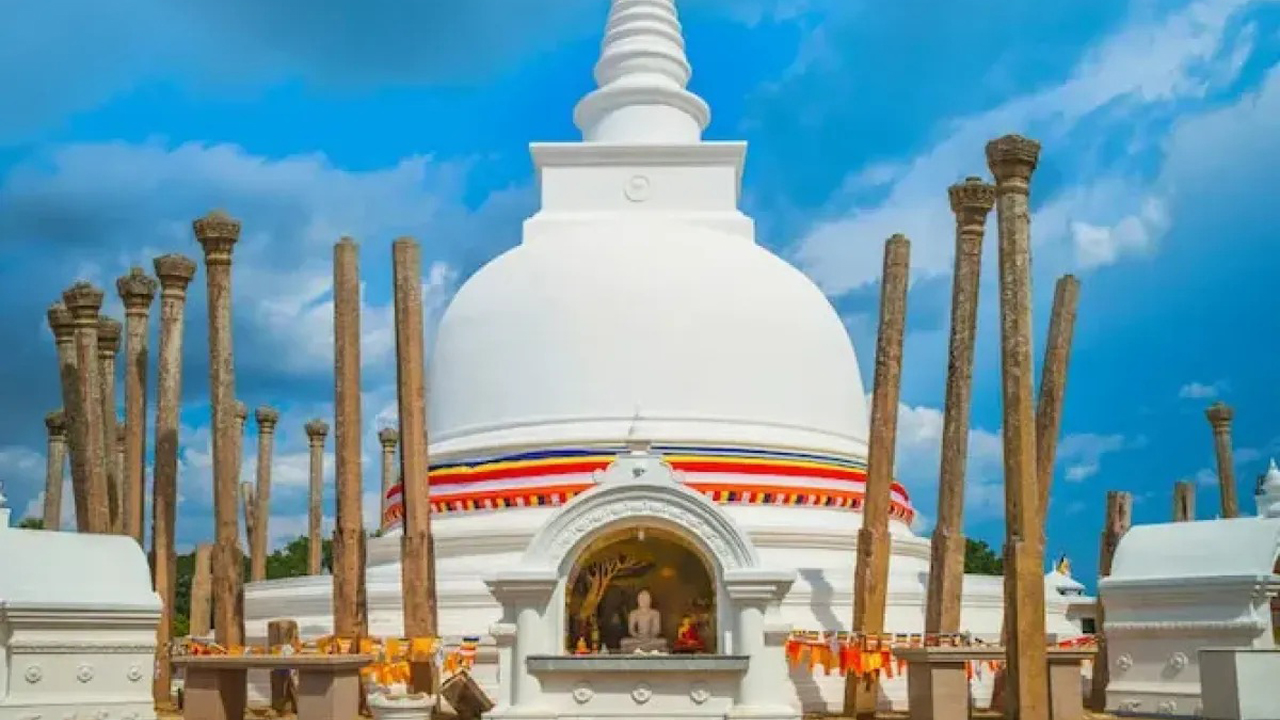
  • Thuparamaya: Považována za první stúpu postavenou na Srí Lance po zavedení buddhismu, údajně uchovává pravou klíční kost Buddhy.
  • Isurumuniya Vihara: Skalní chrám známý svými vytesanými reliéfy do skály, včetně slavného panelu „Milenci z Isurumunije“, který je nyní umístěn v areálovém muzeu.
  • Mirisavetiya Stupa: Přisuzována také Dutugamunu, postavená — podle tradice — jako pokání za snědení jídla bez předchozí oběti Sangha.

Které buddhistické památky bych měl navštívit v Polonnaruwe?

Po úpadku Anuradhapury se Polonnaruwa stala druhým velkým hlavním městem Srí Lanky a vzkvétala mezi 10. a 13. stoletím n. l. Její kompaktní, převážně zachovalé ruiny z ní činí jeden z nejuspokojivějších okruhů v zemi, který lze absolvovat během půldne.

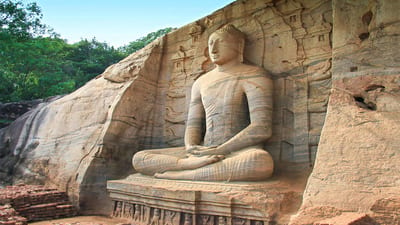
  • Gal Vihara: Čtyři kolosální sochy Buddhy – dvě sedící, jedna stojící a jedna ležící – vytesané přímo do jedné žulové skály. Dovednost zpracování, datovaná do vlády krále Parakramabáhu I., je považována za nejlepší příklad sinhálské skalní sochařství.
  • Rankoth Vehera: Největší stúpa v Polonnaruwe, srovnatelná velikostí s velkými stúpami v Anuradhapure.
  • Lankatilaka Image House: Cihlová svatyně bez střechy, ve které se nachází tyčící se socha Buddhy; její stěny si zachovávají složité plastické reliéfy.
  • Kiri Vehera: Zvláště dobře zachovalá stúpa, jejíž původní vápenná omítka zůstala převážně nedotčená – což je u památek v Polonnaruwe neobvyklé.
  • Tivanka Image House: Domov největší starobylé vnitřní sochy Buddhy ve stojící pozici na Srí Lance, spolu s živými freskami příběhů Džátaka.

Jaké buddhistické dědictví mohu najít v Kandym a okolí?

Kandy, poslední královské hlavní město před britskou vládou v roce 1815, uchovává nejuctívanější buddhistickou relikvii ve světě theravády. Návštěva oblasti Kandy umožňuje přístup jak k centrálnímu chrámu, tak k okruhu důležitých klášterů v okolních kopcích.

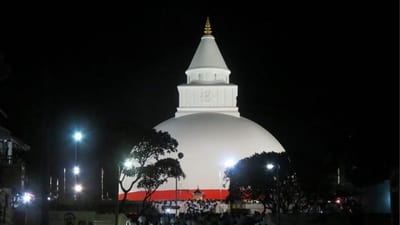
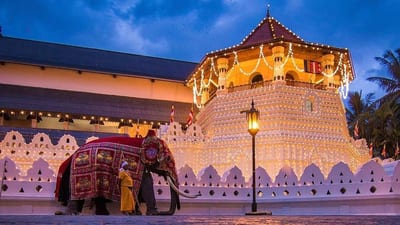
  • Sri Dalada Maligawa (Chrám Relikvie Posvátného Zubu): Říká se, že chrám uchovává zub Buddhy, který byl do Srí Lanky přivezen ve 4. století n. l. Je zapsán na seznamu světového dědictví UNESCO a je živým místem každodenního uctívání. Vnitřní svatyně je otevřena třikrát denně pro modlitební obřady (puja), které přitahují stovky věřících.
  • Asgiriya a Malwathu Maha Viharas: Dvě konventní budovy – jedna na každém břehu jezera Kandy – které spravují Siam Nikaya, největší mnišský řád na Srí Lance. Obě jsou aktivní kláštery s krásnými malovanými sály pro audienci.
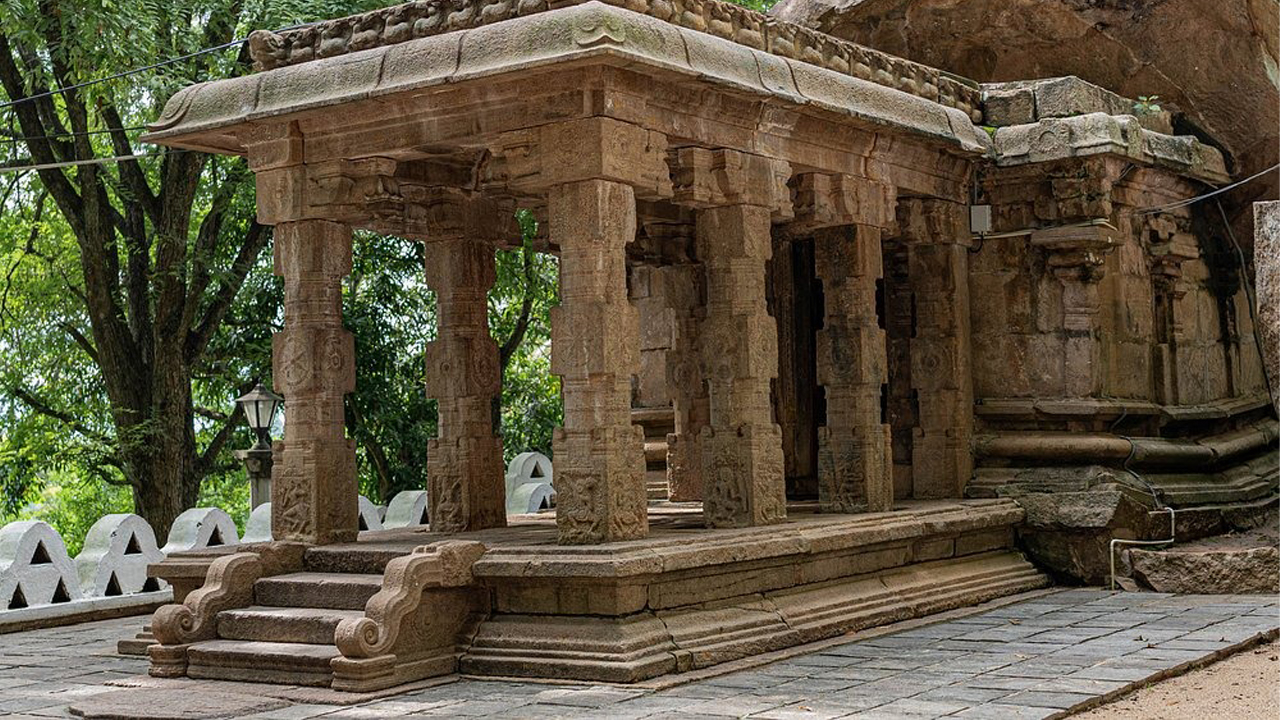
  • Embekke Devale a Gadaladeniya Vihara: Středověké svatyně nedaleko města, známé svými složitými dřevěnými pilíři a kamennými řezbami, které kombinují jižněindické a sinhálské řemeslné zpracování.
  • Lankathilaka Vihara, Udunuwara: 14. století chrám s obrazem zasazený dramaticky na žulovém výchozu, obsahující velký štukový obraz Buddhy a středověké nástěnné malby.

Roční Esala Perahera Festival, konaný v červenci nebo srpnu, přináší Posvátnou zubní relikvii ven v impozantní procesí slonů, bubeníků a kandijských tanečníků – jedno z velkých náboženských představení Asie.

Existují významné buddhistické památky mimo hlavní kulturní trojúhelník?

Mimo tři královská hlavní města se vyplatí udělat si odbočku k široké škále památek – některé jsou starobylé, jiné se stále aktivně používají jako lesní poustevny.

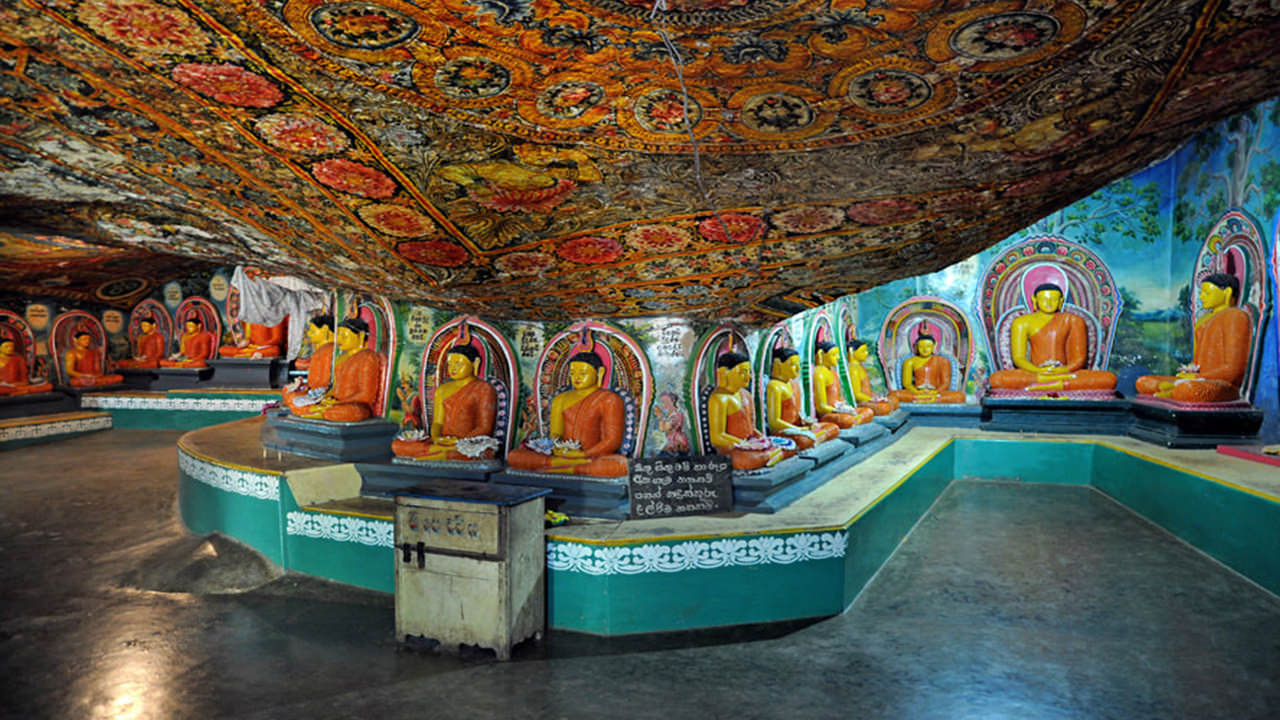
  • Jeskynní chrám Dambulla (Zlatý chrám): Památka světového dědictví UNESCO ve střední hornaté oblasti, sestávající z pěti jeskynních svatyní s více než 150 Buddhovými sochami a jedněmi z nejrozsáhlejších starověkých nástěnných maleb v Asii. Lokalita je v nepřetržitém užívání od 1. století př. n. l.
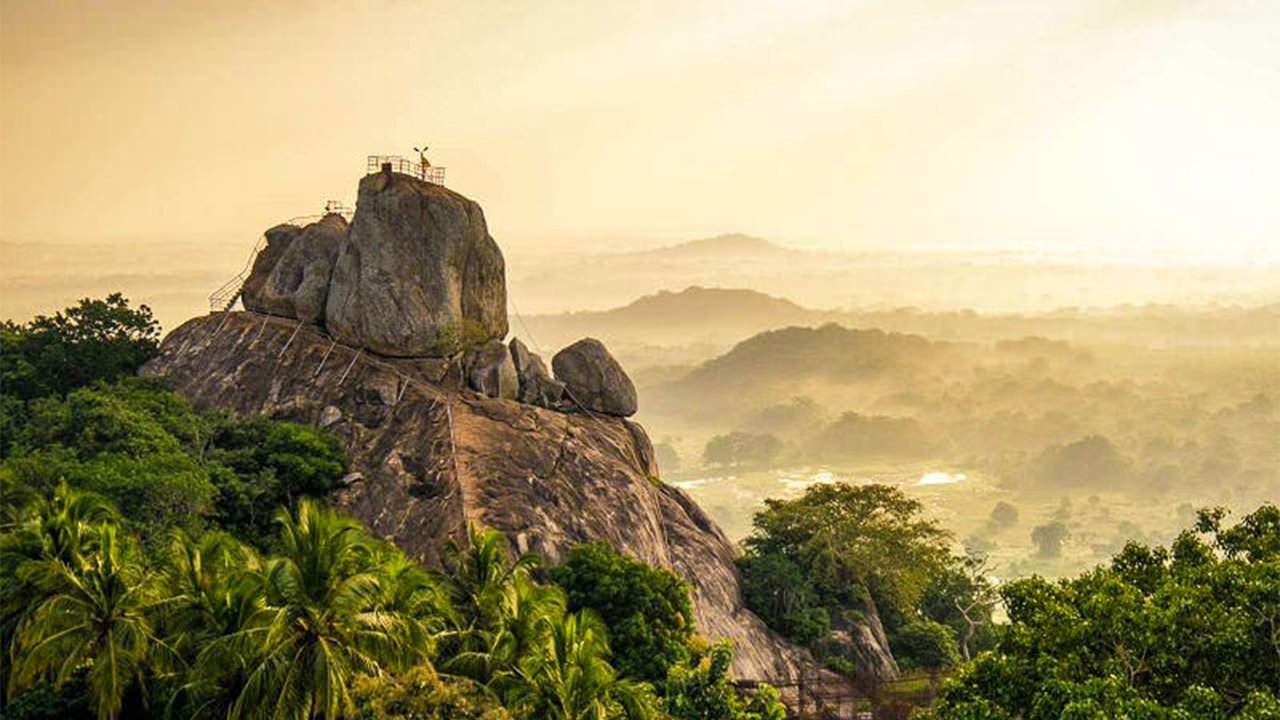
  • Mihintale: Vrcholový areál poblíž Anuradhapury, kde podle tradice mnich Mahinda poprvé kázal králi Devanampiya Tissovi, čímž fakticky zahájil buddhismus na Srí Lance. Přibližně 1 800 žulových schodů vede kolem řady stúp a ruin klášterů.
  • Yapahuwa: Skalní pevnost ze 13. století v Severozápadní provincii, která krátce uchovávala Posvátnou Relikvii Zubu; její zdobené kamenné schodiště je oslavovaným příkladem středověkého sinhálského řezbářství.
  • Lesní klášter Ritigala: Rozsáhlý, převážně nevykopaný komplex hluboko v křovinaté džungli Severocentrální provincie, spojený s asketickou tradicí poustevníků. Jeho tiché, zarostlé cesty ostře kontrastují s více navštěvovanými historickými městy.
  • Mulkirigala: Soubor jeskynních chrámů vytesaných do dramatického skalního výběžku poblíž Tangalle v Jižní provincii, obsahující ležící a sedící sochy Buddhy v několika terasovitých úrovních.
  • Attanagalla Raja Maha Viharaya: Starobylý chrám v Západní provincii, který si váží jak buddhističtí, tak hinduističtí věřící, známý svým klidným prostředím a každoroční peraherou.
  • Iranawila Rajamaha Viharaya: Pobřežní chrám na západním pobřeží s dlouhou historií a silnou místní tradicí uctívání.

Jak mám naplánovat buddhistickou kulturní cestu po Srí Lance?

Většina návštěvníků posvátných míst sleduje volný oblouk ze severu na jih – počínaje Anuradhapurou a Mihintale na severovýchodní pláni, pokračujíce do Polonnaruwy a Dambully ve středu a poté vystupujíce do Kandy předtím, než zamíří na jih. Tato trasa udržuje jízdní doby zvládnutelné a umožňuje, aby se historický význam jednotlivých míst navzájem doplňoval.

RegionKlíčové lokalityDoporučená doba
Anuradhapura & MihintaleSri Maha Bodhi, Ruwanwelisaya, Jetavanaramaya, Thuparamaya, Mihintale2 plné dny
PolonnaruwaGal Vihara, Rankoth Vehera, Lankatilaka, Kiri Vehera1 celý den
DambullaKomplex jeskynního chrámuPůl dne
Kandy a okolíDalada Maligawa, Gadaladeniya, Lankathilaka1–2 dny
Jih a okolíMulkirigala, Yapahuwa, lesní poustevny1–2 dny (doplněk)

Co by měli návštěvníci vědět před vstupem do buddhistického chrámu na Srí Lance?

Buddhistické chrámy na Srí Lance jsou aktivními místy uctívání, nikoli pouze památkami. Na téměř všech místech platí několik ustálených zvyků.

  • Před vstupem do jakéhokoli chrámu nebo posvátného areálu si svlečte obuv – na většině hlavních místech jsou k dispozici služby pro uschování obuvi.
  • Oblékejte se skromně: ramena a kolena by měla být zakrytá. Lehké bavlněné oblečení, které se dá snadno vrstvit, je praktické pro pohodlí i z respektu.
  • Fotografování se liší v závislosti na vnitřní svatyni – vždy zkontrolujte značení nebo se zeptejte před nasměrováním fotoaparátu na hlavní relikvii nebo obraz.
  • Dodržujte klid uvnitř obrazoven a během puja ceremonií. Pokud probíhají bubnování a zpěvy, pozorujte z úctivé vzdálenosti.
  • Bílé oblečení nosí srílančtí věřící v den Poya (úplňku), což jsou veřejné svátky. Návštěva v den Poya nabízí živý pocit autentické zbožnosti, ale také větší davy lidí.

Místa v okolí

Místa do vzdálenosti asi 25 km (10), nejbližší první.

Související čtení

Stránky o úzce souvisejících tématech: 8.
Temple of the Tooth Relic

In the Central Highlands, almost dead centre in the little island of Sri Lanka lays Kandy City. The crown jewel of the city is the famed Sri Dalada Maligawa, also known as the Temple of the Tooth.

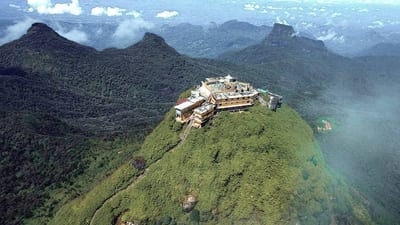
Adam’s Peak
Adam’s Peak

Adam’s Peak is Sri Lanka’s fourth highest mountain at 2244m and is located 40km northeast of Ratnapura. Adam’s Peak or the Sri Pada is an important pilgrim site. Buddhist believe the impression on the summit is the footprint of lord Buddha himself.

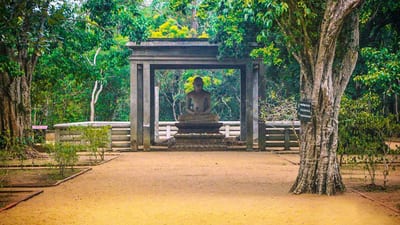
Samadhi Statue
Samadhi Statue

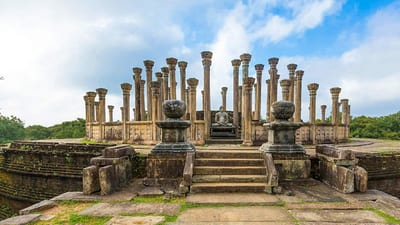
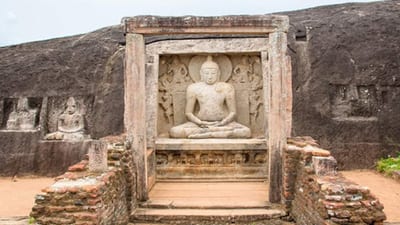
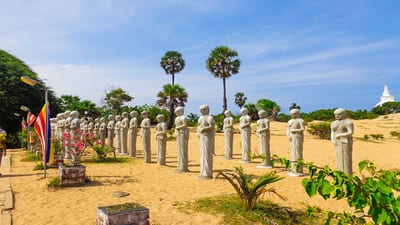
The Samadhi Statue is a statue situated at Mahamevnāwa Park in Anuradhapura, Sri Lanka. The Buddha is depicted in the position of the Dhyana Mudra, the posture of meditation associated with his first Enlightenment, also called Nirvana.

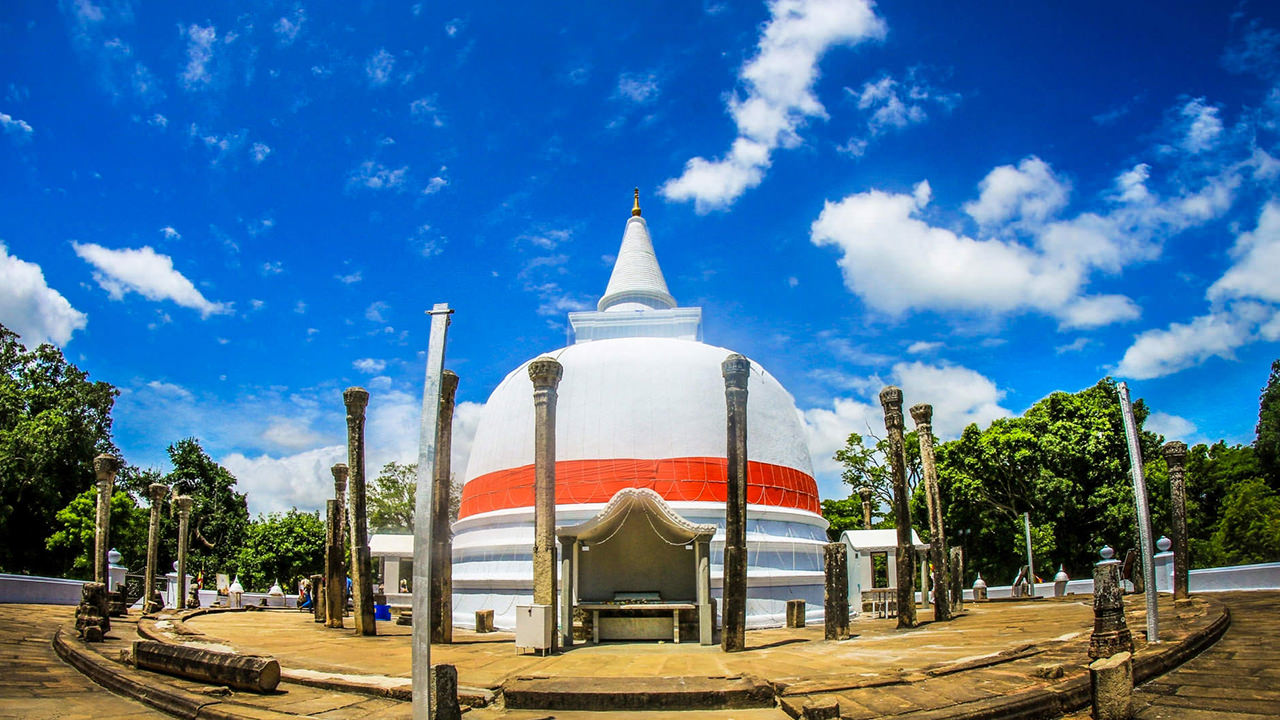
Lankaramaya
Lankaramaya

The tale of the temple Lankaramaya in Sri Lanka is the stuff of legend. The year 103 BC was a memorable year for the King Walagamba of Anuraddhapura. As the rightful king he had been attacked by invaders of the kingdom, and during that year he hid out at a place called Silasobha Khandaka and planned their defeat.

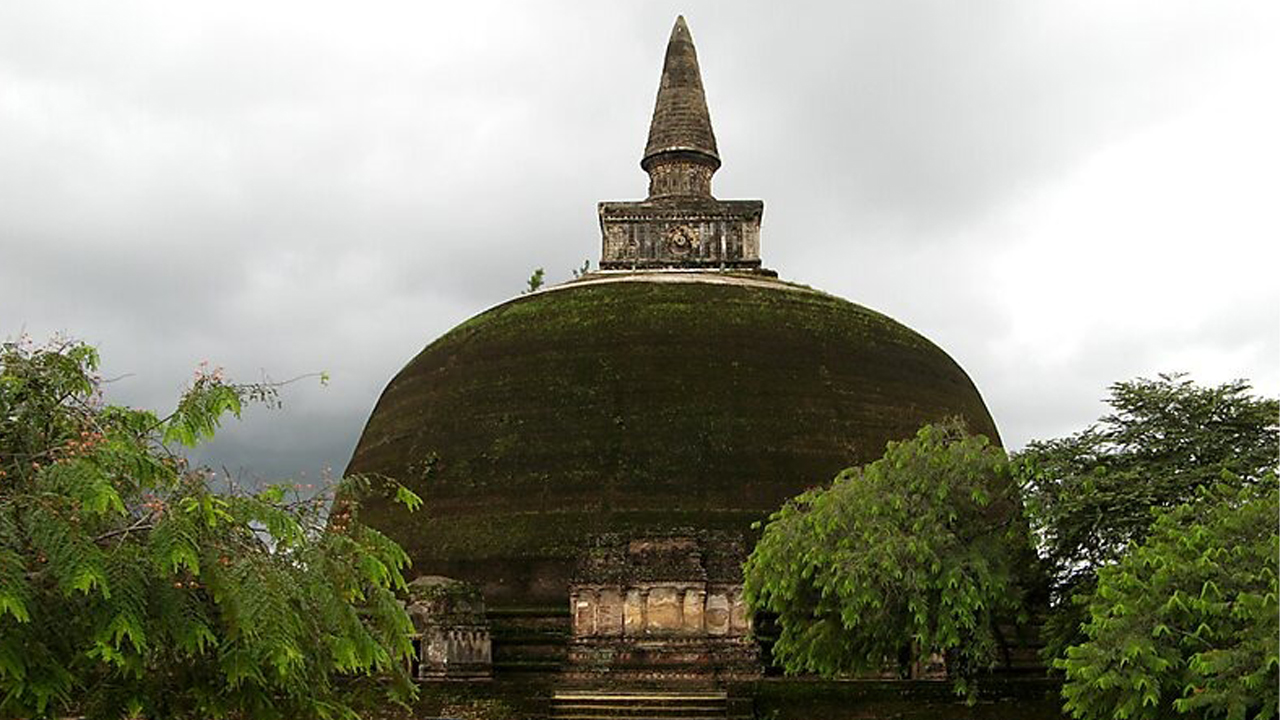
Rankoth Vehera
Rankoth Vehera

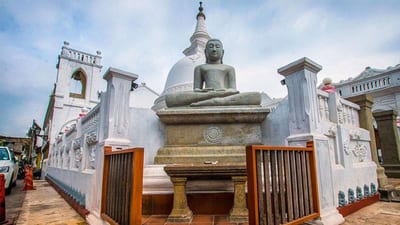
Polonnaruwa was the second kingdom of the ancient kings of Sri Lanka, after the kingdom of Anuradhapura. Following the older tradition of the kings of the first kingdom, the Polonnaruwa kings too saw fit to leave their footprints in the form of stupas built during their times of reign.

Medirigiriya Vatadage

Medirigiriya Watadageya is one of the oldest ruin in South Asia, According to the historical records, Watadageya has build up before 1900 years. During the Polonnaruwa kingdom, it has build to protect the stupa from rain and sun. It’s situated 40 km s away from Polonnaruwa. These unbelievable construction still stands without falling down.

Lovamahapaya
Lovamahapaya

Lovamahapaya is a building situated between Ruvanveliseya and Sri Mahabodiya in the ancient city of Anuradhapura, Sri Lanka. It is also known as the Brazen Palace or Lohaprasadaya because the roof was covered with bronze tiles.

Gadaladeniya Vihara
Gadaladeniya Vihara

Gadaladeniya Temple in Sri Lanka is an old monastery built over a rock in Diggala in the district of Kandy. According to an inscription carved into the walls the temple was built in 1344 AD by King Buwanekabaghu the fourth.

Lankathilaka Viharaya

Lankatilaka is Buddhist temple of the 14th century in the Hiyarapitiya village, from the Udu Nuwara area of Kandy district in Sri Lanka. This historical temple was built by the Gampola king, King Buwanekabahu the fourth (1341 – 1351AD), in 1344 AD.

Embekka Devalaya
Embekka Devalaya

In the Udu Nuwara area of the Kandy district lies a temple with a history of over six centuries. Built during the reign of King Wickremabahu III (1371-1394AD) who ruled in the Kingdom of Gampola, the temple is practically covered in wood carvings.

Nagadvipa Vihara
Nagadvipa Vihara

Nagadvipa is only about 35 miles from India and the smallest Island in Gulf of Mannar. Merchants have long come here and the surrounding islands to buy the conch shells that are harvested in the warm shallow waters in the Gulf.

Mahiyangana Viharaya

Mahiyangana According to Mahavamsa, Sivuhelaya (Sri Lanka) was peopled by Sivu-Helayos. The Yakkhas (clan) were living in Mahiyangana at the time. It says that the Buddha held a discussion on Dhamma with them.

Thuparamaya
Thuparamaya

Thuparamaya, the oldest Stupa in Sri Lanka built after the introduction of Buddhism to Sri Lanka. The Thuparamaya, built by King Devanapiyatissa, enshrines the sacred collar bone of the Buddha. This relic, a gift from India, stands testimony to the cordial relations enjoyed by the then Sri Lanka ruler.

Muthiyangana Raja Maha Vihara

lies in the centre of the city of Badulla. The History of this temple goes back to the time of Buddha but this area around Badulla (especially Uva Province) goes way back in to the time of 19th -18th century BCE. Emperor Rawana was ruling this country with Badulla as the capital. It is also believed that the War of Rama and Rawana took place in this area.

Dambulla Golden Temple

Dating back to the First Century BC, the Golden Temple of Dambulla has been the centre of pilgrimage for Buddhists and Hindus alike for 22 centuries. It is Sri Lanka’s most popular historic site. The Cave monastery, home to Buddhist monks is covered with exquisite 2,000 year-old murals depicting the life and times of the Lord Buddha.

Ruwanweliseya
Ruwanweliseya

The Ruwanweliseya was built by King Dutugemunu in the 2nd century BCE. Since being restored the dome is clear and shines white in the sun. S.M. Burrows of the Ceylon Civil Service wrote in 1885, “Its present height is about 150 feet, with a diameter of 379 feet. It is now being restored by the pious contributions of pilgrims, and the zealous efforts of the Chief Priest.

Abhayagiri Monastery

Abhayagiri Monastery in Sri Lanka, Anuradhapura established in the second century B.C., by King Valagamabau, during its glorious days, was not only complex of monastic buildings, but also a great seat of learning. Unlike orthodox Mahavihara monastery, Abhayagiri Monastery accommodated the intellectual discussion on various schools of Buddhist thought in addition to Theravada Buddhism, considered as the pure words of Buddha.

Gangaramaya Temple
Gangaramaya Temple

The Most Visited temple in the city, the Gangaramaya Temple which organizes Sri Lanka’s largest and the most colourful Vesak festival annually, has a history of 120 years. It was established in 1885 by Venerable Hikkaduwe Sri Sumangala Nayaka Thera at a time when Buddhist and cultural resurgence were much needed as the country was under the colonial rule.

Kelaniya Temple
Kelaniya Temple

Kelaniya Temple built on the banks of the Kelaniya River is one of the most sacred sites of Sri Lanka. It is believed Buddha together with 500 Arahats (Supremely enlightened beings) visited Kelaniya on the Wesek day of the Buddhist Era 2531 and expounding of the Dhamma, the Buddhist doctrine to the inhabitants of the island.

Jetavana Monastery
Jetavana Monastery

Jetavana Monastery at Anuradhapura one of the major Buddhist Monasteries of Sri Lanka was founded by King Mahasena (276-303 AC). His reputation as a builder of great monasteries was somewhat tarnished by his grave misdeeds against the Mahavihara Monastery.

Mirisawetiya
Mirisawetiya

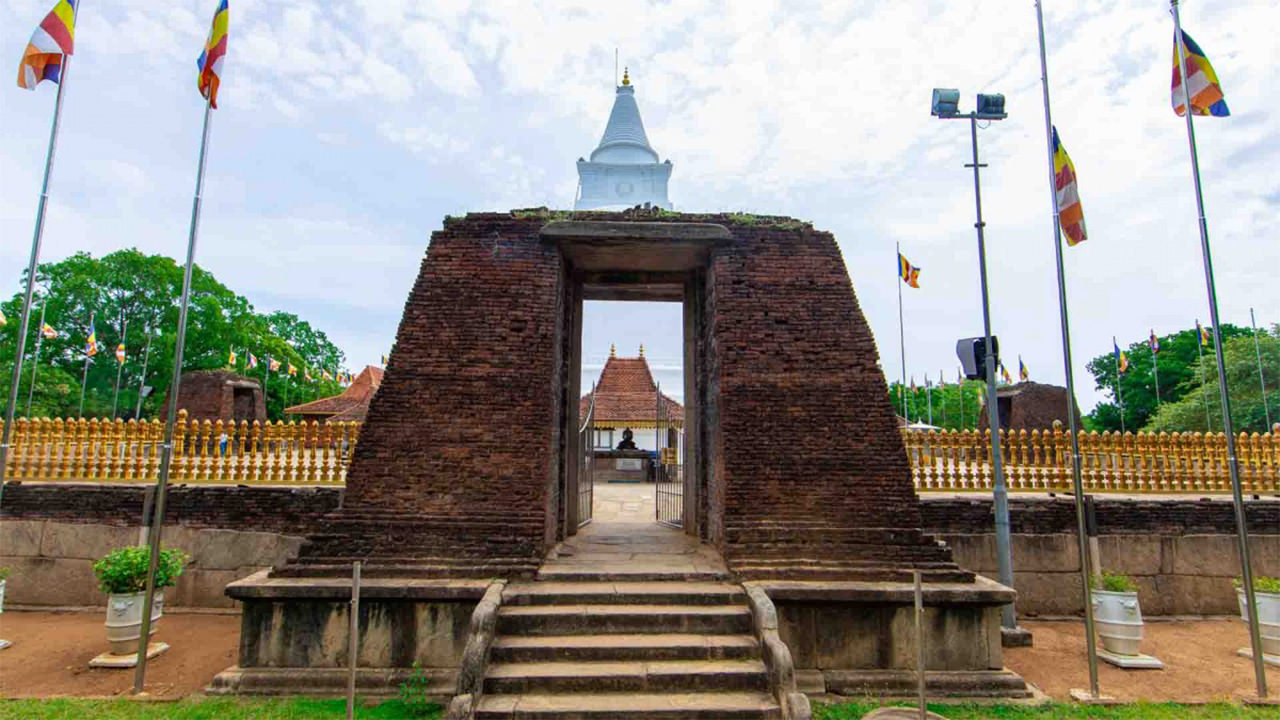
More than 2100 years old, Mirisawetiya is one of the most ancient Dagabas in Sri Lanka . Built by the great king Dutugemunu, this Maginficant Structure is a must see for any visitor to the sacred city of Anuradhapura . It is believed that the great king Dutugemunu made many wishes here that have come true during his lifetime.

Tantirimale Monastery

Tantirimale monastery can be reached by Anuradhapura-Mahavillachchiya road: 27 km along road is Sri Wimalagnana road to the right. Tantirimale is located another 18km onwards the turn. The motorable road from Anuradhapura has made Tantirimale a popular place of pilgrimage among the Sinhalese Buddhists of Sri Lanka.

Sri Maha Bodhiya
Sri Maha Bodhiya

The Sacred Bo tree; Jaya Sri Maha Bodhiya of Anuradhapura, Sri Lanka is the oldest living tree in documented history of the world. It is a sapling from the historical Bodhi tree under which Buddha enlightened. It was planted in 288 BCF and is the oldest living human-planted tree in the world with a known planting date.

Gal Vihara
Gal Vihara

Gal Vihara (Sinhala: stone temple), Buddhist Temple at (UNESCO World Heritage Site) at Polonnaruwa, Sri Lanka is the most perfect specimen of Buddha statue hewn out of solid stone. Crafted during the reign of King Parakrabahu (1153-1186 A.C), Gal Vihara statues are still in complete preservation with their irresistible charm and sublimity.

Kirivehera Temple
Kirivehera Temple

Buddhists consider that Katharagama Deviyo as one of the guardian deities of Buddhism and the presiding deity of Katharagama temple hallowed by the Buddha.

Arankele Monastery
Arankele Monastery

Arankele Forest Monastery’s sylvan environment and ruins of bathing ponds gives the impression it was once a pleasure park. Arankele, on the contrary, was a 6th century cave hermitage up a forested hillside.

Aukana Buddha Statue

Aukana Buddha statue is located at 30km northwest of Dambulla close to ancient Kala Weva man-made rainwater reservoir. It can be reached from Kekirawa on Dambulla-Anuradhapura road.

Ridi Viharaya
Ridi Viharaya

The tale of Ridi Vihara is described thus. It’s about 20 kilometres away from the ancient kingdom of Kurunegala in a small village called Ridi Gama. This temple is believed to be built by King Dutugemunu in the 2nd century BCE, as a monument to the place where he found a silver (Ridi) ore mine which was used to finance the building of the gigantic Ruwanweli Seya.

Kadurugoda Viharaya
Kadurugoda Viharaya

Among the Buddhist places in Yapa Pattana (Jaffna) Kadurugoda Viharaya or Kantarodai holds an important place in Sri Lanka‘s history. This temple is located on the Hunugama (Chunnakam) – Minipe (Manipai) road about 02 KMs from Hunugama.

Maligawila Buddha Statue

The Maligawila Buddha statue is a standing statue of the Buddha in Sri Lanka and has been carved out of a large limestone rock during the 7th century by a prince named Agrabodhi.

Rasvehera
Rasvehera

This statue of the Buddha has two names; one is Rasvehera and the other is Sasseruwa. It is called Rasvehera because on the day the Sacred Bo Tree was brought from Anuradhapura and planted at this premises the rays of Lord Buddha illuminated around the place. Rasvehera statue bears similar profiles to the Aukana Buddha statue.

Aluvihara Rock Cave Temple

Aluviharaya is a rock-cave temple where Buddhist monks during Walagamba’s rule wrote the Tripitakas in Pali on Ola leaves. The heroic reign of king Walagamba (104-77 B.C.) would go into the records of history as the Tripitakas (Buddhist scriptures) were written down on Ola leaves in Pali by a conclave of Buddhist monks of the Aluvihare Temple, lying close to Matale.

Namal Uyana
Namal Uyana

The Jathika Namal Uyana in Sri Lanka is the largest ironwood forest and pink quartz mountain in Asia. The Ironwood Tree is endemic to Sri Lanka and the replanted forest is over 260 acres in extent. According to archeological researcher’s findings, the pink quartz in this historical place has a history of more than 550 millions of years.

Mihintale Mountain
Mihintale Mountain

Mihintale Mountain, with the arrival of Buddhism in Sri Lanka, began to serve as a residential area for the venerable monks headed by Arahath Mahinda Mahathera. But soon, with the royal patronage, the sanctuary housed a multitude of with monastic buildings-stupas, uposathgharas, bodhigharas- to serve the monks.

Mulkirigala Raja Maha Vihara

Mulkirigala Raja Maha Vihara is an ancient and an archaeological Buddhist temple in Mulkirigala Sri Lanka. The temple site is situated 2 km (1.2 mi) from the Mulkirigala Junction and can be reached from either Dikwella or Tangalle. It is also known as the Little Sigiriya.

Degaldoruwa Raja Maha Vihara

Degaldoruwa Raja Maha Vihara is an ancient Buddhist rock temple, situated in Amunugama, Kandy, Sri Lanka. It is famous for its Kandyan Era Frescoes. The cave itself was said to have been excavated out of a rock which rises to a height of approximately 12.3 m (40 ft), and shelters the shrine room and entrance chamber.

Nalanda Gedige
Nalanda Gedige

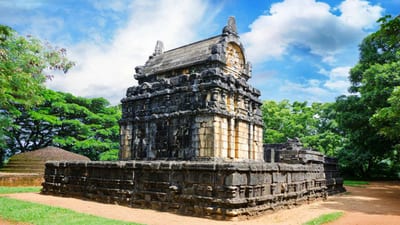
Nalanda Gedige is an ancient complete stone building near Matale, Sri Lanka. This building was an ancient Hindu Temple constructed in between 8th to 10th century with dravidian architecture ( Pallava style ) and then believe to have been used by Buddhists.

Bahirawakanda Vihara Buddha Statue

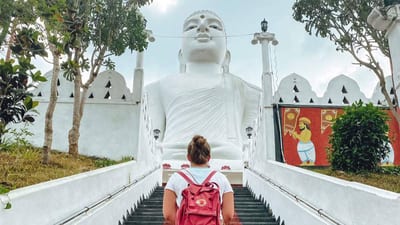
The Sri Maha Bodhi Viharaya at Bahirawakanda is a very attractive and hilly place in the Kandy Town. This is a center for carrying out national as well as international Buddhist relations. Many tourists are attracted by this temple.

Bodhinagala Forest Hermitage

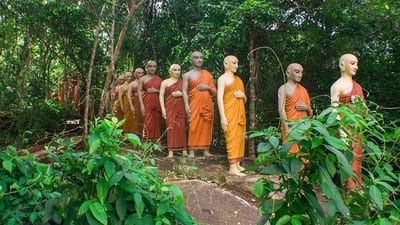
A group of bhikkhus clad in saffron robes walked in single file, carrying their alms bowls, silently down the pathway, for the midday Dana under a dimly-lit forest canopy.

Pilikuththuwa Raja Maha Viharaya

Pilikuththuwa Raja Maha Vihara is an ancient Cave temple situated in Mahara of Gampaha, Sri Lanka.

Varana Temple
Varana Temple

Warana Raja Maha Viharaya, or the Varana Temple got its name because it’s located in Warana village.

Maligatenna Raja Maha Vihara

Vihara Maligatenna Raja Maha Vihara is an ancient Cave temple which is located in Malwatuhiripitiya village, Gampaha District, Sri Lanka.

Asokaramaya Buddhist Temple

Ashokaramaya Buddhist Temple in Kirulapone (Colombo 05) is one of the most unassuming temples you will come across in Sri Lanka. Not to be confused with the Ashokaramaya in Kalutara; this Colombo temple is an entirely different world of color and stories.

Kande Vihara
Kande Vihara

Kande Vihara is a major Buddhist temple in Kalutara District, Sri Lanka. The temple has got its name ‘Kande vihara’ (Mountain temple) as it is built on top of a hill located near to Aluthgama town.

Yatagala Raja Maha Viharaya

Yatagala Raja Maha Viharaya. Just 4km inland from Unawatuna, the Yatagala Raja Maha Viharaya is a quiet rock temple with a 9m reclining Buddha.

Kalutara Bodhiya
Kalutara Bodhiya

Kalutara Bodhiya is a Bodhi tree (sacred fig) located in Kalutara, Western Province of Sri Lanka.

Isipathanaramaya Temple

Isipathanaramaya Temple. Isipathanaramaya Temple is one of the oldest Buddhist temples in Colombo, Sri Lanka. Located in Havelock Town.

Sambodhi Chaithya
Sambodhi Chaithya

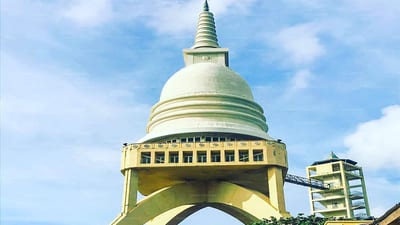
Sambodhi Chaithya. Sambodhi Chaithya (also sometimes called Buddha Jayanthi Chaithya) is a stupa, a Buddhist shrine, built with reinforced concrete.

Fort Shri Sudarmalaya Buddhist Temple

Fort Shri Sudarmalaya Buddhist Temple. Visitors to this small and peaceful Buddhist temple have likened it to a mosque or a church.

Kataluva Purvarama Maha Viharaya

Kataluva Purvarama Maha Viharaya. Around 5 km beyond Koggala lies one of the south’s most absorbing temples, the Kataluwa Purvarama Mahavihara.

Ranawana Purana Rajamaha Viharaya

Ranawana Purana Rajamaha Viharaya. Ranawana Purana Rajamaha Viharaya was one of the largest and one of the most beautiful temples of Sri Lanka.

Galmaduwa Viharaya
Galmaduwa Viharaya

A short turn off from the Kundasala Road just outside of Kandy and you will come upon a strange sight: the unfinished Galmaduwa Viharaya. Traditionally ascribed to King Keerthi Sri Rajasinghe, it is said that while this building was being completed the king heard of the discovery of a cave at Degaldoruwa and stopped the work on Galmaduwa shifting his attention to Degaldoruwa.

Asgiriya Maha Viharaya

Asgiriya Maha Viharaya is situated north of the iconic Kandy Lake. It is the headquarters of the Asgiriya chapter of the Siyam Nikaya, which is one of the two Buddhist monasteries in custody of the sacred tooth relic of the Lord Buddha, kept at the Temple of the Tooth Relic.

Seruwawila Mangala Raja Maha Vihara

Seruwawila Mangala Raja Maha Vihara. Seruwawila Mangala Raja Maha Vihara is an ancient Buddhist temple in Trincomalee district in Eastern Province…

Velgam Vehera
Velgam Vehera

Velgam Vehera (also known as Vilgam Rajamaha Viharaya) is a historical Buddhist temple situated in Kanniya, Trincomalee District, Sri Lanka…

Lanka Pattuna
Lanka Pattuna

Also known as Lanka Putuna Viharaya in Trincomalee, it is one of the oldest Buddhist temples in Sri Lanka…

Dambakola Patuna
Dambakola Patuna

Dambakola Patuna Temple. Dambakola Patuna or Jambukola Patuna is an ancient port in the north of Jaffna which was used during pre christian times…

Vessagiri
Vessagiri

Vessagiri or Issarasamanarama, is an ancient Buddhist forest monastery that is part of the ruins of Anuradhapura, one of the ancient capitals…

Isinbessagala RajaMaha Viharaya

Isinbassagala Ruwangiri Rajamaha Viharaya. Traveling 1.4 kilometres (0.9 miles) passing the small town of Medawachchiya on the A9 (Kandy-Jaffna) highway…

Japanese Peace Pagoda Rumassala

Japanese Peace Pagoda In Rumassala Japanese Peace Pagoda In Rumassala. Rumassala , known to colonialists as Buona Vista, is the subject of many legends. It is featured in the Ramayana…

Wewurukannala Viharaya

Wewurukannala Viharaya. 15 miles east of Matara is the town of Dikwella, where there is one of the most amazing Buddhist temples in Sri Lanka…

Peraliya Buddha Statue

Peraliya Buddha Statue. Eastern and southern coastal line of Sri Lanka was badly damaged by the TSunami waves in 26th of December, 2004. More than 30,000 people died by this indecent.

Sastrawela Mani Naga Pabbatha Viharaya

Sastrawela Mani Naga Pabbatha Viharaya. Currently the village of Sastrawela is a tiny speck of habitation situated on the Panama-Pottuvil Road. The village does not even make it into the Survey General’s map.

Muhudu Maha Vihara
Muhudu Maha Vihara

Muhudu Maha Vihara. Muhudu Maha Vihara is a Buddhist temple situated at Pottuvil in Ampara District, Eastern province of Sri Lanka. This temple which is situated near a wide beach, has been built over 2000 years ago by King Kavan Tissa of Ruhuna…

Magul Maha Viharaya
Magul Maha Viharaya

Magul Maha Viharaya. Magul Maha Viharaya is an ancient Buddhist temple situated in Lahugala, Ampara District of Sri Lanka. The temple lies on the northern edge of the Lahugala National Park, about 22 km off from Siyambalanduwa town and about 11 km off Pottuvil town…

Buduruwagala Buddha Statue

Buduruwagala Buddha Statue. Buduruwagala is located about 5 km from the Wellawaya on the Thanamalwila road. The name Buduruwagala means “the rock with the statue of Buddha” And this is exactly what it is…

Pothgul Vehera
Pothgul Vehera

Pothgul Vehera. Pothgul Vehera of the ancient Polonnaruwa Kingdom is located some distance from the statue and thought to be a Buddhist library complex…

Thiriyaya Girihandu Seya

Thiriyaya Girihandu Seya. Situated about 29 miles north of Trincomalee, it was not an easy journey through bumpy dusty roads, hostile villages, jungle and ferry to travel to Thiriyaya Girihandu Seya some time ago…

Dowa Raja Maha Viharaya

Dowa Raja Maha Viharaya lies few kilometres away from the Bandarawela town on the Bandarawela – Badulla Road. This temple is thought to be done by King Walagamba…

Nakupujte tuto řadu s Lakpura

Zabaleno na Srí Lance a odesíláno po celém světě, přímo ze zdroje.

Zeptejte se agenta Lakpura®