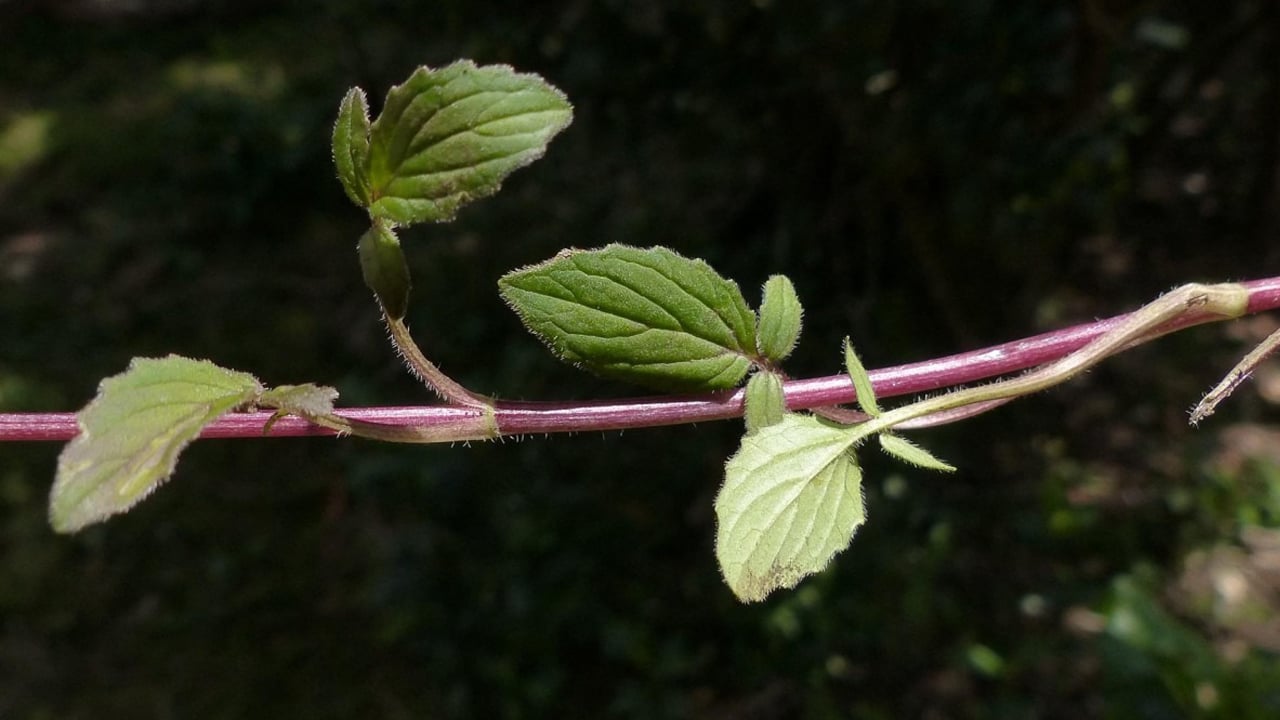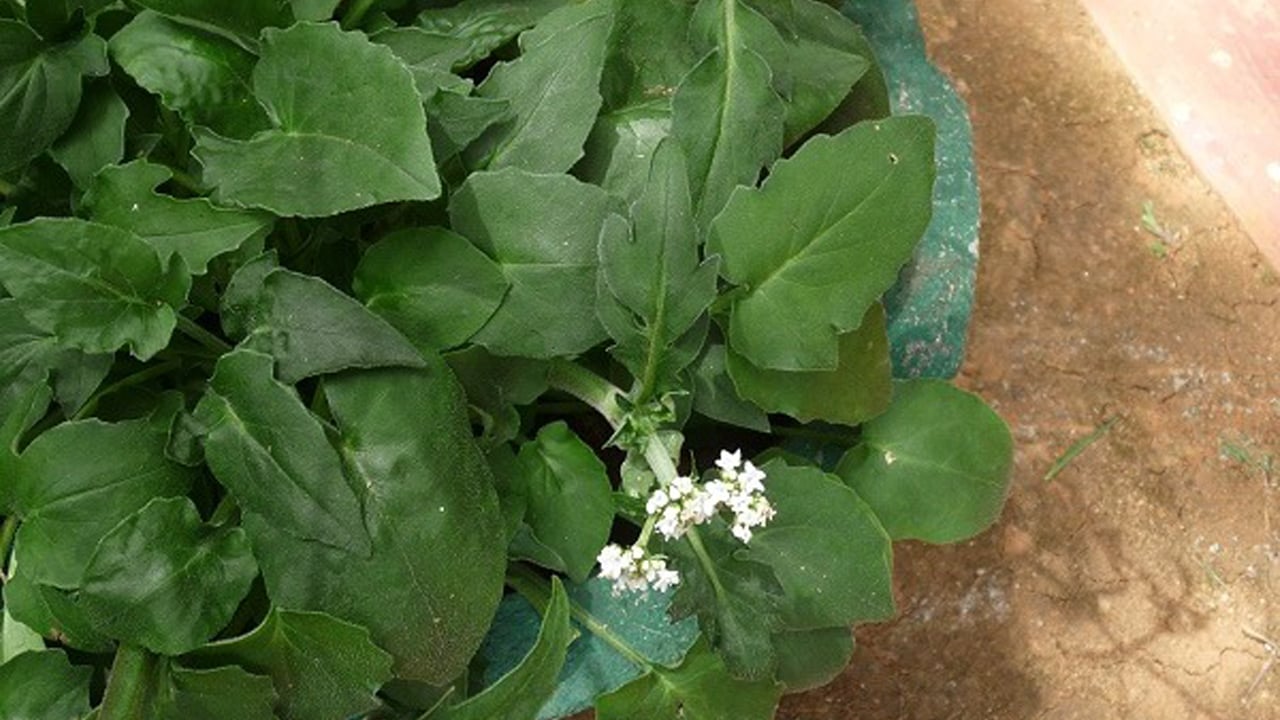
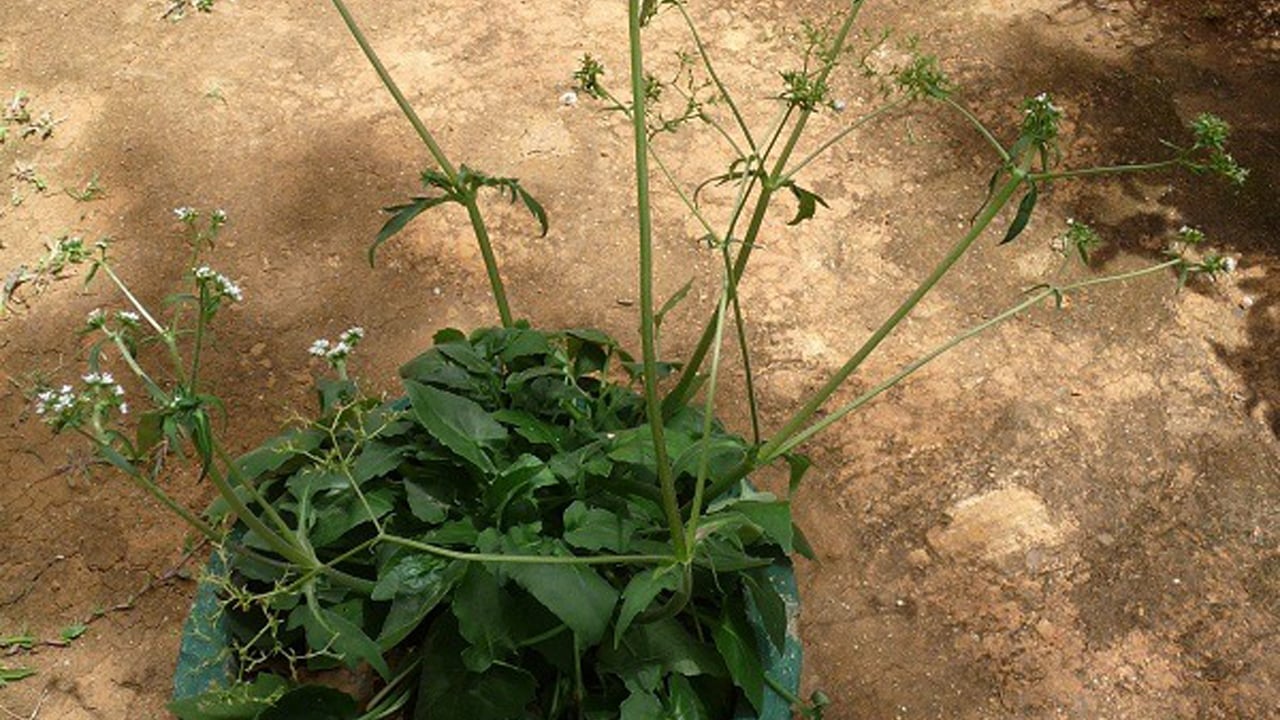
Valeriana moonii is one of Sri Lanka's most botanically significant endemic species — a highland plant with deep roots in traditional medicine and an increasingly precarious foothold in the wild. Restricted to the cool, mist-laden elevations of the Central Highlands, it occupies a narrow ecological niche that makes it both scientifically fascinating and vulnerable to loss.
What is Valeriana moonii and where does it grow?
Valeriana moonii belongs to the family Valerianaceae, a group found across temperate and alpine zones worldwide. This particular species, however, is unique to Sri Lanka. It grows naturally in the montane cloud forests and high-elevation grasslands of the Central Highlands — terrain that sits typically above 1,500 metres and is characterised by persistent cloud cover, cool temperatures, and high rainfall.
The plant favours moist, well-drained slopes where organic matter accumulates and competition from invasive species is limited. Horton Plains National Park and the surrounding montane belt represent the ecological conditions closest to its preferred habitat, though the plant itself is rarely seen by casual visitors. Within this landscape, it grows alongside other endemic flora adapted to the same cool, nutrient-rich soils.
Its appearance is characteristic of the valerian genus: a herbaceous perennial with pinnate leaves, a root system that produces the medicinally active compounds, and small clusters of pale flowers during its blooming period. The roots carry a distinctive earthy odour — a trait shared with the more widely known European valerian (Valeriana officinalis).
What are the traditional medicinal uses of Valeriana moonii?
In Sri Lanka's Ayurvedic and indigenous medicine traditions, valerian roots have long been used for their calming and sedative properties. Valeriana moonii is associated with reducing anxiety, promoting restful sleep, and easing nervous tension — applications consistent with valerian species studied globally in pharmacological research.
Traditional practitioners have incorporated root preparations into formulations for stress-related conditions and mild sleep disturbances. The active compounds believed responsible for these effects include valerenic acid and related iridoids, though specific pharmacological studies on Valeriana moonii remain limited compared to its European counterpart. This gap in research is itself a driver for ongoing scientific interest in the species.
It is worth noting that traditional use does not constitute clinical endorsement. The medicinal application of this plant should always be overseen by qualified Ayurvedic practitioners, particularly given the plant's scarcity and the risk of confusion with other species.
Why is Valeriana moonii considered a threatened species?
Valeriana moonii is classified as vulnerable due to a combination of habitat loss and overharvesting. As a highland endemic, its range is inherently restricted — there is no broader population elsewhere in the world to act as a buffer if the Sri Lankan population declines. The montane forests it depends on have been significantly reduced over the past century by tea cultivation, subsistence farming, and infrastructure development.
Demand for its roots in traditional medicine has added harvesting pressure. Because wild plants take considerable time to mature and regenerate, unsustainable collection can rapidly deplete local populations. The cloud forest ecosystem that supports this and many other endemic species is itself fragile, easily disrupted by changes in rainfall patterns and land use at lower elevations.
Sri Lanka's biodiversity loss in montane zones is well-documented, and Valeriana moonii stands as an example of the broader challenge facing highland-specialist plants. Its restricted range, slow reproduction, and dependence on intact forest make it particularly sensitive to disturbance.
What conservation efforts are underway to protect this species?
Botanical institutions and university research departments in Sri Lanka have taken an active interest in ex-situ conservation of Valeriana moonii. Botanical gardens — particularly those operating in cooler highland conditions — have established cultivated specimens to reduce pressure on wild populations and to support ongoing pharmacological study.
In-situ conservation within protected areas such as Horton Plains National Park provides some degree of habitat protection, though enforcement of collection restrictions in buffer zones remains a challenge. Scientific institutions are also working to document the plant's genetic diversity, which is essential for any future restoration programme.
Community education in highland villages about the importance of leaving wild plants undisturbed is another component of these efforts. Sustainable cultivation for medicinal use — rather than wild harvesting — is increasingly promoted as the model that can meet traditional demand without further depleting natural populations.
Can visitors observe Valeriana moonii in Sri Lanka?
Direct encounters with Valeriana moonii in the wild are uncommon and largely restricted to botanists, researchers, and rangers working in high-elevation zones. The plant does not grow in locations that are routinely visited on standard highland itineraries, and its small size makes it easy to overlook even for trained observers.
Visitors with a strong interest in Sri Lanka's endemic flora have the best chance of encountering the species through organised botanical study programmes or guided tours focused specifically on highland biodiversity. Certain botanical gardens with research collections may include cultivated specimens with interpretive labelling.
The broader highland landscape — taking in tea country, cloud forests, and montane grasslands — offers rich botanical interest beyond any single species. The Sinharaja Forest Reserve, while at a lower elevation and different in character, provides a sense of Sri Lanka's extraordinary plant diversity and the conservation work being done to protect it. For highland flora specifically, guided visits through certified naturalist programmes remain the most responsible and productive approach.
How does Valeriana moonii fit into Sri Lanka's broader biodiversity?
Sri Lanka's Central Highlands are recognised as one of the world's biodiversity hotspots, with an exceptional concentration of endemic species across plants, birds, amphibians, and invertebrates. Valeriana moonii is part of this broader pattern: a species that evolved in isolation on the island's ancient highland plateau and exists nowhere else on Earth.
Its medicinal value adds a practical dimension to the conservation argument — this is not only a question of ecological richness but of preserving resources that have served human communities for centuries. The pharmacological potential of Sri Lanka's endemic flora remains underexplored, and species like Valeriana moonii represent a library of biochemical knowledge that, once lost, cannot be recovered.
Understanding endemic medicinal plants in their ecological context is increasingly important as interest in integrative and traditional medicine grows globally. Sri Lanka's indigenous Ayurvedic tradition, which draws on plants like Valeriana moonii alongside other highland herbs, represents a sophisticated body of botanical knowledge worthy of scientific attention and cultural respect.