

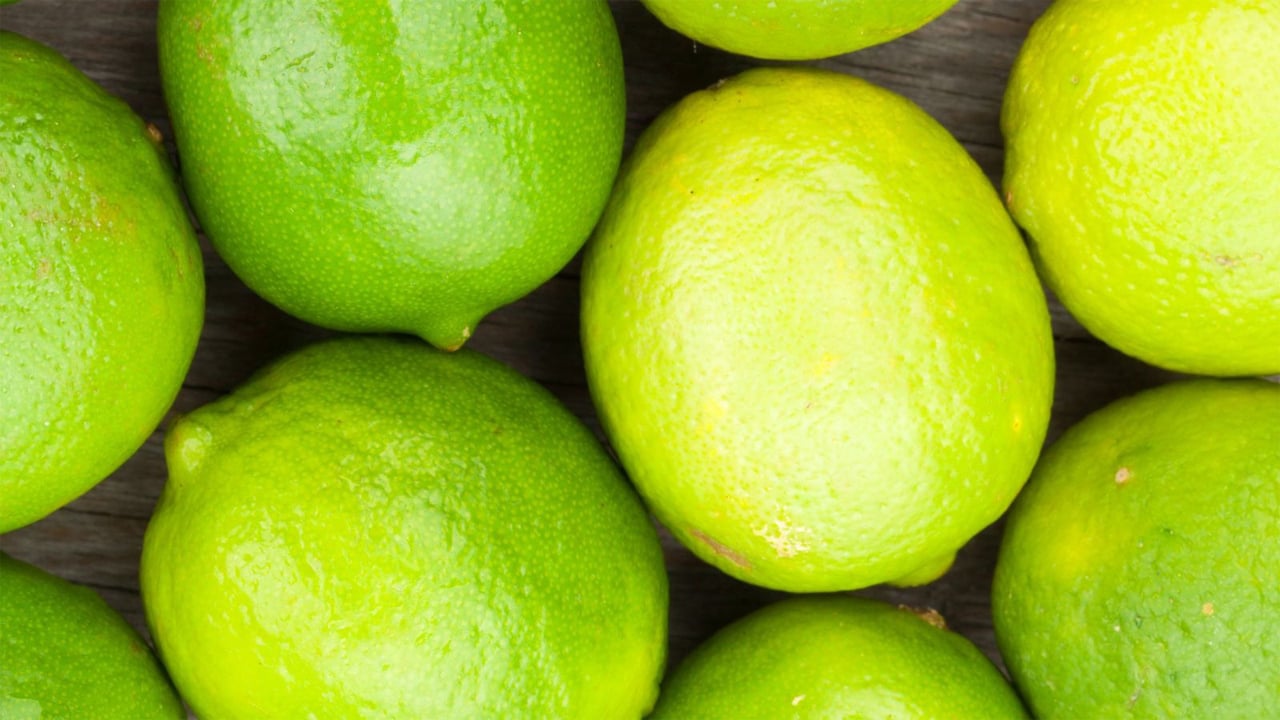
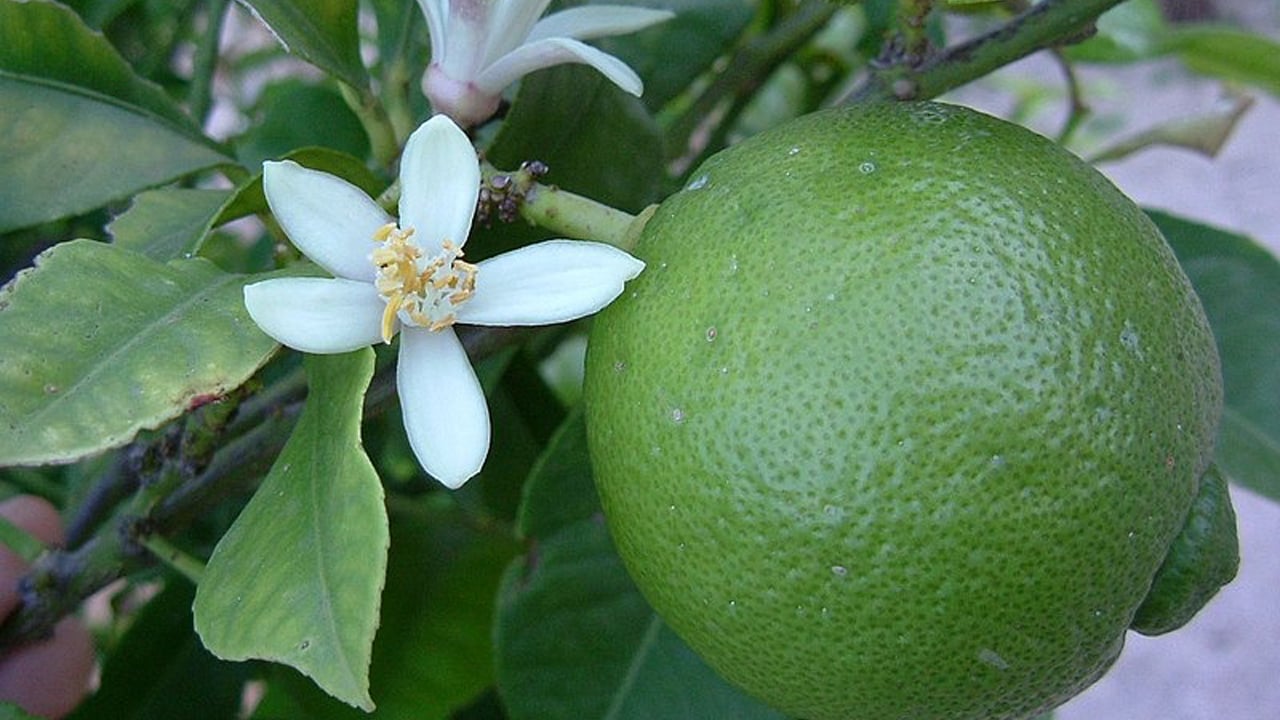
In Sri Lanka, the small, thin-skinned lime known locally as dehi (දෙහි) is far more than a garnish. It is a daily essential — squeezed over rice and curry at the table, stirred into cooling drinks on hot afternoons, and called upon in Ayurvedic practice for its cleansing and healing properties. While lime is cultivated across tropical and subtropical regions worldwide, the Sri Lankan variety carries a particular intensity of flavour that reflects the island's rich volcanic soils and year-round warmth.
What makes Sri Lankan lime (dehi) different from other limes?
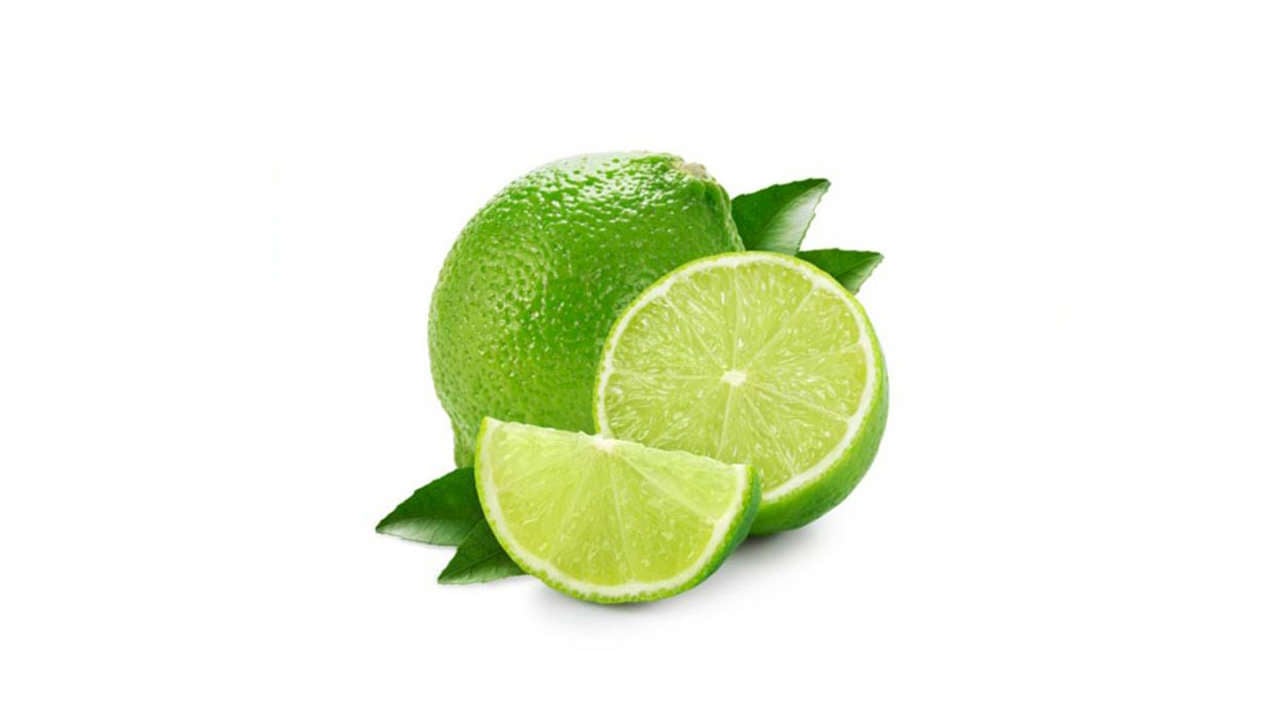
Sri Lankan dehi belongs to the Citrus aurantifolia species — the same family as the Key lime — and tends to be smaller and more aromatic than the Tahiti or Persian limes common in supermarkets elsewhere. The skin is typically thin and bright green when young, yellowing as it ripens, and the juice is markedly acidic with a floral top note. Kasthuri lime, a related grafted variety prized for ornamental and culinary use, is also cultivated locally and valued for its concentrated fragrance.
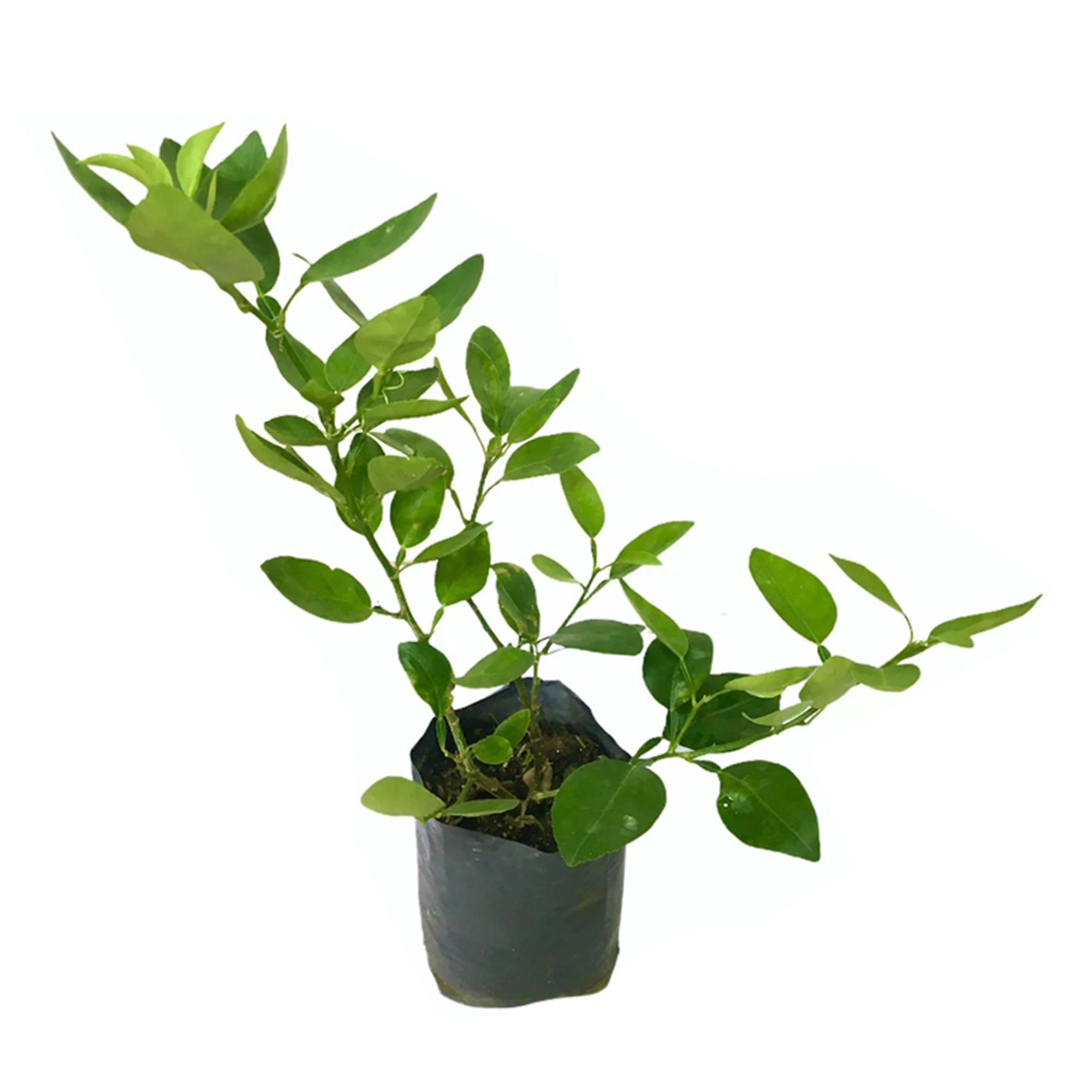
Lime trees grow readily across Sri Lanka's lowland wet and dry zones, often found in home gardens alongside coconut and jackfruit trees, requiring relatively little maintenance once established.
How is lime used in Sri Lankan cooking?
Lime functions as a seasoning, a preservative, and a finishing touch in Sri Lankan kitchens. A halved lime on the side of a meal is standard — diners squeeze it directly over curries, dhal, and rice to cut through the richness of coconut milk and temper the heat of chilli. Its juice is central to lunu dehi, the fiery salt-lime pickle that accompanies hoppers and string hoppers, and to chutneys and sambols prepared fresh for each meal.
- Curries and gravies: a squeeze at the end of cooking brightens and balances spiced sauces.
- Drinks: fresh lime juice diluted with water and a pinch of salt or sugar is a popular roadside refreshment, particularly in the lowland heat.
- Marinades: the acidity of lime juice tenderises fish and meat before grilling or frying.
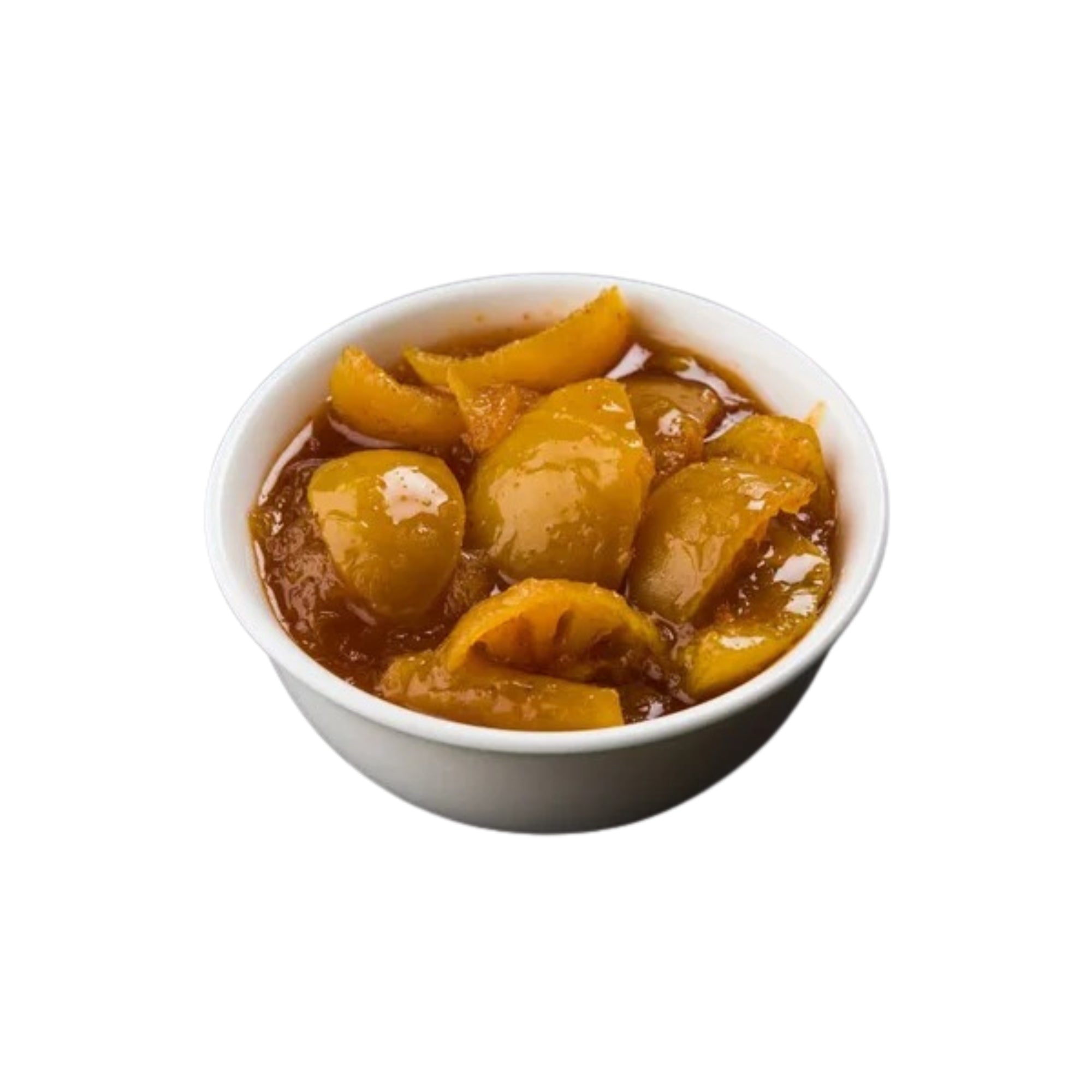
- Pickles and preserves: whole limes cured in salt and spices produce the tangy lime pickle that keeps for months and accompanies rice meals across the country.
- Desserts and sweets: lime zest and juice add sharpness to coconut-based sweets and fruit salads.
Lime pairs naturally with Ceylon black pepper in marinades and spice rubs, the two together forming one of Sri Lanka's most versatile seasoning combinations.
What are the health benefits of lime?
Lime is one of the richest accessible sources of vitamin C available in Sri Lankan home gardens, and this has made it a cornerstone of both everyday nutrition and traditional medicine. Vitamin C supports immune function, aids the body's absorption of iron from plant-based foods, and contributes to collagen production for skin health.
In Ayurveda — the ancient Indian and Sri Lankan system of natural medicine — lime is considered a digestive aid. Warm water with lime juice is a common morning remedy believed to stimulate digestion, support liver function, and reduce bloating. The antibacterial compounds in lime juice have traditionally been applied topically to minor cuts, insect bites, and skin blemishes, though these folk uses sit alongside rather than replace clinical care.
- Antioxidant content: flavonoids in lime, including hesperidin and naringenin, have anti-inflammatory properties.
- Digestive support: citric acid stimulates the production of digestive enzymes.
- Iron absorption: pairing lime juice with iron-rich lentils or green leaves is a traditional dietary strategy still widely practised.
- Skin care: lime extract is incorporated into a range of Sri Lankan personal-care products, from face washes to shower creams, for its brightening and antibacterial qualities.
How is lime used in Ayurvedic and herbal preparations?
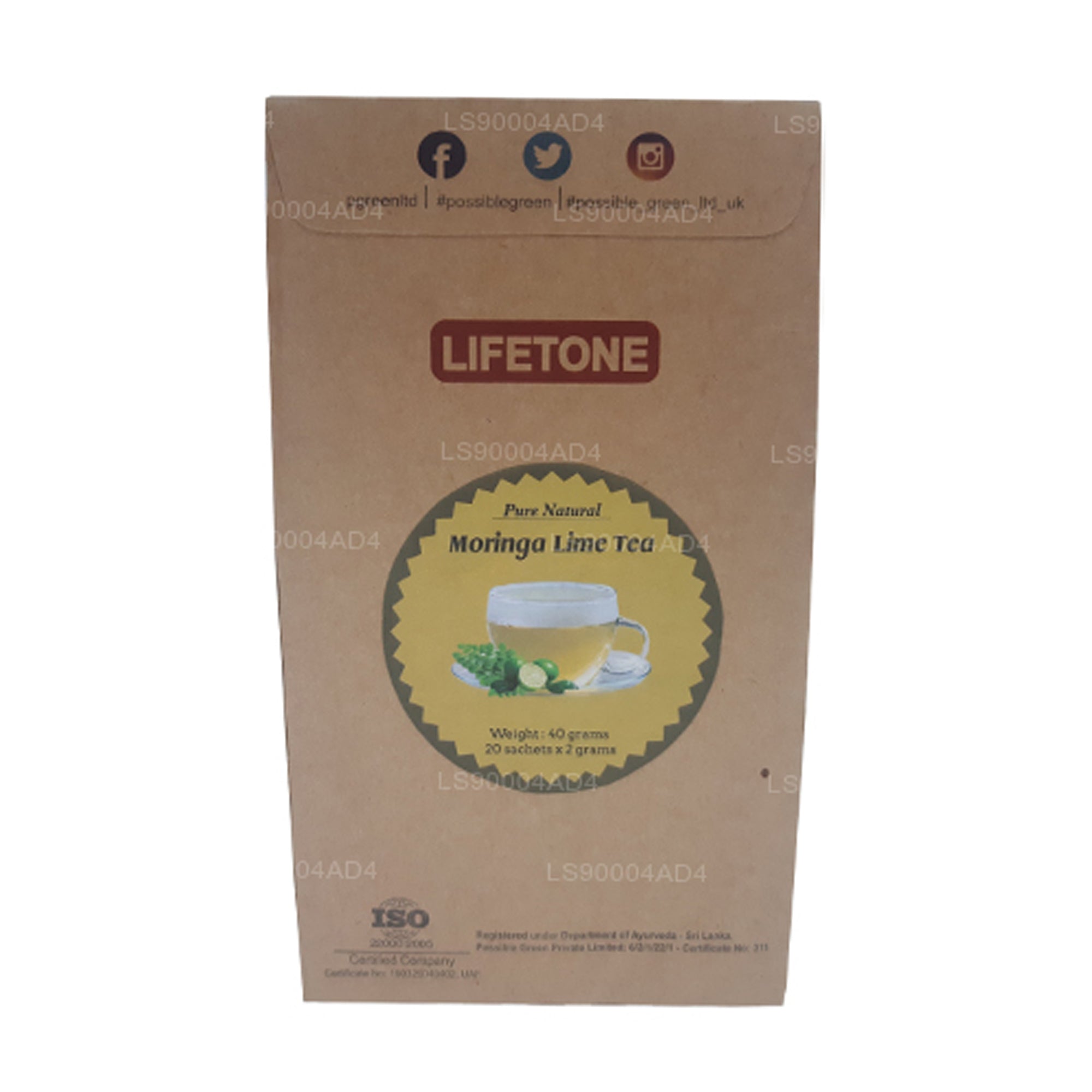
Sri Lanka's Ayurvedic tradition uses lime in compound formulas as well as simple home remedies. Lime juice is added to herbal decoctions to improve palatability and enhance bioavailability of certain plant compounds. It appears alongside ingredients such as moringa, holy basil, and hibiscus in herbal teas designed to support immunity and digestion — a pairing that reflects centuries of documented Ayurvedic practice rather than modern marketing alone.
Lime is also combined with fenugreek in preparations aimed at supporting blood sugar balance, and with guava leaf in teas used traditionally for gut health. These combinations are now available as ready-to-brew herbal teas produced by Sri Lankan wellness brands, making the traditional knowledge more accessible to both locals and visitors.
Can lime be used around the home?
The natural acidity of lime makes it a practical household ingredient beyond the kitchen. Lime juice and halved lime rinds are used to remove tarnish from brass and copper cookware, a common practice in Sri Lankan homes where traditional metal vessels are still used. The fresh citrus scent also acts as a natural deodoriser in refrigerators and on cutting boards. Mixed with salt, a cut lime can scrub away stains on wooden boards and stone surfaces without harsh chemicals.
Where is lime grown in Sri Lanka?
Lime cultivation is distributed across Sri Lanka's lowland regions rather than concentrated in a single zone. Home gardens throughout the wet and intermediate zones produce lime for household use, while small-scale commercial plots are found in areas including the North Central and North Western provinces. The Midigama Fruit Farm on the south coast offers visitors a chance to see tropical fruits, including citrus varieties, growing in a working farm setting.
Lime grown in Sri Lanka is typically harvested year-round owing to the island's tropical climate, though yields peak in drier periods when fruit sugar concentration is highest.
What lime products are made in Sri Lanka?
Sri Lanka produces a wide range of lime-based products that reflect the fruit's versatility across food, drink, and personal care categories.
| Category | Examples |
|---|---|
| Pickles & preserves | Lime pickle, lime marmalade, date and lime chutney |
| Teas & infusions | Lemon-lime tea blends, moringa lime tea, hibiscus lime tea, holy basil lime tea |
| Beverages | Lime-flavoured iced tea, lime crush drinks |
| Personal care | Lime and cucumber body wash, lemon and lime face wash |
| Culinary | Lime-flavoured jelly, lime flavour concentrates |
| Gardening | Lime layered plants, Kasthuri lime grafted plants, seedless Tahiti lime plants |
Many of these products are available through Lakpura's online store, allowing travellers to bring home authentic Sri Lankan lime products after their visit.
How does Sri Lankan lime compare to other local citrus fruits?
Sri Lanka grows several citrus varieties alongside dehi. Nai miris and kochchi are chilli varieties often confused by visitors, but in the citrus family the most common distinction is between the sharply acidic dehi and the sweeter, larger dodan (pomelo). Lime is the go-to for its acidity and aroma, while the pomelo is eaten fresh as a fruit rather than used as a souring agent.
Among spices and condiments, clove and black pepper are the island's globally celebrated exports, but lime occupies an equally important role in daily Sri Lankan life precisely because it is local, cheap, and irreplaceable in the kitchen.