
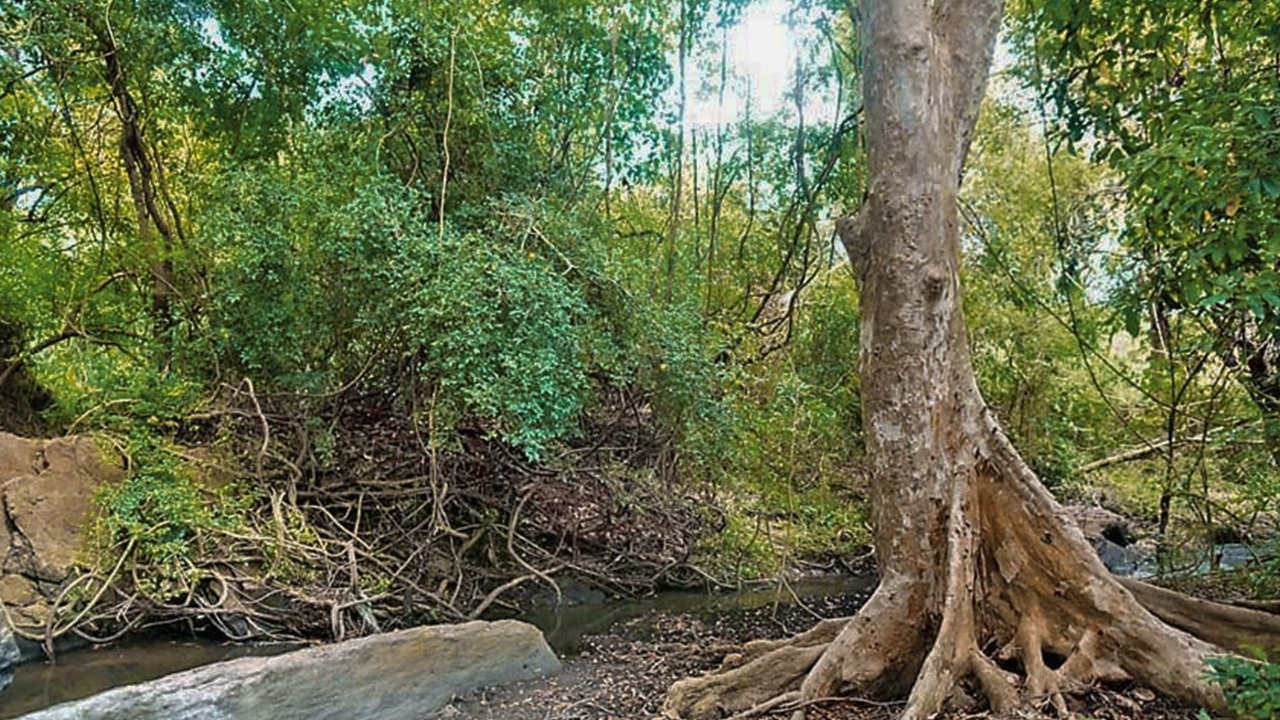

The Kumbuk (Terminalia arjuna) is one of Sri Lanka's most recognisable riverine trees. Towering up to 25 metres tall with a broad, buttressed base and smooth grey bark, it lines the banks of rivers and streams across the island, providing shade, shelter for wildlife, and centuries of material for traditional medicine and timber craft. Known in Tamil as Marutu, the tree is deeply woven into Sri Lankan landscapes and lore alike.
How do you identify a Kumbuk tree?
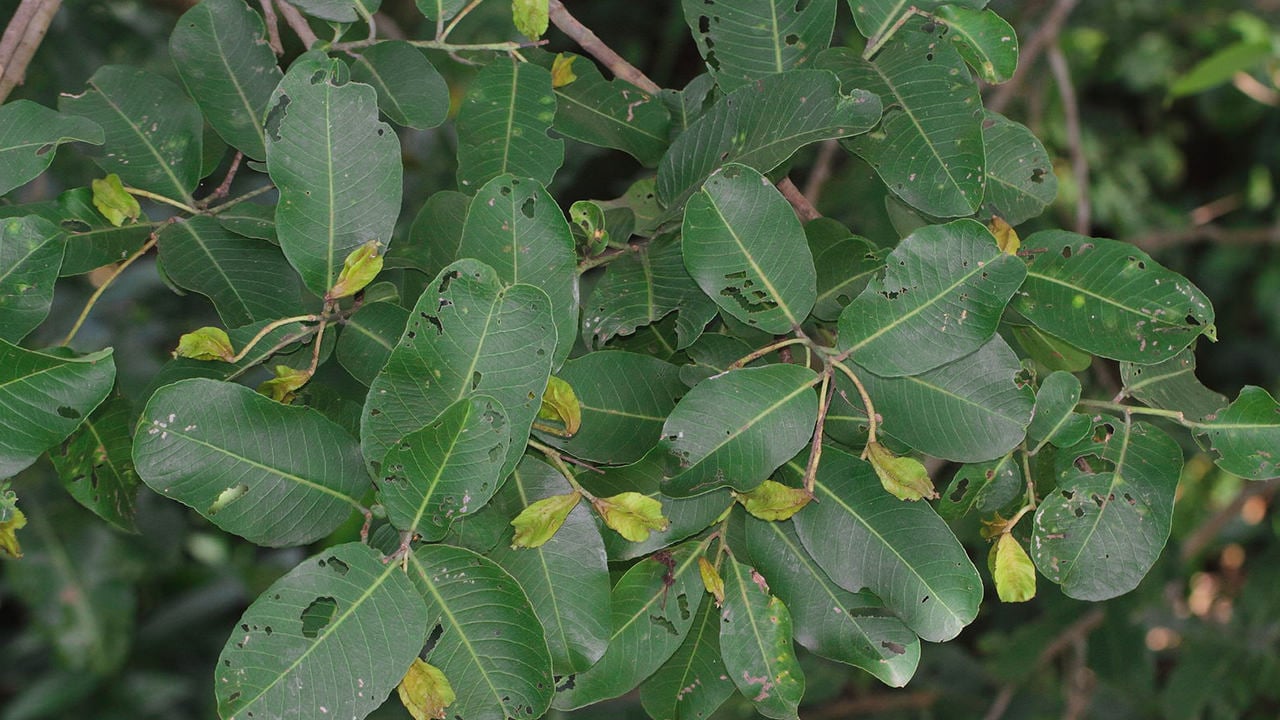
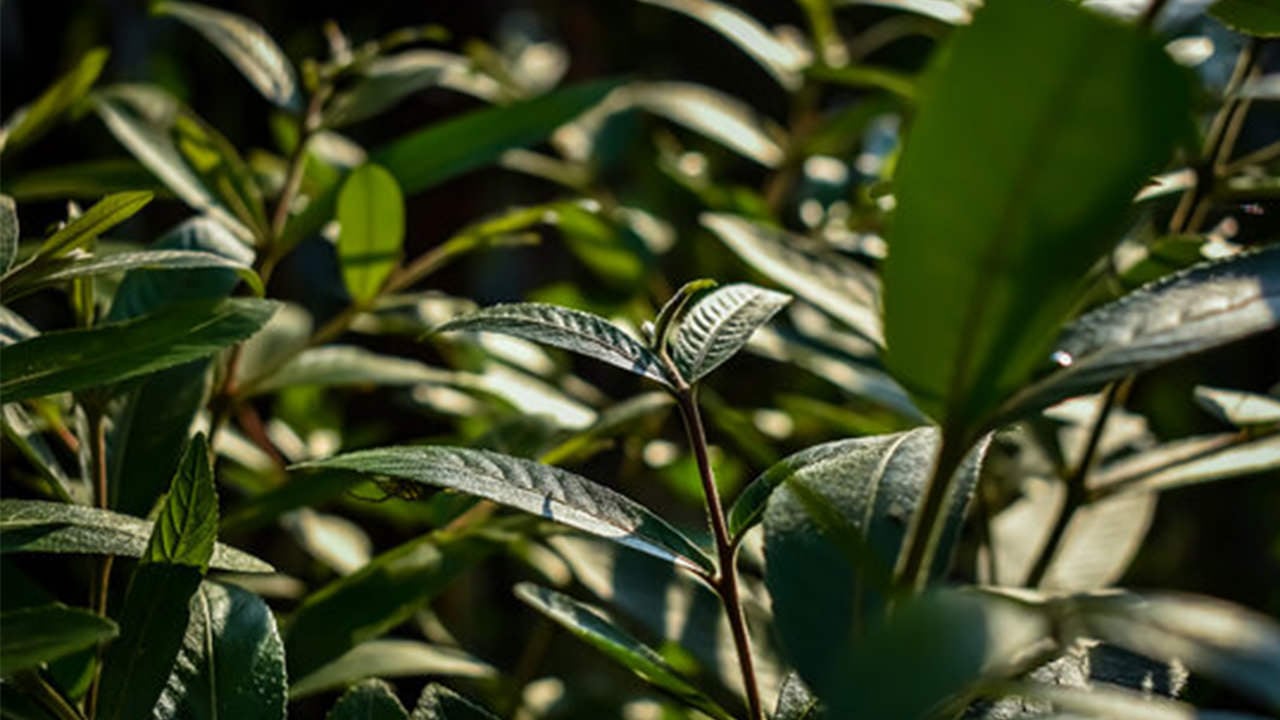
The Kumbuk's most immediately striking feature is its trunk: wide at the base, with smooth grey bark that flakes in thin layers as the tree matures. Leaves are arranged in near-opposite pairs along the branch, typically 5–13 cm long and 2–5 cm broad, oval in shape with a rounded base and a blunt tip. Each leaf is short-petiolated and carries a small pair of glands — each roughly 1 mm — just below where the blade meets the stalk. One of the tree's most photogenic qualities is the seasonal colour change: older leaves turn a vivid crimson before they fall, briefly transforming riverside groves into a wash of red.
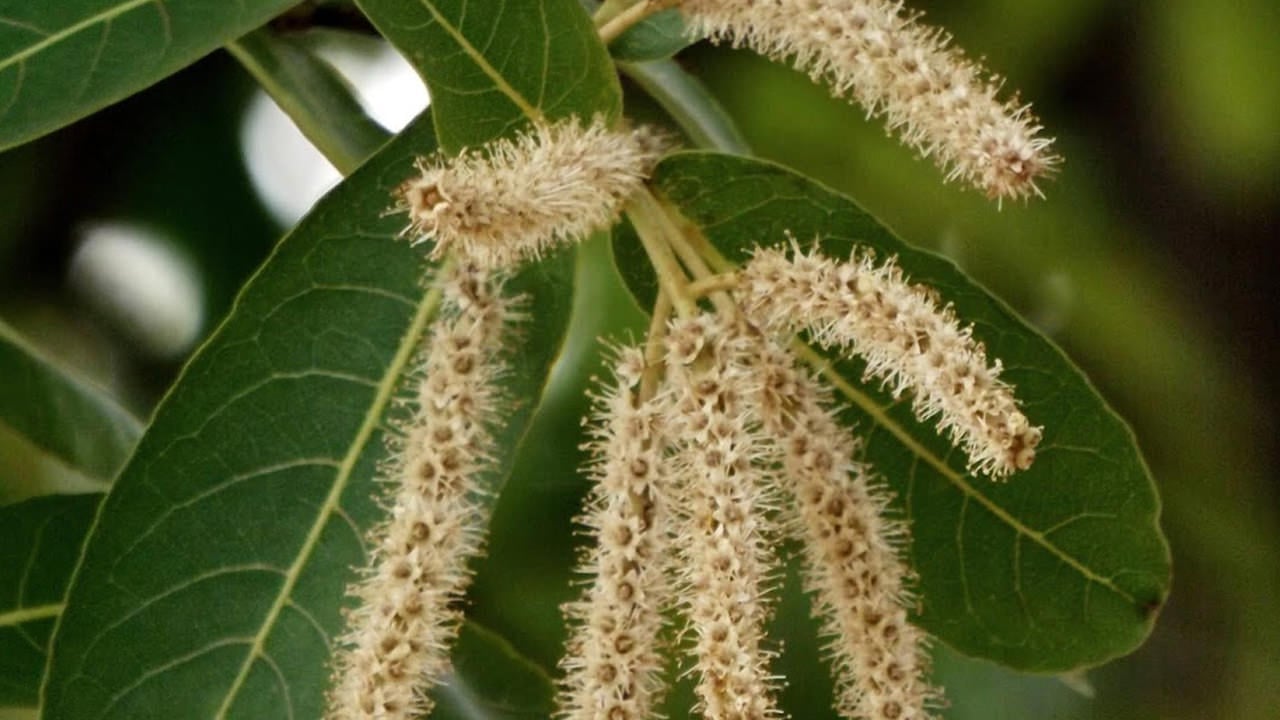
Flowers are small and inconspicuous — cream to greenish-white, sessile along a branched inflorescence (rachis) roughly 9–13 cm long, borne at the tips of branches or at leaf nodes. The fruit is the clearest identification marker: an elliptic, woody structure 3–5 cm long and 2–3 cm wide, with five distinct wings radiating from the body, adapted to wind and water dispersal.
| Feature | Detail |
|---|---|
| Scientific name | Terminalia arjuna |
| Common name (Sinhala) | Kumbuk |
| Common name (Tamil) | Marutu |
| Family | Combretaceae |
| Average height | Up to 25 metres |
| Bark | Smooth, grey, flaking |
| Fruit | Elliptic, five-winged, woody, 3–5 cm long |
| Habitat | River banks and stream margins |
Where does the Kumbuk grow in Sri Lanka?
Kumbuk trees are almost always found in proximity to fresh water. They thrive on the banks of rivers and streams in the wet zone, intermediate zone, and drier parts of the island, wherever seasonal flooding keeps the soil moist and mineral-rich. In the dry zone they are particularly associated with major river systems, where they can form dense gallery forests along the water's edge.
Visitors to Wilpattu National Park frequently encounter Kumbuk growing beside the park's distinctive natural lakes (villus) and watercourses. The tree is equally common along the rivers that drain through Udawalawe National Park, where elephant herds often seek shade beneath its broad canopy during the heat of the day. The ancient irrigation landscape around Polonnaruwa also supports mature Kumbuk stands beside its tanks and channels, a continuity that likely stretches back to the medieval Sinhalese kingdoms.
What is the ecological role of the Kumbuk?
As a riparian specialist, the Kumbuk plays a significant stabilising role along Sri Lankan waterways. Its extensive root system binds riverbank soil and reduces erosion during monsoon flooding — a function that traditional communities recognised and relied upon long before the term "ecosystem services" existed. The canopy provides critical shade that moderates water temperature in streams, benefiting fish and aquatic invertebrates.
Wildlife associations are considerable. Elephants browse on Kumbuk foliage and bark, and the tree's five-winged fruit is dispersed by both water currents and wind. Various birds nest in the upper canopy, and the cream-coloured flowers attract pollinators during the flowering season. Because the tree grows in precisely the habitat most threatened by agricultural encroachment — fertile river margins — mature specimens have become increasingly significant as biodiversity refuges.
What is the cultural and medicinal significance of Kumbuk?
In Ayurvedic and traditional Sri Lankan medicine, Terminalia arjuna has a long and documented history of use. The bark, in particular, is valued as a cardiotonic — preparations derived from it appear in classical Ayurvedic texts and remain in contemporary use. While specific medical claims fall outside the scope of a travel guide, the tree's Sanskrit name arjuna — referencing the great archer of the Mahabharata — hints at how deeply the species is embedded in South Asian cultural consciousness.
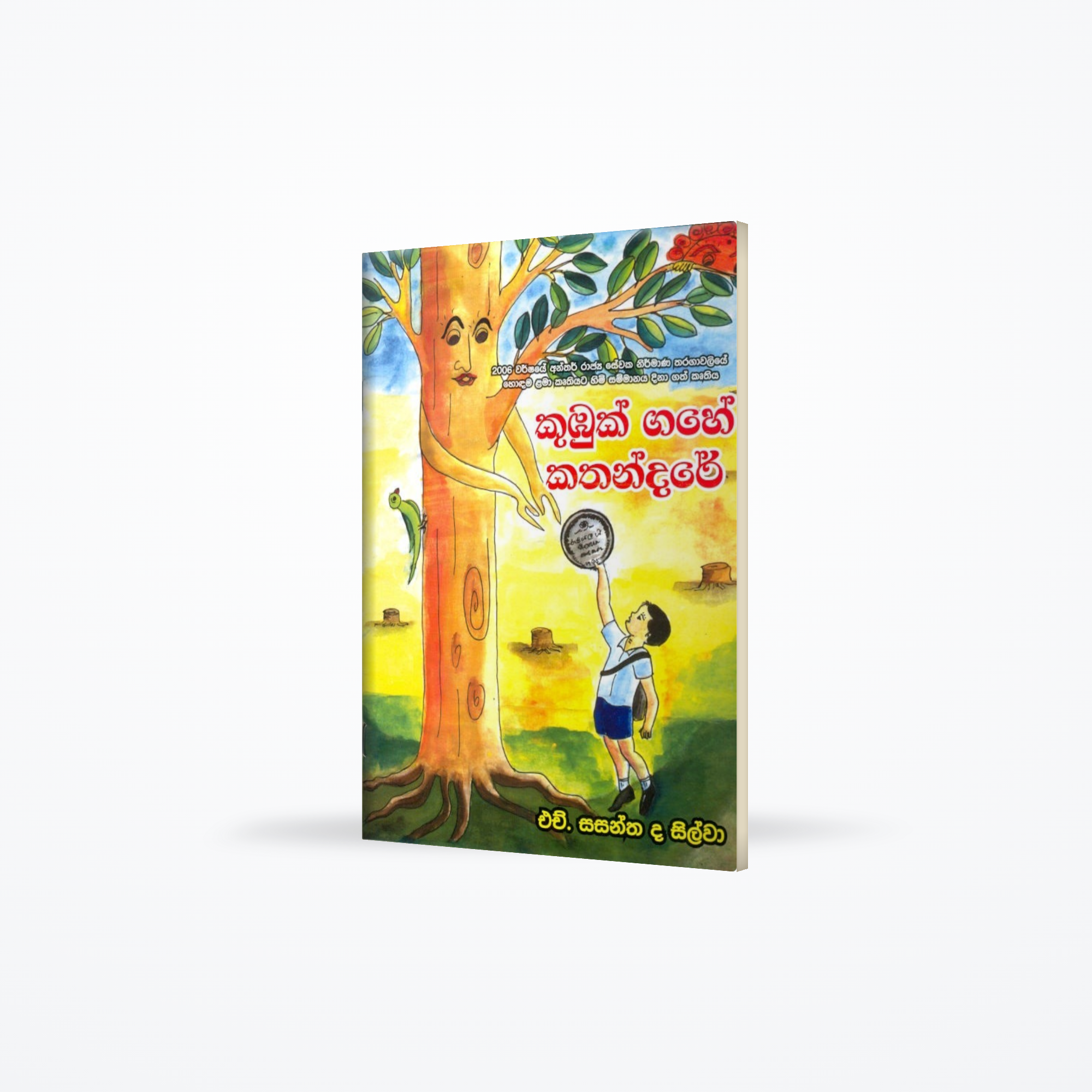
Kumbuk timber is dense, hard, and resistant to moisture, making it historically prized for boat-building, wheel-making, and agricultural implements in communities that lived along Sri Lanka's rivers. The name has also attached itself to placenames and properties across the country — from riverside lodges to village landmarks — reflecting the tree's long familiarity in everyday Sri Lankan life.
When is the best time to see Kumbuk foliage at its most striking?
The dramatic red-leaf phase typically occurs in the dry season, when older leaves age and change colour before dropping. In the dry zone — roughly February through April — Kumbuk trees along river edges put on a notable display, with patches of crimson among the green canopy. This coincides with some of Sri Lanka's most rewarding wildlife-viewing conditions, when animals concentrate around remaining water sources, making a riverside walk or boat excursion especially rewarding.
For those interested in combining botanical observation with wildlife, a guided river safari — such as a trip along the Madu River system — offers a chance to observe riverine flora including Kumbuk in its natural riparian context. Birding at dawn or dusk beneath Kumbuk trees near any of the dry-zone national parks is particularly productive.
Is Kumbuk timber still used commercially in Sri Lanka?
Commercial felling of Kumbuk is regulated under Sri Lankan forestry law, as the species is considered important both ecologically and culturally. Timber from legally harvested or plantation-grown trees is still used in traditional crafts and construction, but wild specimens along protected waterways are generally conserved. Travellers should be aware that purchasing products made from unverified sources of Kumbuk timber may contravene local regulations.
How does the Kumbuk compare to other notable Sri Lankan trees?
Sri Lanka's forests contain an exceptional diversity of tree species, many with similarly rich ecological and cultural profiles. The Pongamia pinnata (Magul Karanda) is another large shade tree common in lowland areas, though it favours drier, more open habitats than the riparian Kumbuk. Similarly, Acacia chundra occupies drier scrub forests. What distinguishes the Kumbuk is its near-obligate association with flowing fresh water and its sheer scale — few trees frame a Sri Lankan river bank with the same commanding presence.