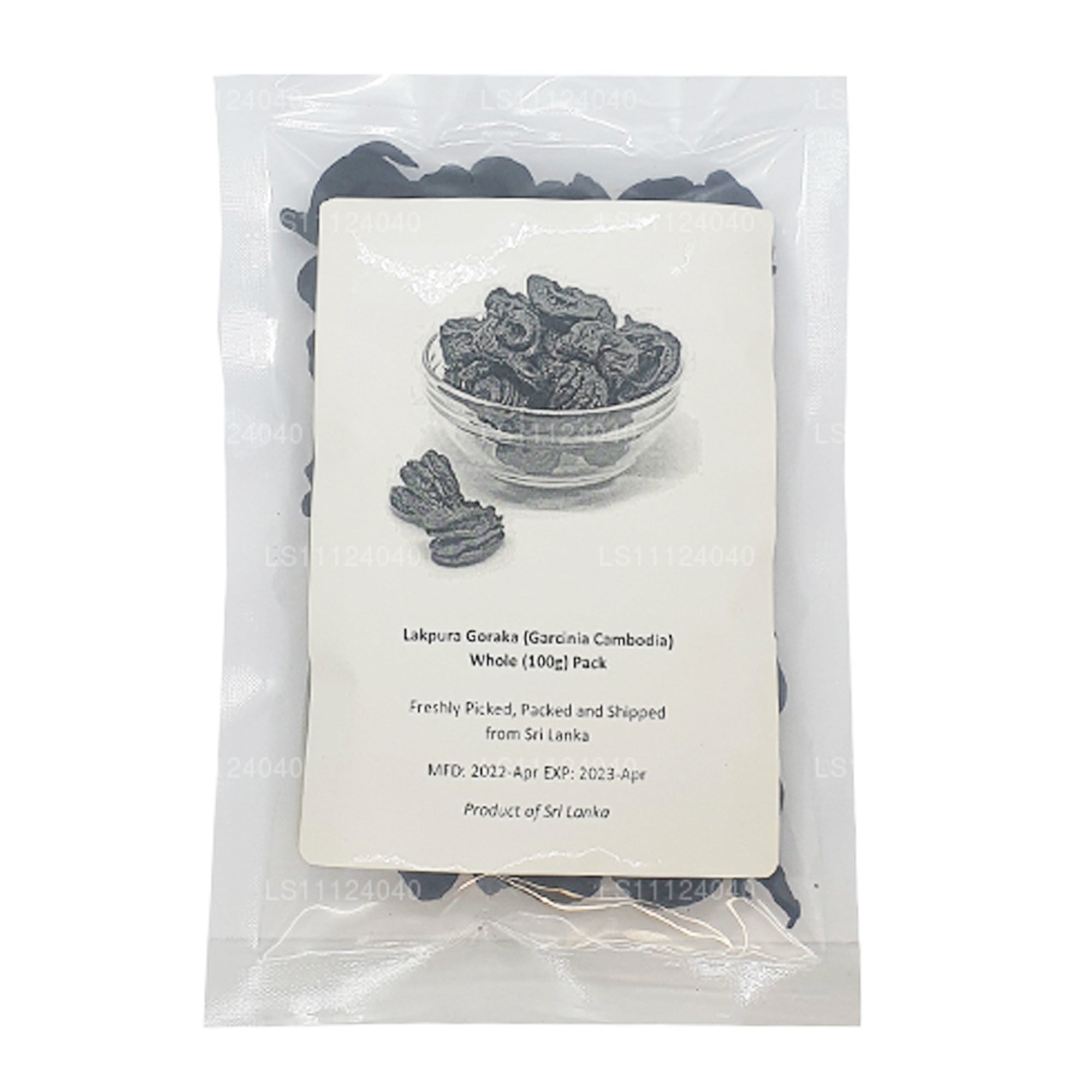




Garcinia mangostana — known in Sri Lanka as goraka — is one of the island's most recognised ayurvedic medicinal plants and a staple of traditional Sri Lankan cooking. The dried rind of its fruit has been used for centuries to add a deep, sour flavour to fish curries, while Ayurveda credits the plant with a broad range of therapeutic properties. Today, goraka is sold across the world as a dietary supplement, a spice, and an ingredient in herbal teas.
What exactly is Garcinia mangostana?
Despite sharing the genus name with the more widely known mangosteen (Garcinia mangostana in the strict taxonomic sense), the goraka of Sri Lankan tradition is most often identified as Garcinia cambogia or Garcinia gummi-gutta — a small, pumpkin-shaped tropical fruit native to South and Southeast Asia. The two plants are closely related members of the Clusiaceae family, and in Sri Lanka both the fruit and the broader genus are commonly referred to under the goraka umbrella. The tree itself grows to around 8–10 metres, with glossy leaves and yellow-orange fruit that ripens between the monsoon seasons.
The active compound that has drawn most scientific interest is hydroxycitric acid (HCA), concentrated in the fruit rind. Ayurvedic texts include goraka in formulations aimed at supporting digestion, managing body weight, and reducing inflammation.
How is goraka used in Sri Lankan cooking?
In the Sri Lankan kitchen, goraka is almost always used dried. Whole dried rinds or a thick paste made from them are added to fish ambul thiyal — a dry, tangy fish curry considered a hallmark of Southern Sri Lankan cuisine. The acidity of the rind acts as a natural preservative as well as a flavouring agent, allowing the dish to keep without refrigeration for several days.
- Whole dried rinds: typically soaked in water before being added to curries.
- Goraka paste: a convenient pre-prepared form that dissolves quickly into sauces.
- Goraka churna (powder): used in both cooking and Ayurvedic preparations.
- Herbal teas: dried goraka is increasingly infused into wellness teas marketed for weight management.
The flavour is sharper and less sweet than tamarind, with an earthy, resinous undertone that is distinctly its own. Home cooks in the South and Western provinces keep it as a pantry essential alongside turmeric and pandan.
What are the traditional ayurvedic benefits of Garcinia?
Sri Lanka's Ayurvedic tradition classifies goraka as a plant with tikta (bitter) and kashaya (astringent) qualities. Classical formulations have used it to:
- Support healthy digestion and reduce flatulence
- Aid in the management of body weight by suppressing appetite
- Relieve mild joint and muscle discomfort through its anti-inflammatory properties
- Act as a natural preservative in food preparations
- Support liver function in traditional formulations
Modern research has explored HCA's potential role in inhibiting an enzyme involved in fat synthesis, lending some scientific context to long-standing traditional claims. However, as with most herbal supplements, clinical evidence is still developing and individuals with medical conditions should consult a qualified practitioner before using goraka therapeutically.
Where does goraka grow in Sri Lanka?
The tree is found across the wet and intermediate zones of Sri Lanka, particularly in home gardens and small plantations in the Southern, Sabaragamuwa, and Western provinces. It thrives in tropical lowland conditions — warm temperatures, high humidity, and well-drained acidic soils. Because goraka grows well in home gardens, much of the supply that reaches markets comes from smallholder farmers rather than large commercial estates.
Harvesting typically takes place when the fruit turns fully yellow-orange, after which the rind is separated, salted, and sun-dried over several days. The resulting dark, leathery pieces have a long shelf life, which historically made goraka a reliable trade good as well as a household staple.
How does goraka differ from other souring agents used in Sri Lanka?
| Ingredient | Plant | Flavour profile | Primary use |
|---|---|---|---|
| Goraka | Garcinia cambogia / G. gummi-gutta | Sharp, earthy, resinous | Fish curries, dry preparations |
| Tamarind (siyambala) | Tamarindus indica | Sweet-sour, fruity | Curries, chutneys, drinks |
| Bilimbi (bilin) | Averrhoa bilimbi | Mildly sour, fresh | Relishes, pickles, light curries |
| Dried lime rind (dehi karapincha) | Citrus aurantiifolia | Citrus-forward, floral | Soups, seafood dishes |
Goraka's particular combination of sharpness and earthy depth means it cannot be substituted without noticeably changing a dish. Experienced cooks will tell you that authentic fish ambul thiyal simply does not work with tamarind alone.
How should goraka products be stored?
Dried whole rinds and powder keep best in an airtight container away from direct sunlight and moisture. In humid tropical conditions, storing goraka in the refrigerator extends its shelf life considerably. Pre-prepared pastes should be refrigerated after opening and used within a few weeks. Herbal tea bags and capsules follow standard dry-goods storage guidelines — cool, dark, and away from strong odours.
When purchasing goraka for culinary use, look for rinds that are uniformly dark, dry to the touch, and free of mould or an off smell. Pale or soft pieces may have been inadequately dried and can deteriorate quickly.
Is Garcinia mangostana safe to consume daily?
As a culinary spice used in normal cooking quantities, goraka is considered safe for most people. As a concentrated supplement — capsules, high-dose teas, or churna — the guidance is more nuanced. Some studies have noted that very high doses of HCA may affect liver enzymes in sensitive individuals, and the supplement should be avoided during pregnancy and breastfeeding. Anyone with a liver condition or who is taking prescription medication should seek medical advice before using goraka supplements regularly. Sri Lanka's Department of Ayurveda oversees the licensing of ayurvedic preparations on the local market, which provides a baseline of quality assurance for products manufactured in the country.
Other species in this genus
5 more, sharing the same genus.
Related reading
3 pages on closely related subjects.