Garcinia echinocarpa is a tree native to Sri Lanka, belonging to the family Clusiaceae, a group known for its resinous latex and often leathery, opposite leaves. In Sinhala it is known as Madol (මඩොල්). The species is not used as food, and its conservation status places it among the island's threatened native flora.
What does Garcinia echinocarpa look like?
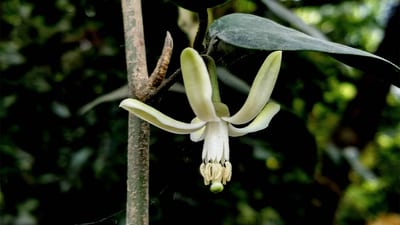
This is a tree growing up to about 10 metres tall, with red-brown bark. The leaves are rigidly coriaceous (stiff and leathery), obovate to oblanceolate in shape, with an obtuse tip that is shortly and broadly apiculate, sometimes slightly retuse. The leaf base tapers gradually, the upper surface is glossy dark green, and the midrib is flat to impressed. Flowers are congested at the axils of the two apical leaves and are almost sessile, lacking a distinct stalk.
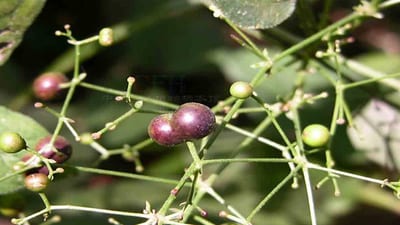
The ripe fruit is green to yellowish green, with an exocarp about 1 mm thick. Inside, the endocarp is soft, pulpy, white, and sweet. The seeds are large, oblong, veined, and light brown, without an arillode (the fleshy seed covering found in some related species).
Is Garcinia echinocarpa edible?
No edible parts are recorded for this species. Despite the sweet pulp described in the fruit, it should not be treated as a food source.
Where does Garcinia echinocarpa grow?
The species is native to Sri Lanka. Members of the Clusiaceae family in Sri Lanka are typically found in the island's wetter forested regions, consistent with the broader habitat preferences of the genus Garcinia across South and Southeast Asia.
What is its conservation status?
Under the National Conservation Status list of Sri Lanka (2012), Garcinia echinocarpa is assessed as Vulnerable. This designation reflects concern over the long-term survival of the species in the wild.
What is it called in Sinhala?
The species is known locally as Madol (මඩොල්).
| Attribute | Recorded detail |
|---|---|
| Scientific name | Garcinia echinocarpa |
| Family | Clusiaceae |
| Sinhala / local name | Madol (මඩොල්) |
| Status in Sri Lanka | Native |
| Conservation status (NCS, 2012) | Vulnerable |
| Edible parts | None |
| Habit | Tree up to 10 m tall |
| Bark | Red-brown |
| Leaves | Rigidly coriaceous, obovate to oblanceolate, obtuse, apiculate, glossy dark green above |
| Flowers | Congested at axils of apical leaves, almost sessile |
| Fruit | Green to yellowish green; exocarp ~1 mm thick; endocarp soft, pulpy, white, sweet |
| Seeds | Large, oblong, veined, light brown, no arillode |
Other species in this genus
6 more, sharing the same genus.