



Garcinia quaesita, known locally as Goraka (ගොරකා), is a small to medium-sized evergreen tree native to Sri Lanka and parts of South and Southeast Asia. Long prized in both the kitchen and the traditional apothecary, it occupies a significant place in the island's ayurvedic medicinal plant heritage. The dried rind of its fruit is one of the most distinctive souring agents in Sri Lankan cooking — dark, resinous, and deeply aromatic in a way that no substitute quite replicates.
What is Garcinia quaesita and how does it differ from Garcinia cambogia?
Garcinia quaesita and Garcinia cambogia are closely related species within the same genus, and in everyday Sri Lankan usage the names are often used interchangeably. Both produce a ribbed, pumpkin-shaped fruit whose rind is dried and smoked to produce Goraka. Botanically, Garcinia quaesita is considered the species most commonly cultivated in Sri Lanka, prized for its high hydroxycitric acid (HCA) content and its intensely sour, astringent flavour profile. The two species share broadly similar culinary and medicinal applications, though some traditional practitioners distinguish between them when formulating ayurvedic preparations.
Where does Garcinia quaesita grow in Sri Lanka?
The tree thrives in the warm, humid lowlands of the wet zone, particularly in home gardens and smallholder plots across the Southern, Sabaragamuwa, and Western provinces. It favours well-drained, laterite-rich soils and grows at elevations typically below 1,000 metres. While it is not a plantation crop in the commercial sense, Sri Lanka exports meaningful quantities of dried Goraka rind and derived products each year. Travellers passing through the hill-country edge — around areas such as Sinharaja Forest Reserve — will often spot the tree in village gardens, its heavy clusters of fruits turning yellow-orange as they ripen.
How is Goraka used in Sri Lankan cooking?
The primary culinary role of Garcinia quaesita is as a souring and preserving agent. A piece of dried, smoked rind is added to fish curries, seafood dishes, and some meat preparations during cooking, imparting a mellow acidity that balances rich coconut-milk gravies. It also acts as a natural preservative, extending the shelf life of fresh fish in a tropical climate before refrigeration was widespread. Unlike tamarind, which adds sweetness alongside sourness, Goraka delivers a cleaner, more astringent tang that is considered essential in many traditional recipes, especially along the southern coast.
- Fish curry: A staple addition — one or two pieces simmer with the fish and are removed before serving.
- Paste form: Ground Goraka paste is used as a marinade for grilled and fried fish.
- Dried whole rind: The most widely available form, sold in markets and specialty shops across the island.
- Churna (powder): Ground rind incorporated into ayurvedic formulations or used as a condiment.
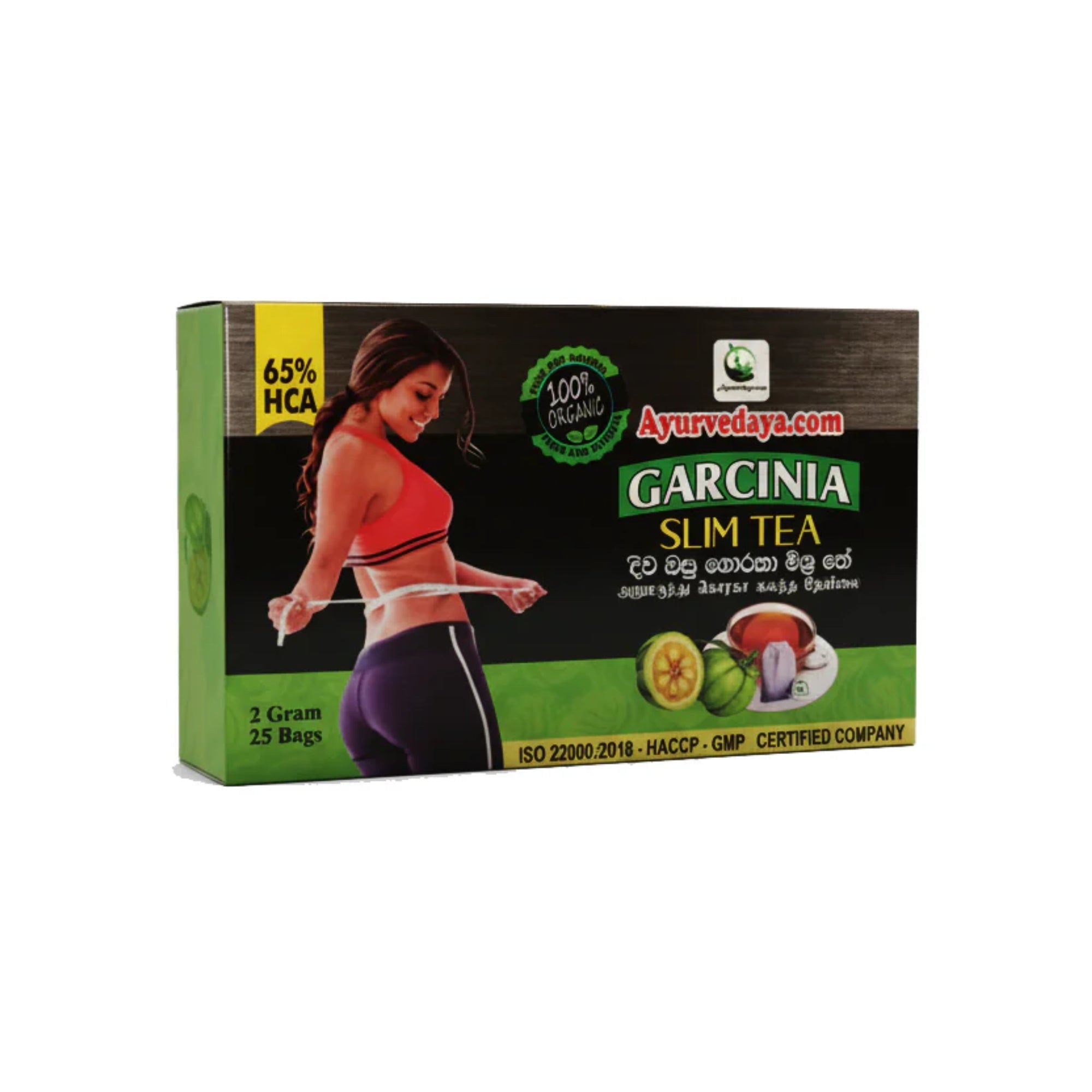
- Herbal teas: Infusions made from Goraka are consumed for their purported digestive and metabolic benefits.
What are the traditional ayurvedic uses of Garcinia quaesita?
Within Sri Lanka's ayurvedic tradition, Goraka is classified as a fruit with tikta (bitter) and kashaya (astringent) tastes, considered beneficial for digestive disorders, lipid regulation, and appetite management. It features in classical formulations targeting excess kapha and medas (adipose tissue), and practitioners have historically prescribed it for conditions ranging from rheumatism to skin disorders. The hydroxycitric acid present in the rind has attracted modern research interest for its potential role in inhibiting fat synthesis and suppressing appetite, lending some scientific context to long-standing traditional claims. Preparations such as Kaishore Guggulu and similar ayurvedic compounds sometimes include Garcinia-derived ingredients as part of broader formulations.
It is important to note that traditional use does not replace qualified medical advice. Anyone considering Garcinia-based supplements or remedies should consult a registered ayurvedic or biomedical practitioner.
What does current research say about Garcinia and weight management?
International interest in Garcinia cambogia and its relative Garcinia quaesita has grown substantially since the 1990s, when studies began examining hydroxycitric acid as a potential anti-obesity compound. Laboratory and some clinical trials have suggested that HCA may inhibit citrate lyase, an enzyme involved in fat synthesis, and may modestly influence serotonin levels related to appetite. Results in human clinical studies have been mixed, however, and regulatory agencies in several countries have issued cautions about high-dose Garcinia supplements. The culinary quantities used in Sri Lankan cooking — a fragment of dried rind per pot — are generally considered safe and have a long history of traditional consumption.
How is dried Goraka prepared and what should you look for when buying it?
After harvesting, the rind segments are separated from the fruit flesh and dried, typically over a wood-smoke fire that imparts the characteristic dark colour and smoky aroma. Well-dried Goraka should be firm and leathery, dark brown to black, with an intensely sour smell and no signs of mould. Avoid pieces that are excessively brittle or pale, which may indicate inadequate drying or old stock. In Sri Lankan markets, Goraka is sold by weight alongside other dried spices; quality varies considerably between vendors. Products sourced from reputable processors — including several available through Lakpura — are cleaned, checked for moisture content, and packed hygienically for both local use and export.
Related dried spices in the Sri Lankan pantry include Ceylon black pepper and Syzygium aromaticum (clove), both of which share the same wet-zone growing regions and often appear alongside Goraka in traditional medicine and cooking.
Can you grow a Garcinia quaesita tree at home?
Yes, and in Sri Lanka many households do. The tree is moderately slow-growing but relatively low-maintenance once established, requiring a tropical or subtropical climate, consistent rainfall or irrigation, and protection from frost. It begins bearing fruit after roughly four to six years. Grafted or layered plants — which reach fruiting age faster than seedlings — are available from specialist nurseries. The tree is ornamental as well as useful, with glossy dark-green leaves and attractive pendulous fruit clusters.
Where can you buy Garcinia quaesita products in Sri Lanka?
Dried Goraka rind is sold in virtually every municipal market and supermarket across the island. Specialty shops in Colombo, Kandy, and Galle stock a wider range of processed forms including paste, powder, and capsules. For visitors who want to take authentic Goraka products home, airport duty-free shops and hotel gift stores often carry packaged options, though selection is limited. Lakpura's online store offers a curated range of Goraka products — from whole dried rind and paste to herbal teas and supplement capsules — which can be ordered for delivery or collected as part of a customised tour itinerary.
Other species in this genus
5 more, sharing the same genus.
Related reading
3 pages on closely related subjects.