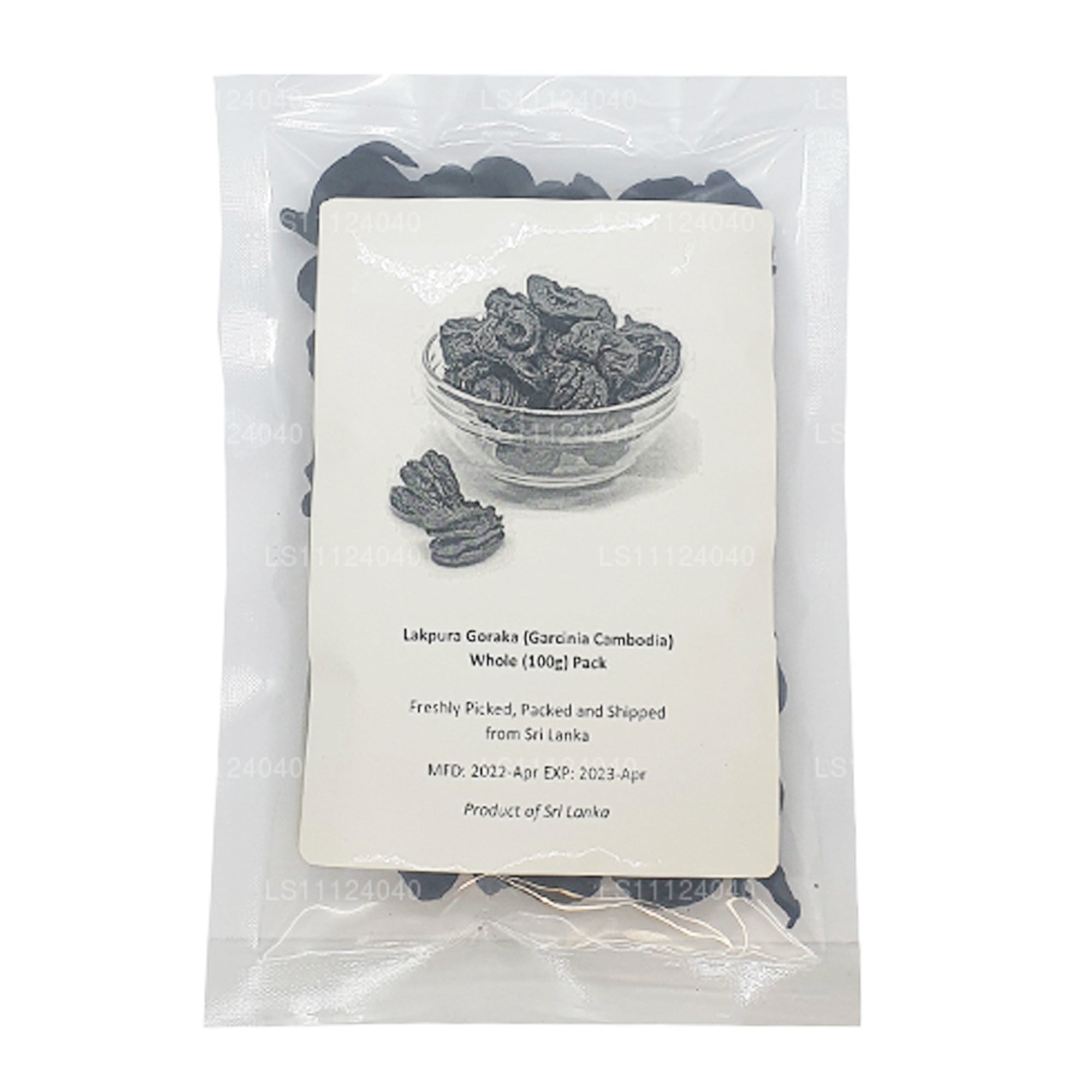




Garcinia xanthochymus, commonly known as the egg tree or yellow mangosteen, is a medium-to-large evergreen tree native to the tropical forests of South and Southeast Asia, including Sri Lanka. In the island's long tradition of Ayurvedic medicine, it occupies a respected place alongside other forest-sourced botanicals — valued for its fruit, bark, and resin rather than for its ornamental character alone.
What is Garcinia xanthochymus and how does it differ from other Garcinia species?
The genus Garcinia encompasses several hundred species distributed across tropical Asia and Africa. In Sri Lanka, the best-known member of the family is Garcinia cambogia — sold locally as goraka and used extensively as a souring agent in cooking and as a digestive remedy. Garcinia xanthochymus is closely related but distinct: its fruits are larger, rounder, and ripen to a golden-yellow rather than the reddish-orange of goraka.
The tree can grow to around 10–12 metres and produces glossy, lance-shaped leaves that are notably attractive even outside flowering season. The fruit pulp is edible — pleasantly tart — and the resin or gamboge pigment extracted from some related species has historical uses in both medicine and art. In botanical catalogues and Ayurvedic formularies for Sri Lanka, Garcinia xanthochymus is recorded under the code LK94006702.
What are the traditional Ayurvedic uses of Garcinia xanthochymus?
In Ayurvedic practice, plants from the Garcinia genus are generally classified as having a sour (amla) taste and are associated with digestive, anti-inflammatory, and lipid-regulating properties. Garcinia xanthochymus has been documented in traditional South Asian texts and regional ethnobotanical surveys for several applications:
- Digestive support: The fruit rind, like that of goraka, has been used to support appetite, ease flatulence, and aid digestion when taken in small quantities.
- Anti-inflammatory action: Extracts from the bark and fruit have been investigated for compounds — including xanthones and benzophenones — that may contribute to anti-inflammatory and antimicrobial effects.
- Skin and wound care: In some traditions, the latex or resin of related Garcinia species has been applied topically to minor wounds and skin conditions.
- Cholesterol and weight management: Hydroxycitric acid (HCA), present in varying concentrations across Garcinia species, has attracted modern research interest for its potential role in fat metabolism — though clinical evidence remains mixed and product claims should be evaluated carefully.
It is worth noting that Ayurvedic formulations typically combine multiple plants rather than relying on a single species in isolation. Garcinia xanthochymus is therefore more often one ingredient in a compound preparation than a standalone remedy. Preparations such as Yogaraja Guggulu illustrate how traditional Ayurvedic medicine integrates several botanicals into a balanced therapeutic formula.
Where does Garcinia xanthochymus grow in Sri Lanka?
The species is found in the wet and intermediate zones of Sri Lanka, typically in lowland to mid-elevation tropical forests. It thrives in warm, humid conditions with well-distributed rainfall — the same ecological belt that supports the island's famed biodiversity in areas such as the Sinharaja Forest Reserve, one of South Asia's most significant tracts of primary lowland rainforest.
Outside forest settings, the tree is occasionally cultivated in home gardens and on spice estates, particularly in the southern and Sabaragamuwa provinces. It is shade-tolerant as a juvenile, making it a practical candidate for agroforestry systems alongside other canopy crops.
How is Garcinia xanthochymus used in Sri Lankan food and daily life?
The ripe yellow fruit is eaten fresh, though its sourness makes it more of a culinary curiosity than a mainstream table fruit. The unripe rind, dried and sometimes smoked, serves a similar culinary purpose to goraka: it adds a sharp, fruity acidity to fish curries and meat dishes that is characteristic of southern Sri Lankan cooking. Dried Garcinia segments are a common sight in spice markets alongside Ceylon black pepper and other native aromatics.
In modern wellness products, extracts derived from the Garcinia family — often labelled as Garcinia cambogia or simply goraka — appear in teas, capsules, churna (herbal powder), and functional food products. Sri Lanka's growing wellness-tourism sector has brought renewed interest in these traditional botanicals, both for domestic consumers and visitors seeking authentically sourced herbal products.
What does current research say about Garcinia xanthochymus?
Scientific interest in the genus has grown substantially over the past two decades. Phytochemical studies on Garcinia xanthochymus have identified compounds including xanthones, biflavonoids, and polyisoprenylated benzophenones — a class of molecules under active investigation for potential bioactivity. Laboratory studies have reported antioxidant and antimicrobial properties, though translating these findings to confirmed clinical benefits requires further rigorous human trials.
Consumers and practitioners should distinguish between preliminary laboratory data and established therapeutic evidence. Any use of Garcinia-derived products for specific health conditions should be discussed with a qualified Ayurvedic physician or healthcare provider.
How does Garcinia xanthochymus fit into Sri Lanka's broader botanical heritage?
Sri Lanka's pharmacopoeia of Ayurvedic plants is extensive. The island's biodiversity — supported by distinct wet, dry, and montane zones across a relatively small landmass — has produced a flora unusually rich in medicinally significant species. Garcinia xanthochymus sits within a catalogue that includes well-known species such as Syzygium aromaticum (clove) and Acacia chundra, as well as lesser-known forest trees whose therapeutic potential is still being mapped.
Efforts to document, conserve, and sustainably use this botanical heritage are ongoing, linking traditional knowledge holders, Ayurvedic colleges, and contemporary researchers. For visitors interested in exploring this dimension of Sri Lankan culture, spice garden tours and Ayurvedic wellness retreats offer accessible, guided introductions to medicinal plants in their living context.
Other species in this genus
5 more, sharing the same genus.
Related reading
2 pages on closely related subjects.